
 Esperanto
 Shqiptare
 Euskara
 Zulu
Zulu
 Latinus
 Cymraeg
 தமிழ்
தமிழ்
 Slovak
 Slovak
 Afrikaans
News Hotspot
Contact Info
Hotline: +86-18831168296
E-mail: Info@cnwiremachine.com
Add: Gaoqian West Street, Sijiazhuang Town, Luquan District, Shijiazhuang City, Hebei Province
Layer Winding Machine – Precision, Efficiency, and Reliable Winding Solutions
Release Time:
Oct 01,2025
In modern manufacturing, the process of winding wires, cables, films, or tapes onto reels or spools is critical for ensuring product quality, consistency, and efficiency. The Layer Winding Machine has become an essential tool in industries such as electronics, electrical engineering, textiles, and packaging, providing precise tension control, uniform layering, and high-speed operation. By automating the winding process, businesses can achieve consistent product quality, reduce labor costs, and improve production efficiency.
What Is a Layer Winding Machine?
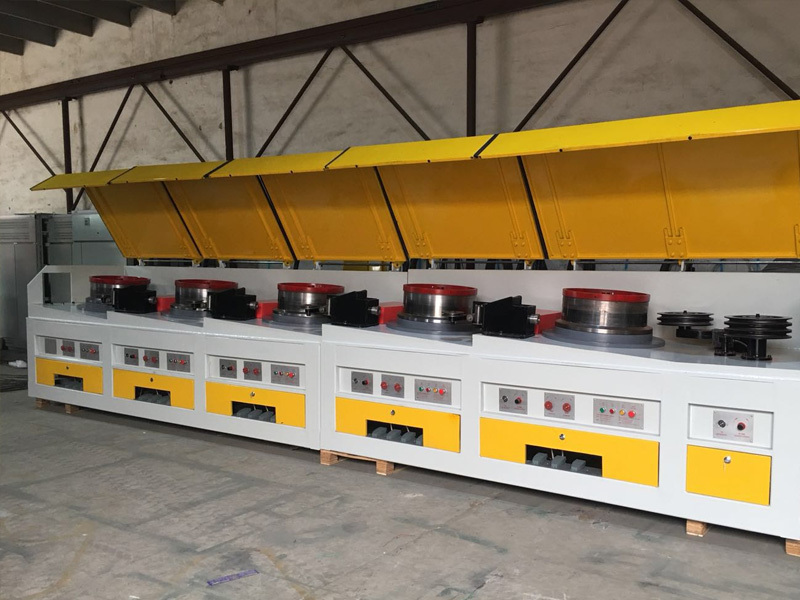
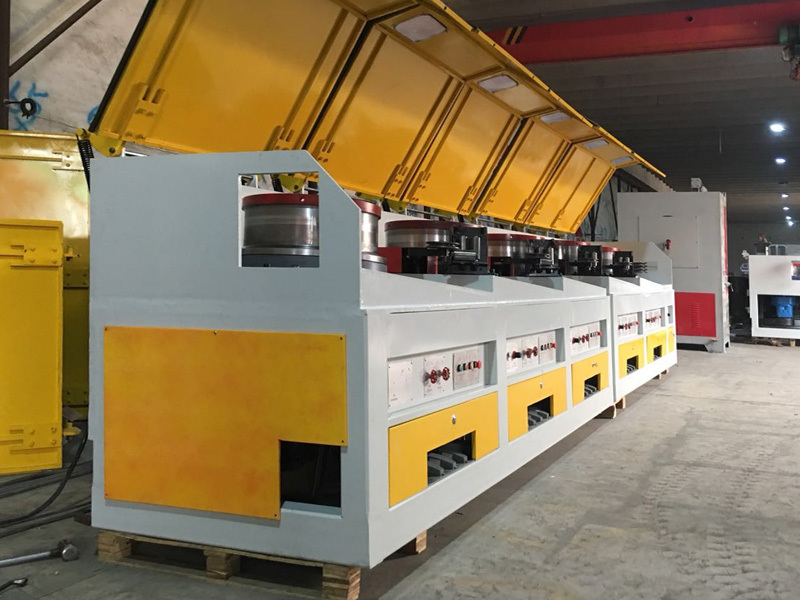
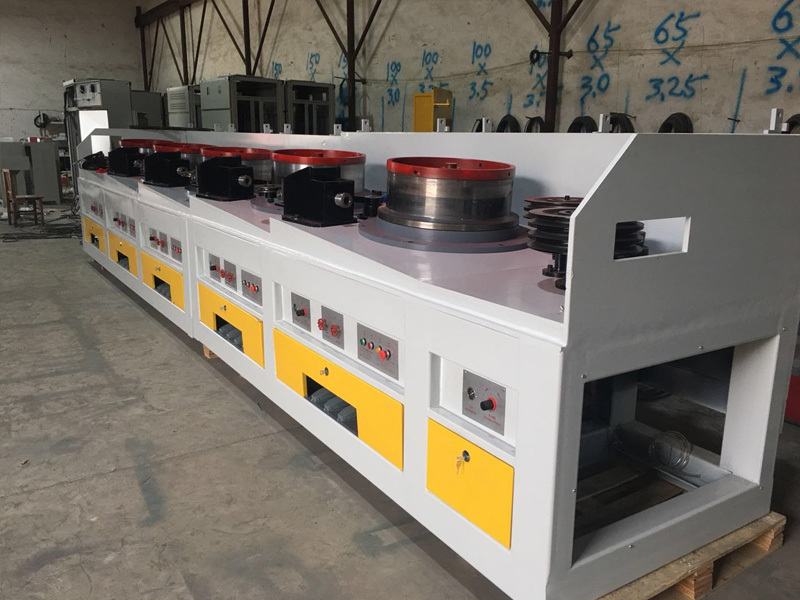
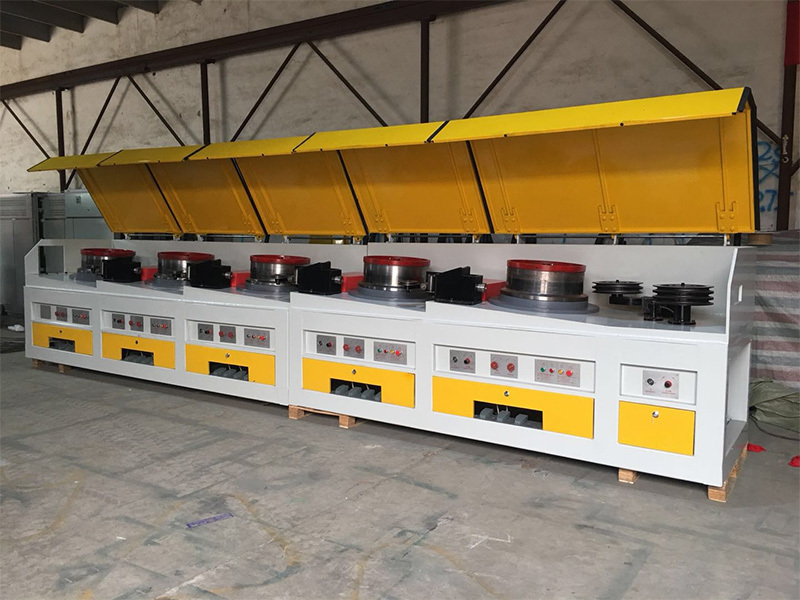
A Layer Winding Machine is a device designed to wind materials in an organized, layered pattern onto reels or spools. Unlike simple coiling equipment, it ensures that each layer is evenly distributed, maintaining uniform tension and precise alignment. Modern layer winding machines incorporate servo motors, electronic controls, and automated tension systems to handle a wide range of materials, including copper wire, optical fiber, textile threads, plastic films, and adhesive tapes.
Key Advantages
Precise Layering and Tension Control
Ensures even winding with no overlaps, tangles, or loose sections.
Adjustable tension control protects delicate materials from stretching or damage.
High-Speed and Efficient Operation
Supports high-speed production lines without compromising quality.
Reduces manual labor and accelerates the winding process.
Versatility Across Materials
Handles copper wires, aluminum wires, fiber optic cables, textile threads, tapes, and films.
Adjustable for various diameters, spool sizes, and winding lengths.
Automated and User-Friendly
Equipped with programmable controllers for speed, layer count, and direction.
Reduces operator fatigue and minimizes errors during long production runs.
Durable and Reliable
Constructed with high-quality steel frames, precision rollers, and bearings.
Designed for long-term industrial use with minimal maintenance.
Safety and Stability
Emergency stop mechanisms and protective enclosures ensure operator safety.
Smooth and stable operation minimizes vibrations and material damage.
Applications
Electrical and Electronics Industry: Winding copper or aluminum wires for transformers, motors, and coils.
Telecommunications: Fiber optic cables wound precisely for long-distance transmission.
Textiles: Thread, yarn, or ribbon layered evenly for downstream processing.
Packaging and Tapes: Adhesive tapes, films, and labels wound efficiently for shipment or storage.
Industrial Automation: Integration into production lines for continuous, high-volume winding operations.
Case Example
A transformer manufacturing company faced issues with uneven winding of copper coils, resulting in reduced efficiency and product quality. After implementing a Layer Winding Machine, the company achieved perfectly aligned layers, consistent tension, and high production speeds. Product defects decreased by 40%, and labor requirements were significantly reduced. Similarly, a fiber optic manufacturer used an automated layer winding machine to wind delicate fibers without tension damage, increasing throughput while maintaining product integrity.
Solving Industry Pain Points
Problem: Manual winding is slow and inconsistent.
Solution: Automated layer winding machines provide uniform, high-speed winding.
Problem: Uneven tension damages materials.
Solution: Precision tension control protects wires, fibers, and films.
Problem: High labor costs for large-scale production.
Solution: Automation reduces human intervention and increases efficiency.
Problem: Limited adaptability to different spool sizes or materials.
Solution: Adjustable reels and programmable controllers handle diverse applications.
Problem: Operational safety concerns in high-speed winding.
Solution: Safety enclosures, emergency stops, and stable mechanical design ensure operator protection.
Conclusion
Layer Winding Machines are indispensable for industries requiring precise, efficient, and reliable winding solutions. By combining high-speed operation, precise tension control, and automated features, these machines ensure that wires, cables, fibers, and films are wound accurately and consistently.
Investing in a layer winding machine enhances product quality, production efficiency, and operational safety, making it an essential tool for manufacturers in electronics, textiles, telecommunications, and industrial sectors.
Key words:


☎️Phone
* Please Enter Keywords
The company specializes in the development and manufacture of a complete set of welding wire production lines and a complete set of metal wire drawing machines 📮 info@cnwiremachine.com