
 Esperanto
 Shqiptare
 Euskara
 Zulu
Zulu
 Latinus
 Cymraeg
 தமிழ்
தமிழ்
 Slovak
 Slovak
 Afrikaans
News Hotspot
Contact Info
Hotline: +86-18831168296
E-mail: Info@cnwiremachine.com
Add: Gaoqian West Street, Sijiazhuang Town, Luquan District, Shijiazhuang City, Hebei Province
Understanding Horizontal Wire Drawing Machine: A Comprehensive Guide
Release Time:
Oct 07,2023
Horizontal wire drawing machines play a crucial role in the manufacturing and processing machinery industry, specifically in metal wire processing. In this comprehensive guide, we will delve into the key aspects of horizontal wire drawing machines, shedding light on their functionality and significance.
Horizontal wire drawing machines play a crucial role in the manufacturing and processing machinery industry, specifically in metal wire processing. In this comprehensive guide, we will delve into the key aspects of horizontal wire drawing machines, shedding light on their functionality and significance. Whether you are a professional in the industry or simply curious about this intriguing machine, this article will provide you with valuable knowledge regarding its operation and applications.
1. What is a Horizontal Wire Drawing Machine?
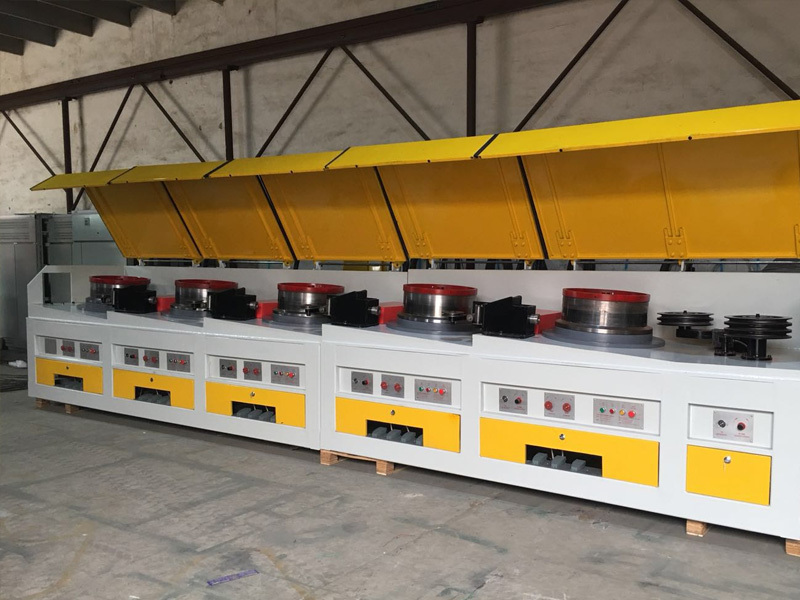
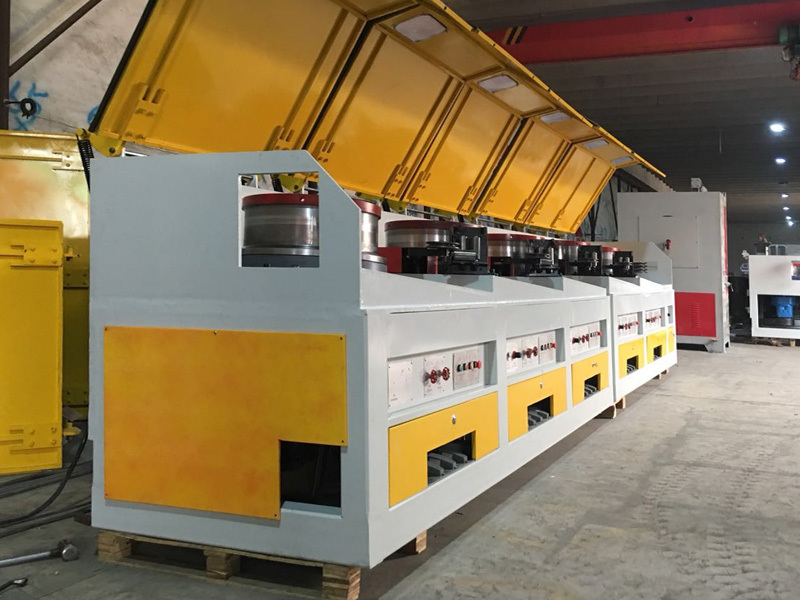
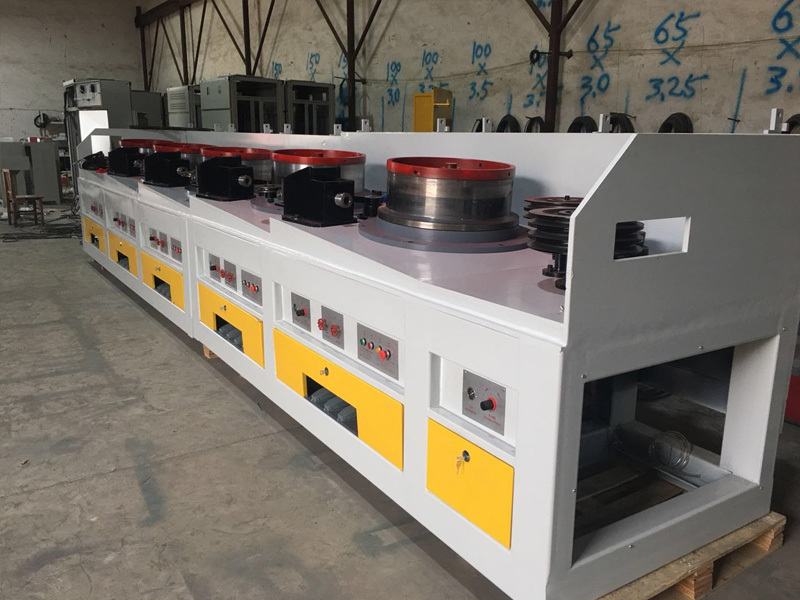
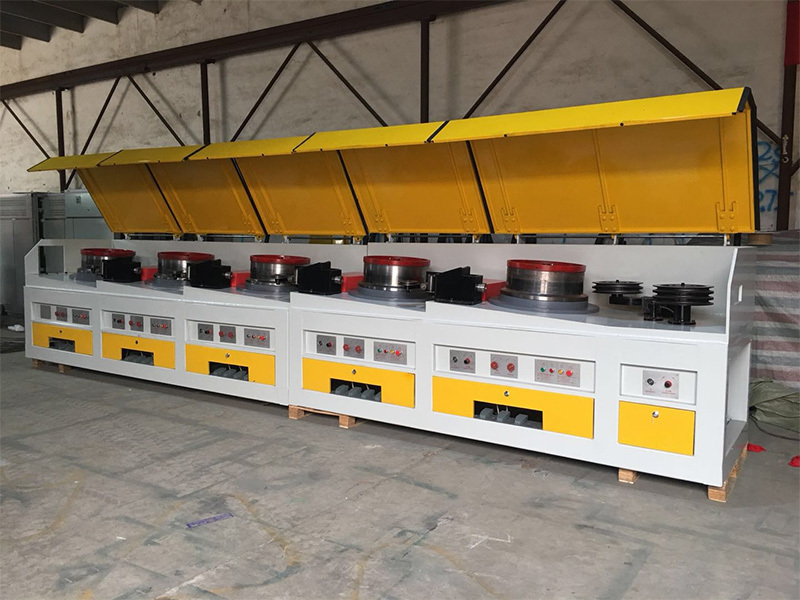
A horizontal wire drawing machine is a specialized piece of equipment used to draw metal wires, such as steel, copper, or aluminum, through a series of dies to reduce their diameter. It operates on the principle of pulling the wire through the dies, resulting in elongation and reduction in cross-sectional area. This process enhances the wire's mechanical properties and surface finish, making it suitable for various applications.
2. How does a Horizontal Wire Drawing Machine work?
The machine consists of multiple drawing dies arranged in a series, typically in a horizontal configuration. The wire is initially fed through a rotating capstan or drum, which provides the driving force. The wire then passes through a lubrication system to reduce friction and enhance the drawing process. As the wire enters the first die, it experiences elongation and reduction in diameter. This process continues as the wire passes through subsequent dies, allowing for further size reduction until the desired diameter is achieved.
3. Applications of Horizontal Wire Drawing Machines:
Horizontal wire drawing machines find extensive use in various industries due to their ability to produce wires with precise dimensions and improved mechanical properties. Some common applications include:
- Wire for electrical cables and conductors
- Wire for automotive components, such as springs and fasteners
- Wire for construction purposes, such as reinforcement bars
- Wire for industrial machinery, such as bearings and springs
- Wire for medical devices, such as surgical instruments and implants
4. Advantages of Horizontal Wire Drawing Machines:
Horizontal wire drawing machines offer several advantages, making them an indispensable asset in the manufacturing and processing machinery industry. Some key advantages include:
- Precise diameter control: These machines enable the production of wires with accurate and consistent diameters, meeting specific requirements.
- Enhanced mechanical properties: The drawing process improves the wire's tensile strength, ductility, and surface finish, enhancing its overall quality.
- Increased productivity: Horizontal wire drawing machines operate at high speeds, allowing for efficient wire production and meeting industry demands.
- Versatility: These machines can process a wide range of metals, making them suitable for various applications across different industries.
In conclusion, horizontal wire drawing machines are vital in the manufacturing and processing machinery industry, particularly in metal wire processing. They enable the production of high-quality wires with precise dimensions and enhanced mechanical properties. Understanding the operation, applications, and advantages of these machines provides valuable insight into their importance and role in various industries.
Key words:


☎️Phone
* Please Enter Keywords
The company specializes in the development and manufacture of a complete set of welding wire production lines and a complete set of metal wire drawing machines 📮 info@cnwiremachine.com