
 Esperanto
 Shqiptare
 Euskara
 Zulu
Zulu
 Latinus
 Cymraeg
 தமிழ்
தமிழ்
 Slovak
 Slovak
 Afrikaans
News Hotspot
Contact Info
Hotline: +86-18831168296
E-mail: Info@cnwiremachine.com
Add: Gaoqian West Street, Sijiazhuang Town, Luquan District, Shijiazhuang City, Hebei Province
How Pulley Drawing Machines Revolutionize the Manufacturing Process
Release Time:
Oct 13,2023
Table of Contents: 1. Introduction 2. What are Pulley Drawing Machines? 3. The Working Principle of Pulley Drawing Machines 4. Benefits of Pulley Drawing Machines 5. Applications of Pulley Drawing Machines 6. FAQs (Frequently Asked Questions) 7. Conclusion 1. Introduction Manufacturing processes have undergone significant advancements over the years, and one such remarkable innovation is the intro
1. Introduction
2. What are Pulley Drawing Machines?
3. The Working Principle of Pulley Drawing Machines
4. Benefits of Pulley Drawing Machines
5. Applications of Pulley Drawing Machines
6. FAQs (Frequently Asked Questions)
7. Conclusion
1. Introduction
Manufacturing processes have undergone significant advancements over the years, and one such remarkable innovation is the introduction of pulley drawing machines. These machines have revolutionized the manufacturing industry by enhancing efficiency, improving precision, and streamlining operations. In this article, we will delve into the world of pulley drawing machines, exploring their working principles, benefits, applications, and much more.
2. What are Pulley Drawing Machines?
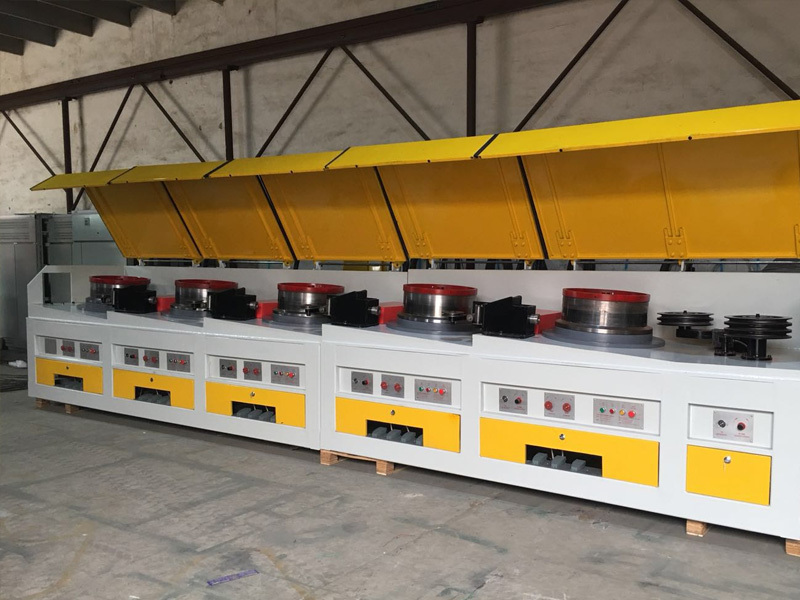
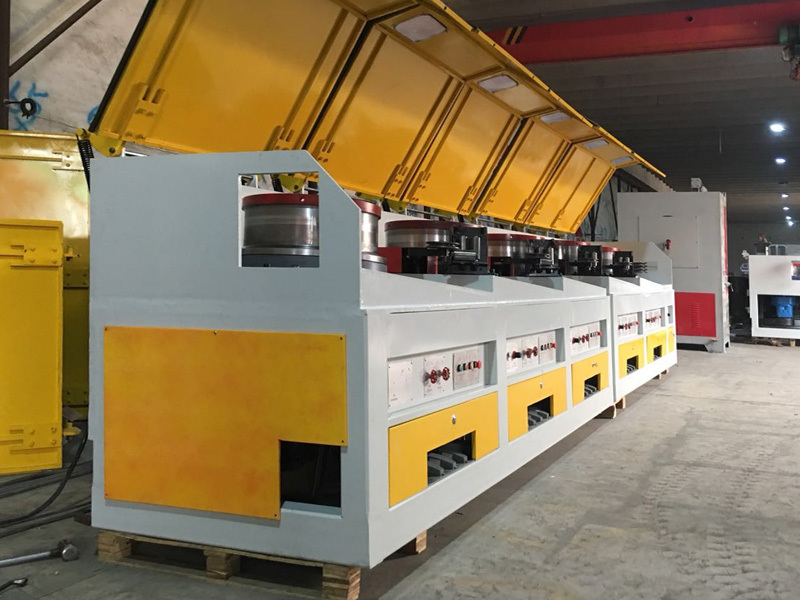
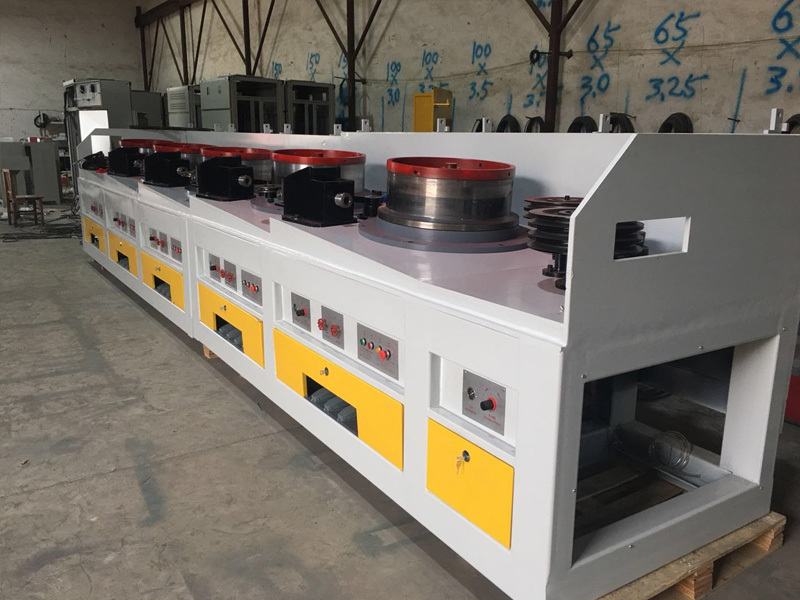
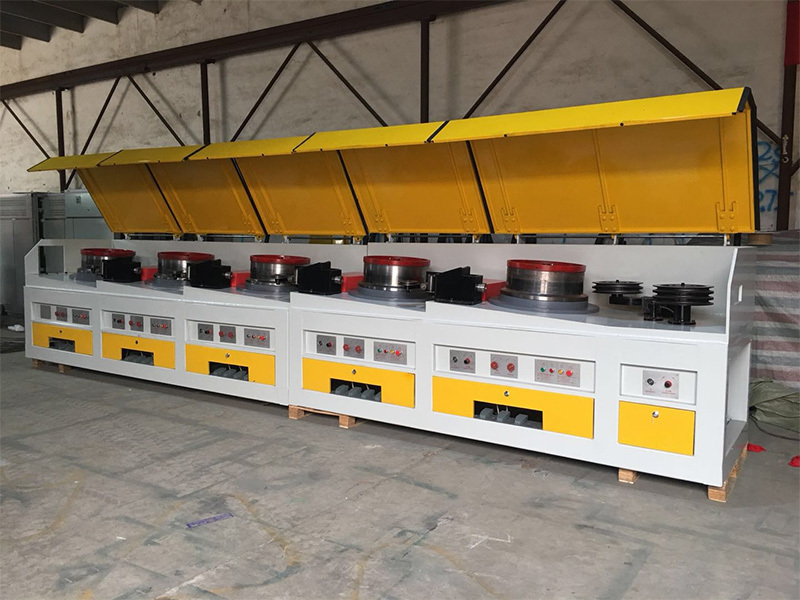
Pulley drawing machines, also known as wire drawing machines, are mechanical devices used to reduce the diameter of wire or rod material while increasing its length. They achieve this through a process called pulley drawing, which involves pulling a wire or rod through a series of progressively smaller die openings. This continuous reduction in diameter results in elongation, improved surface finish, and better mechanical properties of the material.
3. The Working Principle of Pulley Drawing Machines
Pulley drawing machines operate on a simple yet effective principle. The machine consists of a series of rotating drums or pulleys, each equipped with a die of decreasing diameter. The wire or rod material is fed into the first die, and as it passes through, it is pulled by the rotating drum.
As the material is drawn through the first die, its diameter reduces while its length increases. The elongated wire or rod then enters the second die, and the process is repeated. This continues until the desired diameter and length are achieved. The speed at which the material is pulled through the dies, along with the size of the dies, determines the rate of reduction and elongation.
4. Benefits of Pulley Drawing Machines
Pulley drawing machines offer numerous benefits that have revolutionized the manufacturing process. Some of the key advantages include:
4.1 Enhanced Efficiency: By automating the wire or rod reduction process, pulley drawing machines significantly improve efficiency compared to manual methods. The machines can handle a large volume of material with consistent precision, saving time and labor costs.
4.2 Improved Precision: Pulley drawing machines ensure precise control over the reduction process, resulting in uniform diameter and increased accuracy. This level of precision is crucial in industries such as aerospace, automotive, and electronics, where tight tolerances are required.
4.3 Surface Finish Enhancement: The pulley drawing process improves the surface finish of the wire or rod material, making it suitable for applications that demand superior aesthetics. The reduction in diameter smoothens out imperfections, resulting in a refined and polished surface.
4.4 Material Strength Enhancement: Through the elongation process, pulley drawing machines enhance the mechanical properties of the wire or rod material. The material becomes stronger, more flexible, and exhibits improved tensile strength, making it ideal for applications that require durability and resilience.
4.5 Streamlined Operations: Pulley drawing machines streamline the manufacturing process by integrating seamlessly into production lines. They can be customized to fit specific industry requirements, enabling manufacturers to achieve maximum productivity and operational efficiency.
5. Applications of Pulley Drawing Machines
The versatility of pulley drawing machines makes them suitable for a wide range of applications across various industries. Some notable applications include:
5.1 Wire Production: Pulley drawing machines play a crucial role in wire production industries, where they are used to reduce the diameter and elongate wire materials. The resulting wires find applications in electrical wiring, construction, fencing, and more.
5.2 Cable Manufacturing: Cable manufacturers employ pulley drawing machines to produce cables with precise dimensions and improved mechanical properties. These cables are used in power transmission, telecommunications, and data transfer applications.
5.3 Automotive Industry: Pulley drawing machines are essential in the automotive industry for producing components such as brake cables, clutch cables, and wire harnesses. The machines ensure the production of high-quality, reliable components that meet stringent industry standards.
5.4 Medical Devices: The medical device industry relies on pulley drawing machines to manufacture wires and rods used in surgical instruments, implants, and diagnostic devices. The machines' ability to produce materials with excellent surface finish and mechanical properties is vital in this sector.
5.5 Aerospace and Defense: In the aerospace and defense industry, pulley drawing machines are used to create wires and cables for a variety of applications, including aircraft wiring, satellite communication, and defense equipment. The machines' precision and quality control capabilities are crucial in these industries.
6. FAQs (Frequently Asked Questions)
1. Q: How do pulley drawing machines improve manufacturing efficiency?
A: Pulley drawing machines automate the wire or rod reduction process, allowing for faster and consistent production, reducing labor costs and enhancing overall efficiency.
2. Q: What industries benefit the most from pulley drawing machines?
A: Industries such as wire production, cable manufacturing, automotive, medical devices, and aerospace and defense benefit significantly from the use of pulley drawing machines.
3. Q: Do pulley drawing machines have a positive impact on material strength?
A: Yes, pulley drawing machines enhance the mechanical properties of wire or rod materials, resulting in improved tensile strength, flexibility, and durability.
4. Q: Can pulley drawing machines produce wires with precise dimensions?
A: Absolutely. Pulley drawing machines offer precise control over the reduction process, allowing for the production of wires with tight tolerances and accurate dimensions.
5. Q: How do pulley drawing machines contribute to surface finish enhancement?
A: The diameter reduction process in pulley drawing machines smoothens out imperfections on the surface of wire or rod materials, resulting in a refined and polished finish.
7. Conclusion
Pulley drawing machines have undeniably revolutionized the manufacturing process, offering unparalleled efficiency, precision, and quality. These innovative machines have found applications in various industries, enabling manufacturers to produce materials with superior mechanical properties and surface finish. By automating and streamlining the wire or rod reduction process, pulley drawing machines have become indispensable tools for enhancing productivity and meeting the demands of today's competitive manufacturing landscape. Embrace the power of pulley drawing machines and propel your manufacturing operations to new heights.
Key words:


☎️Phone
* Please Enter Keywords
The company specializes in the development and manufacture of a complete set of welding wire production lines and a complete set of metal wire drawing machines 📮 info@cnwiremachine.com