
 Esperanto
 Shqiptare
 Euskara
 Zulu
Zulu
 Latinus
 Cymraeg
 தமிழ்
தமிழ்
 Slovak
 Slovak
 Afrikaans
News Hotspot
Contact Info
Hotline: +86-18831168296
E-mail: Info@cnwiremachine.com
Add: Gaoqian West Street, Sijiazhuang Town, Luquan District, Shijiazhuang City, Hebei Province
Mastering the Art of Wire Drawing with the Horizontal Type Wire Drawing Machine
Release Time:
Oct 14,2023
Table of Contents: 1. Introduction to Wire Drawing 2. Understanding the Horizontal Type Wire Drawing Machine 3. Benefits of Using a Horizontal Type Wire Drawing Machine 4. Step-by-Step Guide to Wire Drawing with the Horizontal Type Machine 5. Tips and Techniques for Mastering Wire Drawing 6. Maintenance and Safety Tips for the Horizontal Type Wire Drawing Machine 7. Applications of Wire Drawing in
1. Introduction to Wire Drawing
2. Understanding the Horizontal Type Wire Drawing Machine
3. Benefits of Using a Horizontal Type Wire Drawing Machine
4. Step-by-Step Guide to Wire Drawing with the Horizontal Type Machine
5. Tips and Techniques for Mastering Wire Drawing
6. Maintenance and Safety Tips for the Horizontal Type Wire Drawing Machine
7. Applications of Wire Drawing in Various Industries
8. Frequently Asked Questions (FAQs)
9. Conclusion
1. Introduction to Wire Drawing
Wire drawing is a manufacturing process used to reduce the diameter of a wire by pulling it through a series of dies. It is a critical step in the production of wires used in various industries such as automotive, construction, and electrical. Wire drawing allows for the production of wires with precise dimensions and improved mechanical properties.
2. Understanding the Horizontal Type Wire Drawing Machine
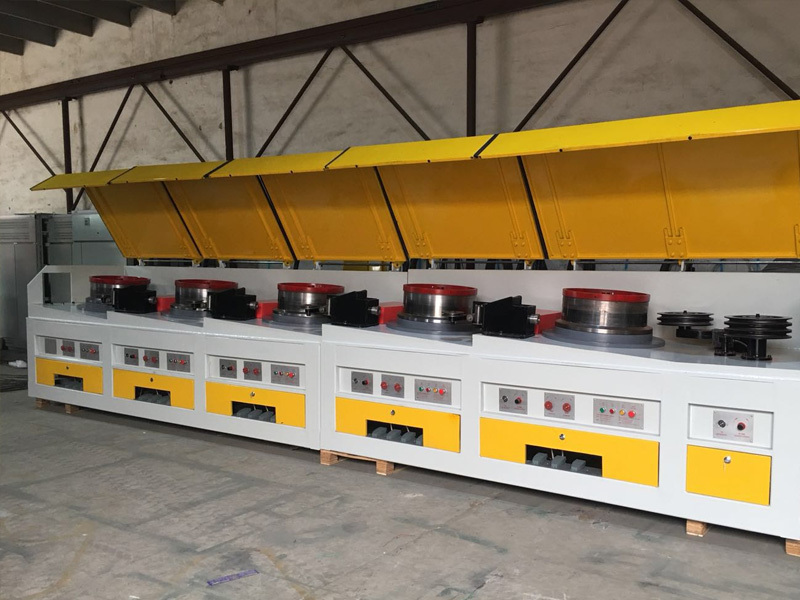
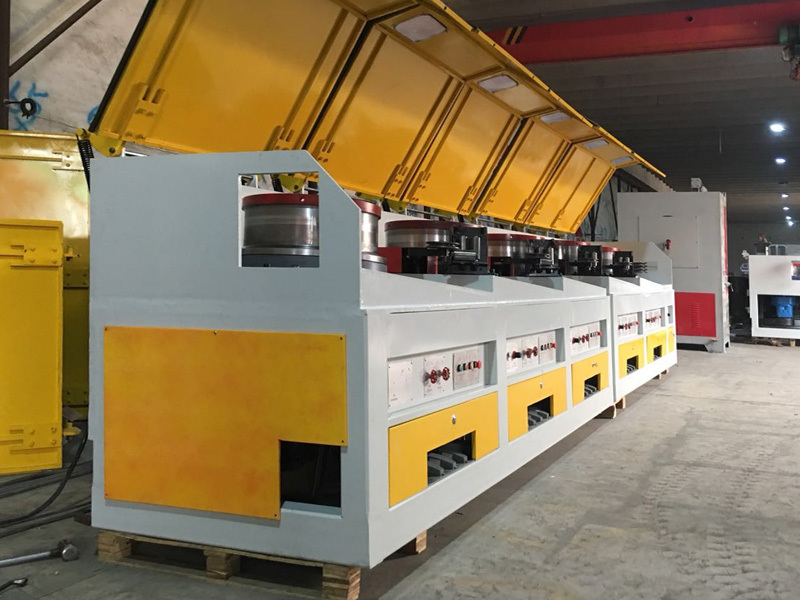
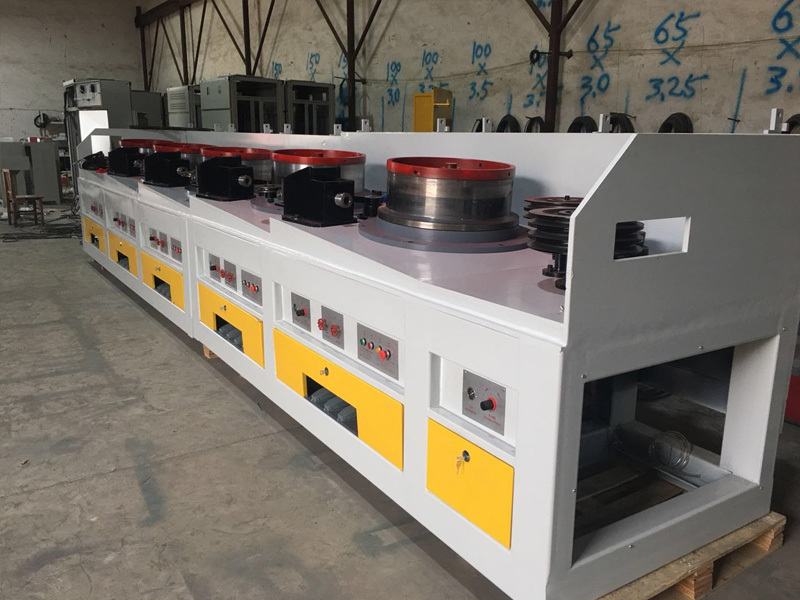
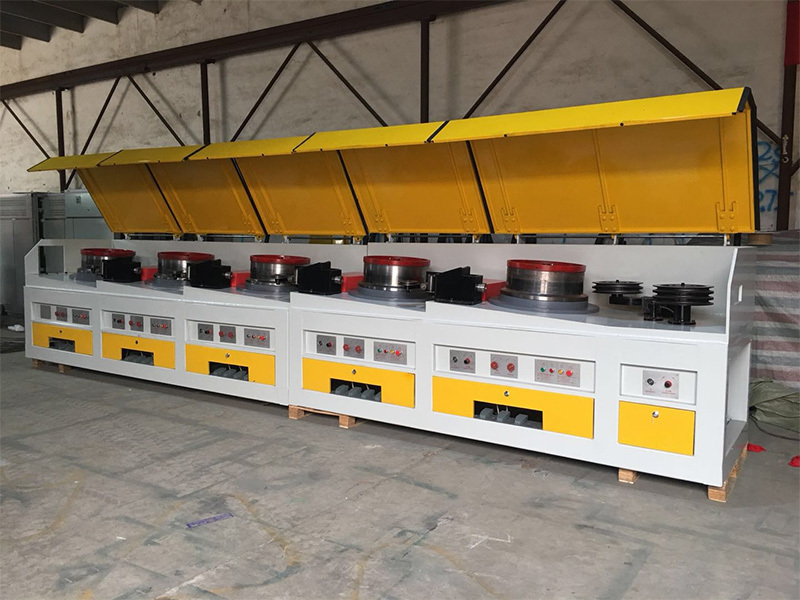
The horizontal type wire drawing machine is a specialized equipment used in the wire drawing process. It consists of a series of dies arranged horizontally, through which the wire is pulled. This design offers several advantages, including increased productivity, reduced operator fatigue, and improved wire quality.
3. Benefits of Using a Horizontal Type Wire Drawing Machine
Using a horizontal type wire drawing machine offers numerous benefits. Firstly, it allows for continuous and high-speed wire drawing operations, resulting in increased production efficiency. Additionally, the horizontal layout of the machine ensures uniform wire tension, minimizing the risk of wire breakage. The machine also provides flexibility in terms of wire size and material compatibility.
4. Step-by-Step Guide to Wire Drawing with the Horizontal Type Machine
To master wire drawing with the horizontal type machine, follow these steps:
1. Prepare the wire by cleaning and lubricating it.
2. Set up the machine and adjust the die size according to the desired wire diameter.
3. Feed the wire into the machine and ensure proper alignment.
4. Start the machine and gradually increase the drawing speed.
5. Monitor the wire tension and adjust as necessary.
6. Repeat the process for multiple passes until the desired wire diameter is achieved.
7. Inspect the drawn wire for quality and make any necessary adjustments.
5. Tips and Techniques for Mastering Wire Drawing
- Use high-quality wire materials to ensure optimal results.
- Maintain consistent wire tension throughout the drawing process.
- Regularly clean and lubricate the machine to prevent friction and wear.
- Experiment with different die sizes and shapes to achieve desired wire characteristics.
- Seek guidance from experienced wire drawing professionals to enhance your skills.
6. Maintenance and Safety Tips for the Horizontal Type Wire Drawing Machine
Proper maintenance and safety precautions are crucial when operating a horizontal type wire drawing machine. Regularly inspect the machine for any signs of wear or damage and promptly address any issues. Ensure that all safety guards are in place and follow the manufacturer's guidelines for safe operation. Additionally, provide adequate training to operators to minimize the risk of accidents.
7. Applications of Wire Drawing in Various Industries
Wire drawing finds applications in a wide range of industries, including automotive, construction, and electrical. In the automotive industry, it is used to produce wires for components such as springs and cables. In the construction sector, wire drawing is utilized to manufacture reinforcement wires for concrete structures. The electrical industry relies on wire drawing to produce high-quality electrical conductors.
8. Frequently Asked Questions (FAQs)
Q1. What is the maximum wire diameter that can be achieved using a horizontal type wire drawing machine?
Q2. Can different types of wire materials be used with the horizontal type machine?
Q3. What are the key parameters to monitor during the wire drawing process?
Q4. Is it necessary to anneal the wire before the drawing process?
Q5. How often should the machine be serviced?
9. Conclusion
Mastering the art of wire drawing with the horizontal type wire drawing machine requires a combination of knowledge, skill, and practice. By understanding the principles of wire drawing and following the step-by-step guide provided in this article, you can enhance your proficiency in this craft. Remember to prioritize safety and maintenance to ensure optimal machine performance. With dedication and continuous learning, you can become an expert wire drawer and create exceptional wire products across various industries.
Key words:


☎️Phone
* Please Enter Keywords
The company specializes in the development and manufacture of a complete set of welding wire production lines and a complete set of metal wire drawing machines 📮 info@cnwiremachine.com