
 Esperanto
 Shqiptare
 Euskara
 Zulu
Zulu
 Latinus
 Cymraeg
 தமிழ்
தமிழ்
 Slovak
 Slovak
 Afrikaans
News Hotspot
Contact Info
Hotline: +86-18831168296
E-mail: Info@cnwiremachine.com
Add: Gaoqian West Street, Sijiazhuang Town, Luquan District, Shijiazhuang City, Hebei Province
Introduction to Horizontal Type Wire Drawing Machine
Release Time:
Oct 14,2023
Horizontal Type Wire Drawing Machine: Unveiling the Basics of Metal Drawing Machinery The metal processing machinery industry relies heavily on various specialized equipment, and one essential machine in this field is the Horizontal Type Wire Drawing Machine. This article aims to shed light on the fundamental aspects of this machine, providing professionals with valuable knowledge about its functi
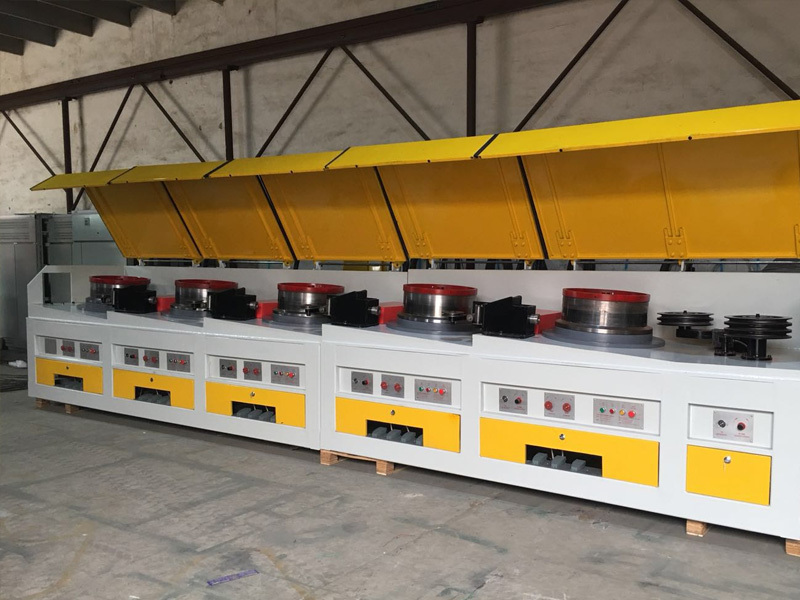
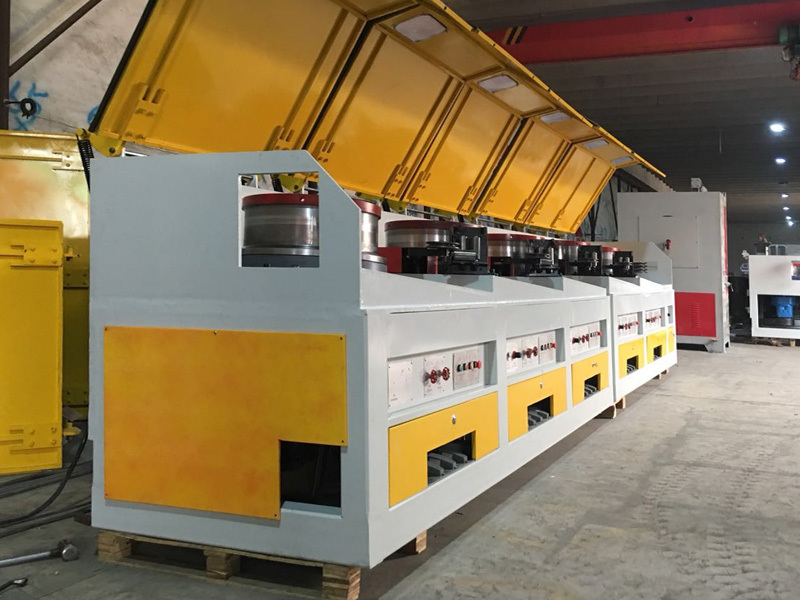
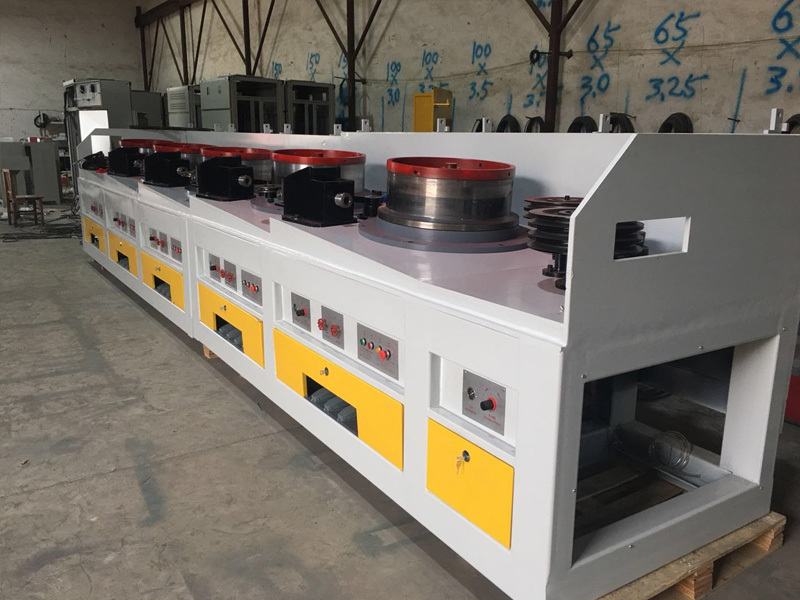
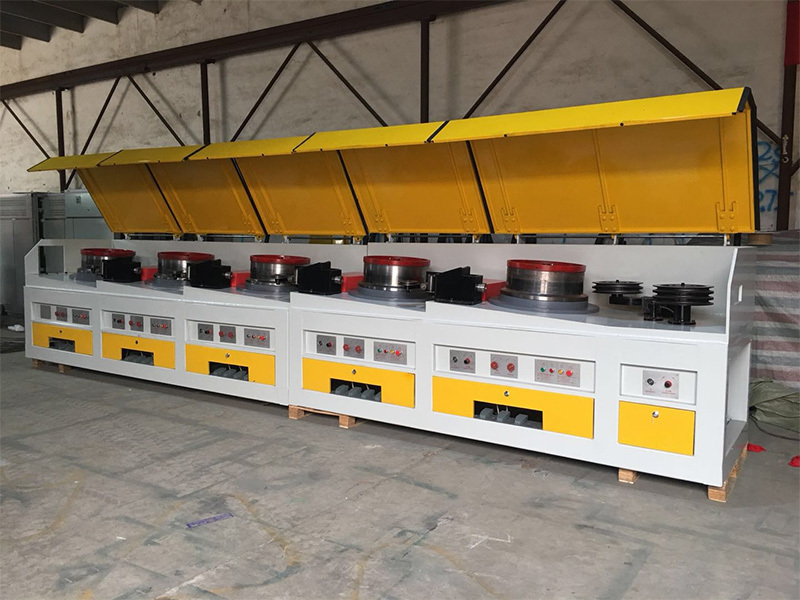
The metal processing machinery industry relies heavily on various specialized equipment, and one essential machine in this field is the Horizontal Type Wire Drawing Machine. This article aims to shed light on the fundamental aspects of this machine, providing professionals with valuable knowledge about its functions and applications.
What is a Horizontal Type Wire Drawing Machine?
A Horizontal Type Wire Drawing Machine is a mechanical device used to reduce the diameter of wire by pulling it through a series of dies. It operates on the principle of plastic deformation, where the wire is subjected to tension and compression forces to achieve the desired diameter. This machine is widely utilized in industries such as wire manufacturing, cable production, and metal fabrication.
Key Components and Working Principles
A typical Horizontal Type Wire Drawing Machine consists of several key components, including a wire payoff system, drawing dies, a capstan, a pulling mechanism, and a wire take-up system. The wire payoff system unwinds the wire from a spool and feeds it into the drawing zone. The drawing dies, made of hard materials like tungsten carbide, gradually reduce the wire diameter as it passes through each die.
The capstan is a rotating drum that provides the necessary pulling force to draw the wire through the dies. It controls the wire tension and ensures a smooth drawing process. The pulling mechanism, usually powered by an electric motor, moves the wire forward by gripping it firmly and synchronizing with the capstan's rotation. Finally, the wire take-up system receives the drawn wire, winds it onto a spool, and prepares it for further processing or use.
Applications of Horizontal Type Wire Drawing Machine
The Horizontal Type Wire Drawing Machine finds extensive applications across various industries involved in wire and cable production. It is commonly used to manufacture wires of different materials, including steel, copper, aluminum, and alloys. These wires are widely employed in construction, electrical wiring, automotive components, and various other sectors.
Additionally, the Horizontal Type Wire Drawing Machine plays a crucial role in producing fine wires used in telecommunications, electronics, and precision instruments. The machine's ability to achieve precise diameter control allows for the creation of high-quality wires with specific mechanical properties and surface finishes.
In conclusion, the Horizontal Type Wire Drawing Machine is an indispensable tool in the metal processing machinery industry. Its ability to reduce wire diameter while maintaining mechanical properties makes it a vital component in wire and cable production. By understanding its functions and applications, professionals in the field can utilize this versatile machine effectively, ensuring efficient and precise wire drawing operations.
Key words:


☎️Phone
* Please Enter Keywords
The company specializes in the development and manufacture of a complete set of welding wire production lines and a complete set of metal wire drawing machines 📮 info@cnwiremachine.com