
 Esperanto
 Shqiptare
 Euskara
 Zulu
Zulu
 Latinus
 Cymraeg
 தமிழ்
தமிழ்
 Slovak
 Slovak
 Afrikaans
News Hotspot
Contact Info
Hotline: +86-18831168296
E-mail: Info@cnwiremachine.com
Add: Gaoqian West Street, Sijiazhuang Town, Luquan District, Shijiazhuang City, Hebei Province
The Ultimate Guide to Wire Drawing Making Machines: Everything You Need to Know About Wire Drawing Process
Release Time:
Oct 18,2023
Table of Contents 1. Understanding Wire Drawing Process 2. Types of Wire Drawing Machines 3. Choosing the Right Wire Drawing Machine 4. Applications of Wire Drawing Machines 5. Benefits and Challenges of Wire Drawing 6. Advancements in Wire Drawing Technology 7. Frequently Asked Questions (FAQs) 8. Conclusion 1. Understanding Wire Drawing Process Wire drawing is a metalworking process that involve
1. Understanding Wire Drawing Process
2. Types of Wire Drawing Machines
3. Choosing the Right Wire Drawing Machine
4. Applications of Wire Drawing Machines
5. Benefits and Challenges of Wire Drawing
6. Advancements in Wire Drawing Technology
7. Frequently Asked Questions (FAQs)
8. Conclusion
1. Understanding Wire Drawing Process
Wire drawing is a metalworking process that involves reducing the cross-section of a wire by pulling it through a die or a series of dies. This process is commonly used to produce wires of various diameters with precise tolerances. The wire drawing machine plays a crucial role in this process, ensuring smooth and efficient wire production.
1.1 How Wire Drawing Machines Work
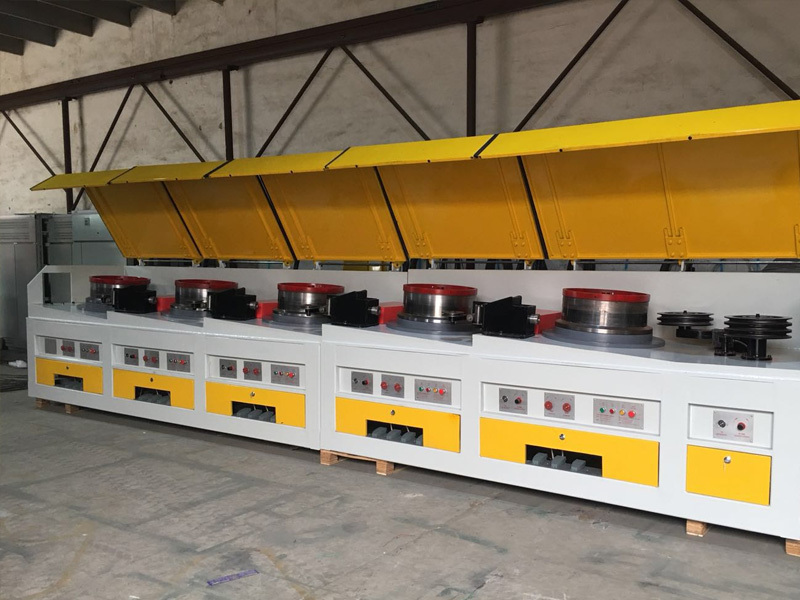
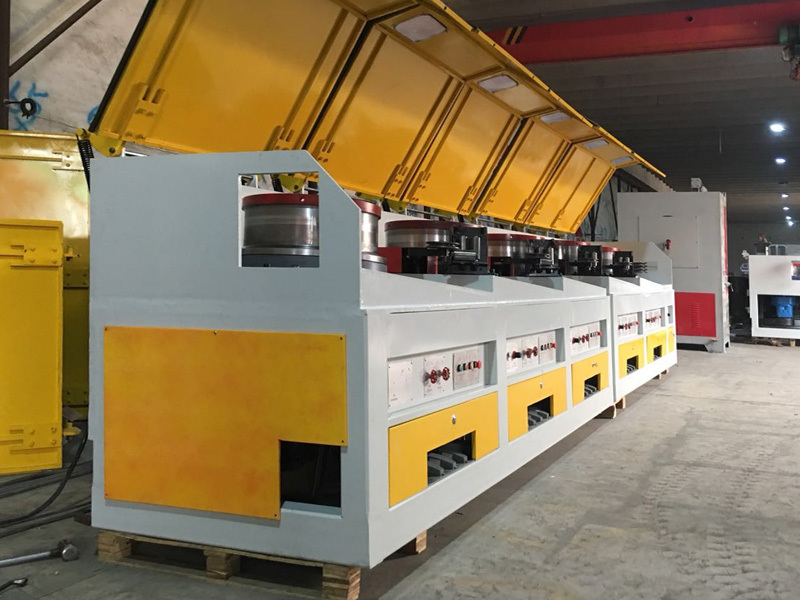
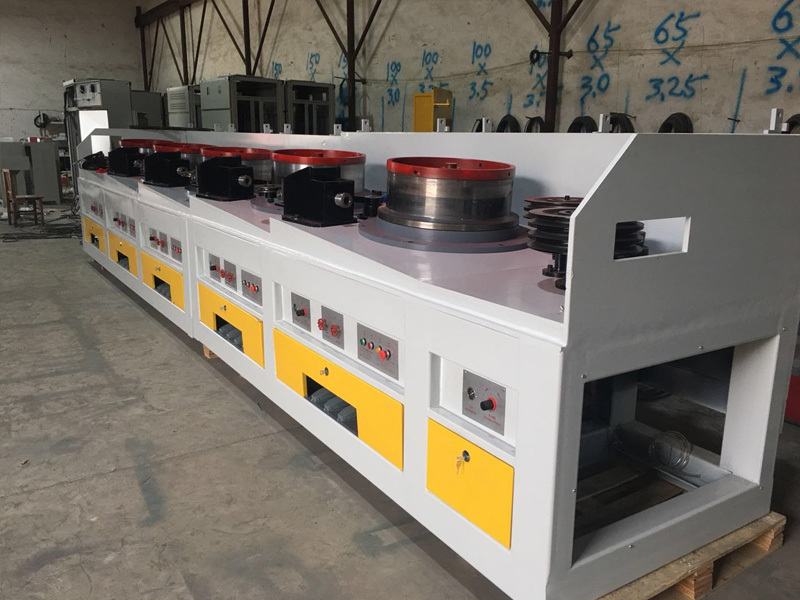
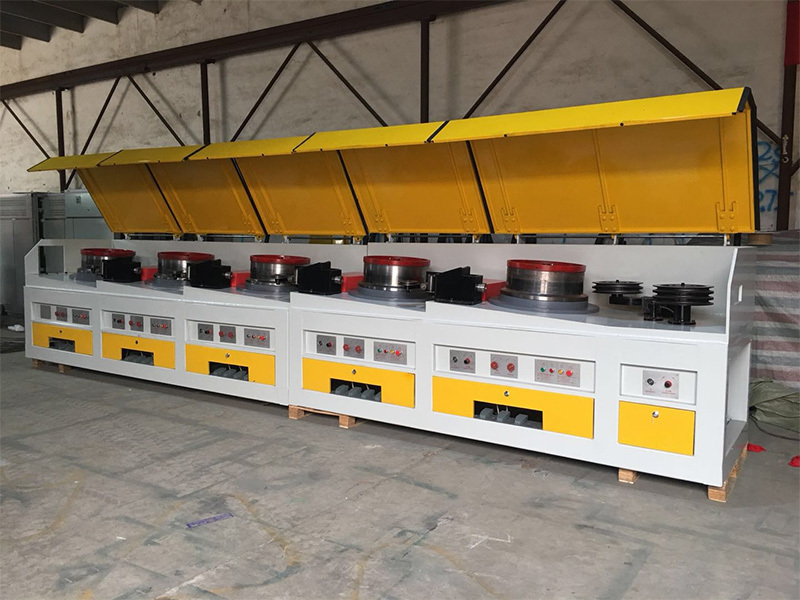
Wire drawing machines operate on the principle of cold working, where the wire is subjected to compressive forces as it passes through the die. The machine consists of a capstan, a wire inlet, drawing dies, and various other components to control the speed and tension of the wire. As the wire passes through the die, its diameter reduces, resulting in a longer and thinner wire.
1.2 Wire Drawing Process Steps
The wire drawing process involves several steps: wire cleaning, lubrication, and drawing. First, the wire is cleaned to remove any dirt, rust, or scale that may affect the drawing process. Lubrication is applied to reduce friction and increase the lifespan of the drawing dies. The wire is then pulled through a series of dies, with each die reducing the wire diameter until the desired size is achieved.
2. Types of Wire Drawing Machines
There are various types of wire drawing machines available, each designed for specific applications and wire sizes. Some common types include:
- Single-block wire drawing machines
- Double-block wire drawing machines
- Bull block wire drawing machines
- Continuous wire drawing machines
- Multi-wire drawing machines
2.1 Single-Block Wire Drawing Machines
Single-block wire drawing machines are commonly used for small-scale wire production. They consist of a single drawing die and capstan, and are suitable for drawing wires with a single reduction process.
2.2 Double-Block Wire Drawing Machines
Double-block wire drawing machines have two drawing dies and capstans, allowing for a two-step reduction process. These machines are ideal for achieving higher reductions and producing wires with even finer diameters.
2.3 Bull Block Wire Drawing Machines
Bull block wire drawing machines are used for larger wire sizes and heavy-duty applications. They feature a larger capstan and drawing dies, capable of handling thicker wires with ease.
2.4 Continuous Wire Drawing Machines
Continuous wire drawing machines are designed for high-volume wire production. They have multiple drawing dies arranged in series, enabling continuous and uninterrupted wire drawing.
2.5 Multi-Wire Drawing Machines
Multi-wire drawing machines are used when multiple wires need to be drawn simultaneously. These machines are commonly used in cable manufacturing, where multiple wires are required for insulation and conductivity.
3. Choosing the Right Wire Drawing Machine
When selecting a wire drawing machine, several factors need to be considered, such as wire diameter, material, production volume, and desired quality. It's essential to choose a machine that meets your specific requirements to ensure efficient and cost-effective wire production.
3.1 Wire Diameter and Material
Different wire drawing machines are designed to handle specific wire diameters and materials. It's crucial to match the machine's capabilities with the desired wire size and material properties to achieve optimal results.
3.2 Production Volume
The production volume plays a significant role in machine selection. For low-volume production, a single-block or double-block machine may be suitable. However, for high-volume production, a continuous or multi-wire machine would be more efficient.
3.3 Quality Requirements
Consider the desired quality of the wire, including surface finish, diameter tolerance, and mechanical properties. Higher quality requirements may necessitate machines with advanced features, such as automatic tension control and precision die designs.
4. Applications of Wire Drawing Machines
Wire drawing machines have extensive applications across various industries. Some common applications include:
- Automotive industry: Wire drawing machines are used to produce wires for springs, cables, and electrical components.
- Construction industry: Wires produced by wire drawing machines are used for reinforcement, fencing, and structural purposes.
- Electrical industry: Wire drawing machines play a vital role in the production of electrical wires and cables.
- Jewelry industry: Fine wires for jewelry making are produced using wire drawing machines.
- Medical industry: Wires used for medical devices, such as catheters and stents, are manufactured using wire drawing machines.
5. Benefits and Challenges of Wire Drawing
Wire drawing offers several benefits, including:
- Customization: Wire drawing allows for precise control over wire diameter, enabling customization for specific applications.
- Improved strength: The cold working process during wire drawing increases the strength and hardness of the wire.
- Cost-effective: Wire drawing can help reduce material waste and lower production costs.
However, wire drawing also presents certain challenges, such as:
- Surface defects: Improper lubrication or die wear can lead to surface defects on the wire.
- Wire breakage: Inadequate control of tension and speed can result in wire breakage during the drawing process.
- Tool wear: Drawing dies may wear over time and require regular maintenance or replacement.
6. Advancements in Wire Drawing Technology
Wire drawing technology has evolved significantly over the years, leading to improved efficiency, accuracy, and productivity. Some notable advancements include:
- Computer-controlled machines: Modern wire drawing machines come with computerized controls, allowing for precise settings and automation.
- Laser gauging systems: Laser-based measurement systems ensure accurate wire diameter control and minimize variations.
- Automatic lubrication systems: Advanced lubrication systems ensure consistent and optimal lubrication during the drawing process.
- Online quality monitoring: Real-time monitoring systems detect defects and deviations, allowing for immediate corrective actions.
7. Frequently Asked Questions (FAQs)
Q1: What materials can be used for wire drawing?
Q2: How does wire lubrication affect the drawing process?
Q3: Can wire drawing machines handle different wire shapes?
Q4: What are the common wire drawing defects and how to prevent them?
Q5: Are there any safety considerations when operating wire drawing machines?
8. Conclusion
In conclusion, wire drawing making machines play a crucial role in the wire drawing process, enabling the production of wires with precise diameters and tolerances. Understanding the wire drawing process, types of machines, and their applications is essential for selecting the right machine for your specific needs. Despite the challenges, advancements in wire drawing technology continue to enhance efficiency and productivity in wire production. By harnessing the benefits of wire drawing machines and staying updated with the latest advancements, you can excel in wire drawing and meet the demands of various industries.
Key words:


☎️Phone
* Please Enter Keywords
The company specializes in the development and manufacture of a complete set of welding wire production lines and a complete set of metal wire drawing machines 📮 info@cnwiremachine.com