
 Esperanto
 Shqiptare
 Euskara
 Zulu
Zulu
 Latinus
 Cymraeg
 தமிழ்
தமிழ்
 Slovak
 Slovak
 Afrikaans
News Hotspot
Contact Info
Hotline: +86-18831168296
E-mail: Info@cnwiremachine.com
Add: Gaoqian West Street, Sijiazhuang Town, Luquan District, Shijiazhuang City, Hebei Province
5 Tips for Customizing Your Wire Drawing Making Machine: Enhance Productivity and Efficiency
Release Time:
Oct 20,2023
Table of Contents: 1. Introduction 2. Tip 1: Choose the Right Wire Drawing Machine for Your Needs 3. Tip 2: Optimize Machine Settings for Improved Performance 4. Tip 3: Regular Maintenance and Calibration 5. Tip 4: Customize Die and Tooling Selection 6. Tip 5: Implement Automation and Digitalization 7. FAQs (Frequently Asked Questions) 8. Conclusion 1. Introduction Customizing your wire drawing ma
1. Introduction
2. Tip 1: Choose the Right Wire Drawing Machine for Your Needs
3. Tip 2: Optimize Machine Settings for Improved Performance
4. Tip 3: Regular Maintenance and Calibration
5. Tip 4: Customize Die and Tooling Selection
6. Tip 5: Implement Automation and Digitalization
7. FAQs (Frequently Asked Questions)
8. Conclusion
1. Introduction
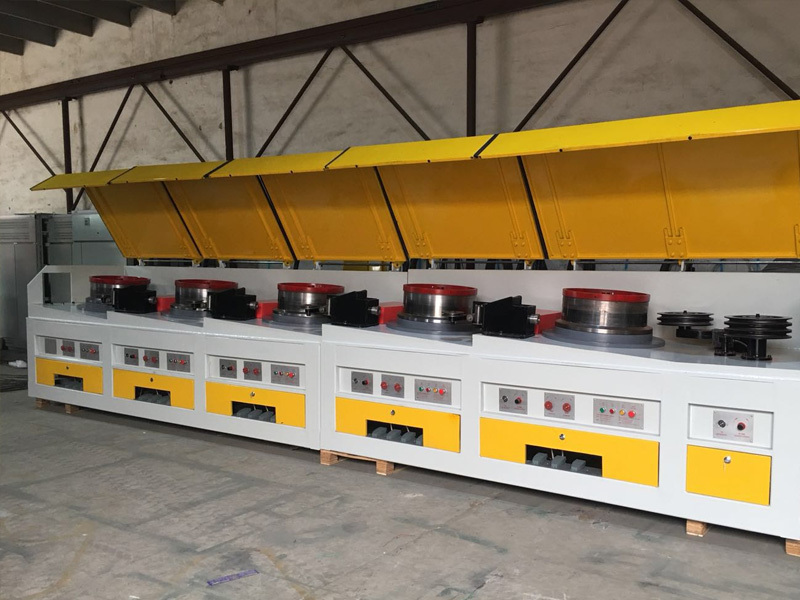
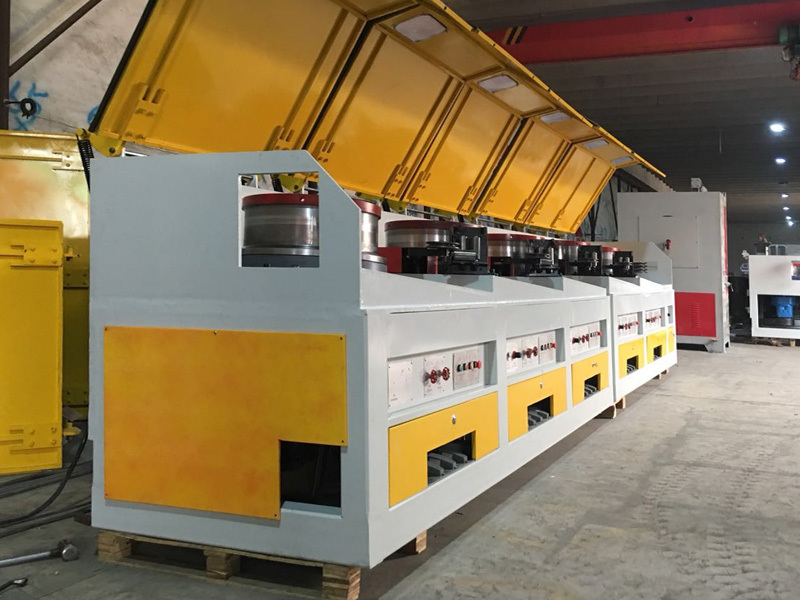
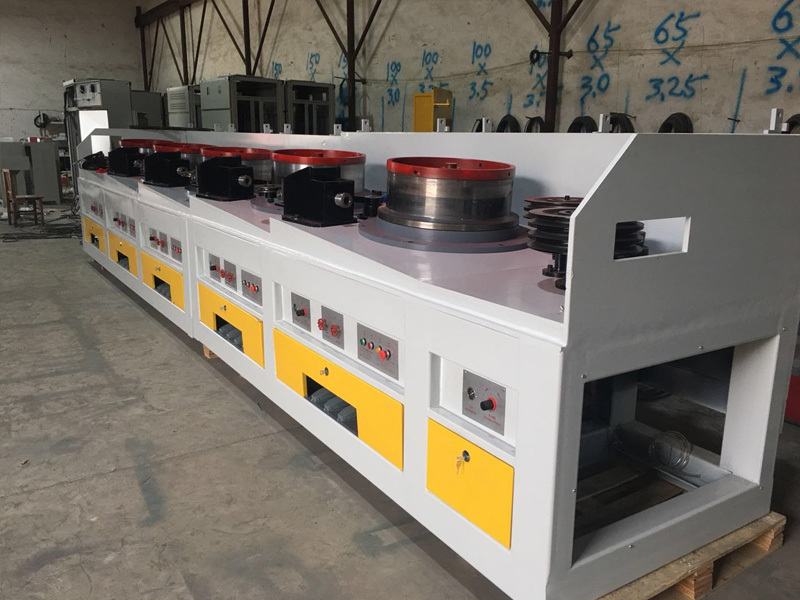
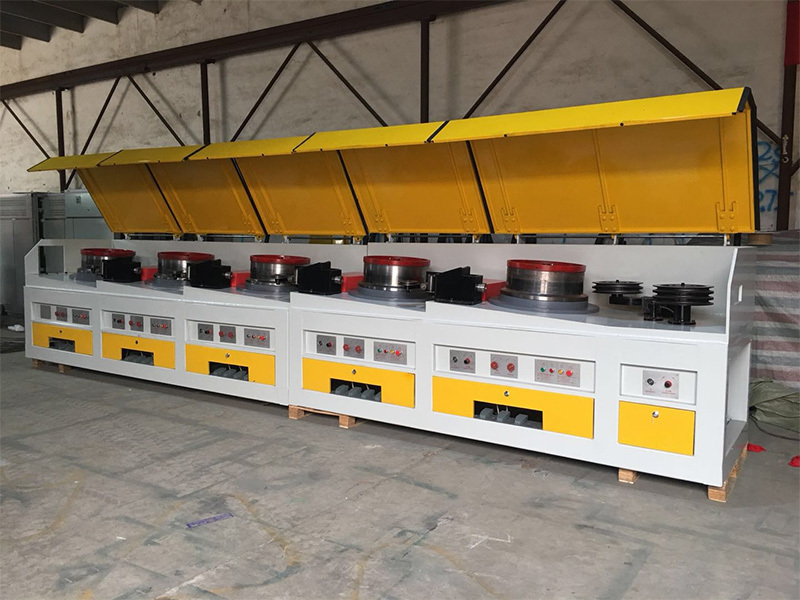
Customizing your wire drawing making machine can significantly impact the productivity and efficiency of your wire drawing process. By tailoring the machine to your specific requirements, you can optimize its performance, reduce downtime, and achieve superior results. In this article, we will explore five essential tips to help you customize your wire drawing machine effectively.
2. Tip 1: Choose the Right Wire Drawing Machine for Your Needs
Selecting the appropriate wire drawing machine is crucial to ensure optimal customization. Consider factors such as wire diameter, material type, and desired output to determine the machine's capacity and capabilities. Choose a machine with the necessary features and specifications that align with your production requirements.
3. Tip 2: Optimize Machine Settings for Improved Performance
Fine-tuning the machine settings can significantly enhance its performance. Adjust parameters such as drawing speed, reduction ratio, and cooling system to achieve the desired wire quality and production output. Regularly monitor and evaluate the settings to ensure they are optimized for maximum efficiency.
4. Tip 3: Regular Maintenance and Calibration
Regular maintenance and calibration of your wire drawing making machine are essential for its long-term performance and reliability. Schedule routine inspections, lubrication, and cleaning to prevent wear and tear. Additionally, calibrate the machine periodically to maintain consistent and accurate wire dimensions.
5. Tip 4: Customize Die and Tooling Selection
The selection of appropriate dies and tooling is critical in achieving desired wire properties and dimensions. Customize die angles, shapes, and materials to optimize the wire drawing process. Consider factors such as wire material hardness, lubrication requirements, and desired surface finish when choosing the die and tooling.
6. Tip 5: Implement Automation and Digitalization
Automation and digitalization technologies can revolutionize your wire drawing process. Explore possibilities such as automated wire feeding, tension control systems, and real-time monitoring. Implementing these technologies can enhance productivity, reduce human error, and provide valuable data for process optimization.
7. FAQs (Frequently Asked Questions)
Q1: How can I determine the right wire drawing machine for my specific needs?
Q2: What are the essential machine settings that can be optimized?
Q3: How often should I perform maintenance and calibration on my wire drawing machine?
Q4: What factors should I consider when selecting dies and tooling?
Q5: How can automation and digitalization benefit my wire drawing process?
8. Conclusion
Customizing your wire drawing making machine is a key factor in achieving optimal productivity and efficiency. By following the five essential tips outlined in this article, you can tailor your machine to meet your specific requirements, enhance performance, and maximize output. Remember to choose the right machine, optimize settings, prioritize maintenance, customize die and tooling, and explore automation and digitalization options. Implementing these tips will empower you to achieve superior results in your wire drawing process.
Key words:


☎️Phone
* Please Enter Keywords
The company specializes in the development and manufacture of a complete set of welding wire production lines and a complete set of metal wire drawing machines 📮 info@cnwiremachine.com