
 Esperanto
 Shqiptare
 Euskara
 Zulu
Zulu
 Latinus
 Cymraeg
 தமிழ்
தமிழ்
 Slovak
 Slovak
 Afrikaans
News Hotspot
Contact Info
Hotline: +86-18831168296
E-mail: Info@cnwiremachine.com
Add: Gaoqian West Street, Sijiazhuang Town, Luquan District, Shijiazhuang City, Hebei Province
How to Customize Your Horizontal Wire Drawing Machine for Optimal Performance
Release Time:
Nov 07,2023
Table of Contents: 1. Introduction: Understanding the Importance of Customization for Wire Drawing Machines 2. Assessing Your Wire Drawing Machine's Requirements 3. Customizing the Wire Drawing Die 4. Adjusting the Wire Drawing Speed 5. Controlling the Wire Tension 6. Optimizing Lubrication and Cooling Systems 7. Enhancing Wire Straightness 8. Upgrading Wire Drawing Machine Control Systems 9. FAQs
1. Introduction: Understanding the Importance of Customization for Wire Drawing Machines
2. Assessing Your Wire Drawing Machine's Requirements
3. Customizing the Wire Drawing Die
4. Adjusting the Wire Drawing Speed
5. Controlling the Wire Tension
6. Optimizing Lubrication and Cooling Systems
7. Enhancing Wire Straightness
8. Upgrading Wire Drawing Machine Control Systems
9. FAQs (Frequently Asked Questions)
10. Conclusion
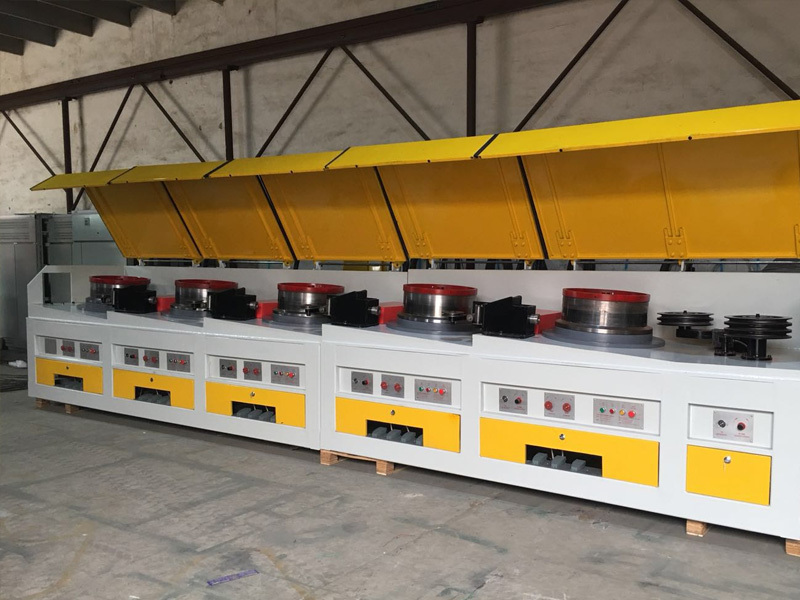
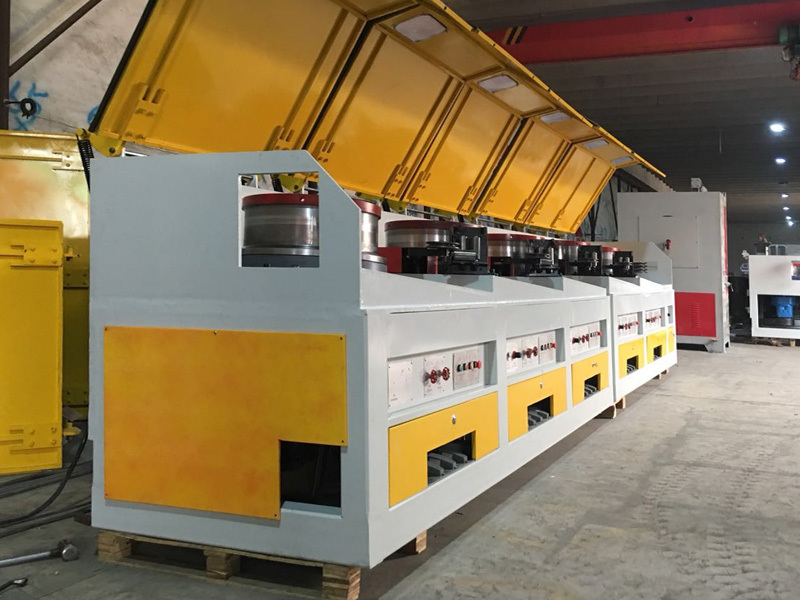
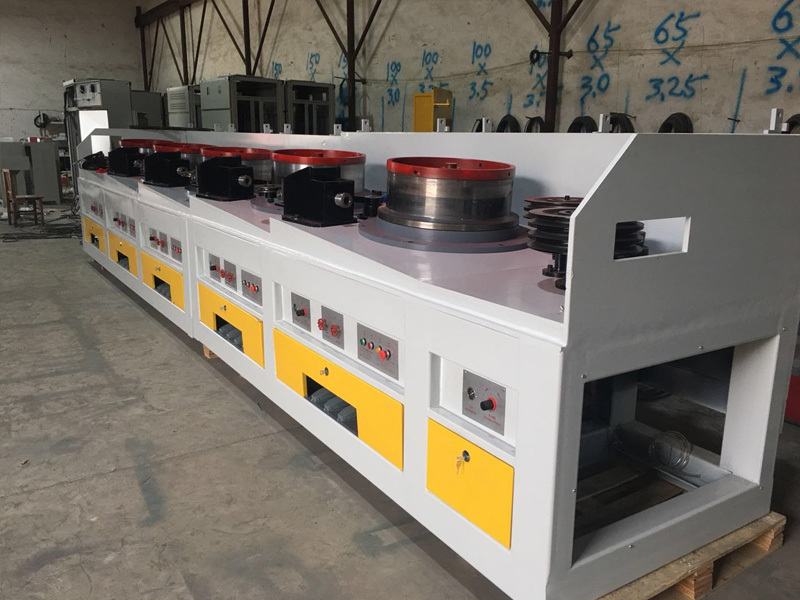
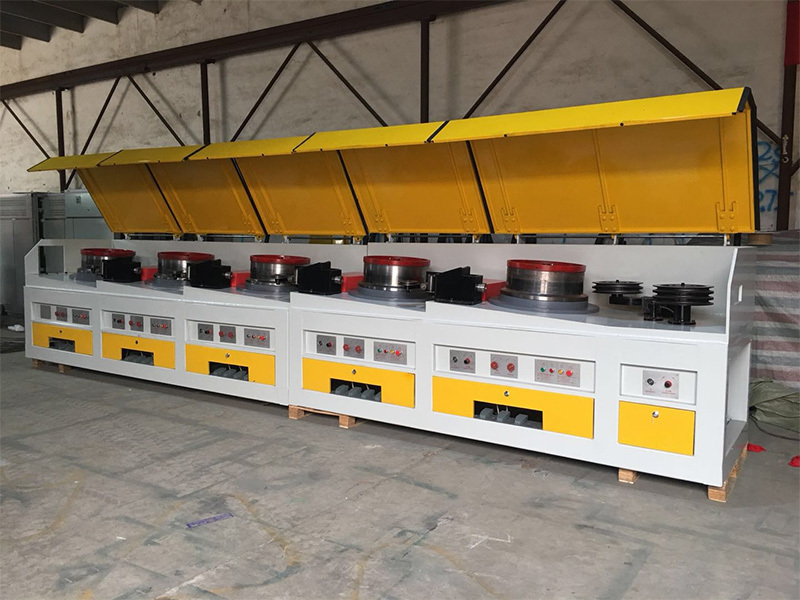
Customizing your horizontal wire drawing machine can significantly impact its performance and overall efficiency. By tailoring its features and settings to meet your specific requirements, you can achieve optimal results in terms of wire quality, production speed, and energy consumption. This article will guide you through various customization options, helping you make the most out of your wire drawing machine.
Before diving into customization, it is crucial to assess your wire drawing machine's specific requirements. Consider factors such as wire diameter, material type, desired output capacity, and quality standards. By understanding these requirements, you can effectively customize your machine to meet your production goals.
The wire drawing die plays a crucial role in determining the final wire diameter and surface finish. By selecting the appropriate die size and shape, you can achieve the desired wire dimensions. Additionally, optimizing the die's polishing and coating techniques can further enhance the wire surface quality.
The wire drawing speed directly affects the production capacity and wire quality. Adjusting the drawing speed according to the material type and diameter can prevent wire breakage and surface defects. It is essential to find the balance between high-speed production and maintaining wire integrity.
Wire tension influences both the wire quality and machine performance. Adjusting the tension levels based on wire diameter and material properties can prevent wire slippage, reduce surface defects, and ensure consistent wire feed. Proper tension control also minimizes wire elongation and breakage during the drawing process.
Efficient lubrication and cooling systems are vital for wire drawing machines. Proper lubrication reduces friction, heat, and wear, resulting in improved wire quality and extended die life. Customizing the lubrication system based on the wire material and drawing conditions is essential to achieve optimal performance.
Wire straightness is crucial for downstream processes and end-product quality. Customizing the wire straightening mechanism and implementing proper guiding systems can minimize wire deviations and improve the overall wire straightness. This ensures seamless integration with subsequent manufacturing operations.
Upgrading the control systems of your wire drawing machine can unlock significant performance improvements. Advanced control technologies, such as PLC (Programmable Logic Controller) systems, allow for precise wire tension and speed control. These upgrades enable better synchronization with downstream processes, resulting in enhanced overall performance.
Q1: How often should I replace the wire drawing die?
A1: The frequency of die replacement depends on factors such as wire material, production volume, and die maintenance. Regular inspection and replacement based on wear and tear indicators are essential to ensure optimal wire quality.
Q2: What lubrication method should I use for my wire drawing machine?
A2: The lubrication method depends on the wire material and drawing conditions. Common methods include flood lubrication, spray lubrication, and dry lubrication. Consult with lubrication experts or machine manufacturers to determine the best method for your specific application.
Q3: Can I customize my wire drawing machine to handle different wire materials?
A3: Yes, horizontal wire drawing machines can be customized to accommodate various wire materials. However, it is crucial to consider factors such as die material compatibility, lubrication requirements, and cooling capabilities when working with different materials.
Q4: How can I optimize energy consumption in my wire drawing machine?
A4: Energy optimization can be achieved by implementing efficient motor drives, minimizing idle times, and optimizing lubrication and cooling systems. Regular maintenance and monitoring of energy consumption are also essential for identifying potential areas of improvement.
Q5: Are there any safety considerations when customizing a wire drawing machine?
A5: Yes, safety should always be a priority when customizing machinery. Ensure compliance with safety standards, provide proper training to operators, and conduct regular inspections to identify and address potential safety hazards.
Customizing your horizontal wire drawing machine is essential for achieving optimal performance and maximizing productivity. By assessing your machine's requirements and customizing various aspects such as die, speed, tension, lubrication, cooling, straightness, and control systems, you can fine-tune its operation to meet your specific needs. Remember to prioritize safety and regularly monitor the machine's performance to ensure continuous improvement. With a customized wire drawing machine, you can enhance product quality, increase production efficiency, and stay competitive in the manufacturing industry.
Key words:


☎️Phone
* Please Enter Keywords
The company specializes in the development and manufacture of a complete set of welding wire production lines and a complete set of metal wire drawing machines 📮 info@cnwiremachine.com