
 Esperanto
 Shqiptare
 Euskara
 Zulu
Zulu
 Latinus
 Cymraeg
 தமிழ்
தமிழ்
 Slovak
 Slovak
 Afrikaans
News Hotspot
Contact Info
Hotline: +86-18831168296
E-mail: Info@cnwiremachine.com
Add: Gaoqian West Street, Sijiazhuang Town, Luquan District, Shijiazhuang City, Hebei Province
The Ultimate Guide to Finding the Best Horizontal Wire Drawing Machine Price
Release Time:
Nov 08,2023
Table of Contents: 1. Introduction 2. Understanding Horizontal Wire Drawing Machines 3. Factors to Consider When Choosing a Horizontal Wire Drawing Machine 3.1 Wire Diameter and Material Compatibility 3.2 Drawing Speed and Production Capacity 3.3 Machine Durability and Reliability 3.4 Ease of Operation and Maintenance 3.5 Cost and Return on Investment 4. Researching Wire Drawing Mac
1. Introduction
2. Understanding Horizontal Wire Drawing Machines
3. Factors to Consider When Choosing a Horizontal Wire Drawing Machine
3.1 Wire Diameter and Material Compatibility
3.2 Drawing Speed and Production Capacity
3.3 Machine Durability and Reliability
3.4 Ease of Operation and Maintenance
3.5 Cost and Return on Investment
4. Researching Wire Drawing Machine Suppliers
4.1 Online Directories and Marketplaces
4.2 Industry Trade Shows and Exhibitions
4.3 Professional Networks and Associations
5. Comparing Horizontal Wire Drawing Machine Prices
5.1 Evaluating Price vs. Features and Quality
5.2 Requesting Multiple Quotes and Negotiating
5.3 Considering Additional Costs and After-Sales Support
6. Frequently Asked Questions (FAQs)
6.1 What is the difference between a horizontal and vertical wire drawing machine?
6.2 How can I determine the wire drawing capacity of a machine?
6.3 What are the common wire materials used in wire drawing?
6.4 How often should a horizontal wire drawing machine be serviced?
6.5 Is it possible to upgrade a wire drawing machine in the future?
7. Conclusion
1. Introduction
As the demand for high-quality wires continues to grow in various industries, the need for efficient wire drawing machines becomes paramount. Horizontal wire drawing machines are widely used for their versatility, precision, and productivity. However, finding the best machine at the right price can be a daunting task. In this guide, we will provide you with valuable insights and tips to simplify your search and ensure you make an informed decision.
2. Understanding Horizontal Wire Drawing Machines
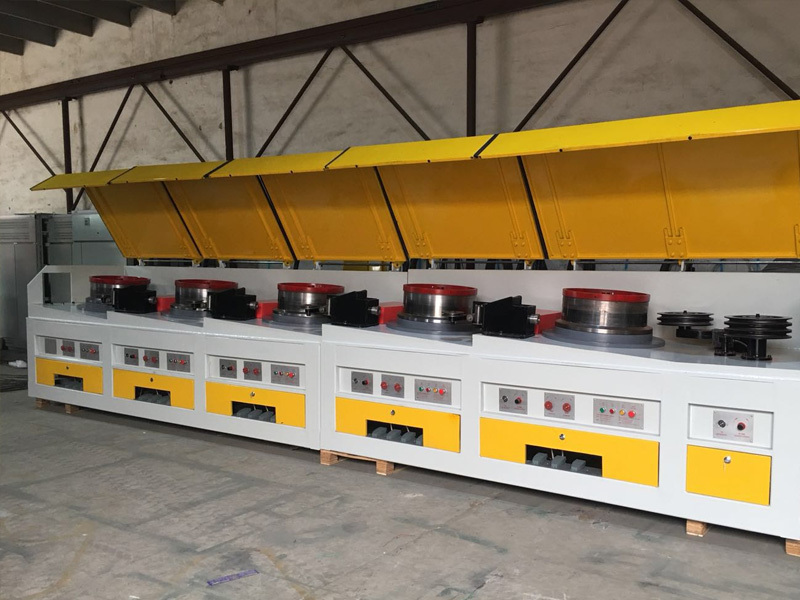
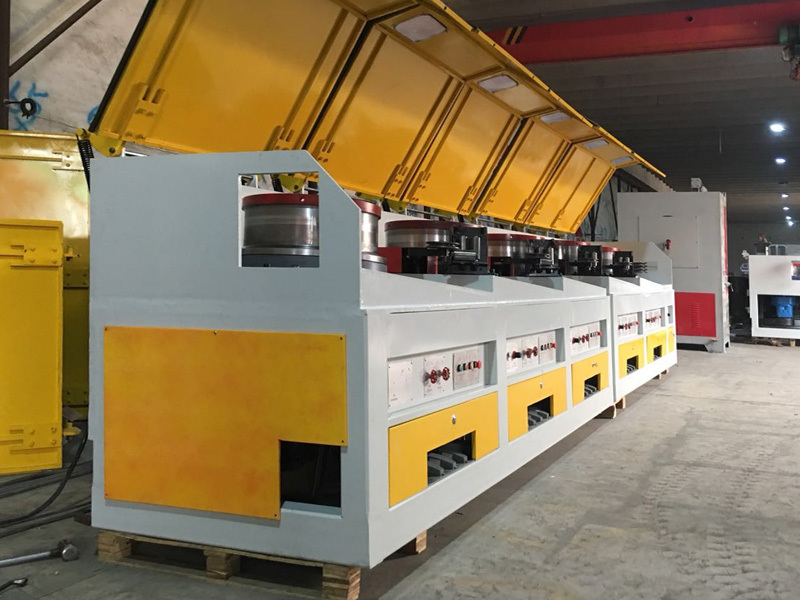
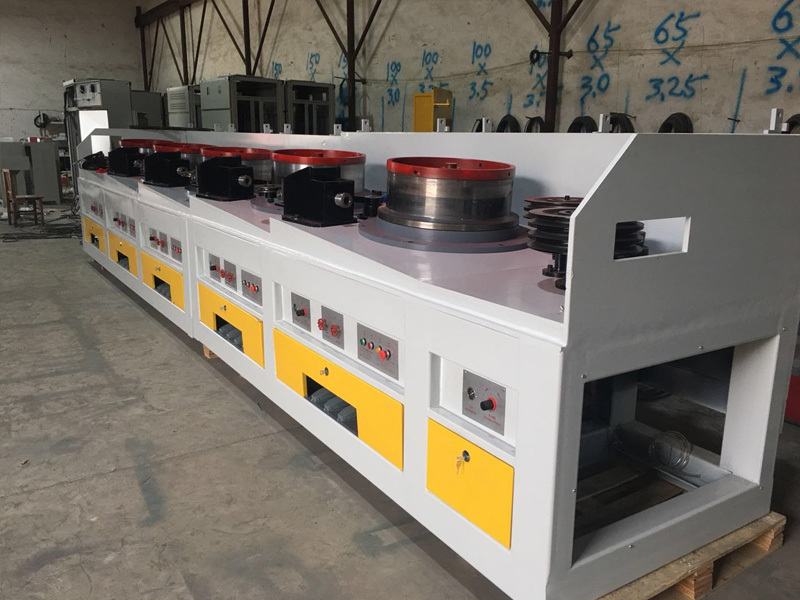
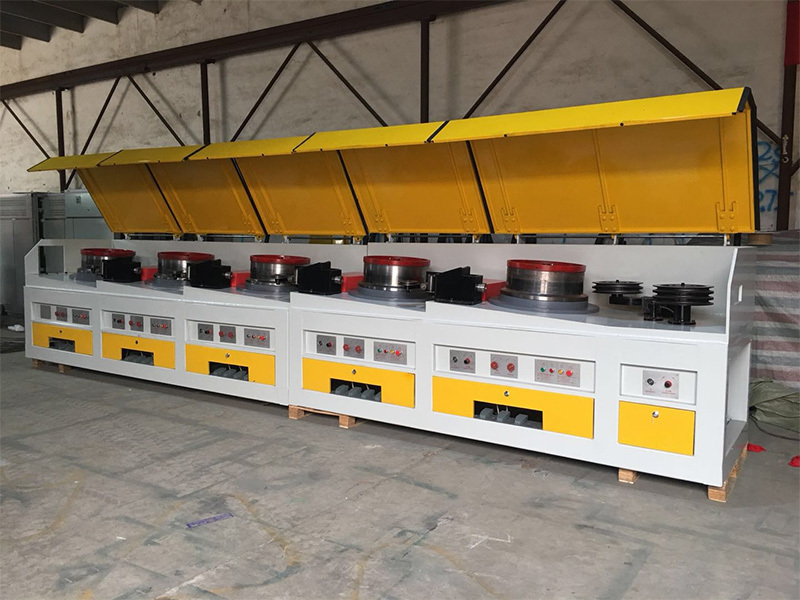
Horizontal wire drawing machines are designed to reduce the diameter of wire while maintaining the desired mechanical properties. They consist of multiple drawing dies, through which the wire is pulled, progressively reducing its diameter. The process involves applying lubrication, tension, and cooling to ensure smooth and continuous wire drawing. These machines are capable of handling various wire materials, including steel, aluminum, copper, and more.
3. Factors to Consider When Choosing a Horizontal Wire Drawing Machine
3.1 Wire Diameter and Material Compatibility
One of the key factors to consider when choosing a horizontal wire drawing machine is its compatibility with the wire diameter and material you intend to work with. Different machines have varying capacities, and it's crucial to select one that can handle your specific requirements. Consider the range of wire diameters the machine can accommodate and ensure it supports the materials you commonly use.
3.2 Drawing Speed and Production Capacity
The drawing speed and production capacity of the machine play a vital role in determining its efficiency. Higher drawing speeds can significantly impact production output, allowing you to meet larger demands in less time. Evaluate the maximum drawing speed of the machine and ensure it aligns with your production goals.
3.3 Machine Durability and Reliability
Investing in a durable and reliable horizontal wire drawing machine is essential for long-term productivity. Look for machines made from high-quality materials and built with precision engineering. Check customer reviews and testimonials to gauge the machine's reliability and performance over time.
3.4 Ease of Operation and Maintenance
A user-friendly machine can save you valuable time and resources. Consider the ease of operation and maintenance when selecting a horizontal wire drawing machine. Look for features like intuitive controls, clear instructions, and easily accessible maintenance points. An easy-to-maintain machine can minimize downtime and ensure smooth operation.
3.5 Cost and Return on Investment
Naturally, cost is a significant consideration in any purchasing decision. However, it's important to weigh the price against the features, quality, and potential return on investment. Don't solely focus on the upfront cost; consider the long-term benefits and savings the machine can provide.
4. Researching Wire Drawing Machine Suppliers
4.1 Online Directories and Marketplaces
Online directories and marketplaces are excellent resources for finding a wide range of wire drawing machine suppliers. Platforms like Alibaba, Thomasnet, and Global Sources allow you to browse through various suppliers, compare prices, and read customer reviews. Take advantage of the search filters to narrow down your options based on specific requirements.
4.2 Industry Trade Shows and Exhibitions
Attending industry trade shows and exhibitions provides an opportunity to connect with multiple suppliers in one place. These events often feature live demonstrations, allowing you to see the machines in action and interact with industry experts. Take note of the suppliers that stand out and gather information about their products and pricing.
4.3 Professional Networks and Associations
Joining professional networks and associations within your industry can provide valuable insights and connections. Engage with fellow professionals and seek recommendations for reputable wire drawing machine suppliers. Members of these networks often have first-hand experience and can provide genuine feedback and advice.
5. Comparing Horizontal Wire Drawing Machine Prices
5.1 Evaluating Price vs. Features and Quality
When comparing prices, it's crucial to consider the features and quality of the machines on offer. A lower-priced machine may seem attractive initially, but it could lack essential features or compromise on quality. Evaluate the specifications, functionality, and reputation of the supplier to ensure you get the best value for your investment.
5.2 Requesting Multiple Quotes and Negotiating
Requesting quotes from multiple suppliers allows you to compare prices and negotiate for better deals. Be clear about your requirements and ask for detailed quotations that include all relevant costs. Engage in open communication with suppliers and discuss any potential discounts or customization options.
5.3 Considering Additional Costs and After-Sales Support
Remember to factor in additional costs such as shipping, installation, and training when evaluating the overall price. Additionally, inquire about the after-sales support provided by the supplier. A reputable supplier should offer technical assistance, spare parts availability, and maintenance services to ensure smooth machine operation.
6. Frequently Asked Questions (FAQs)
6.1 What is the difference between a horizontal and vertical wire drawing machine?
A horizontal wire drawing machine draws the wire horizontally, while a vertical wire drawing machine draws the wire vertically. The choice between the two depends on factors such as space availability, production requirements, and the type of wire being drawn.
6.2 How can I determine the wire drawing capacity of a machine?
The wire drawing capacity is determined by the maximum wire diameter the machine can effectively handle. Refer to the machine's specifications or consult the supplier for accurate information.
6.3 What are the common wire materials used in wire drawing?
Common wire materials used in wire drawing include steel, aluminum, copper, brass, and alloys. The choice of material depends on the application and desired properties of the wire.
6.4 How often should a horizontal wire drawing machine be serviced?
Regular servicing and maintenance are essential for optimal machine performance. The frequency of servicing depends on factors such as machine usage, operating conditions, and the manufacturer's recommendations. Consult the machine's manual or supplier for specific guidelines.
6.5 Is it possible to upgrade a wire drawing machine in the future?
Yes, in many cases, wire drawing machines can be upgraded to accommodate changing requirements. Discuss the upgrade options and compatibility with the supplier before making a purchase.
7. Conclusion
In conclusion, finding the best horizontal wire drawing machine at a competitive price requires careful consideration of various factors. By understanding your specific requirements, researching suppliers, and comparing prices, you can make an informed decision that aligns with your production goals and budget. Remember to prioritize machine compatibility, durability, ease of operation, and long-term return on investment. With the information provided in this guide, you are equipped to embark on your search for the perfect horizontal wire drawing machine.
Key words:


☎️Phone
* Please Enter Keywords
The company specializes in the development and manufacture of a complete set of welding wire production lines and a complete set of metal wire drawing machines 📮 info@cnwiremachine.com