
 Esperanto
 Shqiptare
 Euskara
 Zulu
Zulu
 Latinus
 Cymraeg
 தமிழ்
தமிழ்
 Slovak
 Slovak
 Afrikaans
News Hotspot
Contact Info
Hotline: +86-18831168296
E-mail: Info@cnwiremachine.com
Add: Gaoqian West Street, Sijiazhuang Town, Luquan District, Shijiazhuang City, Hebei Province
What is a Horizontal Wire Drawing Machine in Chinese?
Release Time:
Nov 10,2023
Introduction: A Horizontal Wire Drawing Machine is a crucial component in the metal processing machinery sector, particularly in wire production. This article aims to provide valuable insights into this equipment without involving any commitments, pricing, or brand details. Let's explore the essential aspects of a Horizontal Wire Drawing Machine. 1. Definition and Purpose: A Horizontal Wire Drawi
A Horizontal Wire Drawing Machine is a crucial component in the metal processing machinery sector, particularly in wire production. This article aims to provide valuable insights into this equipment without involving any commitments, pricing, or brand details. Let's explore the essential aspects of a Horizontal Wire Drawing Machine.
1. Definition and Purpose:
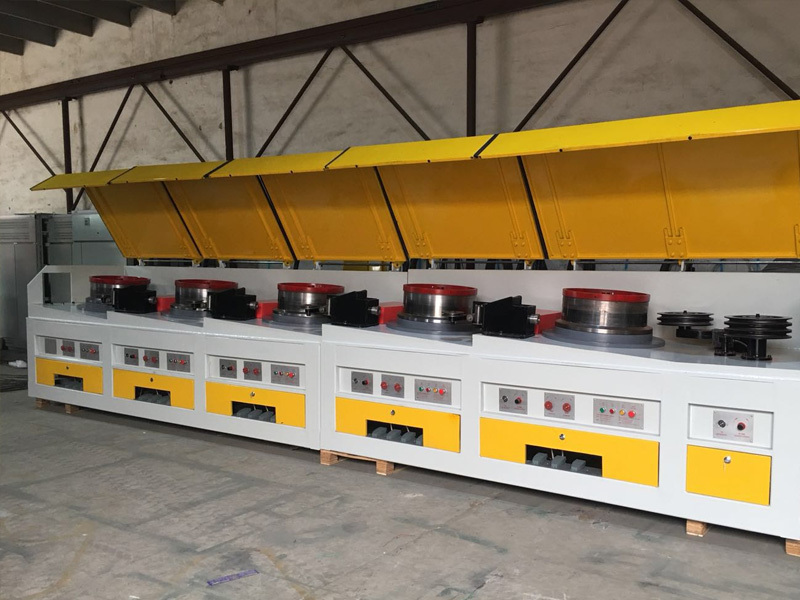
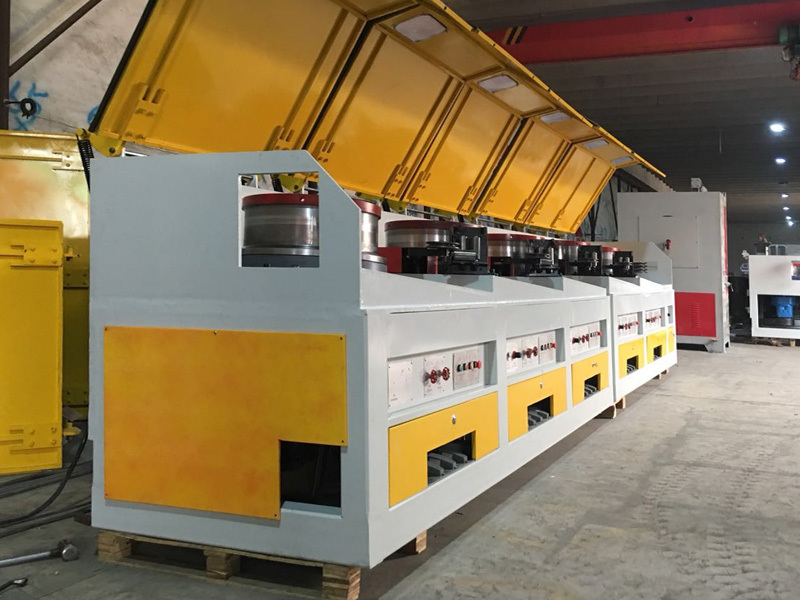
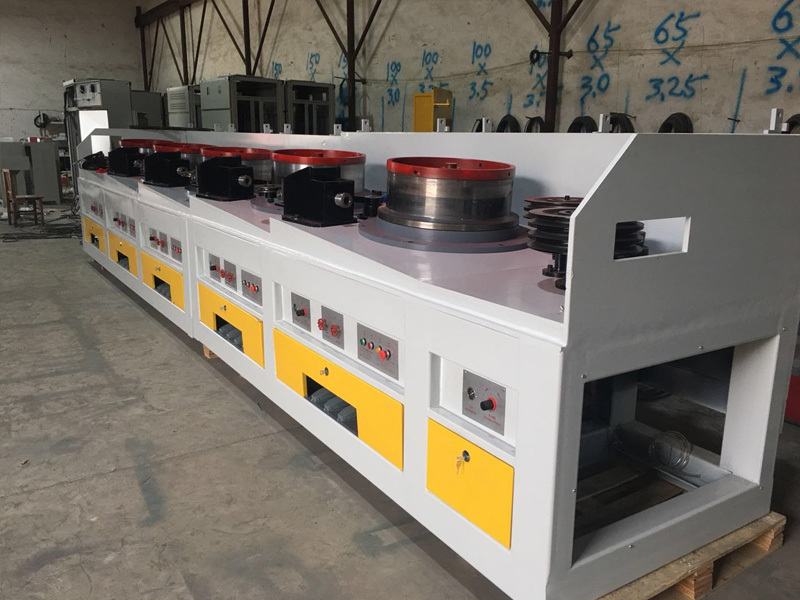
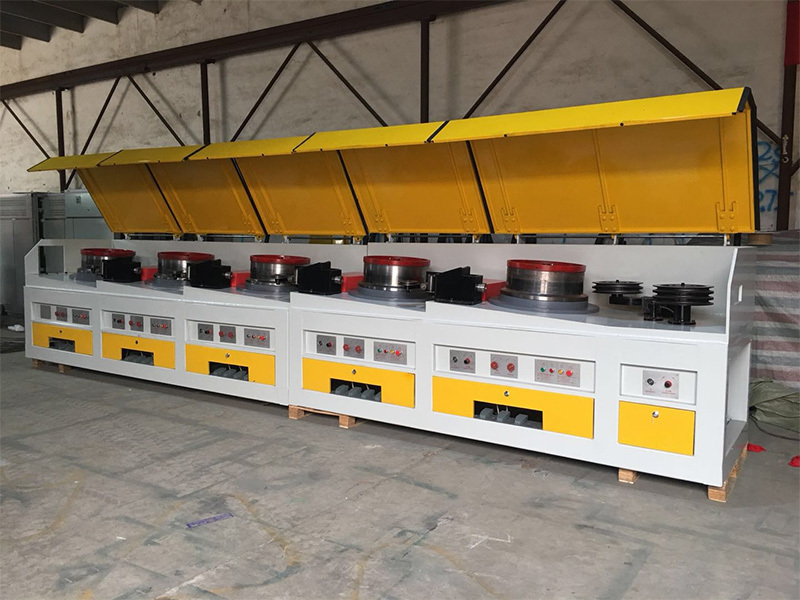
A Horizontal Wire Drawing Machine, also known as a wire drawing bench, is a mechanical device designed to draw metal wires through a series of dies to reduce their diameter. This process enables the production of wires with specific dimensions and surface finishes, catering to various industries' needs.
2. Working Principle:
The machine operates by pulling the wire through a die using a capstan or a set of rotating cones. As the wire passes through the die, its diameter decreases, resulting in increased length and improved quality. The process continues with multiple dies until the desired wire thickness is achieved.
3. Wire Drawing Process:
- Wire Preparation: Before entering the machine, the wire undergoes surface cleaning and coating to enhance its smoothness and lubrication during the drawing process.
- Drawing Zones: The wire is progressively pulled through a series of dies, typically made of tungsten carbide or diamond, that reduce its diameter stage by stage.
- Annealing: Intermittent heat-treatment process alleviates the wire's internal stress, enhancing its ductility and minimizing the risk of breakage during drawing.
- Cooling and Coiling: The drawn wire is cooled to room temperature and coiled onto spools for further processing or packaging.
4. Application Areas:
Horizontal Wire Drawing Machines find extensive usage in various industries, including:
- Electrical and Electronics: Wires for electrical cables, conductors, transformers, and electronic components.
- Construction: Wires for reinforcing concrete, fences, mesh, nails, and screws.
- Automotive: Wires for springs, fasteners, cables, and harnesses.
- Manufacturing: Wires for general industrial applications, such as wire mesh, filters, and springs.
5. Advantages:
- Precise Wire Diameter Control: Horizontal Wire Drawing Machines offer accurate control over wire diameter, ensuring consistency and meeting precise specifications.
- Improved Mechanical Properties: The drawing process enhances the wire's tensile strength, surface finish, and dimensional accuracy, enhancing its performance in diverse applications.
- Customization: These machines accommodate various wire materials, including steel, copper, aluminum, and alloys, enabling customization based on specific industry requirements.
In conclusion, a Horizontal Wire Drawing Machine plays a vital role in the Chinese manufacturing industry for metal processing, specifically wire production. Understanding its fundamental aspects and applications can assist in making informed decisions regarding wire manufacturing processes.
Key words:


☎️Phone
* Please Enter Keywords
The company specializes in the development and manufacture of a complete set of welding wire production lines and a complete set of metal wire drawing machines 📮 info@cnwiremachine.com