
 Esperanto
 Shqiptare
 Euskara
 Zulu
Zulu
 Latinus
 Cymraeg
 தமிழ்
தமிழ்
 Slovak
 Slovak
 Afrikaans
News Hotspot
Contact Info
Hotline: +86-18831168296
E-mail: Info@cnwiremachine.com
Add: Gaoqian West Street, Sijiazhuang Town, Luquan District, Shijiazhuang City, Hebei Province
Boosting Efficiency with Pay-Off Machines: A Step-by-Step Tutorial
Release Time:
Nov 16,2023
Table of Contents: 1. Introduction 2. What are Pay-Off Machines? 3. Benefits of Pay-Off Machines 4. Installation and Set-Up 5. Proper Maintenance and Care 6. Troubleshooting Common Issues 7. Frequently Asked Questions (FAQs) 8. Conclusion 1. Introduction In the fast-paced world of manufacturing and processing machinery, maximizing efficiency and productivity is crucial. In this article, we will ex
1. Introduction
2. What are Pay-Off Machines?
3. Benefits of Pay-Off Machines
4. Installation and Set-Up
5. Proper Maintenance and Care
6. Troubleshooting Common Issues
7. Frequently Asked Questions (FAQs)
8. Conclusion
1. Introduction
In the fast-paced world of manufacturing and processing machinery, maximizing efficiency and productivity is crucial. In this article, we will explore the use of pay-off machines and how they can significantly enhance your manufacturing process. With step-by-step guidance, we aim to equip you with the knowledge to implement pay-off machines effectively.
2. What are Pay-Off Machines?
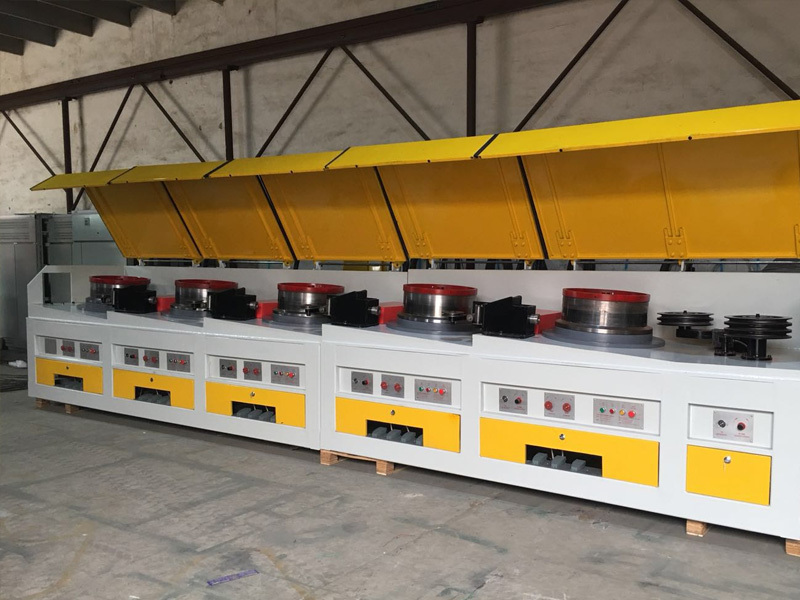
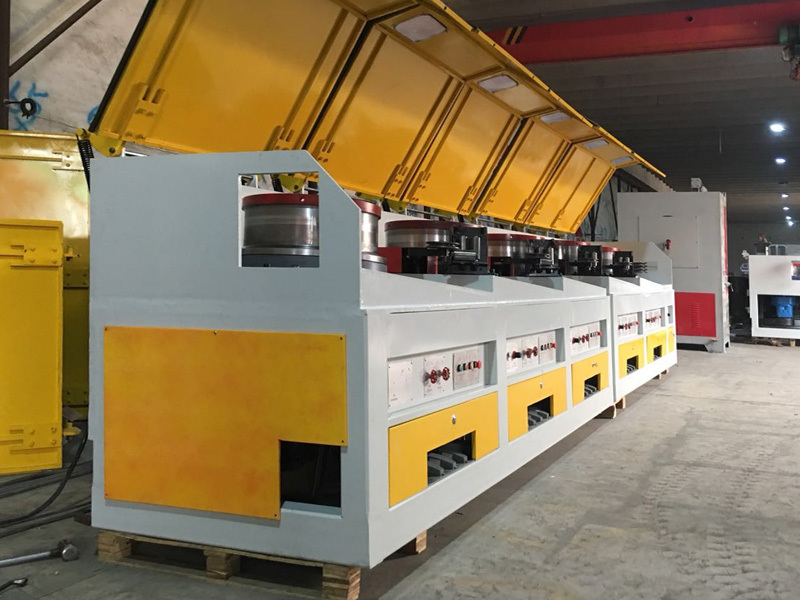
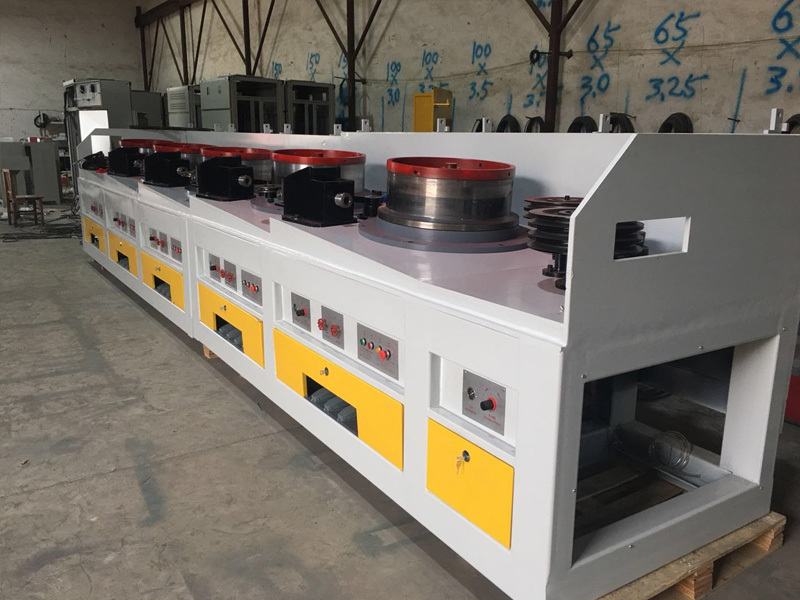
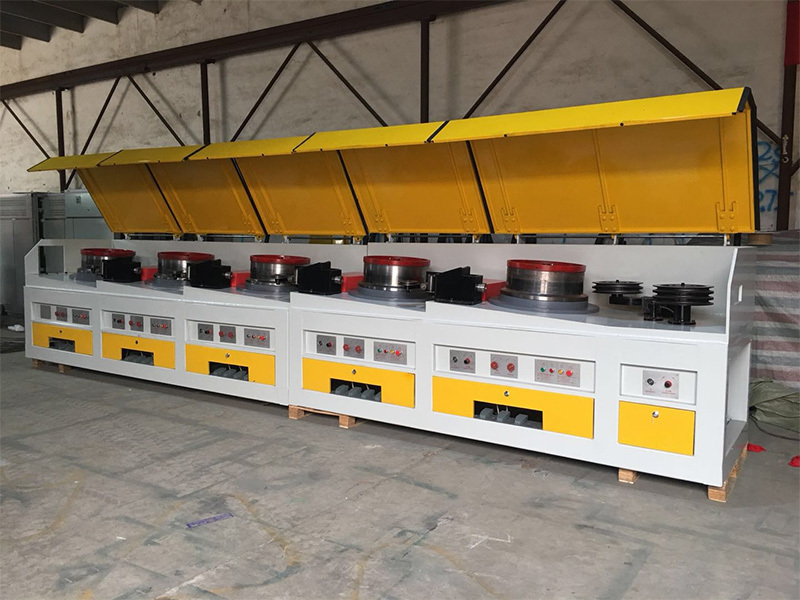
Pay-off machines are specialized equipment commonly used in manufacturing and processing to manage the unwinding of material from reels or spools. They ensure a smooth and controlled supply of material, preventing tangles, knots, and other issues that can hinder production. Pay-off machines are widely used in various industries, including wire and cable manufacturing, textile production, and more.
3. Benefits of Pay-Off Machines
Implementing pay-off machines in your production line offers numerous advantages. Firstly, they enhance efficiency by ensuring a continuous supply of material, minimizing downtime caused by tangled or misaligned material. Additionally, pay-off machines improve safety by reducing the risk of accidents arising from manual handling of heavy reels. Moreover, these machines enable precise tension control, resulting in improved product quality and reduced waste.
4. Installation and Set-Up
To successfully integrate pay-off machines into your production line, proper installation and set-up are essential. This section will guide you through the process of selecting the right machine for your needs, positioning it correctly, and ensuring proper alignment with other equipment. We will also provide tips for optimizing tension control and maintaining a smooth material feed.
5. Proper Maintenance and Care
To ensure consistent performance and longevity of your pay-off machines, regular maintenance and care are vital. In this section, we will outline best practices for cleaning, lubrication, and inspection. We will also discuss the importance of adhering to manufacturer guidelines and provide troubleshooting tips for common issues that may arise during operation.
6. Troubleshooting Common Issues
Even with proper maintenance, pay-off machines may encounter occasional issues. This section will address common problems such as material slippage, improper tension control, and reel alignment issues. By following our step-by-step troubleshooting guide, you can quickly identify and resolve these issues, minimizing production disruptions.
7. Frequently Asked Questions (FAQs)
7.1. How can pay-off machines improve productivity in wire and cable manufacturing?
7.2. Are pay-off machines suitable for all types of materials?
7.3. What safety measures should be in place when using pay-off machines?
7.4. Can pay-off machines be integrated with existing production equipment?
7.5. How can I optimize tension control with a pay-off machine?
8. Conclusion
In conclusion, pay-off machines are instrumental in boosting efficiency and productivity in manufacturing and processing machinery. By following the step-by-step tutorial provided in this article, you can effectively implement pay-off machines into your production line, resulting in smoother operations, improved product quality, and enhanced overall efficiency. Stay ahead of the competition by harnessing the power of pay-off machines and revolutionizing your manufacturing process.
Key words:


☎️Phone
* Please Enter Keywords
The company specializes in the development and manufacture of a complete set of welding wire production lines and a complete set of metal wire drawing machines 📮 info@cnwiremachine.com