
 Esperanto
 Shqiptare
 Euskara
 Zulu
Zulu
 Latinus
 Cymraeg
 தமிழ்
தமிழ்
 Slovak
 Slovak
 Afrikaans
News Hotspot
Contact Info
Hotline: +86-18831168296
E-mail: Info@cnwiremachine.com
Add: Gaoqian West Street, Sijiazhuang Town, Luquan District, Shijiazhuang City, Hebei Province
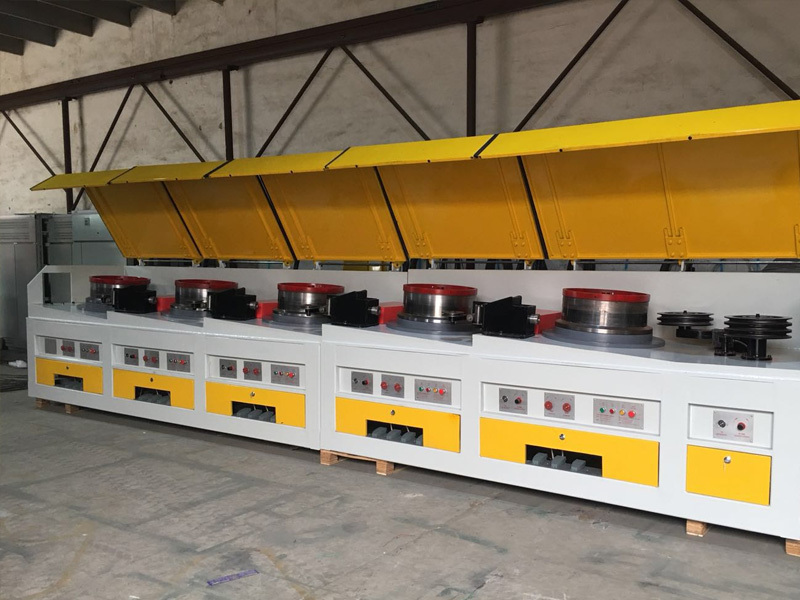
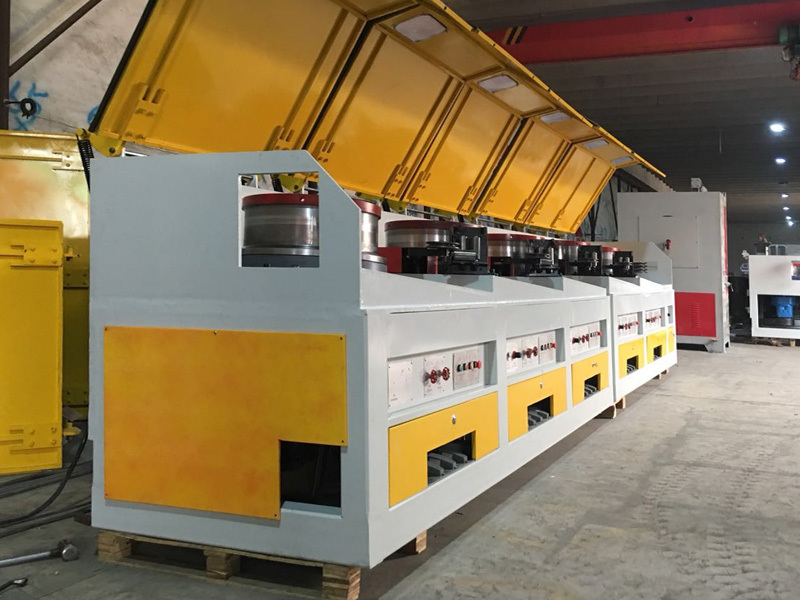
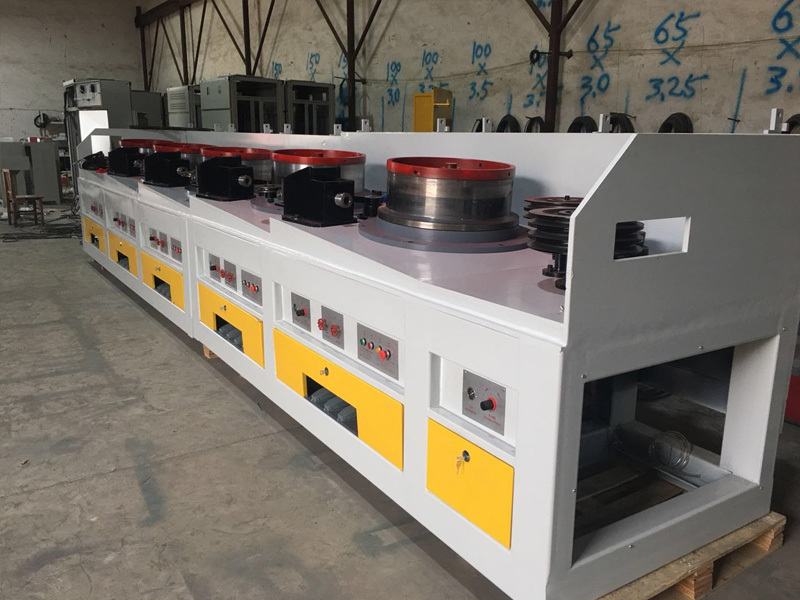
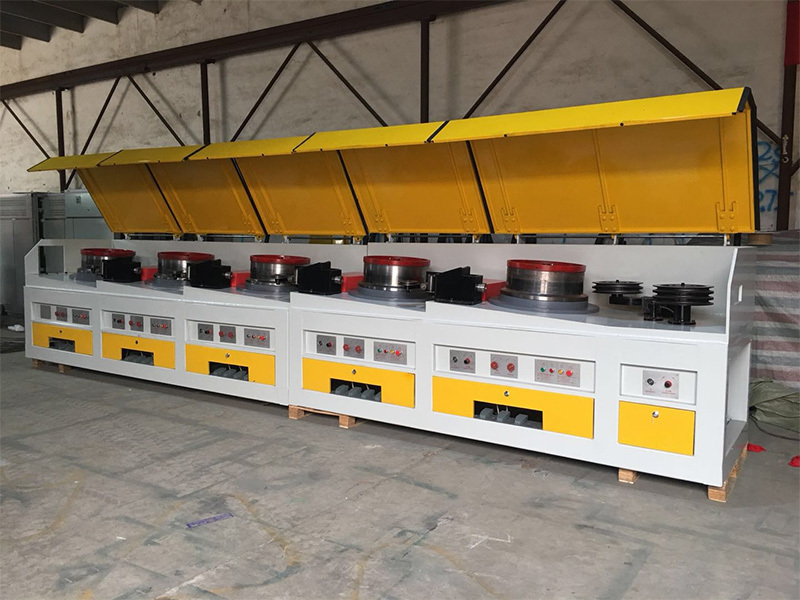
Wire Drawing Machine: A Guide to Metal Processing Machinery
Release Time:
Nov 17,2023
Introduction: Wire drawing machines play a crucial role in the field of metal processing machinery. This guide aims to provide valuable insights into the functionality, applications, and benefits of wire drawing machines, without delving into specific prices, brands, or commitments. Let's explore the world of wire drawing machines and their significance in the manufacturing industry. 1. Understand
Wire drawing machines play a crucial role in the field of metal processing machinery. This guide aims to provide valuable insights into the functionality, applications, and benefits of wire drawing machines, without delving into specific prices, brands, or commitments. Let's explore the world of wire drawing machines and their significance in the manufacturing industry.
1. Understanding Wire Drawing Machines:
Wire drawing machines are specialized tools used to reduce the diameter of a wire by pulling it through a series of dies. This process involves subjecting the wire to tension and drawing it through successively smaller holes until the desired diameter is achieved. By reducing the wire diameter, wire drawing machines enhance its structural integrity and improve its surface finish.
2. Applications of Wire Drawing Machines:
Wire drawing machines find extensive applications in various industries, including automotive, aerospace, construction, and telecommunications. They are primarily used to produce wires of different diameters and cross-sectional shapes, such as round, square, and rectangular, from various metals like steel, copper, aluminum, and alloys.
3. Advantages of Wire Drawing Machines:
a. Enhanced Strength: Wire drawn through these machines exhibits improved tensile strength, making it suitable for demanding applications that require sturdy and reliable wires.
b. Surface Finish: The wire drawing process imparts a smooth and polished surface to the wire, reducing friction and enhancing its corrosion resistance.
c. Precision and Consistency: Wire drawing machines enable manufacturers to achieve precise and consistent wire diameters, ensuring uniformity in the final product.
d. Material Savings: By reducing the wire diameter, wire drawing machines help conserve the raw material, resulting in cost savings during production.
4. Types of Wire Drawing Machines:
a. Single Block Wire Drawing Machines: These machines have a single block with multiple dies through which the wire passes successively.
b. Double Block Wire Drawing Machines: These machines consist of two blocks, each with a set of dies, allowing for further reduction in wire diameter.
c. Continuous Wire Drawing Machines: As the name suggests, these machines are designed for continuous and high-speed wire drawing operations.
5. Key Considerations:
When choosing a wire drawing machine, several factors need to be considered, such as wire diameter range, material compatibility, speed, and desired level of automation. Consulting with experts in the field can help determine the most suitable machine for specific manufacturing requirements.
Conclusion:
Wire drawing machines are indispensable tools in the realm of metal processing machinery. Their ability to produce wires with enhanced strength, improved surface finish, and precise dimensions makes them indispensable in various industries. By providing this comprehensive introduction to wire drawing machines, we hope to have equipped you with the knowledge necessary to understand their significance and potential applications in the manufacturing sector.
Key words:


☎️Phone
* Please Enter Keywords
The company specializes in the development and manufacture of a complete set of welding wire production lines and a complete set of metal wire drawing machines 📮 info@cnwiremachine.com