
 Esperanto
 Shqiptare
 Euskara
 Zulu
Zulu
 Latinus
 Cymraeg
 தமிழ்
தமிழ்
 Slovak
 Slovak
 Afrikaans
News Hotspot
Contact Info
Hotline: +86-18831168296
E-mail: Info@cnwiremachine.com
Add: Gaoqian West Street, Sijiazhuang Town, Luquan District, Shijiazhuang City, Hebei Province
Straight Wire Drawing Machine: The Ultimate Guide
Release Time:
Nov 22,2023
Introduction: The straight wire drawing machine plays a crucial role in the metal processing machinery sector, specifically in the domain of metal wire drawing. This guide aims to provide professionals with the necessary technical knowledge about straight wire drawing machines, without any commitments, prices, or brand references. Let's dive into the world of this essential machinery and explore i
The straight wire drawing machine plays a crucial role in the metal processing machinery sector, specifically in the domain of metal wire drawing. This guide aims to provide professionals with the necessary technical knowledge about straight wire drawing machines, without any commitments, prices, or brand references. Let's dive into the world of this essential machinery and explore its functions, components, and applications.
1. Understanding Straight Wire Drawing Machines:
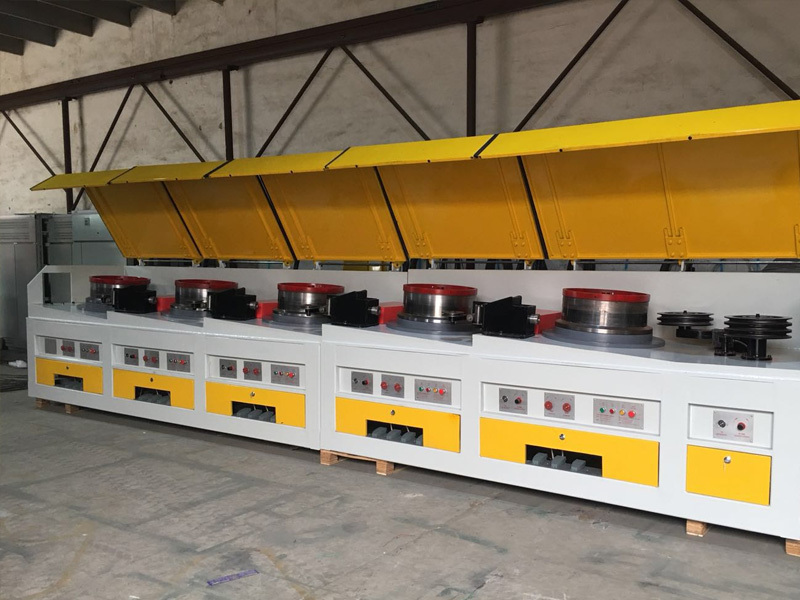
Straight wire drawing machines are designed to transform metal rod or wire into a thinner and longer wire with a precise diameter and smooth surface finish. This process involves pulling the material through a series of dies, reducing its cross-sectional area gradually. These machines are widely utilized in industries such as automotive, construction, electrical, and telecommunications.
2. Components and Working Principle:
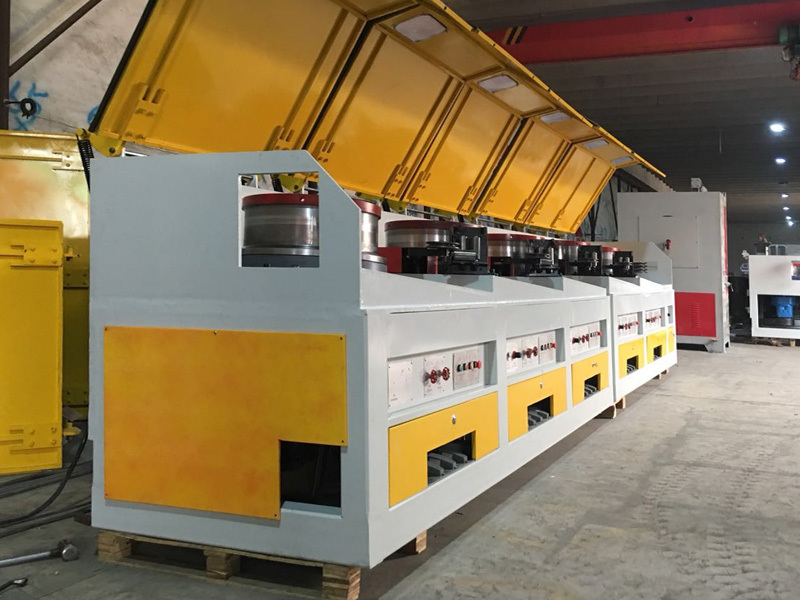
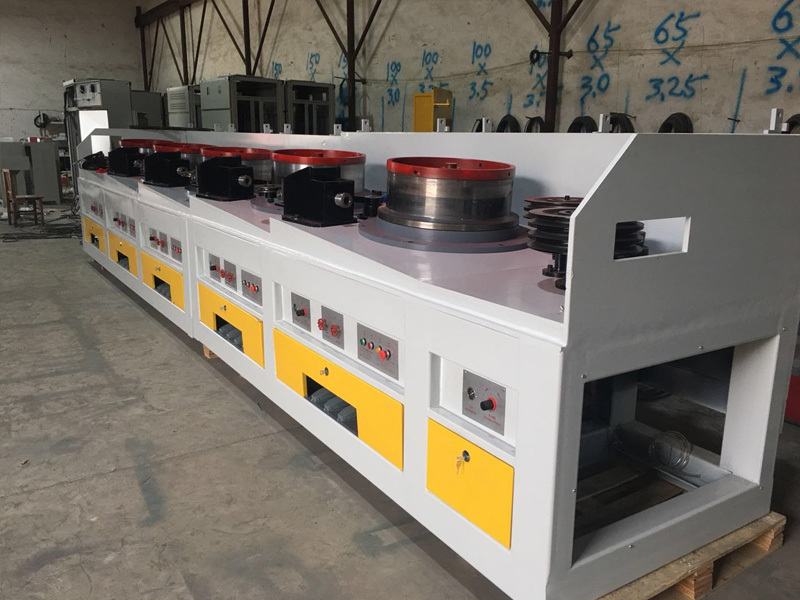
A typical straight wire drawing machine consists of several key components. These include a pay-off system, a capstan, die holders, drawing dies, a lubrication system, and a take-up system. The pay-off system unwinds the wire from a coil, passes it through the drawing dies, and pulls it using capstans. The dies, made of hard materials like tungsten carbide, reduce the wire's diameter. The lubrication system ensures smooth drawing by minimizing friction. Finally, the take-up system winds the drawn wire onto a spool.
3. Types of Straight Wire Drawing Machines:
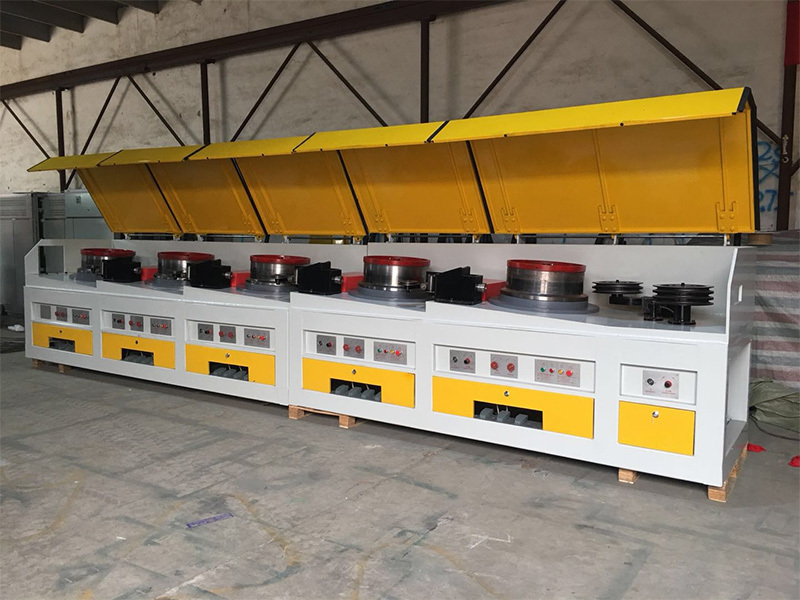
There are two main types of straight wire drawing machines: single block machines and multi-block machines. Single block machines have a single die and capstan setup, suitable for small-scale production and finer wire drawing. Multi-block machines, on the other hand, consist of multiple die and capstan setups, allowing for sequential wire drawing with increasing reduction in diameter. These machines are preferred for high-volume production and larger wire sizes.
4. Advancements and Industry Trends:
With technological advancements, modern straight wire drawing machines are equipped with advanced control systems, such as PLCs (Programmable Logic Controllers), to ensure precise control over various process parameters. Additionally, some machines offer features like automatic die polishing, online diameter measurement, and self-adjusting lubrication systems. Industry trends focus on improving machine efficiency, reducing energy consumption, and enhancing wire quality.
5. Applications of Straight Wire Drawing Machines:
Straight wire drawing machines find applications in various industries where wire or rod products are needed. These machines produce wires of different materials, including steel, aluminum, copper, and alloys. The drawn wires serve multiple purposes such as electrical wiring, conductive cables, fasteners, springs, welding electrodes, and more. The wide range of applications demonstrates the significance of straight wire drawing machines in the manufacturing sector.
Conclusion:
Straight wire drawing machines are indispensable tools in the metal processing machinery industry. This guide has provided a comprehensive overview of these machines, covering their functions, components, types, advancements, and applications. By harnessing the knowledge shared here, professionals can make informed decisions, optimize their production processes, and achieve high-quality wire products. Embrace the power of straight wire drawing machines and elevate your metal processing capabilities.
Key words:


☎️Phone
* Please Enter Keywords
The company specializes in the development and manufacture of a complete set of welding wire production lines and a complete set of metal wire drawing machines 📮 info@cnwiremachine.com