
 Esperanto
 Shqiptare
 Euskara
 Zulu
Zulu
 Latinus
 Cymraeg
 தமிழ்
தமிழ்
 Slovak
 Slovak
 Afrikaans
News Hotspot
Contact Info
Hotline: +86-18831168296
E-mail: Info@cnwiremachine.com
Add: Gaoqian West Street, Sijiazhuang Town, Luquan District, Shijiazhuang City, Hebei Province
Water Tank Wire Drawing Machine Components from China: Exploring the Basics of Metal Drawing Machines
Release Time:
Dec 02,2023
Introduction: Water tank wire drawing machines are vital components in the realm of metalworking machinery. Made in China, these machines play a crucial role in the manufacturing and processing of various metals. In this article, we delve into the fundamental components of water tank wire drawing machines, shedding light on their significance and functionality. Key Components of Water Tank Wire Dr
Water tank wire drawing machines are vital components in the realm of metalworking machinery. Made in China, these machines play a crucial role in the manufacturing and processing of various metals. In this article, we delve into the fundamental components of water tank wire drawing machines, shedding light on their significance and functionality.
Key Components of Water Tank Wire Drawing Machines:
1. Wire Drawing Die: At the heart of the machine lies the wire drawing die. This die comprises a hardened steel plate with a specific shape and size of the desired wire. As the wire passes through the die, it undergoes reduction in diameter, resulting in the desired wire thickness.
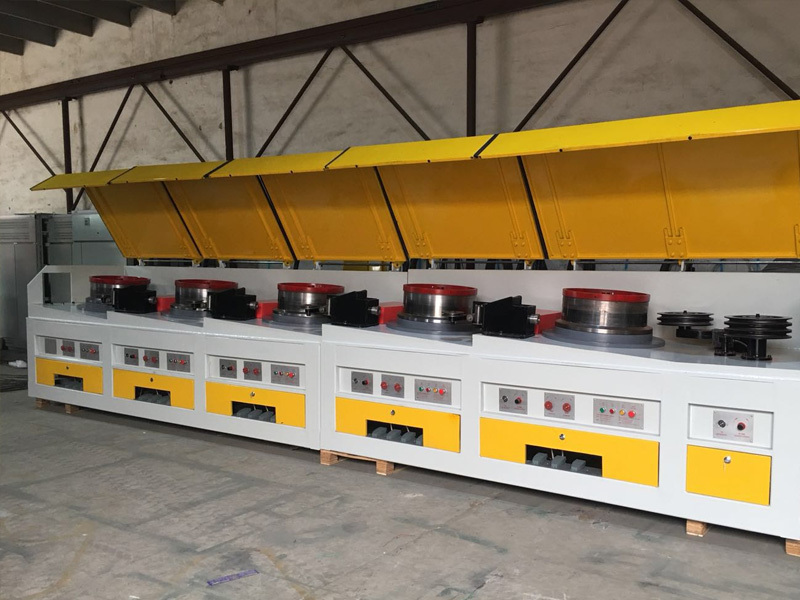
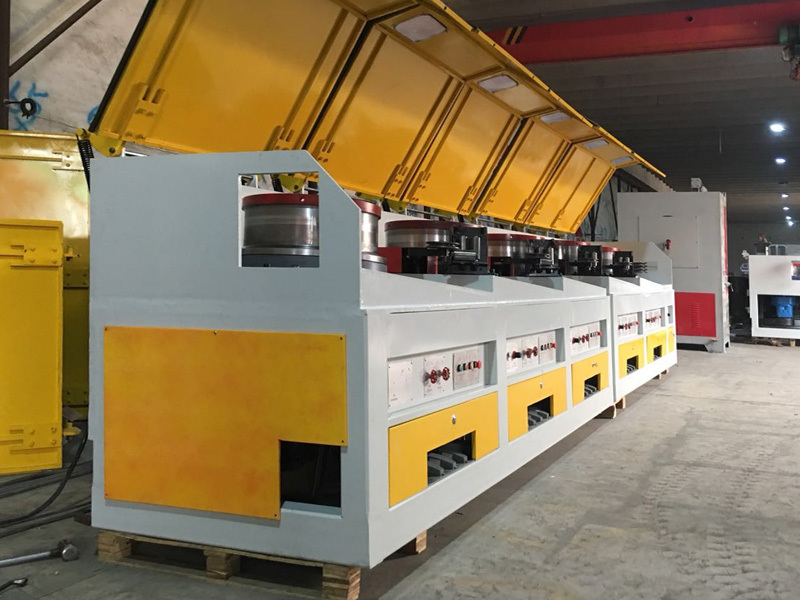
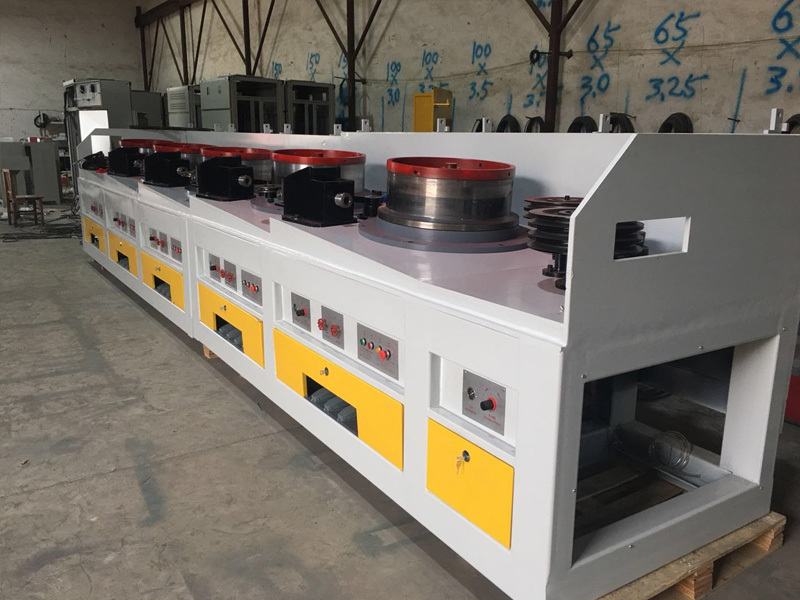
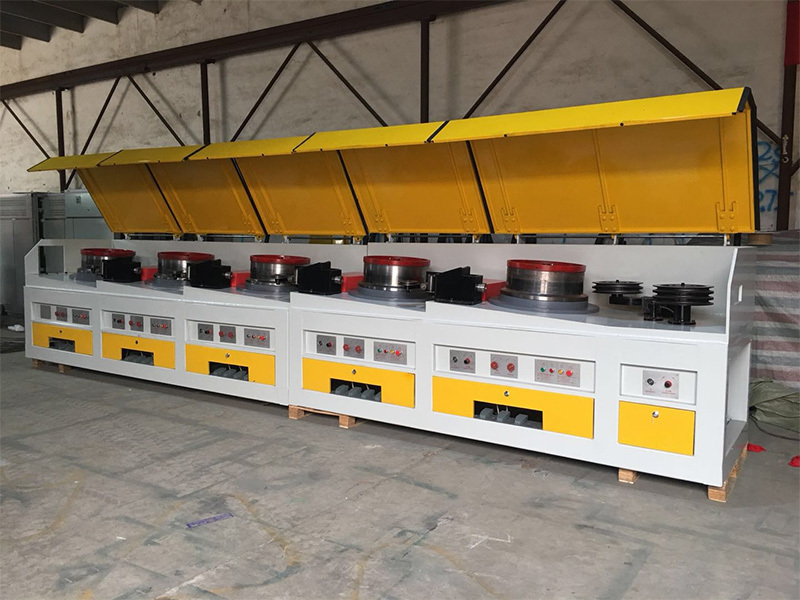
2. Capstan: The capstan, also known as a wire drawing drum, aids in the wire drawing process. This cylindrical component rotates at high speeds, pulling the wire through the die. The capstan's surface is usually grooved to enhance its grip on the wire, enabling smooth and efficient drawing.
3. Water Tank: As the name suggests, the water tank serves as a coolant during the wire drawing process. As the wire is pulled through the die, it generates heat due to friction. The water tank keeps the wire and the die cool, preventing excessive heat buildup and ensuring optimal wire quality.
4. Drawing Cones: Drawing cones, or pulleys, are essential components that guide the wire through the water tank wire drawing machine. These cones are typically made of hardened steel to withstand the tension and pressure exerted during the drawing process. Their precise alignment and smooth operation are crucial for achieving consistent wire quality.
5. Drawing Lubricant: Lubrication plays a vital role in the wire drawing process. Drawing lubricants, such as oils or emulsions, are applied to the wire and the die to reduce friction and enhance the wire's ability to pass through the die smoothly. This lubrication minimizes the risk of wire breakage and ensures optimal wire surface finish.
6. Electrical Control System: The electrical control system forms the brain of the water tank wire drawing machine. It regulates and controls various parameters, including wire speed, tension, and cooling water flow. This system ensures precise operation and allows for adjustments to achieve desired wire properties.
In conclusion, water tank wire drawing machines from China are critical components of metalworking machinery. Understanding their key components, such as the wire drawing die, capstan, water tank, drawing cones, drawing lubricant, and electrical control system, provides insights into their role in the manufacturing and processing of metal wires. These machines enable efficient wire drawing, contributing to the production of high-quality wires for diverse applications.
Key words:


☎️Phone
* Please Enter Keywords
The company specializes in the development and manufacture of a complete set of welding wire production lines and a complete set of metal wire drawing machines 📮 info@cnwiremachine.com