
 Esperanto
 Shqiptare
 Euskara
 Zulu
Zulu
 Latinus
 Cymraeg
 தமிழ்
தமிழ்
 Slovak
 Slovak
 Afrikaans
News Hotspot
Contact Info
Hotline: +86-18831168296
E-mail: Info@cnwiremachine.com
Add: Gaoqian West Street, Sijiazhuang Town, Luquan District, Shijiazhuang City, Hebei Province
Optimizing Wire Surface Quality: Water Tank Wire Drawing Machine
Release Time:
Dec 13,2023
Table of Contents 1. Introduction: Understanding the Significance of Wire Surface Quality 2. Wire Drawing Process: A Brief Overview 3. The Role of Water Tank Wire Drawing Machines 4. Benefits of Utilizing a Water Tank Wire Drawing Machine 5. Techniques for Optimizing Wire Surface Quality 5.1. Choosing the Right Wire Material 5.2. Proper Lubrication and Cooling 5.3. Implementing the Correct D
1. Introduction: Understanding the Significance of Wire Surface Quality
2. Wire Drawing Process: A Brief Overview
3. The Role of Water Tank Wire Drawing Machines
4. Benefits of Utilizing a Water Tank Wire Drawing Machine
5. Techniques for Optimizing Wire Surface Quality
5.1. Choosing the Right Wire Material
5.2. Proper Lubrication and Cooling
5.3. Implementing the Correct Die Design
5.4. Maintaining Consistent Drawing Speed
5.5. Ensuring Wire Cleanliness
6. Common Challenges in Wire Drawing and Surface Quality Optimization
7. Frequently Asked Questions (FAQs)
7.1. What is the purpose of wire drawing?
7.2. How does a water tank wire drawing machine work?
7.3. Can wire surface quality affect the final product's performance?
7.4. What lubricants are recommended for wire drawing?
7.5. Why is die design crucial in wire drawing?
8. Conclusion
1. Introduction: Understanding the Significance of Wire Surface Quality
Wire surface quality plays a vital role in determining the overall performance and durability of various products. Whether it's cables, wires for electronics, or industrial components, achieving a superior surface finish is crucial for optimal functionality and aesthetics.
2. Wire Drawing Process: A Brief Overview
Wire drawing is a manufacturing process used to reduce the diameter of a wire by pulling it through a series of dies. This process improves the wire's mechanical properties, such as tensile strength and ductility. Additionally, wire drawing enhances the wire's surface finish, resulting in reduced friction, improved conductivity, and enhanced appearance.
3. The Role of Water Tank Wire Drawing Machines
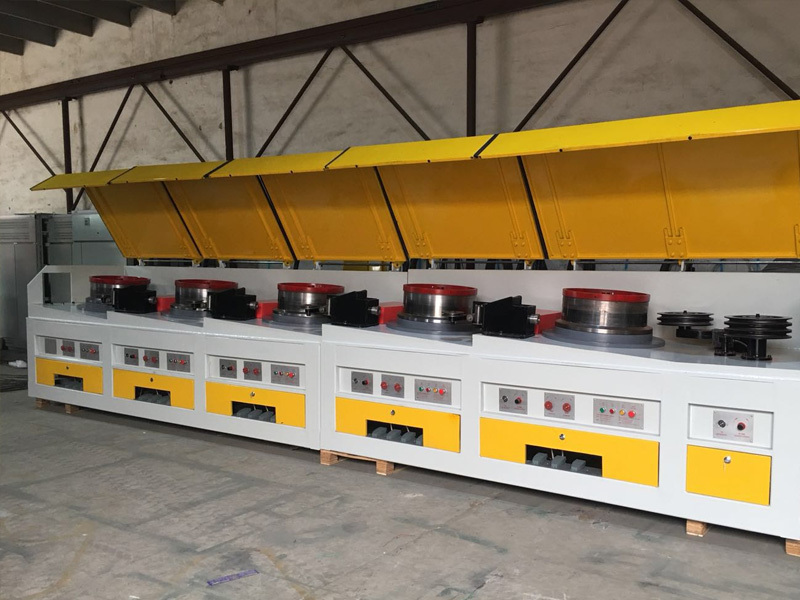
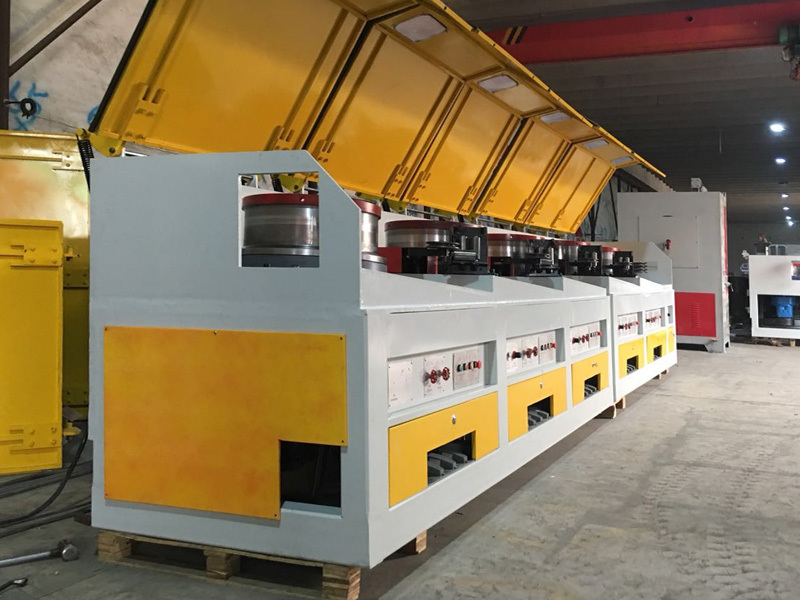
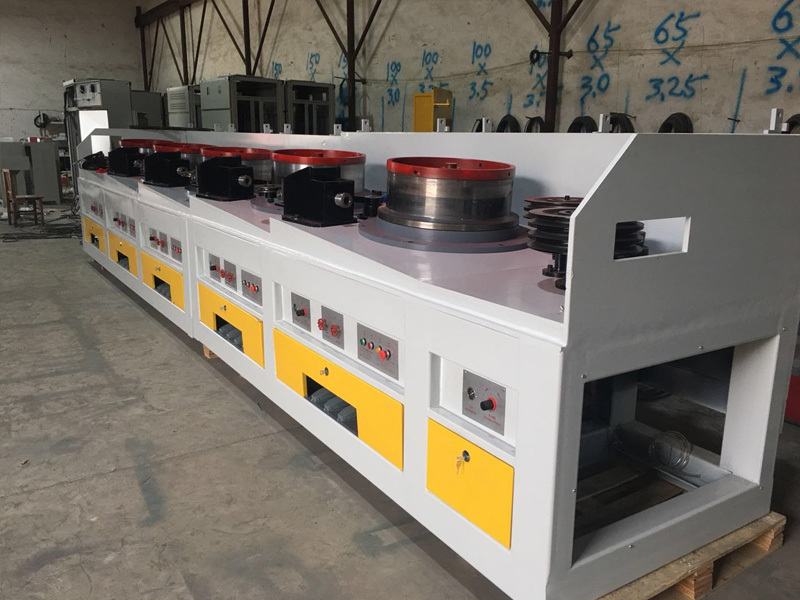
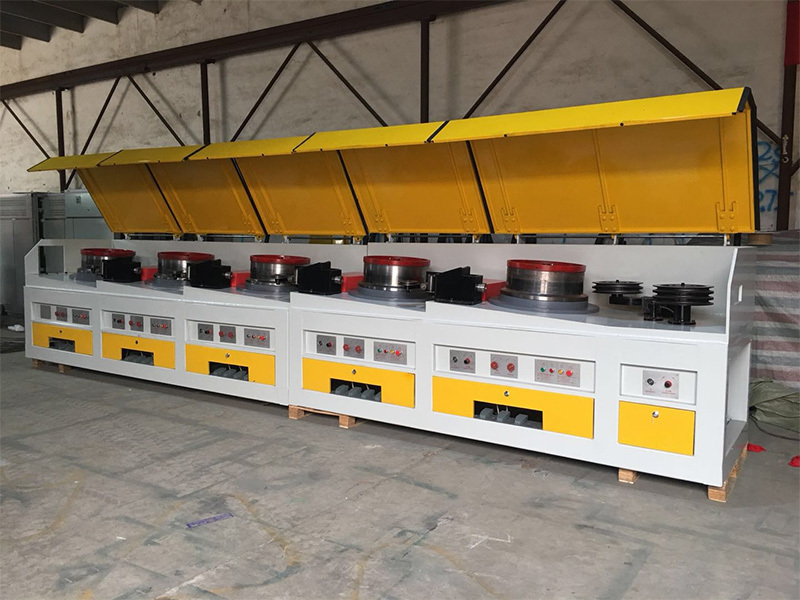
Water tank wire drawing machines are specifically designed to optimize the wire's surface quality. These machines employ a water-based lubrication system, ensuring efficient heat dissipation and superior lubrication during the drawing process. The use of water as a lubricant helps prevent overheating, reducing surface defects and improving the wire's overall quality.
4. Benefits of Utilizing a Water Tank Wire Drawing Machine
4.1. Enhanced Surface Finish: Water tank wire drawing machines provide exceptional control over lubrication, resulting in improved surface finishes. The use of water-based lubricants promotes smooth wire drawing operations, reducing the occurrence of surface defects.
4.2. Increased Production Efficiency: The efficient heat dissipation offered by water tank wire drawing machines allows for higher drawing speeds, leading to increased productivity and reduced production costs.
4.3. Cost Savings: Water-based lubricants used in these machines are typically more cost-effective compared to other lubrication methods. This results in significant cost savings without compromising on surface quality.
4.4. Extended Die Life: The cooling effect of water-based lubrication helps prolong the lifespan of drawing dies, reducing downtime and maintenance costs.
5. Techniques for Optimizing Wire Surface Quality
5.1. Choosing the Right Wire Material
Selecting the appropriate wire material is crucial for achieving the desired surface quality. Factors such as tensile strength, ductility, and corrosion resistance must be considered to ensure optimal performance and longevity.
5.2. Proper Lubrication and Cooling
Maintaining proper lubrication and cooling during the drawing process is essential for optimizing wire surface quality. Water tank wire drawing machines offer an effective solution by providing continuous lubrication and efficient heat dissipation, resulting in improved surface finishes.
5.3. Implementing the Correct Die Design
Die design plays a crucial role in wire drawing. Optimal die geometry, including the entrance angle, reduction angle, and die land length, significantly impacts the surface quality. Employing the right die design minimizes surface defects and ensures precision in the wire's dimensions.
5.4. Maintaining Consistent Drawing Speed
Consistency in drawing speed is vital to achieve uniform surface finishes. Variations in drawing speed can lead to surface defects, such as scratches or uneven textures. Water tank wire drawing machines offer excellent speed control, enabling consistent and uniform wire drawing operations.
5.5. Ensuring Wire Cleanliness
Contaminants on the wire's surface can negatively impact its quality. Proper cleaning processes must be implemented to remove dirt, oils, and other impurities before the wire enters the drawing machine. Water tank wire drawing machines often incorporate cleaning mechanisms, ensuring a clean wire surface throughout the drawing process.
6. Common Challenges in Wire Drawing and Surface Quality Optimization
Wire drawing and surface quality optimization come with their own set of challenges. Some common issues include inconsistent lubrication, improper die design, excessive friction, overheating, and inadequate wire cleaning. Understanding and addressing these challenges can significantly improve wire surface quality.
7. Frequently Asked Questions (FAQs)
7.1. What is the purpose of wire drawing?
Wire drawing is used to reduce the diameter of a wire, improve its mechanical properties, and enhance its surface finish.
7.2. How does a water tank wire drawing machine work?
A water tank wire drawing machine utilizes a water-based lubrication system to ensure efficient heat dissipation and superior lubrication during the drawing process.
7.3. Can wire surface quality affect the final product's performance?
Yes, wire surface quality directly influences the performance, functionality, and durability of the final product.
7.4. What lubricants are recommended for wire drawing?
Water-based lubricants are commonly used in water tank wire drawing machines due to their effectiveness in heat dissipation and lubrication.
7.5. Why is die design crucial in wire drawing?
Die design significantly impacts wire surface quality. Proper die geometry ensures uniform reduction and minimizes surface defects.
8. Conclusion
Optimizing wire surface quality is imperative for achieving superior product performance and customer satisfaction. By utilizing a water tank wire drawing machine and implementing the recommended techniques, manufacturers can enhance wire surface finishes, increase production efficiency, and reduce costs. Stay ahead of the competition by prioritizing wire surface quality and investing in the right equipment and processes.
Key words:


☎️Phone
* Please Enter Keywords
The company specializes in the development and manufacture of a complete set of welding wire production lines and a complete set of metal wire drawing machines 📮 info@cnwiremachine.com