
 Esperanto
 Shqiptare
 Euskara
 Zulu
Zulu
 Latinus
 Cymraeg
 தமிழ்
தமிழ்
 Slovak
 Slovak
 Afrikaans
News Hotspot
Contact Info
Hotline: +86-18831168296
E-mail: Info@cnwiremachine.com
Add: Gaoqian West Street, Sijiazhuang Town, Luquan District, Shijiazhuang City, Hebei Province
An In-Depth Guide to OEM Pulley Drawing Machines
Release Time:
Dec 23,2023
Table of Contents 1. Introduction: Understanding OEM Pulley Drawing Machines 2. Types of OEM Pulley Drawing Machines 2.1 Single-Station OEM Pulley Drawing Machines 2.2 Multi-Station OEM Pulley Drawing Machines 3. Benefits of Using OEM Pulley Drawing Machines 3.1 Enhanced Efficiency and Productivity 3.2 Cost Savings and Waste Reduction 3.3 Consistent and Accurate Output 3.4 Versat
1. Introduction: Understanding OEM Pulley Drawing Machines
2. Types of OEM Pulley Drawing Machines
2.1 Single-Station OEM Pulley Drawing Machines
2.2 Multi-Station OEM Pulley Drawing Machines
3. Benefits of Using OEM Pulley Drawing Machines
3.1 Enhanced Efficiency and Productivity
3.2 Cost Savings and Waste Reduction
3.3 Consistent and Accurate Output
3.4 Versatility and Adaptability
4. Applications of OEM Pulley Drawing Machines
4.1 Automotive Industry
4.2 Aerospace Industry
4.3 Construction Industry
4.4 Electronics Industry
4.5 Other Manufacturing Sectors
5. Key Features to Consider when Purchasing an OEM Pulley Drawing Machine
5.1 Machine Capacity and Size
5.2 Material Compatibility
5.3 Automation and Control Options
5.4 Safety Features
5.5 Maintenance and Service Support
6. Tips for Optimizing the Use of OEM Pulley Drawing Machines
6.1 Proper Machine Setup and Calibration
6.2 Regular Maintenance and Cleaning
6.3 Employee Training and Safety Measures
6.4 Monitoring and Quality Control
6.5 Continuous Improvement and Innovation
7. Frequently Asked Questions (FAQs)
7.1 What is the maximum capacity of an OEM pulley drawing machine?
7.2 Can OEM pulley drawing machines handle different types of materials?
7.3 Are OEM pulley drawing machines suitable for small-scale manufacturing?
7.4 What safety precautions should be taken when operating an OEM pulley drawing machine?
7.5 How can I ensure the accuracy and precision of the drawn pulleys?
8. Conclusion
1. Introduction: Understanding OEM Pulley Drawing Machines
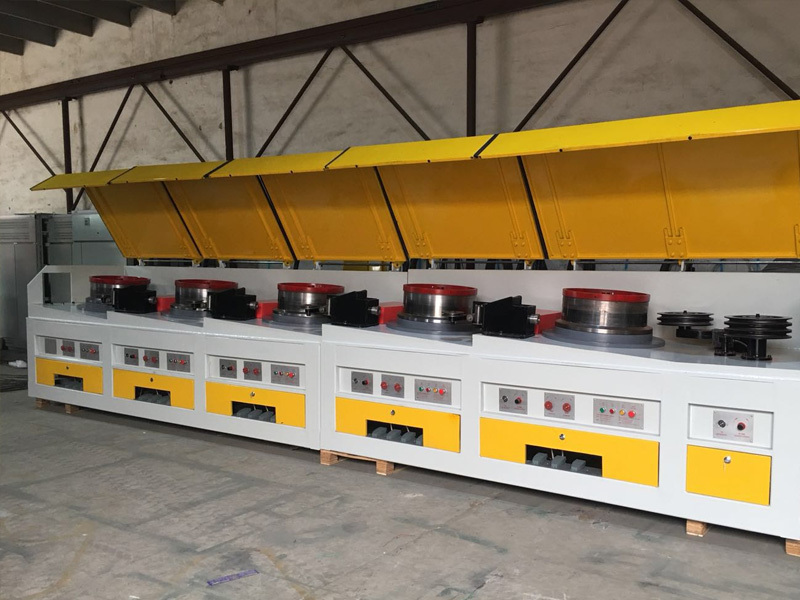
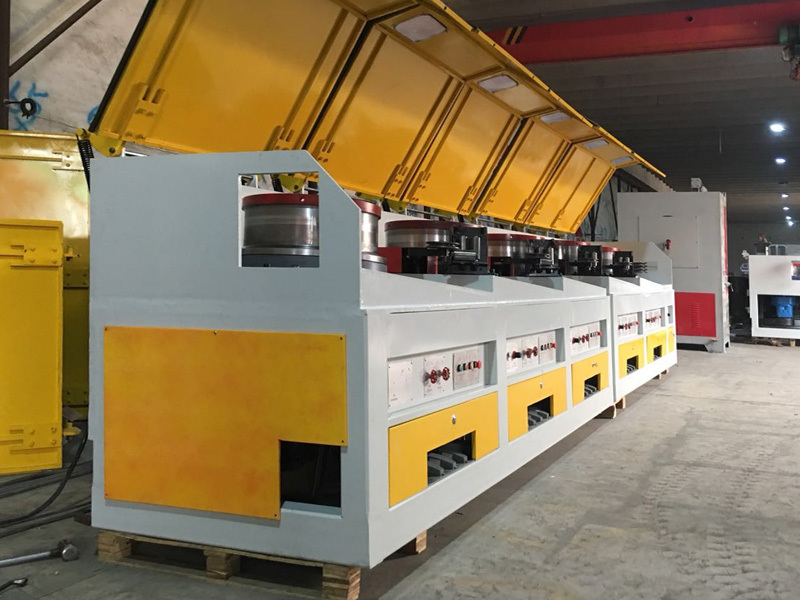
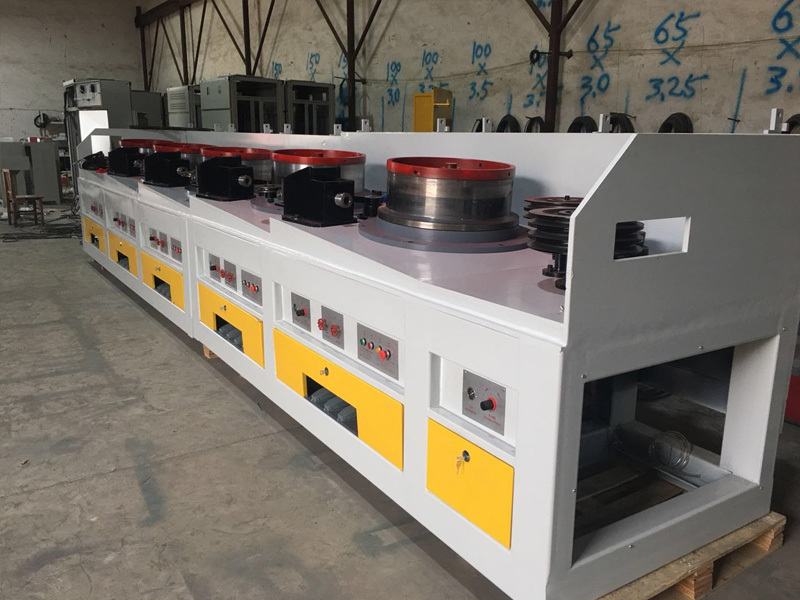
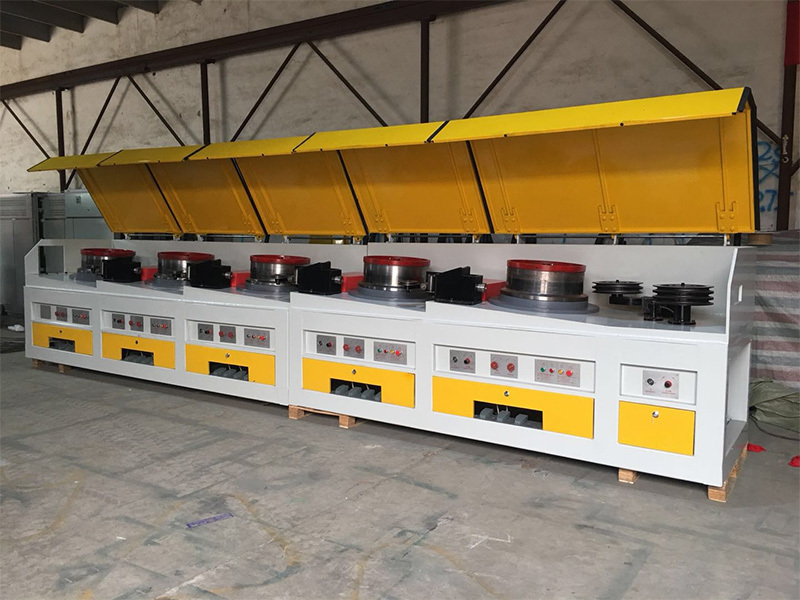
OEM pulley drawing machines play a crucial role in the manufacturing industry by efficiently shaping and forming pulleys for various applications. These machines utilize advanced technologies and processes to convert raw materials into precision-engineered pulleys. In this comprehensive guide, we will delve into the workings of OEM pulley drawing machines, explore their types, benefits, applications, and provide valuable insights for optimizing their use in your manufacturing processes.
2. Types of OEM Pulley Drawing Machines
2.1 Single-Station OEM Pulley Drawing Machines
Single-station OEM pulley drawing machines are designed for smaller-scale operations. They are suitable for manufacturing a limited range of pulley sizes and shapes. These machines offer simplicity and ease of operation, making them ideal for manufacturers with lower production volumes and specific pulley requirements.
2.2 Multi-Station OEM Pulley Drawing Machines
Multi-station OEM pulley drawing machines are more versatile and can handle a broader range of pulley sizes and shapes. With multiple stations, these machines allow for simultaneous production of different pulley types, optimizing productivity and efficiency. They are commonly used in high-volume manufacturing facilities that require a variety of pulley specifications.
3. Benefits of Using OEM Pulley Drawing Machines
3.1 Enhanced Efficiency and Productivity
OEM pulley drawing machines streamline the pulley manufacturing process, significantly reducing production time and increasing overall efficiency. These machines can produce pulleys at a much faster rate compared to manual methods, enabling manufacturers to meet demanding production schedules and maximize output.
3.2 Cost Savings and Waste Reduction
By automating the pulley drawing process, OEM machines minimize material waste and maximize material utilization. This results in substantial cost savings for manufacturers, as they can optimize the use of raw materials and reduce scrap. Additionally, the efficient production output reduces labor costs associated with manual pulley drawing methods.
3.3 Consistent and Accurate Output
OEM pulley drawing machines ensure consistent and precise output, eliminating variations and errors commonly associated with manual manufacturing processes. The machines operate with high accuracy, delivering uniform dimensions and tolerances for every pulley produced. This consistency enhances product quality and reduces the need for rework or quality control measures.
3.4 Versatility and Adaptability
With the ability to handle various materials and adapt to different pulley specifications, OEM pulley drawing machines offer versatility to manufacturers. From different pulley diameters to various groove configurations, these machines can be tailored to meet specific manufacturing requirements. This adaptability makes them suitable for a wide range of industries and applications.
4. Applications of OEM Pulley Drawing Machines
4.1 Automotive Industry
OEM pulley drawing machines find extensive use in the automotive industry, where pulleys are essential components in engines, transmissions, and other mechanical systems. These machines can produce pulleys with precise dimensions, ensuring optimal performance and efficiency in vehicles. From timing belt pulleys to crankshaft pulleys, OEM machines cater to the diverse pulley needs of automakers.
4.2 Aerospace Industry
In the aerospace industry, OEM pulley drawing machines are instrumental in manufacturing pulleys used in aircraft engines, landing gear systems, and control systems. The high precision and reliability of these machines are crucial for meeting stringent safety standards and ensuring the smooth operation of aerospace equipment. OEM machines enable manufacturers to produce pulleys that meet the rigorous requirements of the aerospace sector.
4.3 Construction Industry
The construction industry relies on OEM pulley drawing machines to produce pulleys used in construction machinery, elevators, and material handling equipment. These machines enable manufacturers to meet the demand for durable and reliable pulleys that can withstand heavy loads and harsh operating conditions. OEM machines ensure the production of high-quality pulleys that contribute to the safety and efficiency of construction projects.
4.4 Electronics Industry
OEM pulley drawing machines also play a significant role in the production of pulleys used in electronic devices and appliances. From small-scale pulleys in computer disk drives to larger pulleys in home appliances, these machines facilitate the production of precision pulleys that support the smooth functioning of electronic systems.
4.5 Other Manufacturing Sectors
Beyond the automotive, aerospace, construction, and electronics industries, OEM pulley drawing machines find applications in various other manufacturing sectors. These machines are utilized in industries such as power generation, agriculture, mining, and industrial equipment manufacturing, where pulleys are indispensable components.
5. Key Features to Consider when Purchasing an OEM Pulley Drawing Machine
5.1 Machine Capacity and Size
Consider the required production volume and the size of pulleys you intend to manufacture. Choose an OEM pulley drawing machine that can handle your production requirements and accommodate the desired pulley dimensions.
5.2 Material Compatibility
Ensure that the machine is compatible with the materials you plan to use for pulley production. Different materials require specific manufacturing processes and may require additional features or tooling in the OEM machine.
5.3 Automation and Control Options
Evaluate the automation and control capabilities of the OEM pulley drawing machine. Look for features such as programmable settings, intuitive controls, and advanced automation options that can enhance productivity and ease of operation.
5.4 Safety Features
Prioritize safety when selecting an OEM pulley drawing machine. Look for safety features such as emergency stop buttons, protective guarding, and safety interlocks that comply with industry standards and regulations.
5.5 Maintenance and Service Support
Consider the availability of maintenance and service support for the OEM machine. Ensure that spare parts are readily available, and technical assistance is accessible to minimize downtime and maximize machine lifespan.
6. Tips for Optimizing the Use of OEM Pulley Drawing Machines
6.1 Proper Machine Setup and Calibration
Follow the manufacturer's instructions for setting up and calibrating the OEM pulley drawing machine. Accurate machine setup ensures consistent quality output and helps prevent errors or deviations in pulley dimensions.
6.2 Regular Maintenance and Cleaning
Adhere to the recommended maintenance schedule provided by the machine manufacturer. Regular cleaning and maintenance tasks, such as lubrication and inspection, help keep the machine running smoothly and prolong its lifespan.
6.3 Employee Training and Safety Measures
Train operators on the proper use and safety protocols of the OEM pulley drawing machine. Ensure employees are aware of potential hazards and are equipped with the necessary personal protective equipment (PPE) to operate the machine safely.
6.4 Monitoring and Quality Control
Implement a robust monitoring and quality control system to ensure the accuracy and precision of the drawn pulleys. Regular inspections, measurements, and quality checks help identify any deviations or defects and enable timely corrective actions.
6.5 Continuous Improvement and Innovation
Continuously seek opportunities for improvement and innovation in your pulley manufacturing processes. Stay updated with the latest advancements in OEM pulley drawing technology and explore ways to optimize productivity, efficiency, and product quality.
7. Frequently Asked Questions (FAQs)
7.1 What is the maximum capacity of an OEM pulley drawing machine?
The maximum capacity of an OEM pulley drawing machine depends on the specific model and design. Machines can range from handling small-scale pulley production to high-volume manufacturing, accommodating various pulley sizes and shapes.
7.2 Can OEM pulley drawing machines handle different types of materials?
Yes, OEM pulley drawing machines can handle a wide range of materials, including metals such as steel, aluminum, and copper, as well as synthetic materials like plastics and composites. However, it is essential to ensure the machine's compatibility with the specific materials you intend to use.
7.3 Are OEM pulley drawing machines suitable for small-scale manufacturing?
Yes, OEM pulley drawing machines are available in different capacities, including models suitable for small-scale manufacturing. These machines offer the flexibility to produce pulleys with specific dimensions and meet the requirements of smaller production volumes.
7.4 What safety precautions should be taken when operating an OEM pulley drawing machine?
Operators should follow all safety guidelines provided by the machine manufacturer. Use personal protective equipment, ensure proper machine guarding, and be familiar with emergency stop procedures. Regular training and ongoing safety assessments are essential to maintain a safe working environment.
7.5 How can I ensure the accuracy and precision of the drawn pulleys?
To ensure accuracy and precision, it is crucial to follow proper machine setup and calibration procedures. Regularly monitor and inspect the drawn pulleys using precision measuring tools to verify that they meet the required dimensions and tolerances.
8. Conclusion
OEM pulley drawing machines offer manufacturers a reliable and efficient solution for producing pulleys with precision and consistency. By understanding the types, benefits, applications, and key features of these machines, you can make informed decisions when incorporating them into your manufacturing processes. Follow the expert tips provided to optimize the use of OEM pulley drawing machines and enhance your productivity, cost-efficiency, and product quality.
Key words:


☎️Phone
* Please Enter Keywords
The company specializes in the development and manufacture of a complete set of welding wire production lines and a complete set of metal wire drawing machines 📮 info@cnwiremachine.com