
 Esperanto
 Shqiptare
 Euskara
 Zulu
Zulu
 Latinus
 Cymraeg
 தமிழ்
தமிழ்
 Slovak
 Slovak
 Afrikaans
News Hotspot
Contact Info
Hotline: +86-18831168296
E-mail: Info@cnwiremachine.com
Add: Gaoqian West Street, Sijiazhuang Town, Luquan District, Shijiazhuang City, Hebei Province
The Ultimate Guide to Choosing the Best OEM Horizontal Type Wire Drawing Machine
Release Time:
Dec 23,2023
Table of Contents 1. Understanding Wire Drawing Machines 2. Types of Wire Drawing Machines 3. Key Factors to Consider 4. Capacity and Output 5. Efficiency and Speed 6. Durability and Maintenance 7. Safety Features 8. Selecting the Right Supplier 9. Frequently Asked Questions 10. Conclusion 1. Understanding Wire Drawing Machines Wire drawing machines are essential tools in the manufacturing industr
1. Understanding Wire Drawing Machines
2. Types of Wire Drawing Machines
3. Key Factors to Consider
4. Capacity and Output
5. Efficiency and Speed
6. Durability and Maintenance
7. Safety Features
8. Selecting the Right Supplier
9. Frequently Asked Questions
10. Conclusion
1. Understanding Wire Drawing Machines
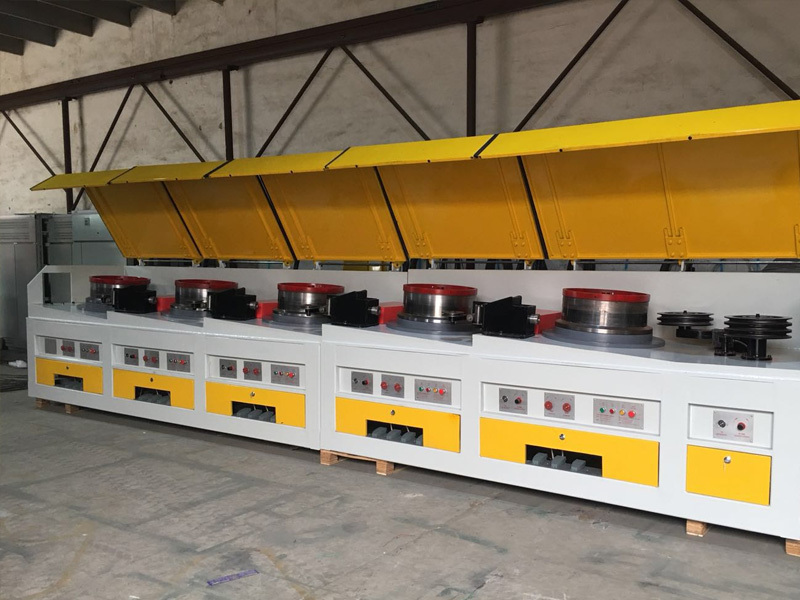
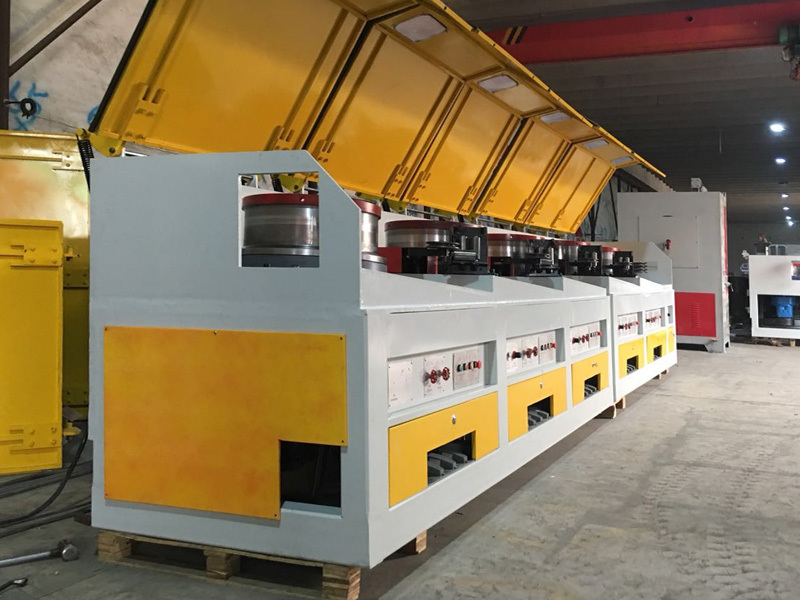
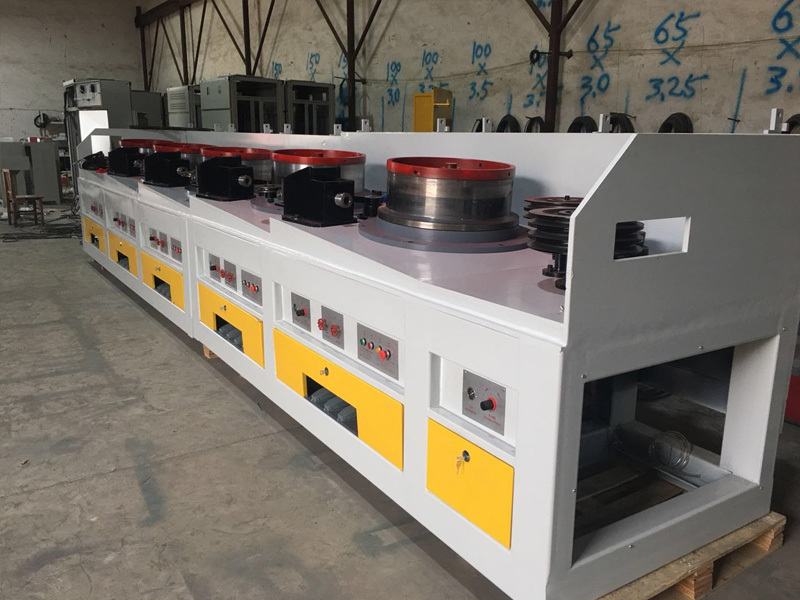
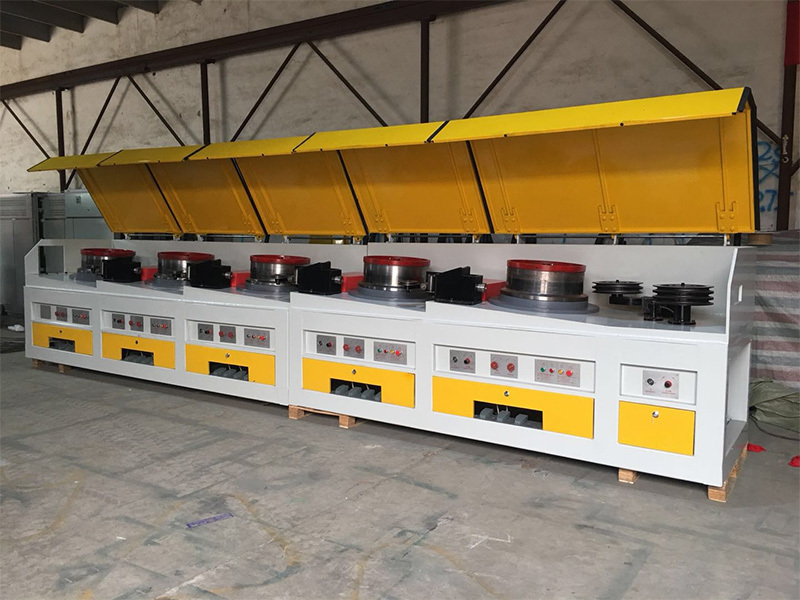
Wire drawing machines are essential tools in the manufacturing industry, particularly in metal processing. They are widely used for transforming metal rods or wire coils into thinner and more precise wires. This process involves pulling the wire through a series of dies, gradually reducing its diameter while maintaining its strength and quality. The result is a smooth, uniform, and highly ductile wire that meets specific industry requirements.
2. Types of Wire Drawing Machines
There are various types of wire drawing machines available, each designed to cater to specific applications. The most common types include:
- Single Block Wire Drawing Machine: This type of machine features a single block for wire drawing. It is suitable for smaller-scale operations and is known for its simplicity and cost-effectiveness.
- Continuous Wire Drawing Machine: As the name suggests, this machine allows for continuous wire drawing without any interruptions. It is ideal for high-volume production and offers excellent efficiency and productivity.
- Multi-Block Wire Drawing Machine: This advanced machine consists of multiple blocks, each performing a specific drawing function. It is capable of handling different wire sizes and offers enhanced precision.
3. Key Factors to Consider
When selecting the best OEM horizontal type wire drawing machine, several crucial factors should be taken into account. These factors will directly impact the machine's performance, productivity, and overall value for your business. Let's explore them in detail.
4. Capacity and Output
One of the primary considerations is the machine's capacity and output. Determine the specific wire diameter range and production volume you require. Look for a machine that can handle your desired wire size and meet your production demands efficiently. Consider both the maximum and minimum wire diameter capacities to ensure versatility.
5. Efficiency and Speed
Efficiency and speed are vital for maximizing productivity and reducing downtime. Look for a wire drawing machine that offers high drawing speeds while maintaining excellent accuracy and quality. Consider features such as adjustable drawing speed, automatic lubrication systems, and advanced control panels for seamless operation.
6. Durability and Maintenance
Investing in a durable machine is essential to minimize maintenance costs and prolong the machine's lifespan. Look for a wire drawing machine constructed with high-quality materials and robust components. Additionally, consider the ease of maintenance, availability of spare parts, and after-sales support from the manufacturer.
7. Safety Features
Safety should never be compromised in any manufacturing process. Ensure that the wire drawing machine you choose incorporates essential safety features, such as emergency stop buttons, protective enclosures, and safety interlocks. This will protect operators from potential hazards and provide a secure working environment.
8. Selecting the Right Supplier
Choosing a reputable and reliable supplier is crucial in obtaining a high-quality wire drawing machine. Look for a supplier with a strong track record and positive customer reviews. Consider their expertise, experience, and the level of support they offer throughout the purchasing process. A trustworthy supplier will provide valuable guidance and assistance to ensure you make the right choice.
9. Frequently Asked Questions
FAQ 1: What wire materials can be processed by a horizontal type wire drawing machine?
A horizontal type wire drawing machine can process various wire materials, including steel, aluminum, copper, brass, and more. The suitability may vary based on the machine's design and capabilities, so it's essential to consult the manufacturer or supplier for specific material compatibility.
FAQ 2: Is operator training necessary for using a wire drawing machine?
Yes, operator training is highly recommended to ensure safe and efficient operation of the wire drawing machine. The manufacturer or supplier should provide proper training and guidelines on machine usage, maintenance, and troubleshooting.
FAQ 3: Can a wire drawing machine be customized to meet specific requirements?
Yes, many manufacturers offer customization options to tailor the wire drawing machine according to specific requirements. This may include modifications in wire diameter range, production speed, control systems, and more. Discuss your specific needs with the supplier to explore customization possibilities.
FAQ 4: What are the maintenance requirements for a wire drawing machine?
Maintenance requirements may vary depending on the machine model and specifications. Regular cleaning, lubrication, and inspection of components are generally recommended to ensure optimal performance and longevity. Follow the manufacturer's guidelines and schedule routine maintenance checks to avoid unexpected breakdowns.
FAQ 5: How long does it take to install a wire drawing machine?
The installation time for a wire drawing machine can vary based on its complexity and size. It typically ranges from a few days to a couple of weeks. The manufacturer or supplier should provide installation support and guidance to ensure a smooth setup process.
10. Conclusion
Choosing the best OEM horizontal type wire drawing machine requires careful consideration of factors such as capacity, efficiency, durability, and safety features. By understanding your specific requirements and working with a reputable supplier, you can invest in a machine that will enhance your wire drawing process and contribute to your business's success. Evaluate your options, ask the right questions, and make an informed decision to ensure a seamless and efficient wire drawing operation.
Key words:


☎️Phone
* Please Enter Keywords
The company specializes in the development and manufacture of a complete set of welding wire production lines and a complete set of metal wire drawing machines 📮 info@cnwiremachine.com