
 Esperanto
 Shqiptare
 Euskara
 Zulu
Zulu
 Latinus
 Cymraeg
 தமிழ்
தமிழ்
 Slovak
 Slovak
 Afrikaans
News Hotspot
Contact Info
Hotline: +86-18831168296
E-mail: Info@cnwiremachine.com
Add: Gaoqian West Street, Sijiazhuang Town, Luquan District, Shijiazhuang City, Hebei Province
How to Use a Pulley Drawing Machine for Efficient Manufacturing
Release Time:
Dec 26,2023
Table of Contents: 1. Introduction 2. What is a Pulley Drawing Machine? 3. Benefits of Using a Pulley Drawing Machine in Manufacturing 4. Step-by-Step Guide on How to Use a Pulley Drawing Machine 4.1 Setting Up the Machine 4.2 Preparing the Materials 4.3 Understanding the Drawing Process 4.4 Loading the Materials 4.5 Adjusting the Machine Settings 4.6 Initiating the Drawing Proce
1. Introduction
2. What is a Pulley Drawing Machine?
3. Benefits of Using a Pulley Drawing Machine in Manufacturing
4. Step-by-Step Guide on How to Use a Pulley Drawing Machine
4.1 Setting Up the Machine
4.2 Preparing the Materials
4.3 Understanding the Drawing Process
4.4 Loading the Materials
4.5 Adjusting the Machine Settings
4.6 Initiating the Drawing Process
4.7 Monitoring the Operation
5. Tips for Efficient and Safe Operation
5.1 Regular Maintenance and Cleaning
5.2 Ensuring Proper Safety Measures
5.3 Optimizing the Machine for Different Materials
5.4 Monitoring and Analyzing Performance
6. Frequently Asked Questions (FAQs)
6.1 Can I use a pulley drawing machine for different materials?
6.2 How often should I clean and maintain the machine?
6.3 What safety precautions should I take when operating the machine?
6.4 How can I optimize the machine for different drawing requirements?
6.5 What performance indicators should I monitor to ensure efficiency?
7. Conclusion
1. Introduction
In the world of manufacturing, efficiency and productivity are crucial factors for success. One tool that has proven to be highly effective in streamlining the manufacturing process is the pulley drawing machine. This article aims to provide a comprehensive guide on how to use a pulley drawing machine for efficient manufacturing.
2. What is a Pulley Drawing Machine?
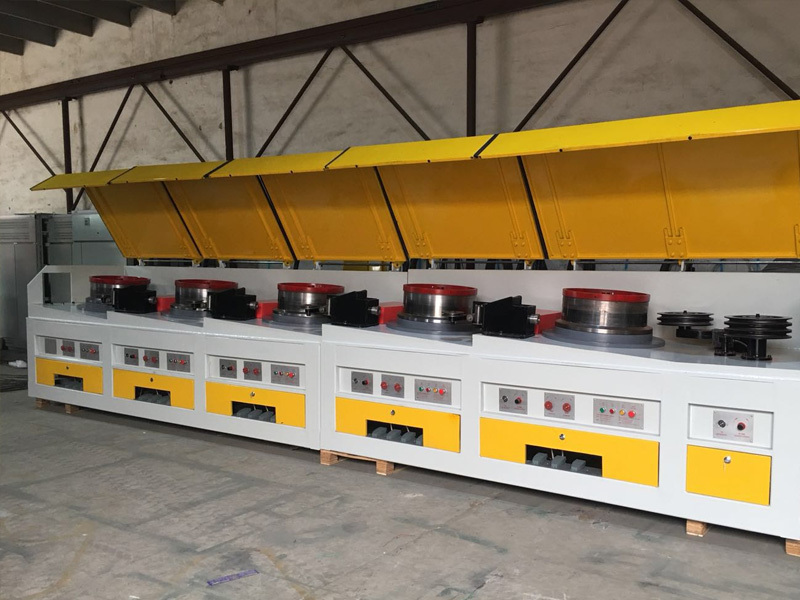
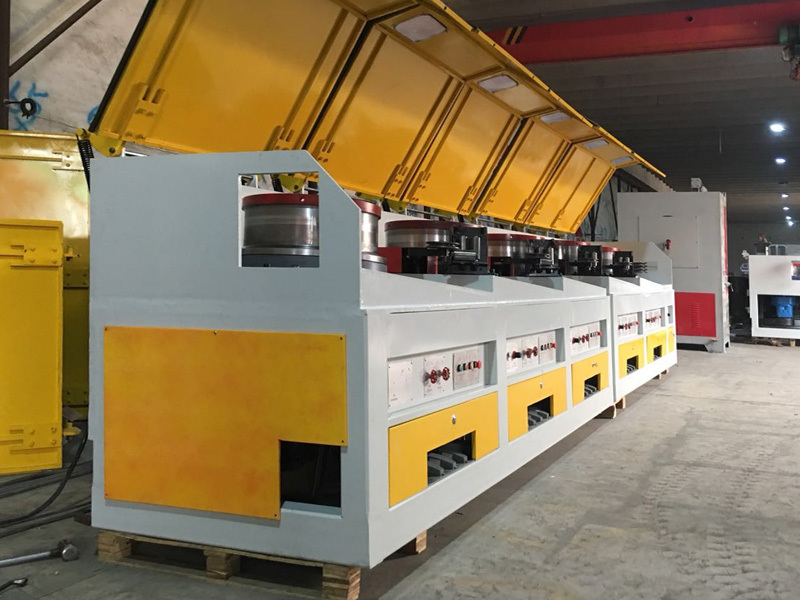
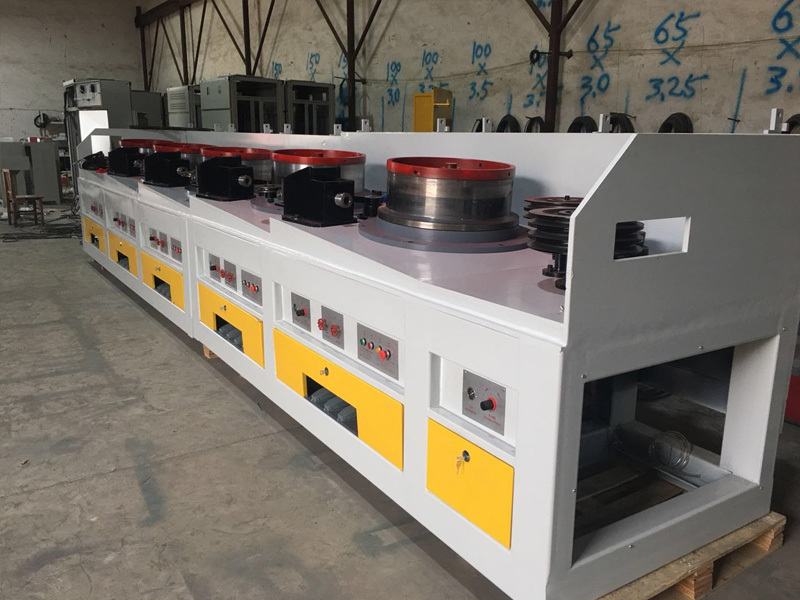
A pulley drawing machine is a specialized device used for shaping and forming various materials, such as metal, plastic, or wire. It utilizes a system of pulleys and rollers to apply force and tension to the material, resulting in the desired shape or size. This machine is commonly used in industries that require precise and accurate manufacturing processes, such as automotive, aerospace, and electronics.
3. Benefits of Using a Pulley Drawing Machine in Manufacturing
Using a pulley drawing machine offers numerous benefits for manufacturers. Firstly, it allows for precise control over the shaping process, ensuring consistent and accurate results. Secondly, it saves time and labor as it can perform complex shaping tasks quickly and efficiently. Additionally, the machine helps minimize material waste, further enhancing cost-effectiveness. Lastly, it improves overall product quality by providing a uniform and refined finish.
4. Step-by-Step Guide on How to Use a Pulley Drawing Machine
To successfully utilize a pulley drawing machine, follow these step-by-step instructions:
4.1 Setting Up the Machine
Begin by ensuring that the pulley drawing machine is properly installed and securely anchored. Check for any loose components or potential hazards that may interfere with the operation.
4.2 Preparing the Materials
Prepare the materials you intend to shape using the machine. This may involve cutting the materials to the appropriate size and ensuring they are clean and free from any contaminants that could affect the drawing process.
4.3 Understanding the Drawing Process
Familiarize yourself with the principles and techniques involved in the drawing process. This includes understanding the material's behavior under tension and the optimal settings for achieving the desired shape or size.
4.4 Loading the Materials
Carefully load the prepared materials onto the machine, ensuring they are properly aligned. Make any necessary adjustments to ensure a secure and stable setup.
4.5 Adjusting the Machine Settings
Configure the pulley drawing machine's settings according to the specific requirements of your manufacturing process. This may include adjusting the tension, speed, and other variables based on the material and desired outcome.
4.6 Initiating the Drawing Process
Start the machine and allow it to begin the drawing process. Monitor the operation closely, ensuring that the machine is functioning smoothly and that the materials are being shaped as intended.
4.7 Monitoring the Operation
Continuously monitor the machine's performance throughout the drawing process. Look for any signs of abnormalities, such as excessive vibrations or irregularities in the shape or size of the materials. Make adjustments as necessary to maintain optimal results.
5. Tips for Efficient and Safe Operation
To maximize the efficiency and safety of using a pulley drawing machine, consider the following tips:
5.1 Regular Maintenance and Cleaning
Perform regular maintenance and cleaning to keep the machine in optimal condition. This includes lubricating moving parts, inspecting for wear and tear, and addressing any issues promptly.
5.2 Ensuring Proper Safety Measures
Adhere to all safety guidelines and protocols when operating the pulley drawing machine. This includes using appropriate personal protective equipment, such as gloves and safety glasses, and avoiding any actions that could pose a risk to yourself or others.
5.3 Optimizing the Machine for Different Materials
Understand that different materials may require adjustments to the machine settings to achieve the desired results. Experiment with various parameters to optimize the machine's performance for different materials and applications.
5.4 Monitoring and Analyzing Performance
Regularly monitor and analyze the machine's performance to identify any areas for improvement. Keep track of key performance indicators, such as production output, material waste, and cycle times, to ensure optimal efficiency.
6. Frequently Asked Questions (FAQs)
Here are some commonly asked questions about using a pulley drawing machine:
6.1 Can I use a pulley drawing machine for different materials?
Yes, a pulley drawing machine can be used for various materials, including metal, plastic, and wire. However, it may require adjustments to the machine settings and techniques to suit each material's characteristics.
6.2 How often should I clean and maintain the machine?
Regular cleaning and maintenance should be performed based on the manufacturer's recommendations. This may vary depending on the machine's usage and environmental conditions but is typically done on a monthly or quarterly basis.
6.3 What safety precautions should I take when operating the machine?
Ensure proper training and understanding of the machine's safety protocols. Always wear appropriate personal protective equipment, maintain a clear workspace, and follow the manufacturer's guidelines to minimize the risk of accidents or injuries.
6.4 How can I optimize the machine for different drawing requirements?
Experiment with different machine settings, such as tension, speed, and die selection, to achieve the desired shape or size for different drawing requirements. Consult the machine's manual or seek expert advice for specific material recommendations.
6.5 What performance indicators should I monitor to ensure efficiency?
Key performance indicators to monitor include production output, material waste, cycle times, and product quality. Analyzing these metrics can help identify areas for improvement and optimize the machine's efficiency.
7. Conclusion
Using a pulley drawing machine can significantly enhance manufacturing efficiency and productivity. By following the step-by-step guide and implementing the provided tips, you can harness the full potential of this powerful tool. Remember to prioritize safety, maintenance, and continuous improvement in order to achieve optimal results in your manufacturing process.
Key words:


☎️Phone
* Please Enter Keywords
The company specializes in the development and manufacture of a complete set of welding wire production lines and a complete set of metal wire drawing machines 📮 info@cnwiremachine.com