
 Esperanto
 Shqiptare
 Euskara
 Zulu
Zulu
 Latinus
 Cymraeg
 தமிழ்
தமிழ்
 Slovak
 Slovak
 Afrikaans
News Hotspot
Contact Info
Hotline: +86-18831168296
E-mail: Info@cnwiremachine.com
Add: Gaoqian West Street, Sijiazhuang Town, Luquan District, Shijiazhuang City, Hebei Province
Maximizing Efficiency with a Horizontal Type Wire Drawing Machine
Release Time:
Dec 27,2023
Table of Contents: 1. Introduction 2. Understanding Wire Drawing Machines 3. The Advantages of Horizontal Type Wire Drawing Machines 4. Key Features and Components 4.1 Main Drive System 4.2 Wire Inlet and Straightening Unit 4.3 Drawing Dies and Die Holders 4.4 Lubrication System 4.5 Cooling System 5. Optimizing Efficiency with a Horizontal Type Wire Drawing Machine 5.1 Proper Equ
1. Introduction
2. Understanding Wire Drawing Machines
3. The Advantages of Horizontal Type Wire Drawing Machines
4. Key Features and Components
4.1 Main Drive System
4.2 Wire Inlet and Straightening Unit
4.3 Drawing Dies and Die Holders
4.4 Lubrication System
4.5 Cooling System
5. Optimizing Efficiency with a Horizontal Type Wire Drawing Machine
5.1 Proper Equipment Selection
5.2 Maintaining the Machine
5.3 Ensuring Correct Wire Input
5.4 Adjusting Drawing Speed and Tension
5.5 Regular Lubrication and Cooling
6. Frequently Asked Questions (FAQs)
6.1 What materials can be processed using a horizontal type wire drawing machine?
6.2 How often should I clean and lubricate the machine?
6.3 Can wire diameter be adjusted during the drawing process?
6.4 Are there any safety precautions to consider when operating the machine?
6.5 Can a horizontal type wire drawing machine be customized for specific applications?
7. Conclusion
1. Introduction
In the world of manufacturing and metal processing, efficiency is key. Companies are constantly seeking ways to streamline their operations and increase productivity. One crucial component in this pursuit is the horizontal type wire drawing machine. This article aims to explore the benefits of this machine and provide insights on how to maximize its efficiency.
2. Understanding Wire Drawing Machines
Wire drawing machines are essential tools used to reduce the diameter and improve the surface finish of metal wires. They work by pulling the wire through a series of dies, gradually reducing its diameter and increasing its length. This process enhances the wire's mechanical properties and enables its use in various applications.
3. The Advantages of Horizontal Type Wire Drawing Machines
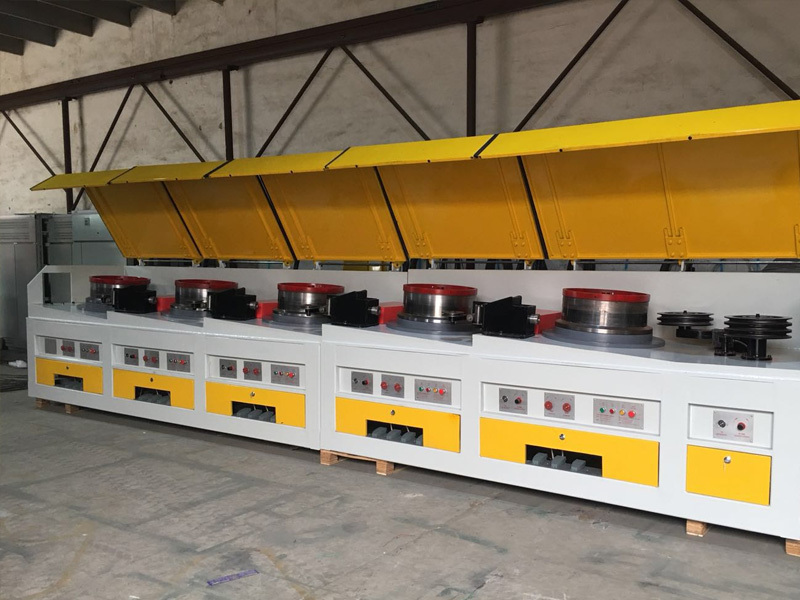
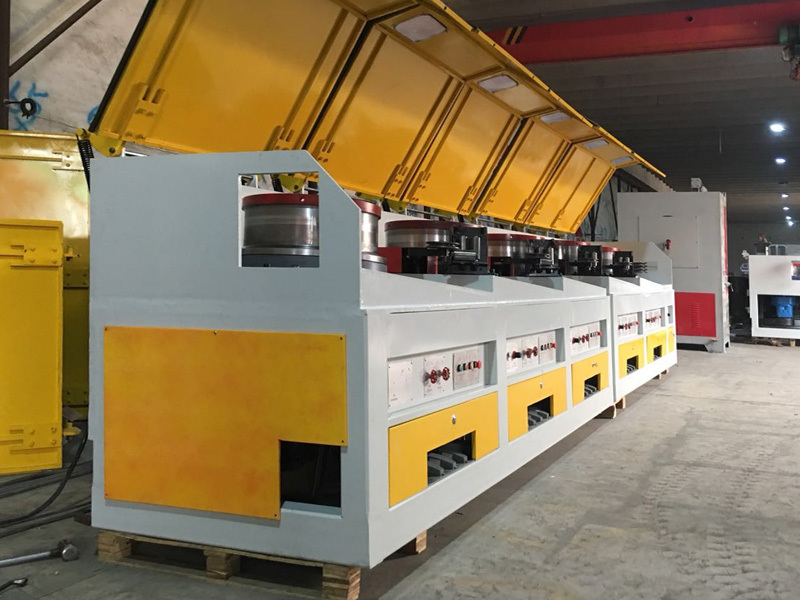
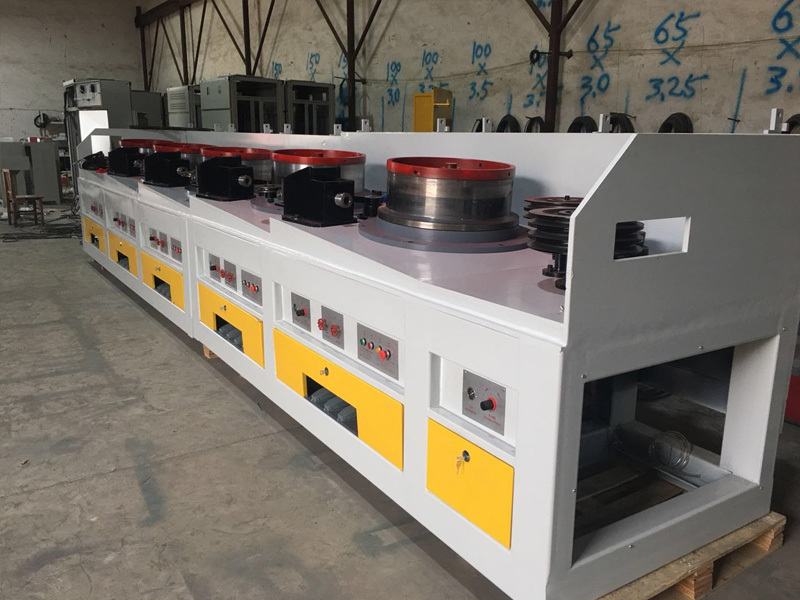
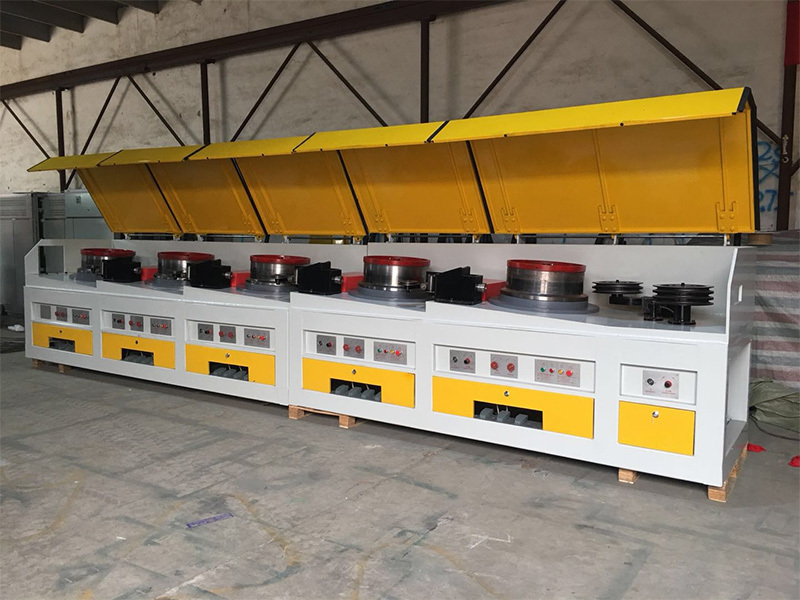
Horizontal type wire drawing machines offer several advantages over other types. Their horizontal design allows for easier wire threading, maintenance, and monitoring. Additionally, they provide a higher drawing speed and can handle a wider range of wire diameters. These machines are versatile and widely used in industries such as automotive, construction, and electrical.
4. Key Features and Components
To better understand how to optimize the use of a horizontal type wire drawing machine, it's important to familiarize yourself with its key features and components.
4.1 Main Drive System
The main drive system is responsible for powering the machine and controlling its speed. It consists of a motor, gearbox, and pulleys. Proper maintenance and regular inspection of this system are crucial for ensuring smooth and efficient operation.
4.2 Wire Inlet and Straightening Unit
The wire inlet and straightening unit play a vital role in ensuring the wire's proper alignment and uniformity. They remove any twists or bends in the wire, allowing it to smoothly pass through the drawing dies.
4.3 Drawing Dies and Die Holders
Drawing dies are the heart of the wire drawing process. They determine the final wire diameter and surface finish. Die holders securely hold the dies in place and ensure proper alignment. Regular inspection and replacement of worn-out dies are essential for maintaining optimal performance.
4.4 Lubrication System
A well-lubricated wire drawing process reduces friction and heat, prolonging the lifespan of the dies and improving the wire's surface finish. The lubrication system consists of pumps, filters, and distribution channels. Regular cleaning and lubrication are necessary to prevent clogging and ensure smooth operation.
4.5 Cooling System
The cooling system prevents excessive heat buildup during the wire drawing process. It typically involves water or air cooling methods to maintain optimal temperatures. Proper cooling helps maintain the wire's mechanical properties and prevents damage to the machine.
5. Optimizing Efficiency with a Horizontal Type Wire Drawing Machine
To maximize efficiency and achieve optimal results with a horizontal type wire drawing machine, consider the following factors:
5.1 Proper Equipment Selection
Choose a machine that suits your specific wire drawing requirements. Consider factors such as wire diameter range, drawing speed, and material capabilities. Investing in a reliable and high-quality machine from a reputable manufacturer is crucial for long-term efficiency.
5.2 Maintaining the Machine
Regular maintenance is crucial for ensuring the machine operates at its best. Follow the manufacturer's guidelines for cleaning, lubrication, and inspection schedules. Promptly address any issues or abnormalities to prevent costly downtime.
5.3 Ensuring Correct Wire Input
Properly align the wire and ensure a constant and steady feed into the machine. Incorrect wire input can result in uneven drawing and poor surface finish. Regularly inspect the wire inlet and straightening unit to ensure smooth wire flow.
5.4 Adjusting Drawing Speed and Tension
Optimize the drawing speed and tension based on the wire material and desired output. Experiment with different settings to achieve the best balance between productivity and wire quality.
5.5 Regular Lubrication and Cooling
Maintain a well-functioning lubrication and cooling system. Use high-quality lubricants suitable for the wire material and ensure proper distribution. Monitor cooling system performance to prevent overheating and maintain the desired wire properties.
6. Frequently Asked Questions (FAQs)
6.1 What materials can be processed using a horizontal type wire drawing machine?
Horizontal type wire drawing machines can process various materials, including steel, copper, aluminum, and alloys.
6.2 How often should I clean and lubricate the machine?
Regular cleaning and lubrication depend on the wire drawing frequency and operating conditions. Follow the manufacturer's recommendations for specific maintenance intervals.
6.3 Can wire diameter be adjusted during the drawing process?
No, wire diameter adjustments are typically made by changing the drawing dies. It is essential to stop the machine and safely replace the dies.
6.4 Are there any safety precautions to consider when operating the machine?
Yes, always follow safety guidelines and use appropriate personal protective equipment. Ensure the machine is properly grounded and operators are trained in its safe operation.
6.5 Can a horizontal type wire drawing machine be customized for specific applications?
Yes, reputable manufacturers often offer customization options to meet specific customer requirements. Consult with the manufacturer to discuss your specific needs.
7. Conclusion
Maximizing efficiency with a horizontal type wire drawing machine is crucial for enhancing productivity and achieving high-quality wire products. By selecting the right machine, maintaining its components, optimizing wire input, adjusting drawing parameters, and ensuring proper lubrication and cooling, manufacturers can unlock the full potential of this powerful equipment. Invest in the right machine, follow proper maintenance procedures, and continuously strive for improvement to stay ahead in the competitive manufacturing industry.
Key words:


☎️Phone
* Please Enter Keywords
The company specializes in the development and manufacture of a complete set of welding wire production lines and a complete set of metal wire drawing machines 📮 info@cnwiremachine.com