
 Esperanto
 Shqiptare
 Euskara
 Zulu
Zulu
 Latinus
 Cymraeg
 தமிழ்
தமிழ்
 Slovak
 Slovak
 Afrikaans
News Hotspot
Contact Info
Hotline: +86-18831168296
E-mail: Info@cnwiremachine.com
Add: Gaoqian West Street, Sijiazhuang Town, Luquan District, Shijiazhuang City, Hebei Province
The Ultimate Guide to Buying a Layer Winding Machine
Release Time:
Dec 28,2023
Table of Contents: 1. Introduction 2. Understanding Layer Winding Machines 3. Benefits of Layer Winding Machines 4. Factors to Consider When Buying a Layer Winding Machine 4.1. Machine Capacity 4.2. Material Compatibility 4.3. Automation and Control Systems 4.4. Maintenance and Support 5. Different Types of Layer Winding Machines 5.1. Manual Layer Winding Machines 5.2. Semi
1. Introduction
2. Understanding Layer Winding Machines
3. Benefits of Layer Winding Machines
4. Factors to Consider When Buying a Layer Winding Machine
4.1. Machine Capacity
4.2. Material Compatibility
4.3. Automation and Control Systems
4.4. Maintenance and Support
5. Different Types of Layer Winding Machines
5.1. Manual Layer Winding Machines
5.2. Semi-Automatic Layer Winding Machines
5.3. Fully Automatic Layer Winding Machines
6. Top Manufacturers of Layer Winding Machines
6.1. Manufacturer A
6.2. Manufacturer B
6.3. Manufacturer C
7. How to Choose the Right Layer Winding Machine for Your Business
8. Frequently Asked Questions (FAQs)
8.1. What is the purpose of a layer winding machine?
8.2. Can a layer winding machine handle different materials?
8.3. Are layer winding machines easy to maintain?
8.4. How long does it take to set up and operate a layer winding machine?
8.5. What safety features should I look for in a layer winding machine?
9. Conclusion
1. Introduction
Welcome to the ultimate guide to buying a layer winding machine. In this article, we will explore the various aspects of these machines, their benefits, factors to consider when purchasing one, different types available in the market, top manufacturers, and ultimately, how to choose the right one for your business.
2. Understanding Layer Winding Machines
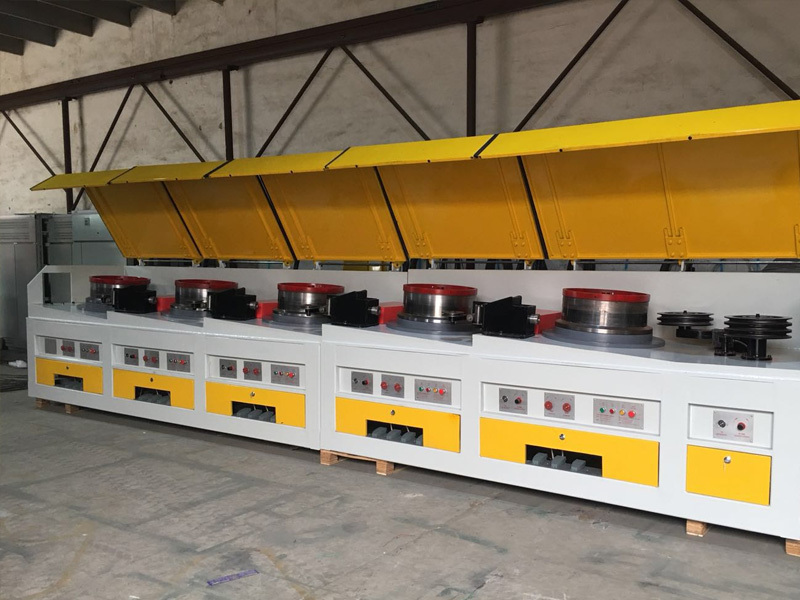
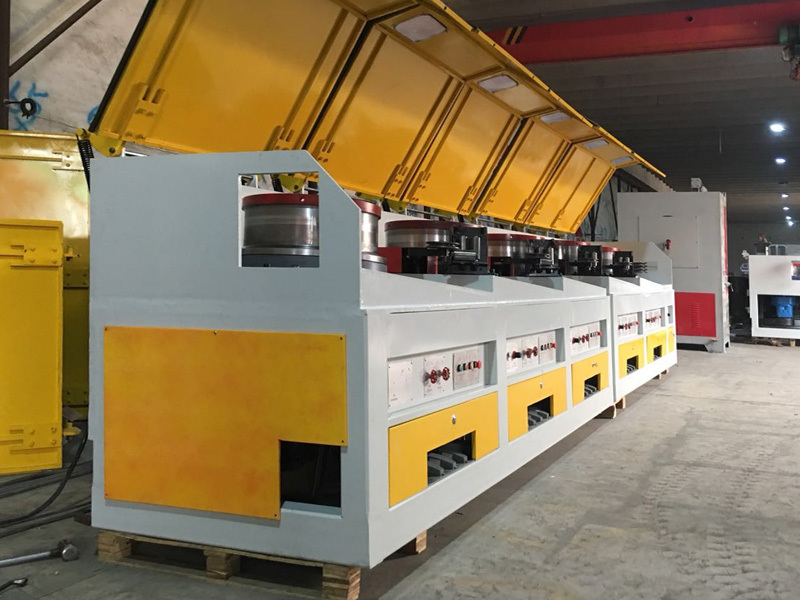
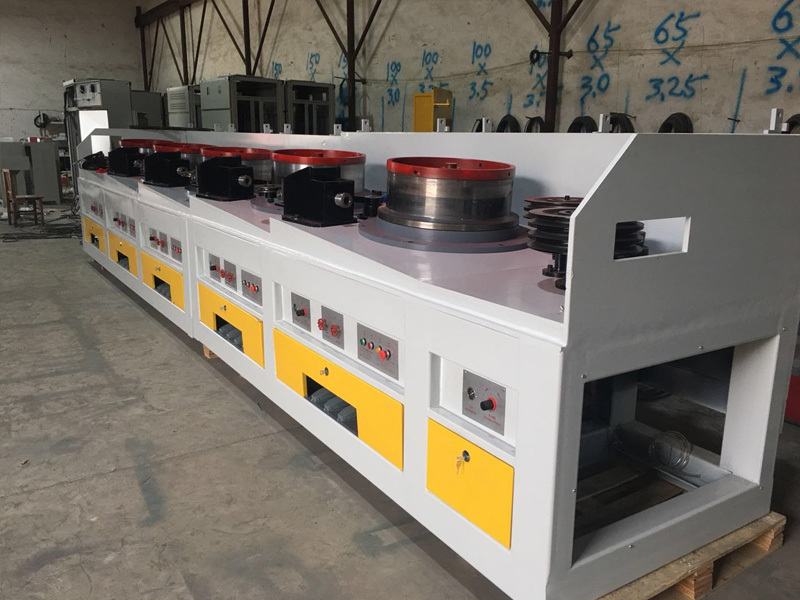
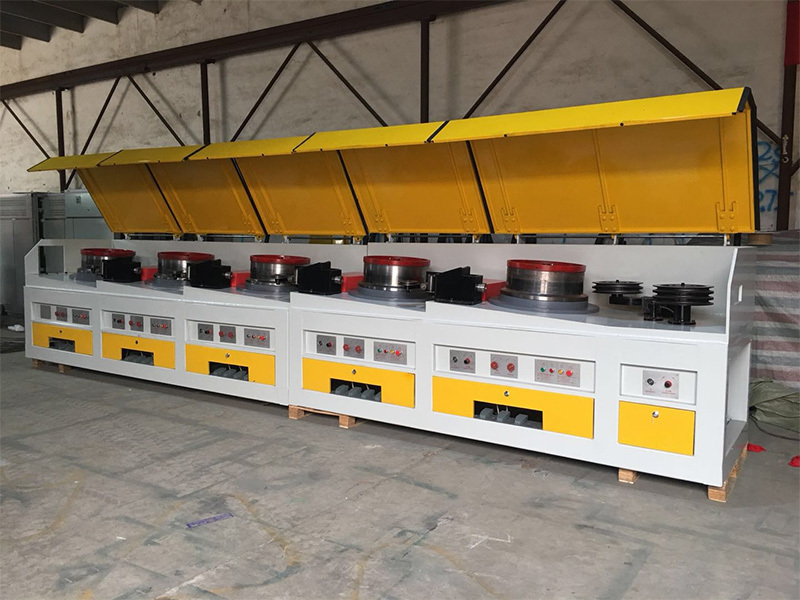
A layer winding machine is an essential manufacturing equipment used in various industries to wind materials such as wires, cables, films, and tapes onto spools or reels in a precise and organized manner. It ensures uniform layering, optimal tension control, and efficient production.
3. Benefits of Layer Winding Machines
Layer winding machines offer numerous benefits to manufacturing processes. They enhance productivity, improve product quality, reduce material waste, enable easy customization, and provide cost-effective solutions. With their advanced features and automation capabilities, these machines significantly streamline production operations.
4. Factors to Consider When Buying a Layer Winding Machine
4.1. Machine Capacity
Consider the required winding capacity of your manufacturing processes. Evaluate the maximum spool diameter, weight, and length that the machine can handle to ensure it meets your production demands.
4.2. Material Compatibility
Check the compatibility of the machine with the materials you intend to wind. Different layer winding machines are designed to handle specific materials, such as wires, cables, or films. Ensure the machine can accommodate your desired materials without compromising quality.
4.3. Automation and Control Systems
Evaluate the level of automation and control systems offered by the machine. Automatic tension control, layer counting, speed adjustment, and programmable settings can significantly enhance productivity and reduce manual errors.
4.4. Maintenance and Support
Consider the availability of maintenance and support services for the layer winding machine. Opt for a manufacturer or supplier that offers prompt technical assistance, spare parts availability, and comprehensive training to ensure smooth operations and minimize downtime.
5. Different Types of Layer Winding Machines
5.1. Manual Layer Winding Machines
Ideal for small-scale operations or prototype development, manual layer winding machines require manual intervention for each winding process. These machines offer simplicity and affordability but may have limitations in terms of speed and efficiency.
5.2. Semi-Automatic Layer Winding Machines
Combining manual and automatic functionalities, semi-automatic layer winding machines are suitable for medium-scale production. They provide enhanced automation features while still allowing operator control and flexibility.
5.3. Fully Automatic Layer Winding Machines
Designed for high-volume production, fully automatic layer winding machines offer maximum automation and efficiency. These machines can handle complex winding patterns, provide advanced control systems, and optimize productivity.
6. Top Manufacturers of Layer Winding Machines
6.1. Manufacturer A
Manufacturer A is a renowned industry leader in layer winding machine manufacturing. With years of experience and a reputation for superior quality, they offer a wide range of machines suitable for various industries and applications.
6.2. Manufacturer B
Manufacturer B specializes in customized layer winding machines tailored to specific customer requirements. They prioritize innovation, reliability, and customer satisfaction, making them a trusted choice in the market.
6.3. Manufacturer C
Manufacturer C is known for its technologically advanced layer winding machines that incorporate cutting-edge features and automation capabilities. Their machines offer high precision, efficiency, and durability.
7. How to Choose the Right Layer Winding Machine for Your Business
To select the most suitable layer winding machine for your business, consider your production requirements, material compatibility, automation needs, and budget constraints. Conduct thorough research, read customer reviews, and consult industry experts to make an informed decision.
8. Frequently Asked Questions (FAQs)
8.1. What is the purpose of a layer winding machine?
A layer winding machine is used to wind materials onto spools or reels in a precise and organized manner, ensuring uniform layering and optimal tension control.
8.2. Can a layer winding machine handle different materials?
Yes, layer winding machines are available in various configurations to handle different materials, such as wires, cables, films, and tapes.
8.3. Are layer winding machines easy to maintain?
Layer winding machines require regular maintenance to ensure optimal performance. However, manufacturers usually provide detailed maintenance instructions and offer support services.
8.4. How long does it take to set up and operate a layer winding machine?
The setup and operation time of a layer winding machine depend on various factors, such as machine complexity, operator experience, and material specifications. Manufacturers typically provide training and guidelines for efficient setup and operation.
8.5. What safety features should I look for in a layer winding machine?
Safety features may include emergency stop buttons, protective guards, overload protection, and operator-friendly interfaces. It is crucial to prioritize safety when selecting a layer winding machine.
9. Conclusion
In conclusion, purchasing a layer winding machine requires careful consideration of various factors such as machine capacity, material compatibility, automation features, and maintenance support. By understanding the functionalities and benefits of these machines, evaluating different types and manufacturers, and conducting thorough research, you can make an informed decision and choose the right layer winding machine that meets your specific manufacturing needs.
Key words:


☎️Phone
* Please Enter Keywords
The company specializes in the development and manufacture of a complete set of welding wire production lines and a complete set of metal wire drawing machines 📮 info@cnwiremachine.com