
 Esperanto
 Shqiptare
 Euskara
 Zulu
Zulu
 Latinus
 Cymraeg
 தமிழ்
தமிழ்
 Slovak
 Slovak
 Afrikaans
News Hotspot
Contact Info
Hotline: +86-18831168296
E-mail: Info@cnwiremachine.com
Add: Gaoqian West Street, Sijiazhuang Town, Luquan District, Shijiazhuang City, Hebei Province
The Ultimate Guide to Buying a Pulley Drawing Machine
Release Time:
Dec 30,2023
Table of Contents: 1. Introduction: What is a Pulley Drawing Machine? 2. Types of Pulley Drawing Machines 2.1 Electric Pulley Drawing Machines 2.2 Hydraulic Pulley Drawing Machines 2.3 Manual Pulley Drawing Machines 3. Factors to Consider When Buying a Pulley Drawing Machine 3.1 Capacity and Load Rating 3.2 Size and Weight 3.3 Durability and Construction 3.4 Safety Features
1. Introduction: What is a Pulley Drawing Machine?
2. Types of Pulley Drawing Machines
2.1 Electric Pulley Drawing Machines
2.2 Hydraulic Pulley Drawing Machines
2.3 Manual Pulley Drawing Machines
3. Factors to Consider When Buying a Pulley Drawing Machine
3.1 Capacity and Load Rating
3.2 Size and Weight
3.3 Durability and Construction
3.4 Safety Features
3.5 Ease of Use and Maintenance
3.6 Price and Budget
4. Key Features to Look for in a Pulley Drawing Machine
4.1 Power Source and Motor Strength
4.2 Speed and Control Options
4.3 Drawing Depth and Precision
4.4 Adjustable Settings and Accessories
4.5 Noise and Vibration Levels
4.6 Brand Reputation and Customer Reviews
5. FAQs about Pulley Drawing Machines
5.1 What is the purpose of a pulley drawing machine?
5.2 How does a pulley drawing machine work?
5.3 Are pulley drawing machines safe to use?
5.4 Can I use a pulley drawing machine for different materials?
5.5 How much does a pulley drawing machine cost?
6. Conclusion: Choosing the Right Pulley Drawing Machine for You
1. Introduction: What is a Pulley Drawing Machine?
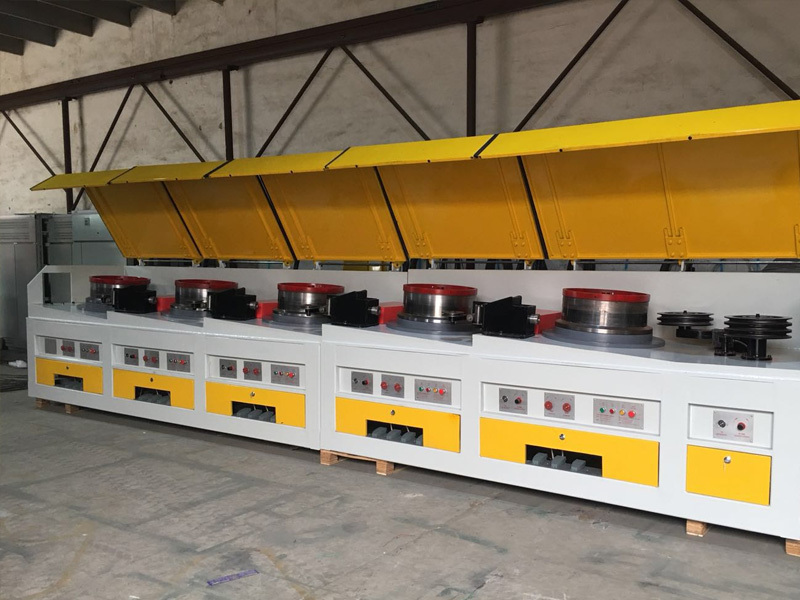
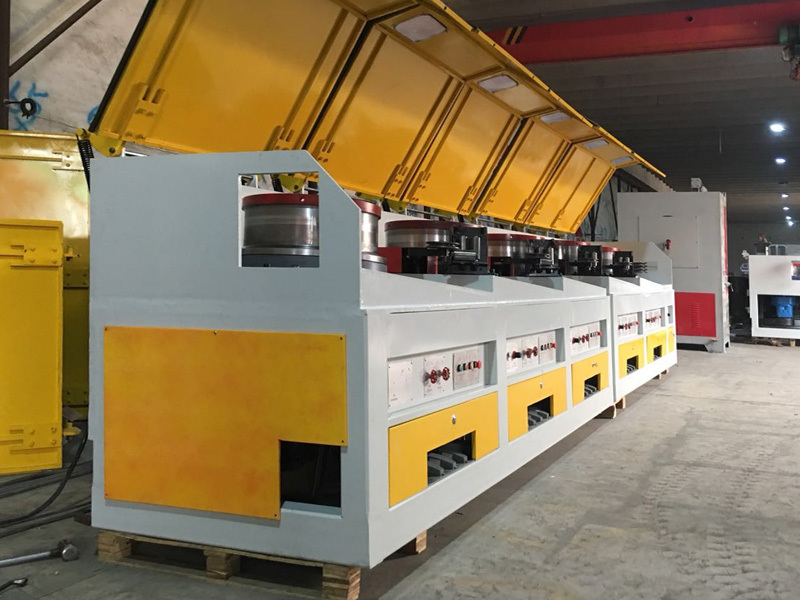
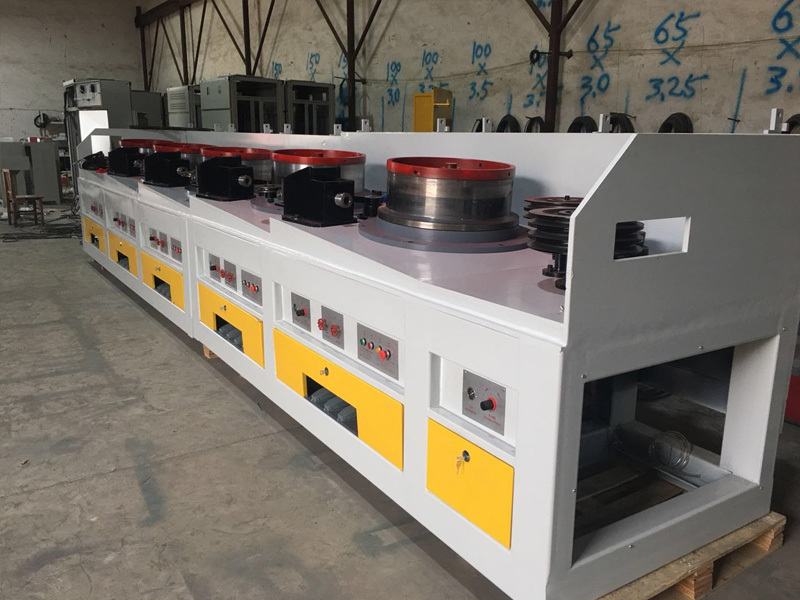
A pulley drawing machine is a versatile tool used in manufacturing and processing industries to shape metal or other materials into desired forms. It works by pulling or drawing the material through a set of pulleys, exerting controlled force and pressure to achieve the desired outcome. These machines are widely used in various applications such as wire drawing, tube drawing, and sheet metal forming.
2. Types of Pulley Drawing Machines
2.1 Electric Pulley Drawing Machines
Electric pulley drawing machines are powered by electricity and offer high efficiency and precision. They are suitable for heavy-duty applications and provide consistent and reliable performance. These machines are often equipped with advanced features such as adjustable speed controls and automatic lubrication systems.
2.2 Hydraulic Pulley Drawing Machines
Hydraulic pulley drawing machines utilize hydraulic power to exert force and pressure on the material being drawn. They are known for their high capacity and are ideal for handling large-scale operations. These machines are generally more expensive than electric or manual options but offer superior strength and versatility.
2.3 Manual Pulley Drawing Machines
Manual pulley drawing machines are operated by hand and are typically used for smaller-scale projects or occasional use. They are lightweight, portable, and cost-effective. While they may lack some of the advanced features found in electric or hydraulic machines, they are suitable for simple drawing tasks and offer ease of use.
3. Factors to Consider When Buying a Pulley Drawing Machine
3.1 Capacity and Load Rating
Consider the maximum capacity and load rating of the machine to ensure it can handle the materials you intend to draw. This includes considering the thickness, width, and length of the material.
3.2 Size and Weight
Evaluate the size and weight of the machine to determine if it is suitable for your workspace. Consider factors such as portability and the availability of adequate space for installation.
3.3 Durability and Construction
Look for a machine made from high-quality materials that can withstand the rigors of frequent use. Consider factors such as the frame construction, pulley materials, and overall build quality.
3.4 Safety Features
Ensure the machine has necessary safety features such as emergency stop buttons, guards, and safety interlocks. Safety should be a top priority when working with any machinery.
3.5 Ease of Use and Maintenance
Choose a machine that is user-friendly and easy to operate. Additionally, consider the maintenance requirements and availability of spare parts for future servicing.
3.6 Price and Budget
Set a budget based on your requirements and compare different machines within your price range. Remember that investing in a high-quality machine can lead to long-term cost savings.
4. Key Features to Look for in a Pulley Drawing Machine
4.1 Power Source and Motor Strength
Evaluate whether an electric or hydraulic power source is more suitable for your needs. Consider the motor strength and its ability to handle the required drawing tasks.
4.2 Speed and Control Options
Look for a machine with adjustable speed settings to accommodate different materials and drawing requirements. Consider whether manual or automatic control options are more convenient for your operations.
4.3 Drawing Depth and Precision
Assess the machine's drawing depth capabilities to ensure it meets your specific requirements. Look for features such as adjustable die sets and precision control for accurate results.
4.4 Adjustable Settings and Accessories
Consider the availability of adjustable settings and accessories such as die sets, guide rollers, and lubrication systems. These features can enhance the versatility and performance of the machine.
4.5 Noise and Vibration Levels
Check for noise and vibration reduction features, especially if the machine will be operating in an enclosed or noise-sensitive environment. A quieter machine can improve the overall working conditions.
4.6 Brand Reputation and Customer Reviews
Research the reputation of the brand and read customer reviews to gauge the reliability, durability, and overall satisfaction of previous buyers. A reputable brand can provide peace of mind and after-sales support.
5. FAQs about Pulley Drawing Machines
5.1 What is the purpose of a pulley drawing machine?
A pulley drawing machine is used to shape metal or other materials by pulling or drawing them through a set of pulleys, exerting controlled force and pressure to achieve the desired shape or form.
5.2 How does a pulley drawing machine work?
A pulley drawing machine works by gripping the material to be drawn and passing it through a series of pulleys. The machine exerts force and pressure on the material, gradually reducing its cross-sectional area and increasing its length.
5.3 Are pulley drawing machines safe to use?
When operated correctly and with proper safety precautions, pulley drawing machines are generally safe to use. However, it is important to follow all safety guidelines and use appropriate personal protective equipment to minimize risks.
5.4 Can I use a pulley drawing machine for different materials?
Pulley drawing machines can be used for a variety of materials, including metals like steel, copper, and aluminum, as well as certain plastics and other materials with similar properties. However, it is essential to ensure that the machine is suitable for the specific material you intend to draw.
5.5 How much does a pulley drawing machine cost?
The cost of a pulley drawing machine can vary depending on factors such as its size, capacity, power source, and additional features. Prices can range from a few hundred dollars for smaller manual machines to several thousand dollars for larger, more advanced electric or hydraulic models.
6. Conclusion: Choosing the Right Pulley Drawing Machine for You
In conclusion, purchasing a pulley drawing machine requires careful consideration of various factors. By understanding the different types available, evaluating key features, and considering your specific needs and budget, you can make an informed decision. Remember to prioritize safety, durability, and user-friendliness when selecting a machine. With this ultimate guide, you are now equipped to find the perfect pulley drawing machine that meets your requirements and helps you achieve excellent results in your manufacturing or processing operations.
Key words:


☎️Phone
* Please Enter Keywords
The company specializes in the development and manufacture of a complete set of welding wire production lines and a complete set of metal wire drawing machines 📮 info@cnwiremachine.com