
 Esperanto
 Shqiptare
 Euskara
 Zulu
Zulu
 Latinus
 Cymraeg
 தமிழ்
தமிழ்
 Slovak
 Slovak
 Afrikaans
News Hotspot
Contact Info
Hotline: +86-18831168296
E-mail: Info@cnwiremachine.com
Add: Gaoqian West Street, Sijiazhuang Town, Luquan District, Shijiazhuang City, Hebei Province
Benefits of Using a Pay-Off Machine for Manufacturing in China
Release Time:
Dec 31,2023
Table of Contents: 1. Introduction: The Significance of Pay-Off Machines in Manufacturing 2. Enhanced Efficiency and Productivity 3. Cost Savings and Reduced Waste 4. Improved Quality Control and Consistency 5. Flexibility and Adaptability to Various Materials 6. Streamlined Workflow and Reduced Labor Intensity 7. Enhanced Safety Measures and Risk Mitigation 8. Sustainability and Environmental Con
1. Introduction: The Significance of Pay-Off Machines in Manufacturing
2. Enhanced Efficiency and Productivity
3. Cost Savings and Reduced Waste
4. Improved Quality Control and Consistency
5. Flexibility and Adaptability to Various Materials
6. Streamlined Workflow and Reduced Labor Intensity
7. Enhanced Safety Measures and Risk Mitigation
8. Sustainability and Environmental Considerations
9. Frequently Asked Questions (FAQs)
10. Conclusion
1. Introduction: The Significance of Pay-Off Machines in Manufacturing
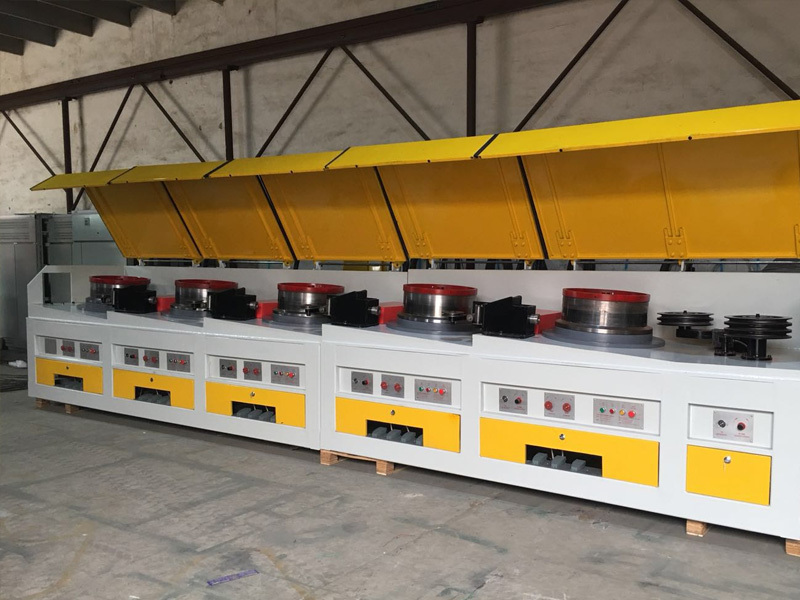
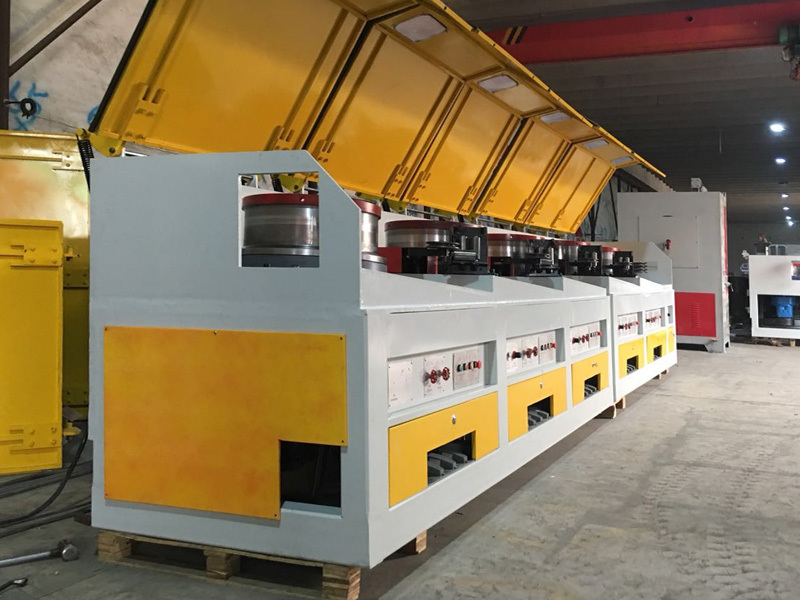
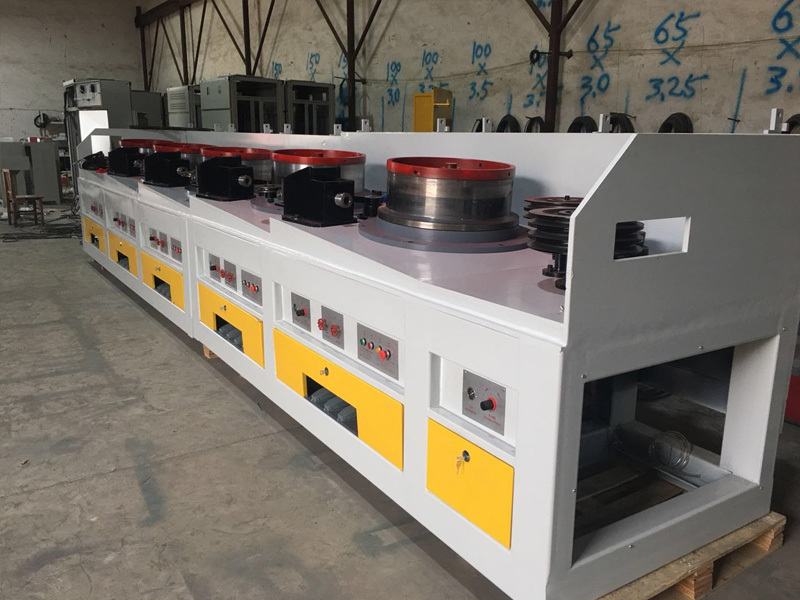
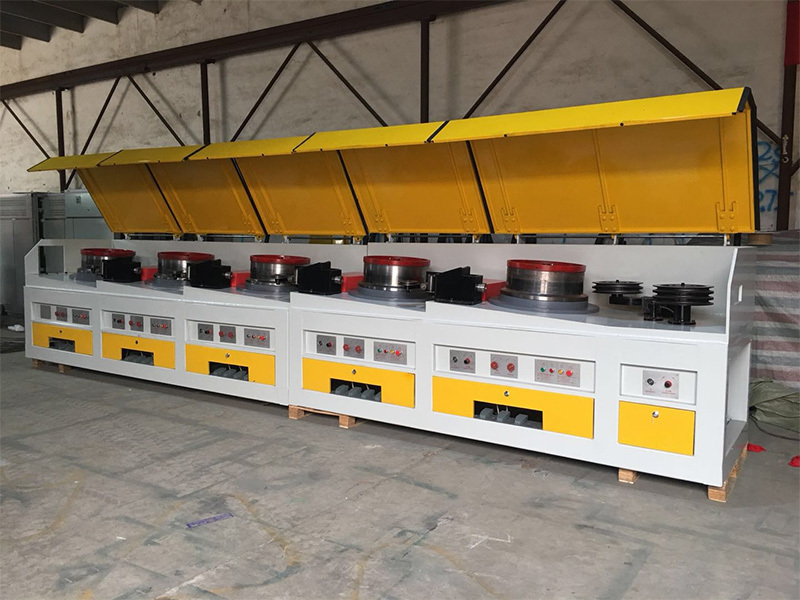
Pay-off machines have become a vital asset in the manufacturing industry, especially in China where mass production is a key aspect of the economy. These machines are designed to unwind wires, cables, or other materials from a spool or reel, providing a continuous supply for further processing. By incorporating a pay-off machine into your manufacturing processes, you can experience a multitude of benefits that contribute to increased efficiency, cost savings, and overall success.
2. Enhanced Efficiency and Productivity
By automating the process of unwinding materials, pay-off machines significantly enhance efficiency and productivity in manufacturing. With the ability to handle large volumes of materials, these machines eliminate the need for manual handling, reducing the risk of human error and fatigue. This increase in efficiency allows for faster production times, enabling manufacturers to meet strict deadlines and fulfill customer demands promptly.
3. Cost Savings and Reduced Waste
Integrating a pay-off machine into your manufacturing processes can lead to substantial cost savings. By eliminating manual labor, you can allocate your human resources to other value-added tasks, optimizing workforce utilization and reducing labor costs in the long run. Additionally, pay-off machines ensure precise material control, minimizing material waste and reducing unnecessary expenses.
4. Improved Quality Control and Consistency
Consistency and quality control are crucial in the manufacturing industry, and pay-off machines play a pivotal role in achieving these objectives. By providing a continuous supply of unwound material, these machines eliminate variations caused by manual handling, ensuring consistent results throughout the production process. This not only improves the overall quality of the end product but also enhances customer satisfaction and brand reputation.
5. Flexibility and Adaptability to Various Materials
Pay-off machines offer exceptional flexibility and adaptability when it comes to handling different types of materials. Whether you are working with wires, cables, or other manufacturing materials, these machines can accommodate various diameters and lengths. This versatility allows manufacturers in China to diversify their product offerings without investing in multiple specialized machines.
6. Streamlined Workflow and Reduced Labor Intensity
Incorporating a pay-off machine into your manufacturing processes streamlines the overall workflow, eliminating bottlenecks and delays. With automated material unwinding, operators can focus on other crucial tasks, such as quality control and monitoring. This reduction in labor intensity increases employee satisfaction and allows for a more efficient allocation of human resources.
7. Enhanced Safety Measures and Risk Mitigation
Pay-off machines prioritize safety in manufacturing processes, mitigating risks associated with manual handling. By automating the unwinding process, operators are less exposed to potential hazards, such as entanglement or strain injuries. This enhanced safety measure not only protects employees but also reduces the likelihood of production disruptions caused by workplace accidents.
8. Sustainability and Environmental Considerations
Manufacturers in China are increasingly focusing on sustainability and environmental considerations. Pay-off machines contribute to this aspect by minimizing material waste and optimizing resource utilization. By reducing unnecessary material consumption, these machines help conserve resources and reduce the environmental impact of manufacturing processes.
9. Frequently Asked Questions (FAQs)
Q1: Can a pay-off machine handle different spool sizes?
A1: Yes, pay-off machines can handle various spool sizes, providing flexibility in accommodating different material requirements.
Q2: How does a pay-off machine improve productivity?
A2: By automating the unwinding process, pay-off machines eliminate manual labor, allowing for faster production times and increased productivity.
Q3: Are pay-off machines easy to operate?
A3: Yes, pay-off machines are designed to be user-friendly and easy to operate, requiring minimal training for operators.
Q4: Can a pay-off machine be customized for specific manufacturing needs?
A4: Yes, pay-off machines can be customized to meet specific manufacturing requirements, ensuring optimal performance and compatibility.
Q5: Are pay-off machines suitable for continuous production?
A5: Absolutely, pay-off machines are designed for continuous production, providing a steady supply of unwound material.
10. Conclusion
Incorporating a pay-off machine into your manufacturing processes in China brings a multitude of benefits that can give you a competitive edge in the industry. From enhanced efficiency and productivity to cost savings and improved quality control, these machines streamline your workflow, reduce labor intensity, and ensure the safety of your employees. Furthermore, pay-off machines contribute to sustainability efforts while offering flexibility and adaptability to different materials. By leveraging the advantages of pay-off machines, you can propel your manufacturing operations to new heights and achieve long-term success in the dynamic market of China.
Key words:


☎️Phone
* Please Enter Keywords
The company specializes in the development and manufacture of a complete set of welding wire production lines and a complete set of metal wire drawing machines 📮 info@cnwiremachine.com