
 Esperanto
 Shqiptare
 Euskara
 Zulu
Zulu
 Latinus
 Cymraeg
 தமிழ்
தமிழ்
 Slovak
 Slovak
 Afrikaans
News Hotspot
Contact Info
Hotline: +86-18831168296
E-mail: Info@cnwiremachine.com
Add: Gaoqian West Street, Sijiazhuang Town, Luquan District, Shijiazhuang City, Hebei Province
How to Use a Pulley Drawing Machine for Efficient Manufacturing
Release Time:
Jan 02,2024
Table of Contents 1. Introduction 2. Understanding Pulley Drawing Machines 3. Advantages of Using Pulley Drawing Machines 4. Step-by-Step Guide on How to Use a Pulley Drawing Machine 5. Common FAQs about Pulley Drawing Machines 6. Conclusion 1. Introduction In the manufacturing industry, efficiency plays a crucial role in achieving success. One technology that has been revolutionizing the manufact
1. Introduction
2. Understanding Pulley Drawing Machines
3. Advantages of Using Pulley Drawing Machines
4. Step-by-Step Guide on How to Use a Pulley Drawing Machine
5. Common FAQs about Pulley Drawing Machines
6. Conclusion
1. Introduction
In the manufacturing industry, efficiency plays a crucial role in achieving success. One technology that has been revolutionizing the manufacturing process is the pulley drawing machine. This article aims to guide you on how to effectively use a pulley drawing machine to streamline your manufacturing operations and improve productivity.
2. Understanding Pulley Drawing Machines
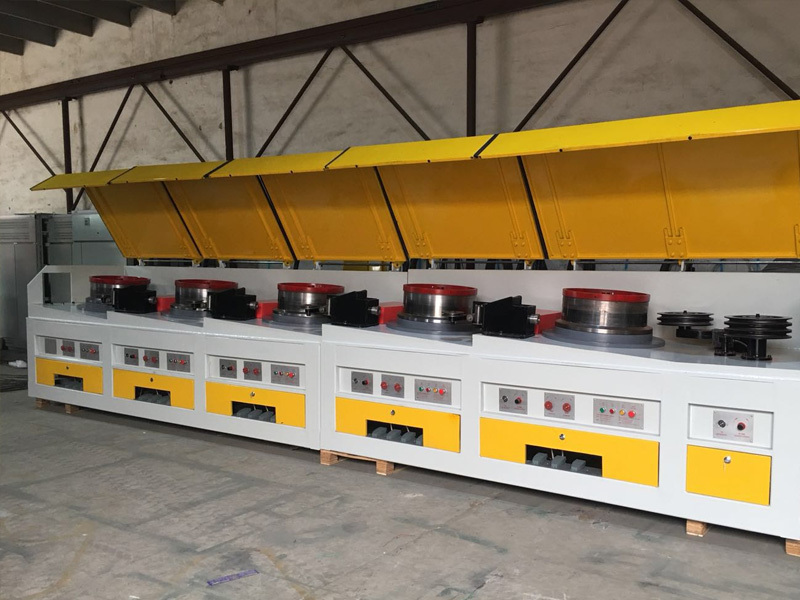
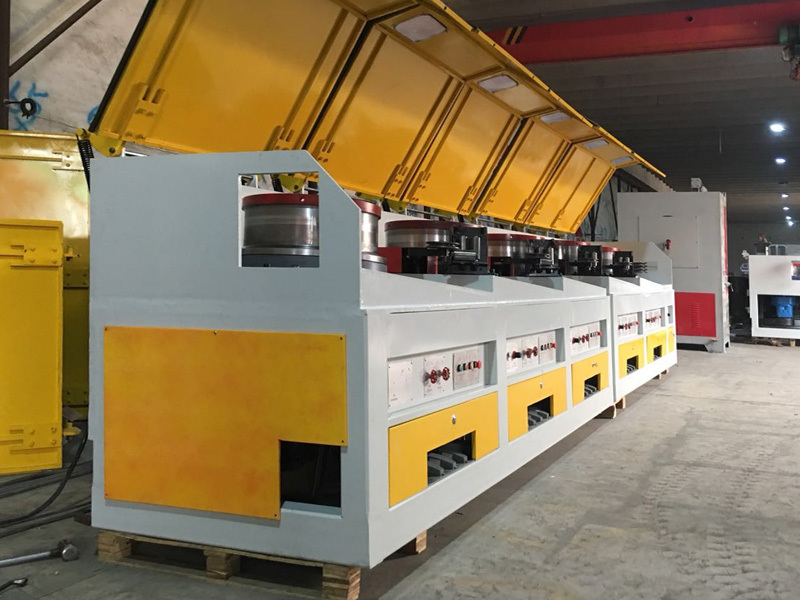
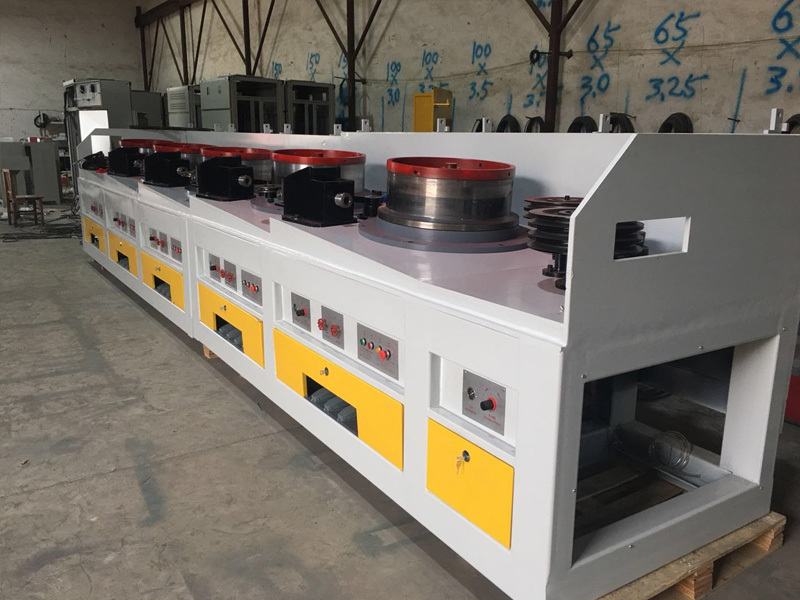
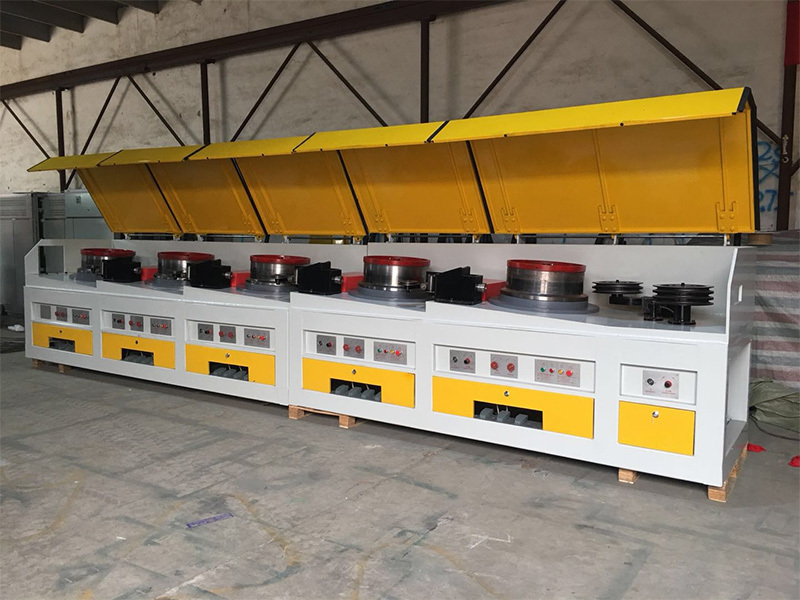
Before diving into the practical aspects of using a pulley drawing machine, it is essential to have a clear understanding of what this machine is and how it functions. A pulley drawing machine is a specialized equipment used for shaping and sizing various materials, such as metal wires or rods, through a series of pulling and stretching actions. This process helps achieve precise dimensions and desired mechanical properties for the manufactured components.
3. Advantages of Using Pulley Drawing Machines
By incorporating a pulley drawing machine into your manufacturing process, you can enjoy several benefits that contribute to enhanced efficiency and productivity. Firstly, this technology allows for precise and consistent shaping of the materials, ensuring uniformity in the final products. Additionally, pulley drawing machines enable manufacturers to optimize material usage, minimize waste, and reduce production costs. Furthermore, the automated nature of these machines reduces the need for manual labor and decreases the chances of human errors.
4. Step-by-Step Guide on How to Use a Pulley Drawing Machine
To maximize the benefits of a pulley drawing machine, follow these step-by-step instructions:
Step 1: Preparation
Begin by selecting the appropriate material for your manufacturing needs. Ensure that the material is compatible with the pulley drawing machine and is of the required quality and dimensions.
Step 2: Machine Setup
Set up the pulley drawing machine according to the manufacturer's instructions. This involves adjusting the machine's settings, such as speed and pressure, to match the desired specifications for the output material.
Step 3: Material Insertion
Carefully insert the material into the machine's feeding mechanism, ensuring it is securely held in place. Take precautions to avoid any potential hazards, such as entanglement or injury.
Step 4: Drawing Process
Initiate the drawing process by activating the machine. The material will undergo continuous pulling and stretching actions, gradually transforming into the desired shape and size. Monitor the process closely to ensure it progresses smoothly.
Step 5: Inspection and Quality Control
Once the drawing process is complete, inspect the output material for any defects or deviations from the desired specifications. Use appropriate measuring tools to verify dimensions and conduct quality control checks to ensure the final product meets the required standards.
Step 6: Post-Processing
If necessary, perform any additional post-processing steps, such as heat treatment or surface finishing, to further enhance the material's properties or appearance.
5. Common FAQs about Pulley Drawing Machines
Q1: Can a pulley drawing machine handle different types of materials?
Q2: What are the typical applications of pulley drawing machines?
Q3: Is operator training required to use a pulley drawing machine?
Q4: How does the speed setting on a pulley drawing machine affect the output quality?
Q5: Are there any safety precautions to consider when using a pulley drawing machine?
6. Conclusion
In conclusion, utilizing a pulley drawing machine can significantly improve the efficiency and productivity of your manufacturing process. By following the step-by-step guide provided in this article, you can effectively leverage this technology to achieve precise dimensions, consistency, and cost optimization. Stay informed about the latest advancements in pulley drawing machines and continuously refine your techniques to stay ahead in the competitive manufacturing industry.
Key words:


☎️Phone
* Please Enter Keywords
The company specializes in the development and manufacture of a complete set of welding wire production lines and a complete set of metal wire drawing machines 📮 info@cnwiremachine.com