
 Esperanto
 Shqiptare
 Euskara
 Zulu
Zulu
 Latinus
 Cymraeg
 தமிழ்
தமிழ்
 Slovak
 Slovak
 Afrikaans
News Hotspot
Contact Info
Hotline: +86-18831168296
E-mail: Info@cnwiremachine.com
Add: Gaoqian West Street, Sijiazhuang Town, Luquan District, Shijiazhuang City, Hebei Province
Revolutionizing Manufacturing: China's Layer Winding Machine Innovations
Release Time:
Feb 10,2024
Table of Contents: 1. Introduction: The Evolution of Manufacturing Technologies 2. What is a Layer Winding Machine? 3. The Rise of China's Manufacturing Industry 4. Advancements in Layer Winding Machines 4.1 Automated Layer Winding Processes 4.2 Integration of Artificial Intelligence 4.3 Improved Precision and Efficiency 5. Benefits of Layer Winding Machines 5.1 Cost Reduction
1. Introduction: The Evolution of Manufacturing Technologies
2. What is a Layer Winding Machine?
3. The Rise of China's Manufacturing Industry
4. Advancements in Layer Winding Machines
4.1 Automated Layer Winding Processes
4.2 Integration of Artificial Intelligence
4.3 Improved Precision and Efficiency
5. Benefits of Layer Winding Machines
5.1 Cost Reduction and Time Savings
5.2 Enhanced Product Quality and Consistency
5.3 Increased Production Capacity
6. Applications of Layer Winding Machines
6.1 Electrical and Electronic Industries
6.2 Renewable Energy Sector
6.3 Automotive and Aerospace Manufacturing
7. Challenges and Future Outlook
8. Frequently Asked Questions (FAQs)
8.1 What is the working principle of a layer winding machine?
8.2 Are layer winding machines suitable for small-scale manufacturers?
8.3 How does the integration of AI improve layer winding processes?
8.4 Can layer winding machines be customized for specific applications?
8.5 What are the maintenance requirements for layer winding machines?
9. Conclusion: Embracing Innovation in Manufacturing
1. Introduction: The Evolution of Manufacturing Technologies
The manufacturing industry has witnessed remarkable transformations over the years, driven by technological advancements. In this article, we delve into the revolutionizing innovations in China's layer winding machine sector, which have reshaped the manufacturing landscape.
2. What is a Layer Winding Machine?
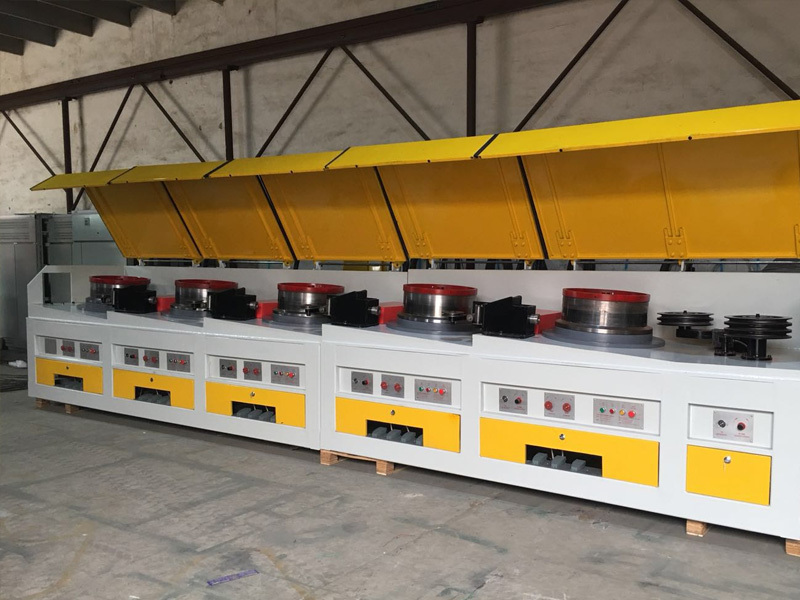
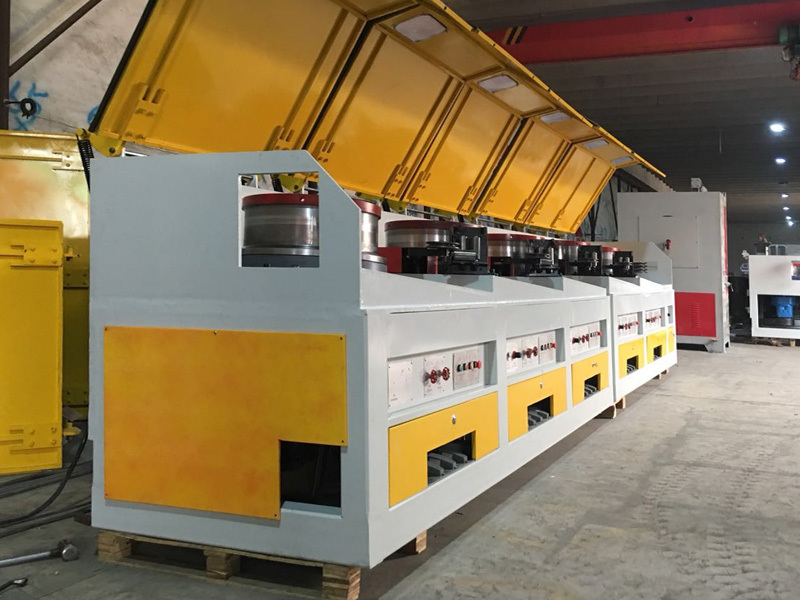
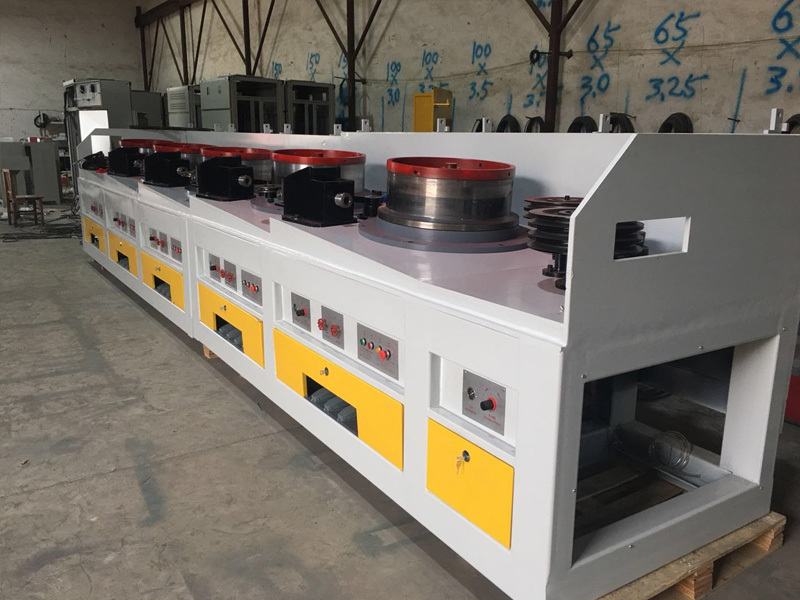
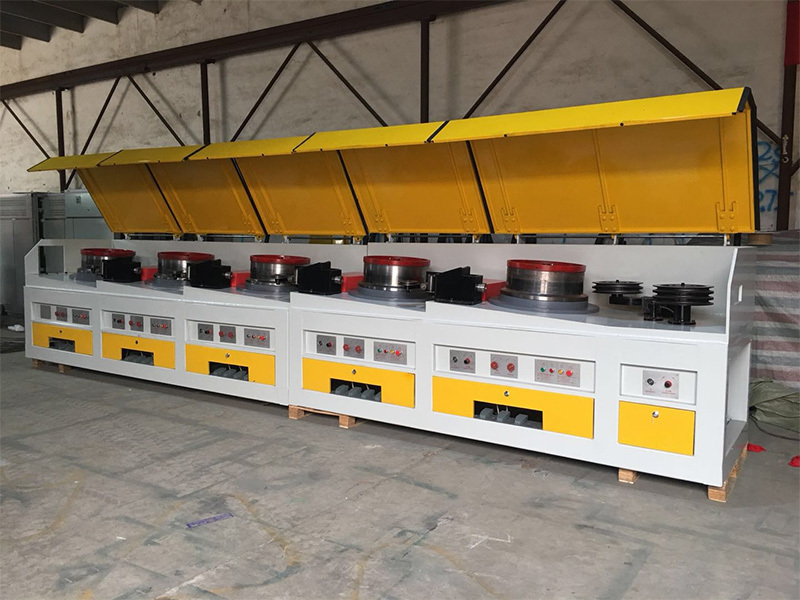
A layer winding machine is a sophisticated piece of equipment used in various industries to wind layers of materials onto spools or reels. These machines automate the process, ensuring precision and efficiency in the winding operation.
3. The Rise of China's Manufacturing Industry
China's manufacturing industry has experienced exponential growth, becoming a global leader in production and innovation. The country's investment in research and development, combined with its skilled workforce, has propelled the industry forward.
4. Advancements in Layer Winding Machines
4.1 Automated Layer Winding Processes
Modern layer winding machines have revolutionized the manufacturing process by automating previously labor-intensive tasks. These machines can wind multiple layers simultaneously, significantly reducing production time and costs.
4.2 Integration of Artificial Intelligence
China's layer winding machine manufacturers have embraced artificial intelligence (AI) to enhance the performance and capabilities of their machines. AI algorithms optimize winding patterns, resulting in improved precision and reduced material waste.
4.3 Improved Precision and Efficiency
Advancements in technology have enabled layer winding machines to achieve higher levels of precision and efficiency. From precise tension control to accurate layer thickness, these machines deliver consistent and high-quality results.
5. Benefits of Layer Winding Machines
5.1 Cost Reduction and Time Savings
Layer winding machines offer substantial cost savings by minimizing material waste and reducing labor requirements. With automated processes, manufacturers can achieve higher productivity and faster turnaround times.
5.2 Enhanced Product Quality and Consistency
The precision and accuracy of layer winding machines ensure consistent product quality, reducing defects and improving customer satisfaction. By eliminating human error, manufacturers can achieve higher standards of excellence.
5.3 Increased Production Capacity
By automating the winding process, layer winding machines enable manufacturers to scale up production without compromising quality. This increased capacity allows businesses to meet growing market demands effectively.
6. Applications of Layer Winding Machines
6.1 Electrical and Electronic Industries
Layer winding machines find extensive use in the electrical and electronic industries, where the winding of coils and transformers is a critical process. These machines ensure precise winding of the necessary components, resulting in reliable and efficient electrical products.
6.2 Renewable Energy Sector
The renewable energy sector, including wind and solar power, relies on layer winding machines for the production of essential components such as motor coils and rotor magnets. These machines contribute to the efficient and sustainable generation of clean energy.
6.3 Automotive and Aerospace Manufacturing
In automotive and aerospace manufacturing, layer winding machines are crucial for winding complex wire harnesses and motor components. These machines guarantee the integrity and reliability of the electrical systems in vehicles and aircraft.
7. Challenges and Future Outlook
While layer winding machines offer substantial benefits, they also present challenges such as the need for skilled operators and regular maintenance. However, advancements in technology and ongoing research aim to address these challenges, further enhancing the capabilities of these machines.
8. Frequently Asked Questions (FAQs)
8.1 What is the working principle of a layer winding machine?
A layer winding machine operates by winding materials, such as wires or tapes, onto spools or reels in a precise and automated manner. The machine controls tension, speed, and layer thickness to achieve consistent winding results.
8.2 Are layer winding machines suitable for small-scale manufacturers?
Yes, layer winding machines can be customized to meet the requirements of small-scale manufacturers. Manufacturers can choose machines with varying capacities and functionalities to match their production needs.
8.3 How does the integration of AI improve layer winding processes?
The integration of AI in layer winding machines optimizes winding patterns, resulting in improved precision and reduced material waste. AI algorithms analyze data and make real-time adjustments to achieve the desired winding outcomes.
8.4 Can layer winding machines be customized for specific applications?
Yes, layer winding machines can be customized for specific applications. Manufacturers can collaborate with machine suppliers to tailor the machine's features, functionalities, and capabilities to meet their unique requirements.
8.5 What are the maintenance requirements for layer winding machines?
Layer winding machines require regular maintenance to ensure optimal performance. This includes cleaning, lubrication, and inspection of key components. Additionally, operators should follow the manufacturer's guidelines for preventive maintenance.
9. Conclusion: Embracing Innovation in Manufacturing
China's layer winding machine industry has revolutionized manufacturing processes, offering numerous benefits such as cost reduction, improved product quality, and increased production capacity. By embracing these innovations, businesses can stay at the forefront of the manufacturing sector and drive industry progress.
Key words:


☎️Phone
* Please Enter Keywords
The company specializes in the development and manufacture of a complete set of welding wire production lines and a complete set of metal wire drawing machines 📮 info@cnwiremachine.com