
 Esperanto
 Shqiptare
 Euskara
 Zulu
Zulu
 Latinus
 Cymraeg
 தமிழ்
தமிழ்
 Slovak
 Slovak
 Afrikaans
News Hotspot
Contact Info
Hotline: +86-18831168296
E-mail: Info@cnwiremachine.com
Add: Gaoqian West Street, Sijiazhuang Town, Luquan District, Shijiazhuang City, Hebei Province
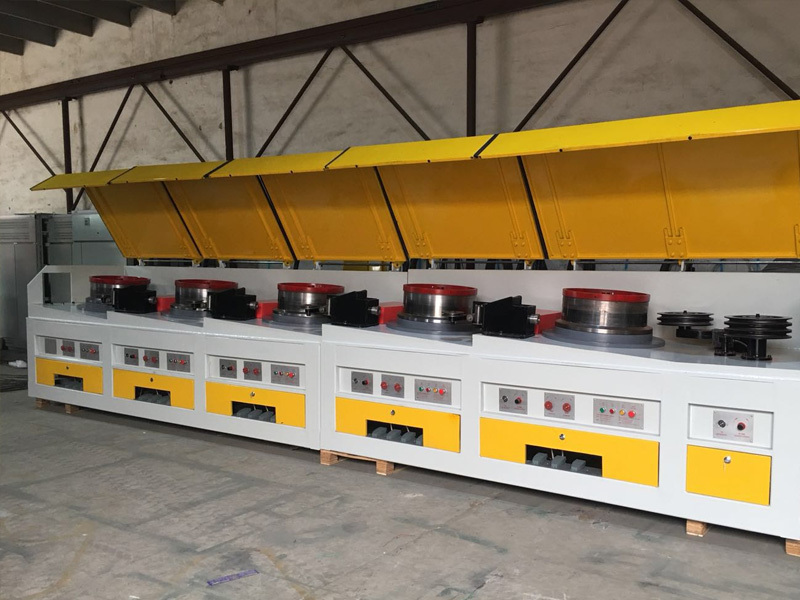
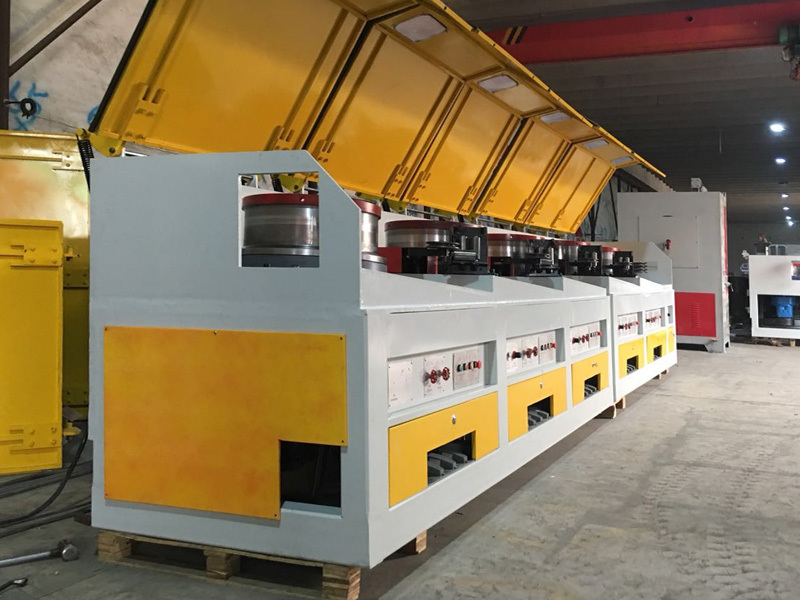
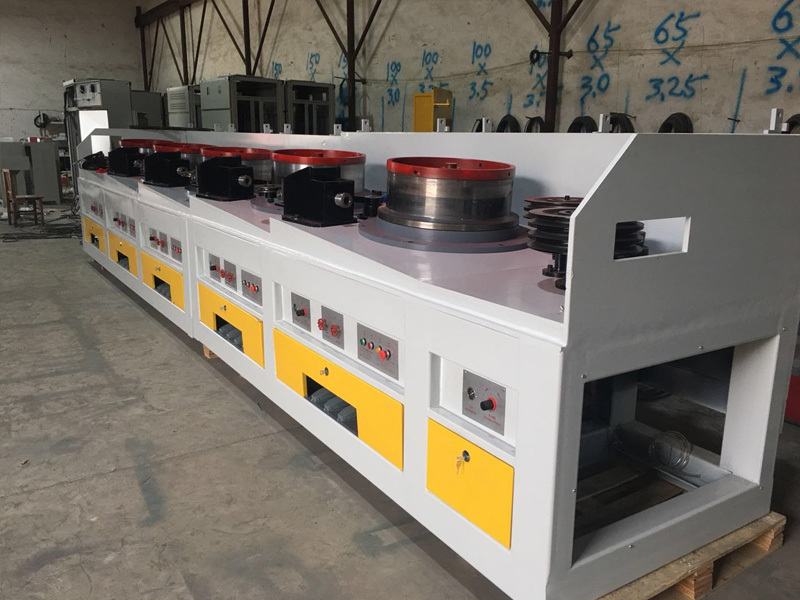
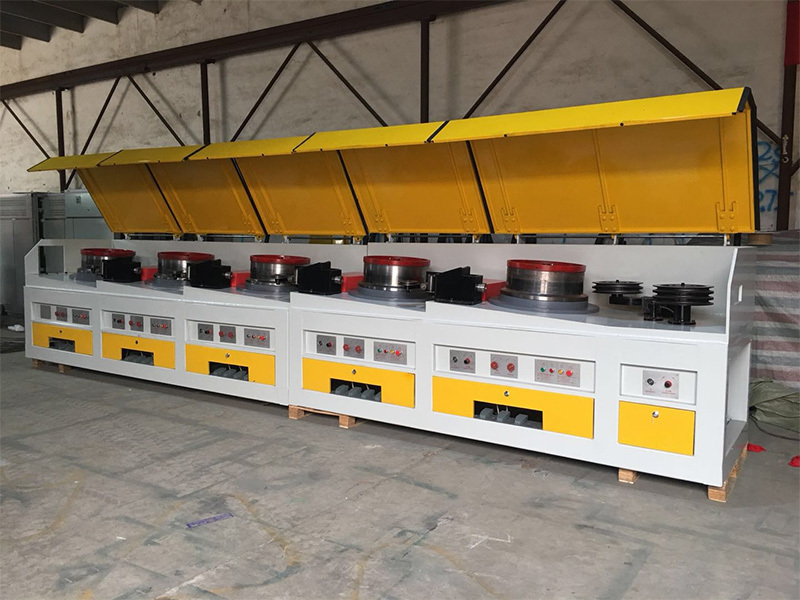
Exploring the Advantages of China Horizontal Wire Drawing Machine: A Comprehensive Guide
Release Time:
Jul 28,2024
Exploring the Advantages of China Horizontal Wire Drawing Machine Table of Contents 1. Introduction to Horizontal Wire Drawing Machines 2. What is a Horizontal Wire Drawing Machine? 3. Key Advantages of Horizontal Wire Drawing Machines 3.1 Increased Efficiency and Productivity 3.2 Enhanced Precision and Quality 3.3 Cost-Effectiveness and
Exploring the Advantages of China Horizontal Wire Drawing Machine
Table of Contents
- 1. Introduction to Horizontal Wire Drawing Machines
- 2. What is a Horizontal Wire Drawing Machine?
- 3. Key Advantages of Horizontal Wire Drawing Machines
- 3.1 Increased Efficiency and Productivity
- 3.2 Enhanced Precision and Quality
- 3.3 Cost-Effectiveness and Versatility
- 4. Technological Advancements in Wire Drawing Machines
- 5. Applications in Various Industries
- 6. How to Choose the Right Horizontal Wire Drawing Machine
- 7. Frequently Asked Questions
- 8. Conclusion
1. Introduction to Horizontal Wire Drawing Machines
The **horizontal wire drawing machine** is an essential piece of equipment in the **metal manufacturing** industry, specifically designed to reduce the diameter of wire through the process of drawing. This machine not only enhances productivity but also ensures the wire produced meets the stringent quality standards required in various applications. Understanding the advantages of these machines is crucial for manufacturers looking to optimize their production processes.
2. What is a Horizontal Wire Drawing Machine?
A **horizontal wire drawing machine** operates by pulling a wire through a series of drawing dies, effectively reducing its diameter while increasing its length. Unlike vertical machines, horizontal variants offer several operational benefits, including lower maintenance requirements and ease of material handling. These machines are engineered to accommodate various materials, including copper, aluminum, and steel, making them versatile tools in the metalworking landscape.
3. Key Advantages of Horizontal Wire Drawing Machines
3.1 Increased Efficiency and Productivity
One of the primary benefits of using a horizontal wire drawing machine is the **increased efficiency** it provides. The streamlined design and advanced mechanisms allow for continuous operation, reducing downtime and enhancing productivity. Operators can achieve higher output rates without compromising on quality, making these machines ideal for mass production environments.
3.2 Enhanced Precision and Quality
Another significant advantage is the **enhanced precision** these machines offer. The drawing process is carefully controlled, ensuring that the wire produced maintains consistent diameter and quality. This level of accuracy is crucial in industries where wire specifications are critical, such as electronics and aerospace manufacturing. The high-quality finish also reduces the need for additional processing, saving time and costs.
3.3 Cost-Effectiveness and Versatility
Horizontal wire drawing machines are not only efficient but also highly **cost-effective**. Their robust design leads to lower maintenance costs and longer service life. Moreover, these machines are versatile; they can be adapted for various wire materials and diameters, allowing manufacturers to diversify their product offerings without significant additional investment.
4. Technological Advancements in Wire Drawing Machines
As technology evolves, so do the capabilities of horizontal wire drawing machines. Recent advancements have introduced features that further improve operational efficiency and sustainability.
4.1 Automation and Smart Features
Modern horizontal wire drawing machines are equipped with **automation technologies** that enhance their functionality. Features such as automatic wire feeding, real-time monitoring systems, and advanced control interfaces enable operators to manage production processes more effectively. These smart technologies allow for quick adjustments and troubleshooting, ultimately leading to improved operational efficiency.
4.2 Sustainability Measures
Sustainability has become a significant consideration in manufacturing. Many manufacturers are adopting horizontal wire drawing machines that incorporate **energy-efficient technologies** and reduce waste production. By minimizing the environmental impact, companies can meet regulatory requirements and appeal to eco-conscious consumers.
5. Applications in Various Industries
The applications of horizontal wire drawing machines are vast and varied. Industries such as automotive, aerospace, telecommunications, and construction rely heavily on these machines for producing high-quality wire products. The ability to draw wire to precise specifications makes these machines essential for producing components used in electrical systems, structural reinforcements, and more.
6. How to Choose the Right Horizontal Wire Drawing Machine
Selecting the right horizontal wire drawing machine involves considering several critical factors:
1. **Material Type**: Different machines are designed for specific wire materials. Ensure your chosen machine is compatible with the materials you intend to work with.
2. **Production Volume**: Assess your production needs to determine the machine's capacity and speed requirements.
3. **Budget**: Evaluate both initial investment and long-term operational costs, including maintenance and energy consumption.
4. **Technical Support**: Choose a reputable manufacturer that offers comprehensive support, training, and service.
7. Frequently Asked Questions
Q1: What types of materials can be processed using horizontal wire drawing machines?
A: Horizontal wire drawing machines can process a variety of materials, including copper, aluminum, and steel, making them suitable for diverse applications in different industries.
Q2: How does the wire drawing process affect the mechanical properties of the wire?
A: The wire drawing process enhances tensile strength and elongation, improving the mechanical properties of the wire, making it more durable and suitable for demanding applications.
Q3: What is the typical lifespan of a horizontal wire drawing machine?
A: With proper maintenance, a horizontal wire drawing machine can have a lifespan of several decades, depending on usage and operating conditions.
Q4: Are there specific maintenance practices for horizontal wire drawing machines?
A: Regular lubrication, cleaning, and inspection of components are essential maintenance practices to ensure optimal performance and longevity of the machine.
Q5: Can horizontal wire drawing machines be customized for specific production needs?
A: Yes, many manufacturers offer customization options for horizontal wire drawing machines to meet specific production requirements, including modifications in size, capacity, and features.
8. Conclusion
In summary, horizontal wire drawing machines from China provide a multitude of advantages that transform the metal processing landscape. Their efficiency, precision, cost-effectiveness, and adaptability make them indispensable to various industries. As technology progresses, these machines continue to evolve, integrating smart features and sustainable practices that align with modern manufacturing demands. Understanding and leveraging their benefits can lead to significant improvements in production capabilities and product quality, ultimately enhancing competitiveness in the global market.
Exploring the Advantages of China Horizontal Wire Drawing Machine
Table of Contents
- 1. Introduction to Horizontal Wire Drawing Machines
- 2. What is a Horizontal Wire Drawing Machine?
- 3. Key Advantages of Horizontal Wire Drawing Machines
- 3.1 Increased Efficiency and Productivity
- 3.2 Enhanced Precision and Quality
- 3.3 Cost-Effectiveness and Versatility
- 4. Technological Advancements in Wire Drawing Machines
- 5. Applications in Various Industries
- 6. How to Choose the Right Horizontal Wire Drawing Machine
- 7. Frequently Asked Questions
- 8. Conclusion
1. Introduction to Horizontal Wire Drawing Machines
The **horizontal wire drawing machine** is an essential piece of equipment in the **metal manufacturing** industry, specifically designed to reduce the diameter of wire through the process of drawing. This machine not only enhances productivity but also ensures the wire produced meets the stringent quality standards required in various applications. Understanding the advantages of these machines is crucial for manufacturers looking to optimize their production processes.
2. What is a Horizontal Wire Drawing Machine?
A **horizontal wire drawing machine** operates by pulling a wire through a series of drawing dies, effectively reducing its diameter while increasing its length. Unlike vertical machines, horizontal variants offer several operational benefits, including lower maintenance requirements and ease of material handling. These machines are engineered to accommodate various materials, including copper, aluminum, and steel, making them versatile tools in the metalworking landscape.
3. Key Advantages of Horizontal Wire Drawing Machines
3.1 Increased Efficiency and Productivity
One of the primary benefits of using a horizontal wire drawing machine is the **increased efficiency** it provides. The streamlined design and advanced mechanisms allow for continuous operation, reducing downtime and enhancing productivity. Operators can achieve higher output rates without compromising on quality, making these machines ideal for mass production environments.
3.2 Enhanced Precision and Quality
Another significant advantage is the **enhanced precision** these machines offer. The drawing process is carefully controlled, ensuring that the wire produced maintains consistent diameter and quality. This level of accuracy is crucial in industries where wire specifications are critical, such as electronics and aerospace manufacturing. The high-quality finish also reduces the need for additional processing, saving time and costs.
3.3 Cost-Effectiveness and Versatility
Horizontal wire drawing machines are not only efficient but also highly **cost-effective**. Their robust design leads to lower maintenance costs and longer service life. Moreover, these machines are versatile; they can be adapted for various wire materials and diameters, allowing manufacturers to diversify their product offerings without significant additional investment.
4. Technological Advancements in Wire Drawing Machines
As technology evolves, so do the capabilities of horizontal wire drawing machines. Recent advancements have introduced features that further improve operational efficiency and sustainability.
4.1 Automation and Smart Features
Modern horizontal wire drawing machines are equipped with **automation technologies** that enhance their functionality. Features such as automatic wire feeding, real-time monitoring systems, and advanced control interfaces enable operators to manage production processes more effectively. These smart technologies allow for quick adjustments and troubleshooting, ultimately leading to improved operational efficiency.
4.2 Sustainability Measures
Sustainability has become a significant consideration in manufacturing. Many manufacturers are adopting horizontal wire drawing machines that incorporate **energy-efficient technologies** and reduce waste production. By minimizing the environmental impact, companies can meet regulatory requirements and appeal to eco-conscious consumers.
5. Applications in Various Industries
The applications of horizontal wire drawing machines are vast and varied. Industries such as automotive, aerospace, telecommunications, and construction rely heavily on these machines for producing high-quality wire products. The ability to draw wire to precise specifications makes these machines essential for producing components used in electrical systems, structural reinforcements, and more.
6. How to Choose the Right Horizontal Wire Drawing Machine
Selecting the right horizontal wire drawing machine involves considering several critical factors:
1. **Material Type**: Different machines are designed for specific wire materials. Ensure your chosen machine is compatible with the materials you intend to work with.
2. **Production Volume**: Assess your production needs to determine the machine's capacity and speed requirements.
3. **Budget**: Evaluate both initial investment and long-term operational costs, including maintenance and energy consumption.
4. **Technical Support**: Choose a reputable manufacturer that offers comprehensive support, training, and service.
7. Frequently Asked Questions
Q1: What types of materials can be processed using horizontal wire drawing machines?
A: Horizontal wire drawing machines can process a variety of materials, including copper, aluminum, and steel, making them suitable for diverse applications in different industries.
Q2: How does the wire drawing process affect the mechanical properties of the wire?
A: The wire drawing process enhances tensile strength and elongation, improving the mechanical properties of the wire, making it more durable and suitable for demanding applications.
Q3: What is the typical lifespan of a horizontal wire drawing machine?
A: With proper maintenance, a horizontal wire drawing machine can have a lifespan of several decades, depending on usage and operating conditions.
Q4: Are there specific maintenance practices for horizontal wire drawing machines?
A: Regular lubrication, cleaning, and inspection of components are essential maintenance practices to ensure optimal performance and longevity of the machine.
Q5: Can horizontal wire drawing machines be customized for specific production needs?
A: Yes, many manufacturers offer customization options for horizontal wire drawing machines to meet specific production requirements, including modifications in size, capacity, and features.
8. Conclusion
In summary, horizontal wire drawing machines from China provide a multitude of advantages that transform the metal processing landscape. Their efficiency, precision, cost-effectiveness, and adaptability make them indispensable to various industries. As technology progresses, these machines continue to evolve, integrating smart features and sustainable practices that align with modern manufacturing demands. Understanding and leveraging their benefits can lead to significant improvements in production capabilities and product quality, ultimately enhancing competitiveness in the global market.
Key words:


☎️Phone
* Please Enter Keywords
The company specializes in the development and manufacture of a complete set of welding wire production lines and a complete set of metal wire drawing machines 📮 info@cnwiremachine.com