
 Esperanto
 Shqiptare
 Euskara
 Zulu
Zulu
 Latinus
 Cymraeg
 தமிழ்
தமிழ்
 Slovak
 Slovak
 Afrikaans
News Hotspot
Contact Info
Hotline: +86-18831168296
E-mail: Info@cnwiremachine.com
Add: Gaoqian West Street, Sijiazhuang Town, Luquan District, Shijiazhuang City, Hebei Province
Streamlining Manufacturing Operations with China Pay-Off Machines: Unleashing Efficiency and Precision
Release Time:
Jul 31,2024
Streamlining Manufacturing Operations with China Pay-Off Machines Manufacturing industries continually strive for **efficiency** and **precision** in their operations. One of the most impactful ways to achieve this is through the integration of advanced machinery. Among the leading innovations in this sector are **China pay-off machines**, which have emerged as essential tools for enhancing produc
Streamlining Manufacturing Operations with China Pay-Off Machines
Manufacturing industries continually strive for **efficiency** and **precision** in their operations. One of the most impactful ways to achieve this is through the integration of advanced machinery. Among the leading innovations in this sector are **China pay-off machines**, which have emerged as essential tools for enhancing productivity. This article delves into the myriad ways these machines can streamline operations, focusing on their features, benefits, and the role they play in modern manufacturing.
Table of Contents
1. Understanding China Pay-Off Machines
2. Key Features of Pay-Off Machines
3. Advantages of Implementing Pay-Off Machines in Manufacturing
4. Comparing China Pay-Off Machines with Traditional Methods
5. How to Choose the Right Pay-Off Machine for Your Operations
6. Maintenance Best Practices for Longevity
7. Case Studies: Success Stories of Streamlined Operations
8. Frequently Asked Questions (FAQs)
9. Conclusion
1. Understanding China Pay-Off Machines
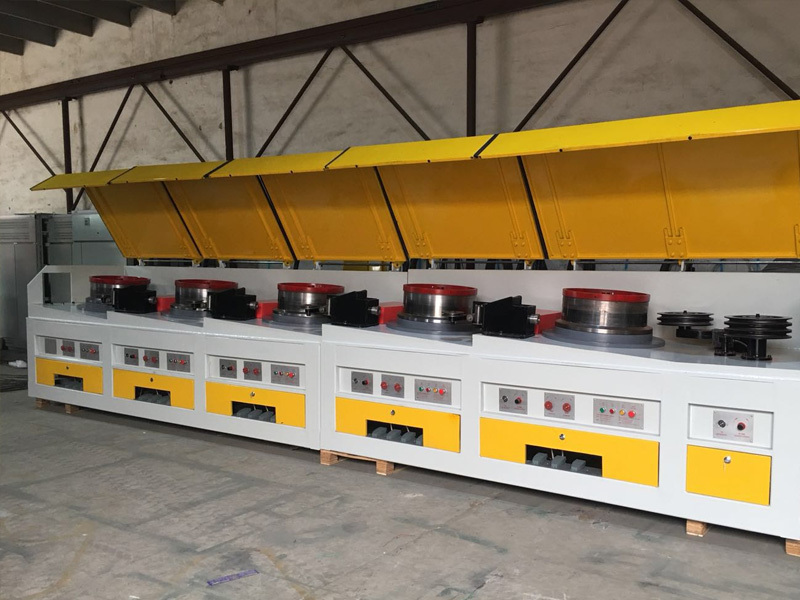
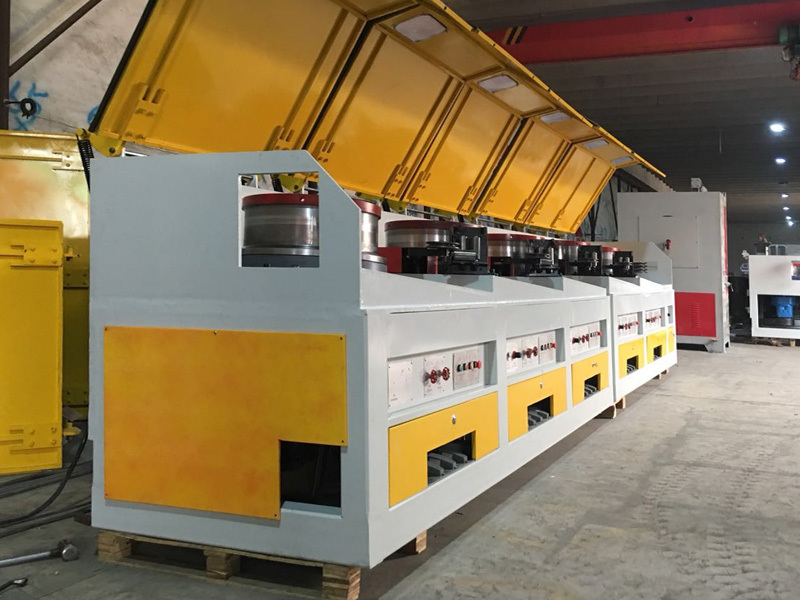
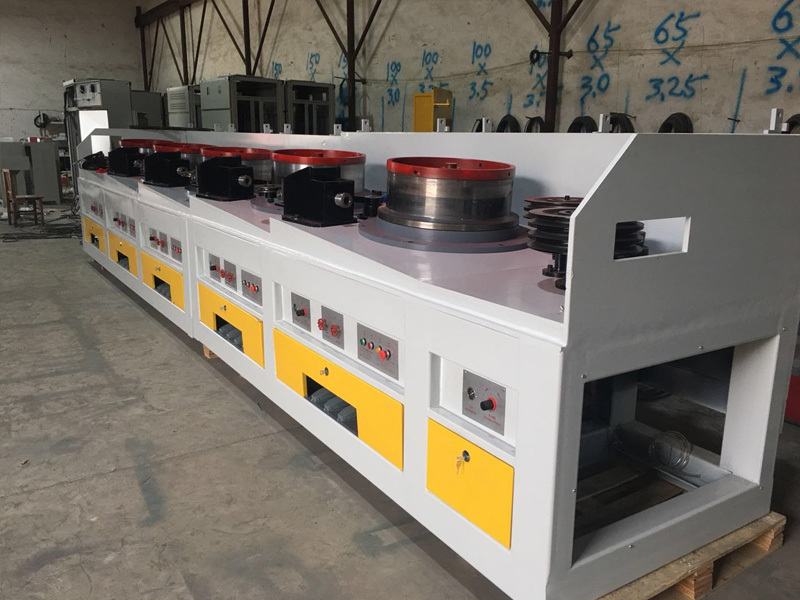
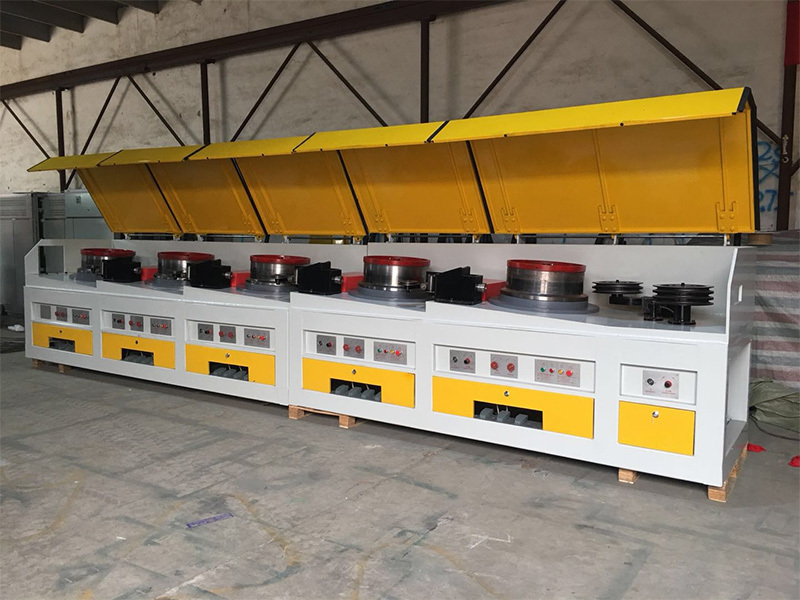
China pay-off machines are crucial devices used in various manufacturing processes, particularly in industries where the handling of materials is essential. These machines are designed to dispense materials systematically, ensuring a continuous flow needed for efficient production. They play a vital role in wire and cable manufacturing, textile production, and other areas requiring precise material handling.
2. Key Features of Pay-Off Machines
Pay-off machines come equipped with numerous features that enhance their effectiveness:
2.1 Automated Control Systems
Modern pay-off machines often include **automated control systems** that allow for seamless operation. These systems ensure accurate tension control, reducing the risk of material breakage and ensuring consistent quality throughout production.
2.2 Versatility in Application
These machines are versatile, suitable for various materials such as wires, cables, and textiles. Their adaptability makes them invaluable across different manufacturing sectors.
2.3 Compact Design
Most pay-off machines boast a **compact design**, allowing them to fit into smaller manufacturing spaces without compromising functionality. This design is particularly beneficial for manufacturers looking to maximize floor space.
2.4 High-Speed Operation
China pay-off machines are engineered for high-speed operation, significantly reducing production cycle times. This capability is critical for businesses aiming to enhance output and meet consumer demand swiftly.
3. Advantages of Implementing Pay-Off Machines in Manufacturing
The adoption of pay-off machines in manufacturing operations provides numerous advantages:
3.1 Increased Efficiency
By automating material handling, pay-off machines drastically reduce the time workers spend on manual tasks. This increase in efficiency leads to higher productivity rates.
3.2 Improved Quality Control
With precise material dispensing and tension control, these machines enhance the overall quality of the product. Consistency in material handling translates to fewer defects and returns.
3.3 Cost Savings
Although the initial investment in pay-off machines may be significant, the long-term cost savings are substantial. Reduced labor costs, fewer material waste, and enhanced productivity contribute to a lower overall operational cost.
3.4 Enhanced Worker Safety
Automating hazardous tasks reduces the risk of workplace injuries, creating a safer environment for employees. This improvement in safety not only benefits workers but also leads to lower insurance costs for businesses.
4. Comparing China Pay-Off Machines with Traditional Methods
When comparing pay-off machines to traditional material handling methods, several factors must be considered:
4.1 Labor Intensity
Traditional methods often rely heavily on manual labor, which can be slow and error-prone. In contrast, pay-off machines automate these processes, minimizing human intervention and potential errors.
4.2 Space Utilization
Traditional setups often require larger areas for storage and handling. Pay-off machines, with their compact designs, optimize space utilization, allowing for better workflow and organization.
4.3 Adaptability to Production Changes
Adapting traditional methods for different materials can be challenging and time-consuming. Pay-off machines can easily switch between various materials and settings, ensuring swift adaptability to production requirements.
5. How to Choose the Right Pay-Off Machine for Your Operations
Selecting the appropriate pay-off machine involves several considerations:
5.1 Assess Your Production Needs
Understanding the specific requirements of your production process is essential. Consider factors such as the type of materials used, production volume, and desired output quality.
5.2 Evaluate Machine Specifications
Different pay-off machines come with varying specifications. Evaluate the machine's speed, tension control capabilities, and compatibility with your existing production line.
5.3 Consider Vendor Reputation
Choosing a reputable vendor is crucial for ensuring you receive a high-quality machine. Research potential suppliers, read reviews, and assess their customer service and technical support offerings.
5.4 Budget Considerations
While cost should not be the only factor, it is essential to establish a budget that aligns with your business goals. Consider the long-term return on investment (ROI) when assessing various machines.
6. Maintenance Best Practices for Longevity
To ensure the longevity and optimal performance of pay-off machines, regular maintenance is essential:
6.1 Routine Inspections
Conduct routine inspections to identify any signs of wear or malfunction. Early detection can prevent costly repairs and downtime.
6.2 Lubrication and Cleaning
Regularly clean and lubricate the machine to maintain its functionality. Keeping components free from dust and debris ensures smooth operation.
6.3 Training for Operators
Invest in training for your operators to ensure they understand how to use and maintain the machines effectively. Proper training minimizes the risk of operational errors.
7. Case Studies: Success Stories of Streamlined Operations
Examining real-world applications of pay-off machines provides insight into their benefits:
7.1 Company A: Wire Manufacturing
Company A integrated China pay-off machines into their wire manufacturing process. They reported a **25% increase in production** efficiency and significantly reduced material waste.
7.2 Company B: Textile Production
Company B adopted pay-off machines for their textile operations. They experienced improved quality control and a noticeable drop in labor costs, enhancing overall profitability.
8. Frequently Asked Questions (FAQs)
8.1 What types of materials can be used with pay-off machines?
Pay-off machines can handle various materials, including wires, cables, and textiles, making them versatile for different manufacturing processes.
8.2 How do pay-off machines improve production efficiency?
By automating material handling, pay-off machines reduce manual labor and errors, leading to faster production cycles and higher output.
8.3 Are pay-off machines expensive to maintain?
While maintenance costs vary, routine inspections and proper care typically keep operating costs low in the long run.
8.4 Can pay-off machines be customized to fit specific production needs?
Yes, many manufacturers offer customizable options for pay-off machines to meet the unique requirements of different production lines.
8.5 What is the expected lifespan of a pay-off machine?
With regular maintenance, pay-off machines can last for many years, typically ranging from 10 to 20 years, depending on usage and care.
9. Conclusion
Integrating China pay-off machines into your manufacturing operations is a strategic move toward **increased efficiency**, **improved quality**, and **cost savings**. By understanding their features, benefits, and maintenance requirements, manufacturers can make informed decisions that positively impact their bottom line. As industries evolve, embracing innovative technologies like pay-off machines ensures your operations remain competitive in an increasingly demanding market.
Key words:


☎️Phone
* Please Enter Keywords
The company specializes in the development and manufacture of a complete set of welding wire production lines and a complete set of metal wire drawing machines 📮 info@cnwiremachine.com