
 Esperanto
 Shqiptare
 Euskara
 Zulu
Zulu
 Latinus
 Cymraeg
 தமிழ்
தமிழ்
 Slovak
 Slovak
 Afrikaans
News Hotspot
Contact Info
Hotline: +86-18831168296
E-mail: Info@cnwiremachine.com
Add: Gaoqian West Street, Sijiazhuang Town, Luquan District, Shijiazhuang City, Hebei Province
Unleashing the Potential: Understanding the Benefits of Horizontal Type Wire Drawing Machines
Release Time:
Aug 24,2024
Unleashing the Potential: Understanding the Benefits of Horizontal Type Wire Drawing Machines Table of Contents 1. Introduction to Wire Drawing Machines 2. What Are Horizontal Type Wire Drawing Machines? 3. Advantages of Horizontal Type Wire Drawing Machines 3.1 Enhanced Operational Efficiency 3.2 Versatility in Wire Production 3.3 Technological Advancements in Design
Unleashing the Potential: Understanding the Benefits of Horizontal Type Wire Drawing Machines
Table of Contents
- 1. Introduction to Wire Drawing Machines
- 2. What Are Horizontal Type Wire Drawing Machines?
- 3. Advantages of Horizontal Type Wire Drawing Machines
- 3.1 Enhanced Operational Efficiency
- 3.2 Versatility in Wire Production
- 3.3 Technological Advancements in Design
- 4. Applications of Horizontal Type Wire Drawing Machines
- 5. Choosing the Right Horizontal Type Wire Drawing Machine
- 6. Maintenance and Care for Longevity
- 7. Future Trends in Wire Drawing Technology
- 8. Frequently Asked Questions
- 9. Conclusion
1. Introduction to Wire Drawing Machines
In the realm of **metal processing**, wire drawing machines play a critical role in producing wires of various materials and sizes. These machines are designed to reduce the diameter of a wire rod, thereby improving its tensile strength and surface finish. Among the various types of wire drawing machines available, **horizontal type wire drawing machines** are becoming increasingly popular due to their unique benefits and operational capabilities.
2. What Are Horizontal Type Wire Drawing Machines?
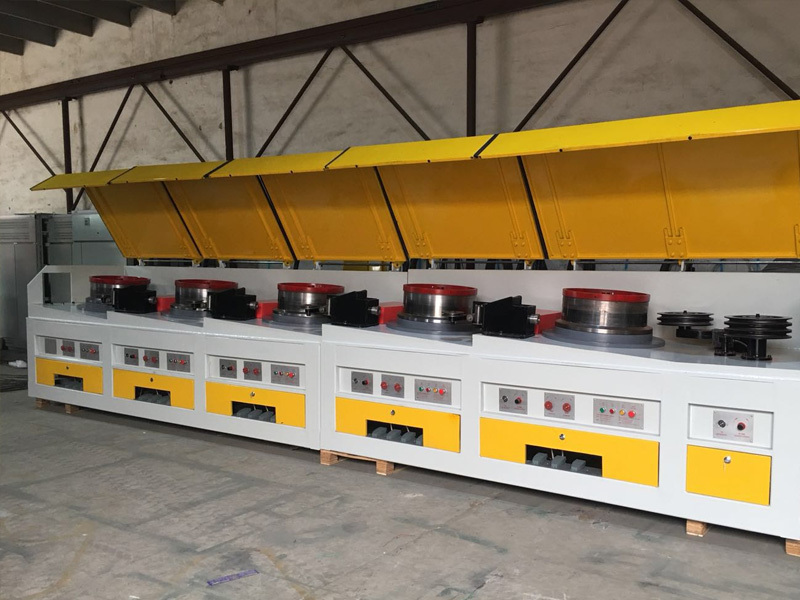
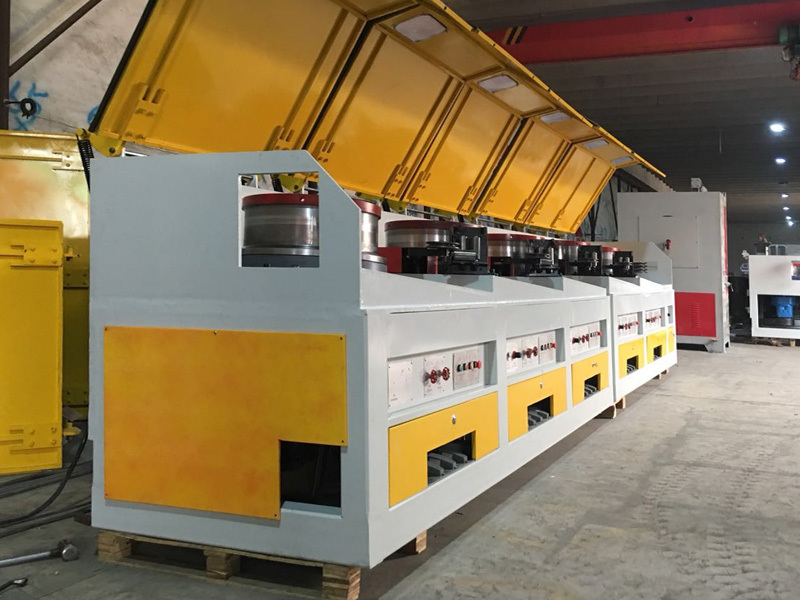
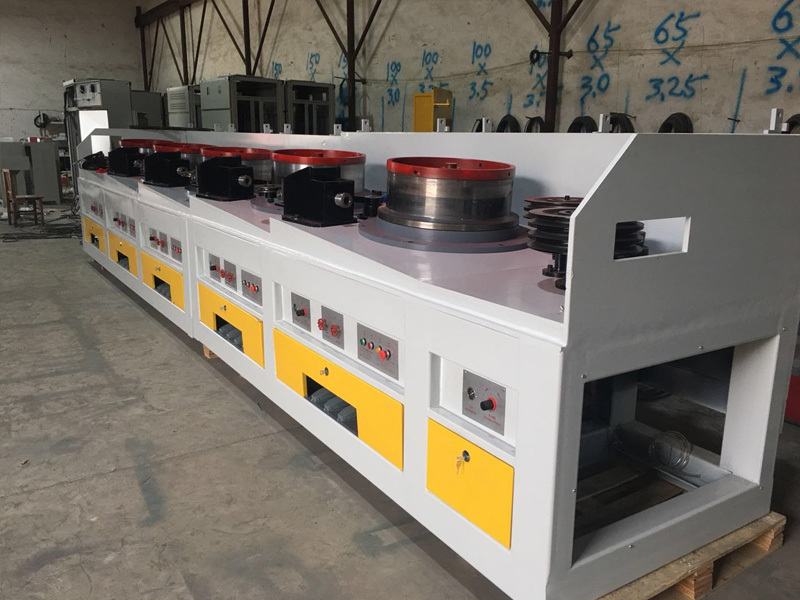
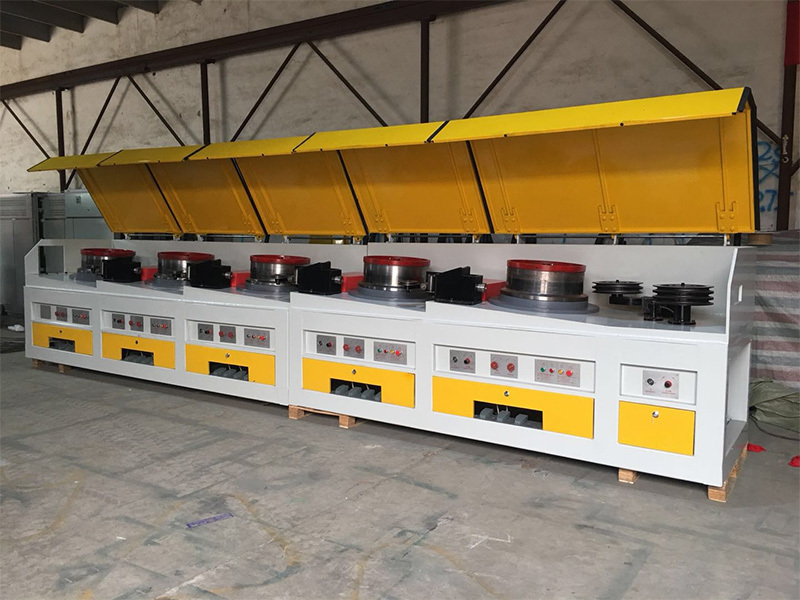
Horizontal type wire drawing machines are engineered to draw wire by pulling it through a series of dies. The key characteristic that distinguishes horizontal machines from vertical ones is their orientation. The horizontal setup allows for improved operator accessibility, better use of space, and a more straightforward wire path. This design is especially advantageous in industries that require high production rates and precision.
Key Features of Horizontal Type Wire Drawing Machines
- **Multi-die Capability**: These machines can accommodate multiple dies, allowing for continuous drawing processes.
- **Ease of Maintenance**: Their design permits easier access to components, simplifying routine inspections and repairs.
- **Customizable Settings**: Adjustments can be made to suit different wire materials and diameters, enhancing production flexibility.
3. Advantages of Horizontal Type Wire Drawing Machines
Horizontal type wire drawing machines offer various advantages that make them essential in today's manufacturing landscape.
3.1 Enhanced Operational Efficiency
Operational efficiency is a critical factor in manufacturing, and horizontal type wire drawing machines excel in this area. Their design minimizes downtime through reduced maintenance needs and faster setup times. Additionally, the ability to run at higher speeds without sacrificing quality means that manufacturers can produce more wire in less time.
3.2 Versatility in Wire Production
These machines can draw a wide range of materials, including copper, aluminum, and steel. This versatility makes them suitable for various applications, from electrical wiring to construction materials. The adaptability of horizontal type machines means that manufacturers can respond swiftly to changing market demands and production requirements.
3.3 Technological Advancements in Design
Recent technological advancements have led to significant improvements in the performance of horizontal type wire drawing machines. Features such as **automation**, **real-time monitoring**, and integrated software systems allow for more precise control over the drawing process. This not only enhances product quality but also contributes to reducing waste and improving overall sustainability.
4. Applications of Horizontal Type Wire Drawing Machines
Horizontal type wire drawing machines find applications across numerous industries:
4.1 Electrical and Electronics Industry
In the electrical sector, high-quality wire is essential for ensuring efficient performance. Horizontal wire drawing machines produce wires that meet stringent electrical conductivity standards.
4.2 Construction and Infrastructure
The construction industry relies on strong and durable wires for reinforcement in concrete structures. These machines provide the necessary strength and flexibility for such applications.
4.3 Automotive Industry
Automotive manufacturers depend on precision-drawn wires for various components, including wiring harnesses and connectors. The versatility of horizontal type machines allows for the production of specialized wire types to meet specific automotive standards.
5. Choosing the Right Horizontal Type Wire Drawing Machine
Selecting the right horizontal type wire drawing machine involves considering several factors:
5.1 Production Requirements
Evaluate the types of wire and the required production volumes to determine the machine specifications that will best meet your needs.
5.2 Space Availability
Consider the layout of your manufacturing facility. Horizontal machines may require more floor space but offer benefits in terms of accessibility and efficiency.
5.3 Budget Constraints
While investing in high-quality machinery is crucial, it is also essential to stay within budget. Evaluate the long-term benefits of the machine against its purchase price and maintenance costs.
6. Maintenance and Care for Longevity
To ensure the longevity and effectiveness of horizontal type wire drawing machines, regular maintenance is essential.
6.1 Routine Inspections
Conduct regular inspections of the machine components, including dies, motors, and lubrication systems. This helps identify potential issues before they escalate.
6.2 Proper Lubrication
Ensure that all moving parts are adequately lubricated to reduce friction and wear. This practice extends the machine's lifespan and maintains optimal performance.
6.3 Operator Training
Investing in comprehensive training for operators can significantly improve machine handling and reduce the risk of operational errors.
7. Future Trends in Wire Drawing Technology
The future of wire drawing technology is promising, with continuous advancements paving the way for enhanced performance and productivity.
7.1 Integration of Smart Technology
As the manufacturing industry embraces **Industry 4.0**, smart technology integration in wire drawing machines is becoming increasingly common. This includes the use of IoT devices for remote monitoring and predictive maintenance.
7.2 Environmentally Friendly Practices
With global sustainability goals in mind, manufacturers are focusing on environmentally friendly practices. Future horizontal type wire drawing machines will likely incorporate energy-efficient designs and reduce waste.
7.3 Customization and Flexibility
The demand for customized wire specifications is rising. Future machines will need to adapt quickly to meet market demands, emphasizing the importance of flexibility in the design.
8. Frequently Asked Questions
8.1 What is the primary function of a horizontal wire drawing machine?
The primary function is to reduce the diameter of wire rods while increasing their tensile strength and surface finish through a series of dies.
8.2 How do I determine the right machine size for my needs?
Assess your production volume, wire types, and available space to choose a machine that meets your operational requirements.
8.3 What materials can be processed with horizontal wire drawing machines?
These machines can process a variety of materials, including copper, aluminum, and steel.
8.4 How often should maintenance be performed on wire drawing machines?
Routine inspections and maintenance should be conducted regularly, typically every few months, depending on usage and operational conditions.
8.5 What advancements should we expect in future wire drawing machines?
Expect advancements in smart technology integration, environmentally friendly designs, and increased customization capabilities.
9. Conclusion
Horizontal type wire drawing machines represent a significant evolution in the metal processing sector. Their enhanced operational efficiency, versatility, and technological advancements position them favorably in today's manufacturing environment. By understanding the benefits and applications of these machines, businesses can make informed decisions that lead to increased productivity and success. As the industry continues to innovate, investing in modern wire drawing technologies will be crucial for staying competitive and meeting the evolving demands of the market.
Key words:


☎️Phone
* Please Enter Keywords
The company specializes in the development and manufacture of a complete set of welding wire production lines and a complete set of metal wire drawing machines 📮 info@cnwiremachine.com