
 Esperanto
 Shqiptare
 Euskara
 Zulu
Zulu
 Latinus
 Cymraeg
 தமிழ்
தமிழ்
 Slovak
 Slovak
 Afrikaans
News Hotspot
Contact Info
Hotline: +86-18831168296
E-mail: Info@cnwiremachine.com
Add: Gaoqian West Street, Sijiazhuang Town, Luquan District, Shijiazhuang City, Hebei Province
Maximize Productivity with a Pulley Drawing Machine from China: The Ultimate Guide for Manufacturers
Release Time:
Oct 20,2024
Maximize Productivity with a Pulley Drawing Machine from China Table of Contents Introduction to Pulley Drawing Machines What is a Pulley Drawing Machine? Benefits of Using Pulley Drawing Machines Key Features to Consider When Buying a Pulley Drawing Machine How to Maximize Productivity with a Pulley Drawing Machine Best Practices for Maintenance and Upkeep Case Studie
Maximize Productivity with a Pulley Drawing Machine from China
Table of Contents
- Introduction to Pulley Drawing Machines
- What is a Pulley Drawing Machine?
- Benefits of Using Pulley Drawing Machines
- Key Features to Consider When Buying a Pulley Drawing Machine
- How to Maximize Productivity with a Pulley Drawing Machine
- Best Practices for Maintenance and Upkeep
- Case Studies: Success Stories from Manufacturers
- Conclusion
- FAQs
Introduction to Pulley Drawing Machines
In the competitive world of manufacturing, **efficiency**, **precision**, and **cost-effectiveness** are paramount. One innovative solution gaining traction is the **pulley drawing machine**. This machine streamlines the process of drawing metal and other materials, thus enhancing overall productivity. With the rise of advanced manufacturing technologies in China, companies worldwide are now leveraging these machines to improve their operations.
What is a Pulley Drawing Machine?
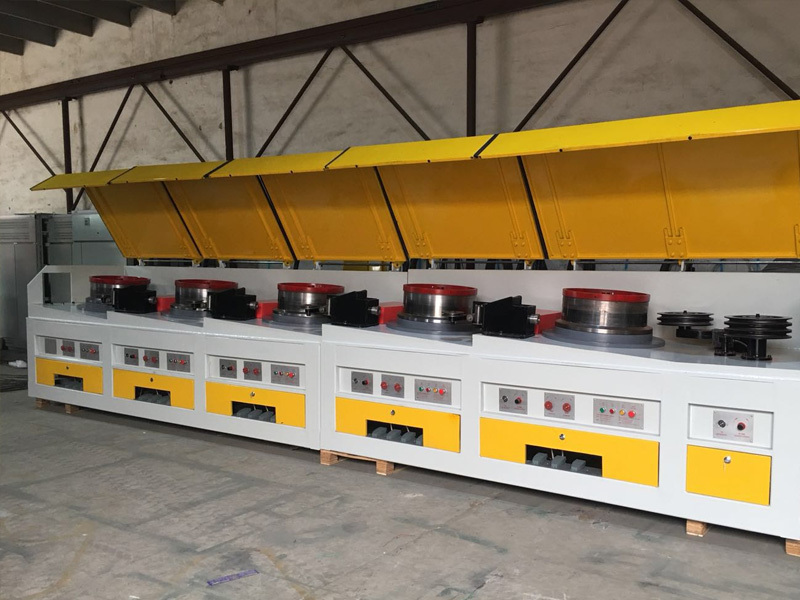
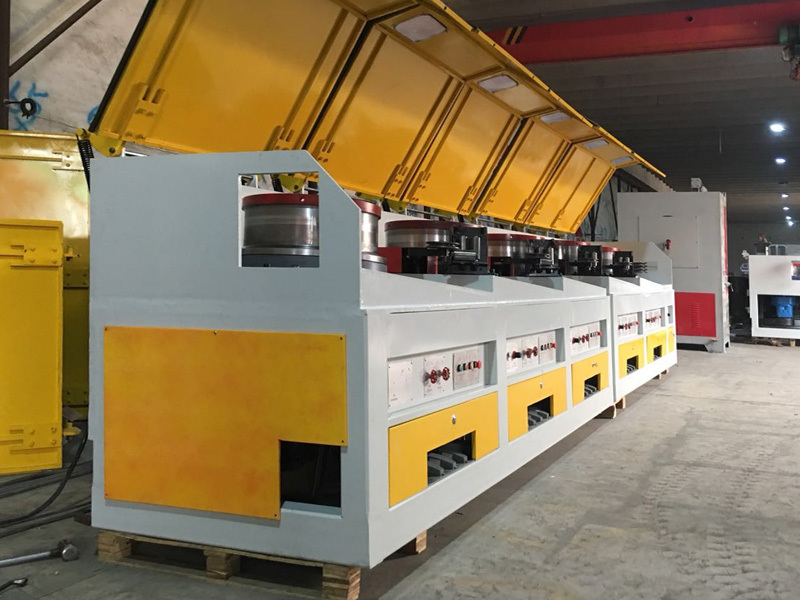
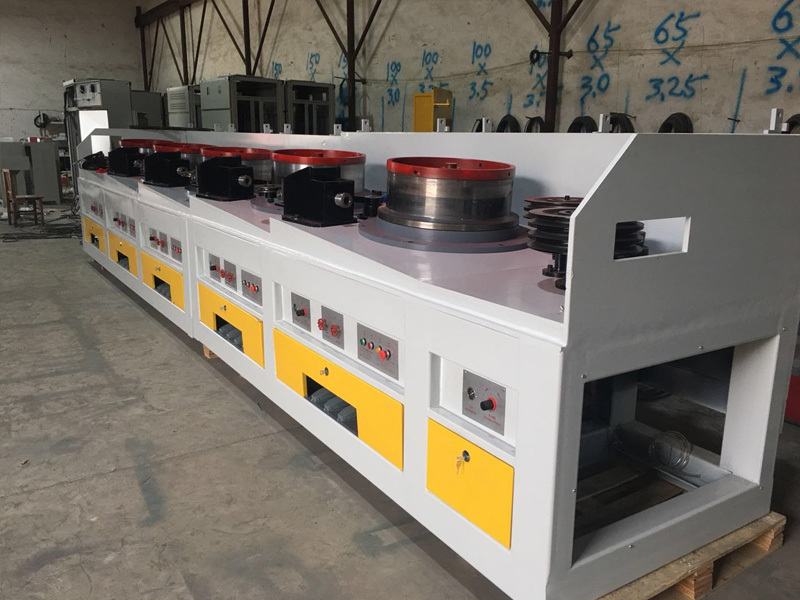
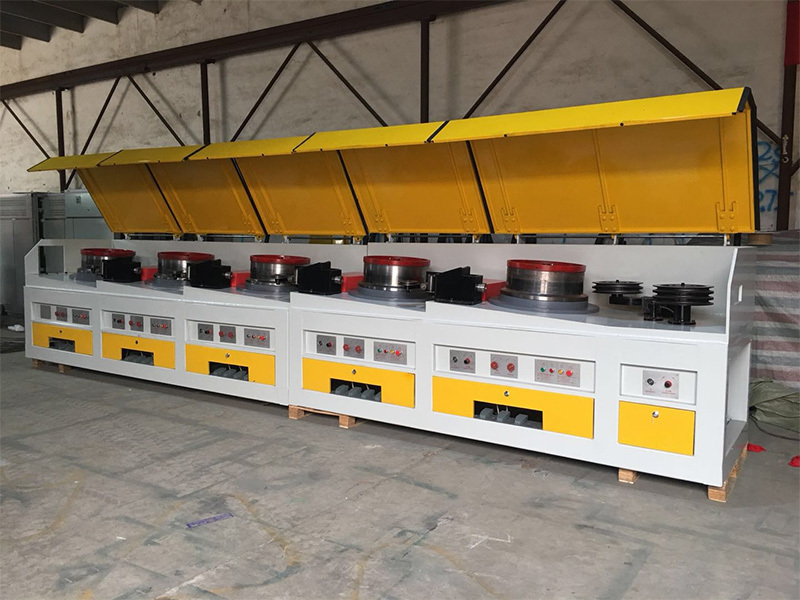
A **pulley drawing machine** is a specialized piece of equipment designed for the fabrication of metallic components, particularly pulleys. These machines use a system of rollers and dies to draw materials through a die, reshaping them into the desired specifications. The versatility of pulley drawing machines allows manufacturers to produce a wide range of products, from simple components to complex assemblies.
Types of Pulley Drawing Machines
There are two primary types of pulley drawing machines: **manual** and **automatic**. Manual machines require greater operator input and skill, while automatic machines are equipped with advanced technology that streamlines operation, reduces human error, and increases output.
Benefits of Using Pulley Drawing Machines
Investing in a **pulley drawing machine** offers numerous advantages for manufacturers seeking to enhance productivity:
1. Increased Production Speed
These machines are engineered to perform tasks rapidly. By reducing the time it takes to manufacture each component, companies can significantly increase their production output.
2. Enhanced Precision
The precision engineering of pulley drawing machines ensures that each product meets stringent quality standards. This minimizes the need for rework and reduces material waste.
3. Cost-Effectiveness
Automating the drawing process leads to lower labor costs and increased efficiency, allowing businesses to allocate resources more effectively.
4. Flexibility and Versatility
Pulley drawing machines can be customized to handle various materials and shapes, making them suitable for diverse manufacturing needs.
Key Features to Consider When Buying a Pulley Drawing Machine
When selecting a pulley drawing machine, it's crucial to consider several key features that can impact productivity:
1. Build Quality
A robust construction ensures longevity and durability, which is essential for high-volume manufacturing environments.
2. Automation Capabilities
Machines with advanced automation features can significantly reduce operator input, enhancing productivity.
3. Speed Settings
Different applications may require varying speeds. Machines with adjustable speed settings provide flexibility for different production requirements.
4. Material Compatibility
Ensure that the machine can handle the specific materials you need for your production line, including various metal types and thicknesses.
5. Safety Features
Safety should be a top priority. Look for machines that come equipped with safety guards, emergency stops, and other protective measures.
How to Maximize Productivity with a Pulley Drawing Machine
To harness the full potential of a pulley drawing machine, manufacturers should adopt best practices that can lead to operational excellence:
1. Employee Training
Invest in comprehensive training programs for operators to ensure they are skilled in using the machinery efficiently and safely.
2. Regular Maintenance
Establish a routine maintenance schedule to keep the machines in optimal working condition, preventing downtime and costly repairs.
3. Optimize Production Layout
Design the production floor layout to minimize material handling and streamline the workflow from start to finish.
4. Monitor Machine Performance
Utilize performance metrics to identify areas for improvement and ensure that the machines are operating at peak efficiency.
5. Implement Lean Manufacturing Principles
Adopt lean methodologies to eliminate waste and enhance overall productivity in the manufacturing process.
Best Practices for Maintenance and Upkeep
Proper maintenance of a pulley drawing machine is essential to its longevity and efficiency. Here are some best practices:
1. Daily Inspections
Conduct daily checks to ensure that all components are functioning properly. Look for signs of wear and replace parts as needed.
2. Lubrication
Regularly lubricate moving parts to reduce friction and prevent wear, which can lead to machine failure.
3. Cleaning
Keep the machine clean and free of debris to prevent operational issues and ensure a safe working environment.
4. Calibration
Regularly calibrate the machine to maintain precision manufacturing and ensure that it meets production specifications.
Case Studies: Success Stories from Manufacturers
To illustrate the effectiveness of pulley drawing machines, here are some success stories from manufacturers who have integrated this technology:
1. Case Study: ABC Manufacturing Co.
ABC Manufacturing Co. implemented a new pulley drawing machine that increased their production output by 40%. This investment not only improved efficiency but also reduced material waste by up to 30%.
2. Case Study: XYZ Engineering
XYZ Engineering adopted an automatic pulley drawing machine that enhanced their precision and significantly reduced labor costs. As a result, they were able to take on more projects and expand their client base.
Conclusion
In conclusion, investing in a **pulley drawing machine from China** can significantly enhance manufacturing productivity. By understanding the machine's features, benefits, and best practices for operation and maintenance, manufacturers can streamline their processes and achieve greater efficiency. With the right equipment and practices, it is possible to elevate your manufacturing capabilities and stay competitive in today's fast-paced market.
FAQs
1. What materials can a pulley drawing machine handle?
A pulley drawing machine can handle various metals and materials, including steel, aluminum, and copper, depending on the machine's specifications.
2. How often should a pulley drawing machine be maintained?
Routine maintenance should occur regularly, with daily inspections and more in-depth checks based on the manufacturer's recommendations.
3. Can a pulley drawing machine improve production speed?
Yes, these machines are designed to enhance speed and efficiency in the drawing process, leading to increased production output.
4. Is operator training necessary for using a pulley drawing machine?
Absolutely. Proper training ensures that operators are skilled in using the machine safely and effectively, maximizing its capabilities.
5. What safety features should I look for in a pulley drawing machine?
Look for machines equipped with safety guards, emergency stop buttons, and protective enclosures to ensure operator safety during operation.
Key words:


☎️Phone
* Please Enter Keywords
The company specializes in the development and manufacture of a complete set of welding wire production lines and a complete set of metal wire drawing machines 📮 info@cnwiremachine.com