
 Esperanto
 Shqiptare
 Euskara
 Zulu
Zulu
 Latinus
 Cymraeg
 தமிழ்
தமிழ்
 Slovak
 Slovak
 Afrikaans
News Hotspot
Contact Info
Hotline: +86-18831168296
E-mail: Info@cnwiremachine.com
Add: Gaoqian West Street, Sijiazhuang Town, Luquan District, Shijiazhuang City, Hebei Province
Understanding Straight Wire Drawing Machines: Essential Insights for Metal Processing Professionals
Release Time:
Nov 07,2024
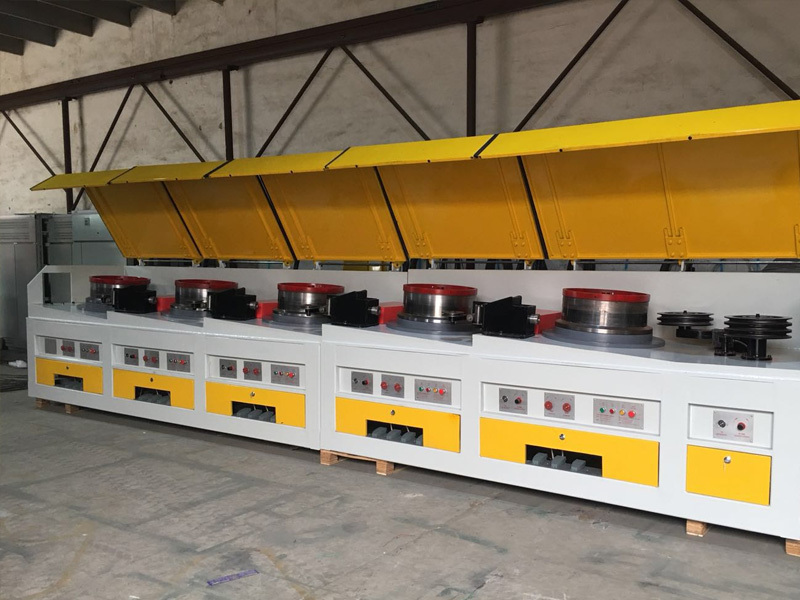
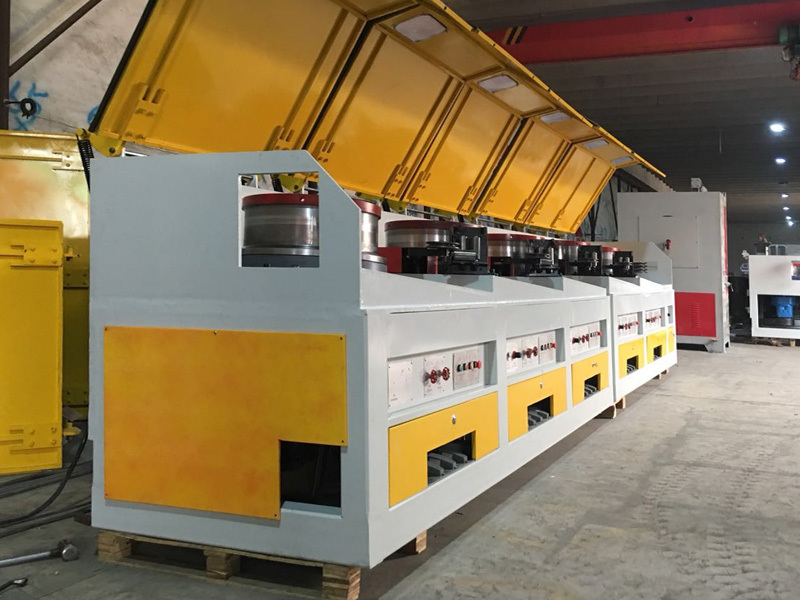
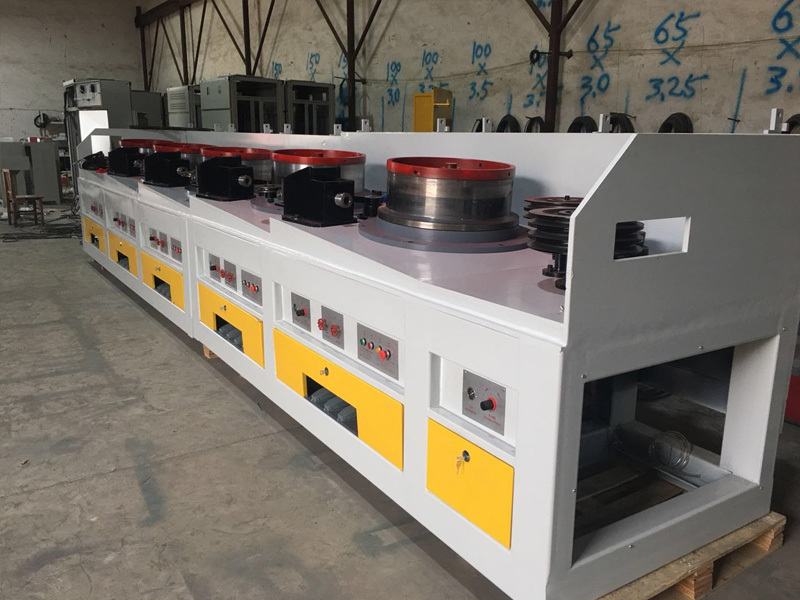
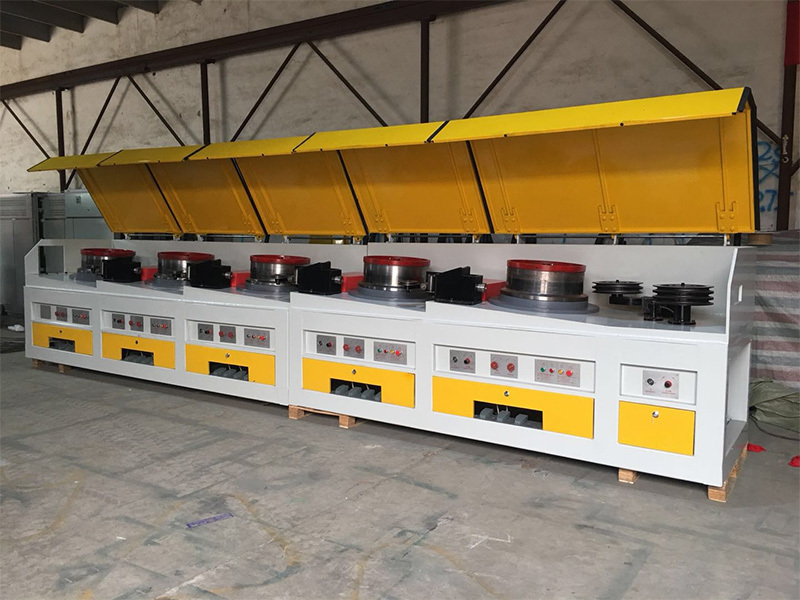
Straight wire drawing machines are pivotal in the metal processing industry, primarily used to reduce the diameter of metal wire through a series of drawing processes. These machines employ a method called wire drawing, where metal rods or wires are pulled through a series of dies, progressively reducing the wire's cross-sectional area while increasing its length. The process is crucial for produc
The operation of straight wire drawing machines is characterized by several components, including the drawing capstan, which rotates to pull the wire through the dies, and the dies themselves, which are designed to shape the wire accurately. The machines often incorporate advanced technologies, such as automatic lubrication systems and electronic monitoring, which enhance operational efficiency and prolong the equipment's lifespan.
One key advantage of straight wire drawing machines is their ability to produce high-quality wires with consistent specifications. This consistency is vital in industries where precise tolerances are paramount, such as automotive, construction, and electronics. The machines are also designed for flexibility, allowing manufacturers to switch between various wire sizes and materials with minimal downtime, which is essential for adapting to market demands.
In terms of applications, straight wire drawing machines are widely utilized in producing a range of wire products, including but not limited to, electrical wires, welding wires, and spring wires. Each of these applications requires specific properties in the wire, such as tensile strength and flexibility, which can be achieved through controlled drawing processes.
Furthermore, the technological advancements in straight wire drawing machines have led to increased automation and integration with digital systems. This evolution not only enhances production efficiency but also allows for better quality control, reducing the likelihood of defects in the final product. As a result, manufacturers can achieve higher yields and improve their overall competitiveness in the market.
In conclusion, straight wire drawing machines play a crucial role in the metal processing sector, offering significant advantages in terms of efficiency, product quality, and operational flexibility. Understanding their functionality and applications is essential for professionals in the industry, enabling them to make informed decisions about equipment investment and production strategies. By leveraging the capabilities of these machines, manufacturers can better meet the demands of a rapidly evolving marketplace while maintaining high standards of quality and performance.
Key words:


☎️Phone
* Please Enter Keywords
The company specializes in the development and manufacture of a complete set of welding wire production lines and a complete set of metal wire drawing machines 📮 info@cnwiremachine.com