
 Esperanto
 Shqiptare
 Euskara
 Zulu
Zulu
 Latinus
 Cymraeg
 தமிழ்
தமிழ்
 Slovak
 Slovak
 Afrikaans
News Hotspot
Contact Info
Hotline: +86-18831168296
E-mail: Info@cnwiremachine.com
Add: Gaoqian West Street, Sijiazhuang Town, Luquan District, Shijiazhuang City, Hebei Province
Horizontal Type Wire Drawing Machines: Enhancing Safety in Manufacturing
Release Time:
Nov 10,2024
Horizontal Type Wire Drawing Machines: Enhancing Safety in Manufacturing Table of Contents Introduction to Horizontal Type Wire Drawing Machines Understanding the Wire Drawing Process The Importance of Safety in Manufacturing Key Safety Features of Horizontal Type Wire Drawing Machines Technological Innovations Enhancing Safety Best Practices for Safety in Wi
Horizontal Type Wire Drawing Machines: Enhancing Safety in Manufacturing
Table of Contents
- Introduction to Horizontal Type Wire Drawing Machines
- Understanding the Wire Drawing Process
- The Importance of Safety in Manufacturing
- Key Safety Features of Horizontal Type Wire Drawing Machines
- Technological Innovations Enhancing Safety
- Best Practices for Safety in Wire Drawing Operations
- Regulatory Compliance and Safety Standards
- The Future of Horizontal Type Wire Drawing Machines
- Conclusion
- Frequently Asked Questions (FAQs)
Introduction to Horizontal Type Wire Drawing Machines
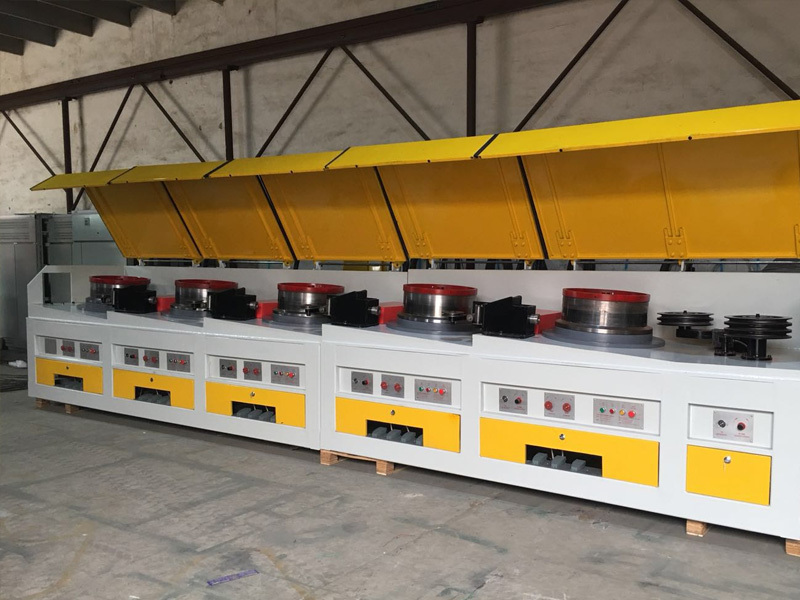
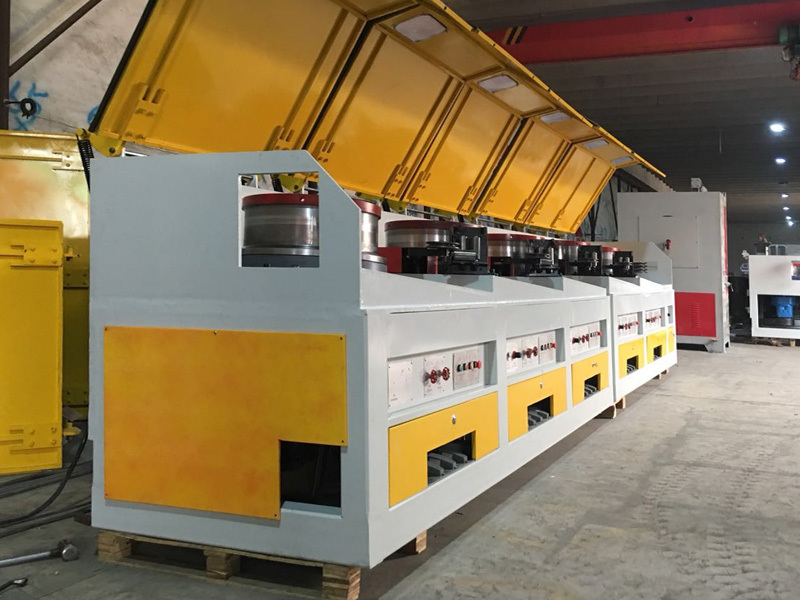
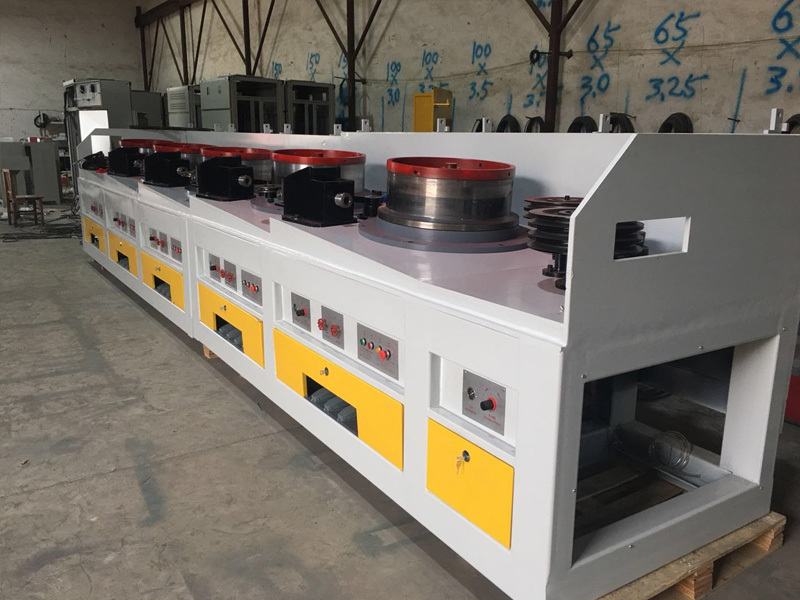
In modern manufacturing, **horizontal type wire drawing machines** play a crucial role in shaping and processing metal wires. These machines are specialized tools designed to draw metal wire through a series of dies, reducing its diameter while increasing its length. As industries continue to evolve, the emphasis on safety and efficiency has become paramount. This article delves into how horizontal type wire drawing machines enhance safety in manufacturing environments, ensuring optimal performance without compromising worker well-being.
Understanding the Wire Drawing Process
Wire drawing is a fundamental process in metal fabrication that transforms raw metal into usable wire forms. The process involves pulling a metal rod through a tapered die, which reduces its diameter and elongates it. Horizontal type machines offer several advantages, including space efficiency and improved worker ergonomics. Understanding the intricacies of this process is essential for recognizing the inherent risks associated with wire drawing and the need for enhanced safety measures.
The Stages of Wire Drawing
The wire drawing process consists of several key stages:
1. **Preparation**: The metal rod is prepared by cleaning and cutting to the required length.
2. **Drawing**: The rod is pulled through the die, where it undergoes the primary reduction process.
3. **Annealing**: If necessary, the drawn wire is annealed to relieve stress and improve ductility.
4. **Coiling**: The final product is coiled for storage or shipping.
Each stage presents unique challenges, making safety considerations vital throughout the entire process.
The Importance of Safety in Manufacturing
In the manufacturing sector, safety is not just a regulatory requirement; it is a moral obligation. Hazards associated with wire drawing machines can include entanglement, noise exposure, and equipment malfunctions. A focus on safety can significantly reduce workplace accidents, enhance productivity, and improve employee morale. By prioritizing safety, manufacturers can create a more sustainable and efficient work environment.
Common Hazards in Wire Drawing
1. **Mechanical Hazards**: Moving parts can pose risks of entanglement and injury.
2. **Noise Pollution**: Continuous operations can lead to long-term hearing damage for workers.
3. **Chemical Exposure**: Lubricants and cleaning agents used in the process can be hazardous.
4. **Ergonomic Risks**: Prolonged standing and repetitive motions can lead to musculoskeletal disorders.
Understanding these hazards allows manufacturers to implement effective strategies to mitigate risks.
Key Safety Features of Horizontal Type Wire Drawing Machines
Horizontal type wire drawing machines are equipped with a variety of safety features designed to protect operators and maintain a safe working environment. These features not only comply with industry standards but also enhance operational efficiency.
1. Emergency Stop Mechanisms
Emergency stop buttons provide a quick way to cease operations in case of an emergency, ensuring immediate action can be taken to prevent accidents.
2. Safety Guards and Shields
These physical barriers prevent accidental contact with moving parts, significantly reducing the risk of injury.
3. Operator Training Programs
Comprehensive training for operators ensures they are well-versed in machine operation and safety protocols, fostering a culture of safety.
4. Regular Maintenance Checks
Routine maintenance is crucial for keeping machines in optimal condition and preventing mechanical failures that could lead to accidents.
Technological Innovations Enhancing Safety
The integration of advanced technology in horizontal type wire drawing machines has transformed safety protocols in manufacturing. Innovations such as automation, sensor technology, and real-time monitoring systems have significantly improved operational safety.
1. Automation and Robotics
Automated systems reduce human intervention, minimizing the risk of accidents. Robots can handle hazardous tasks, allowing human operators to focus on supervision.
2. Sensor Technology
Sensors can detect anomalies, such as unusual vibrations or temperature fluctuations, alerting operators to potential issues before they escalate.
3. Real-time Monitoring Systems
These systems provide continuous oversight of machine performance, enabling proactive maintenance and immediate responses to safety concerns.
Best Practices for Safety in Wire Drawing Operations
Implementing best practices in wire drawing operations can enhance safety and efficiency. Here are some proven strategies:
1. Conduct Risk Assessments
Regular risk assessments identify potential hazards and allow for effective mitigation strategies to be put in place.
2. Implement Standard Operating Procedures (SOPs)
Developing and enforcing SOPs ensures that all operators follow consistent safety practices, reducing the likelihood of accidents.
3. Promote a Safety Culture
Encouraging open communication about safety concerns can help foster a culture where employees feel empowered to report issues.
4. Use Personal Protective Equipment (PPE)
Ensuring that all operators are equipped with appropriate PPE, such as gloves, goggles, and ear protection, is essential for minimizing risks.
Regulatory Compliance and Safety Standards
Compliance with local and international safety regulations is crucial for manufacturers. Regulatory bodies set forth standards that must be adhered to in order to ensure worker safety and prevent accidents.
1. Understanding OSHA Regulations
The Occupational Safety and Health Administration (OSHA) sets forth safety standards that manufacturing businesses must comply with. Familiarity with these regulations is essential for maintaining a safe work environment.
2. Industry-Specific Standards
Other industry-specific standards, such as ISO certifications, can also enhance safety and operational reliability in wire drawing operations.
The Future of Horizontal Type Wire Drawing Machines
As the manufacturing landscape evolves, horizontal type wire drawing machines will continue to integrate more sophisticated technologies aimed at enhancing safety and efficiency. The future may see further advancements in automation, improved ergonomic designs, and innovative materials that enhance machine durability.
1. Emphasis on Sustainability
Future developments will likely focus on sustainable practices, including energy-efficient machines and eco-friendly materials.
2. Enhanced Worker Engagement
Engaging workers in the development and implementation of safety protocols will be crucial for fostering a culture of safety and continuous improvement.
Conclusion
Horizontal type wire drawing machines are essential in modern manufacturing, significantly impacting the production of metal wires while prioritizing safety. By integrating advanced technologies, implementing best practices, and adhering to regulatory standards, manufacturers can enhance worker safety and operational efficiency. As we move forward, the focus on safety will continue to shape the future of these machines, ensuring a safer work environment for all.
Frequently Asked Questions (FAQs)
1. What are horizontal type wire drawing machines used for?
Horizontal type wire drawing machines are used to reduce the diameter of metal rods while elongating them, turning them into usable wire products for various applications.
2. How do safety features enhance the operation of wire drawing machines?
Safety features such as emergency stops, safety guards, and operator training reduce the risk of accidents and ensure a safe working environment.
3. What are common hazards associated with wire drawing operations?
Common hazards include mechanical risks, noise exposure, chemical hazards, and ergonomic issues.
4. How can manufacturers ensure compliance with safety regulations?
Manufacturers can ensure compliance by familiarizing themselves with OSHA regulations, conducting regular risk assessments, and implementing standard operating procedures.
5. What is the future of wire drawing machine technology?
The future of wire drawing machine technology focuses on automation, enhanced safety features, and sustainable practices that prioritize both efficiency and worker well-being.
Key words:


☎️Phone
* Please Enter Keywords
The company specializes in the development and manufacture of a complete set of welding wire production lines and a complete set of metal wire drawing machines 📮 info@cnwiremachine.com