
 Esperanto
 Shqiptare
 Euskara
 Zulu
Zulu
 Latinus
 Cymraeg
 தமிழ்
தமிழ்
 Slovak
 Slovak
 Afrikaans
News Hotspot
Contact Info
Hotline: +86-18831168296
E-mail: Info@cnwiremachine.com
Add: Gaoqian West Street, Sijiazhuang Town, Luquan District, Shijiazhuang City, Hebei Province
Understanding Straight Wire Drawing Machines: Essential Insights for Metal Processing
Release Time:
Nov 11,2024
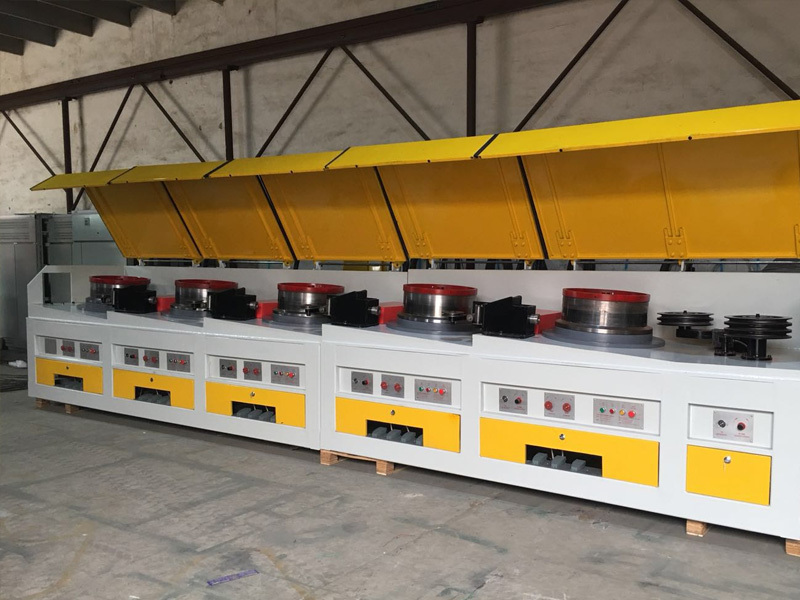
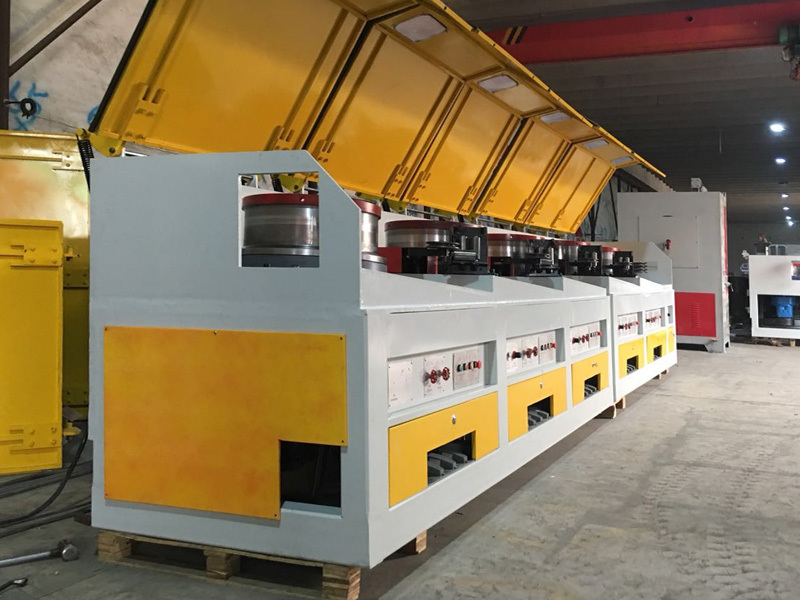
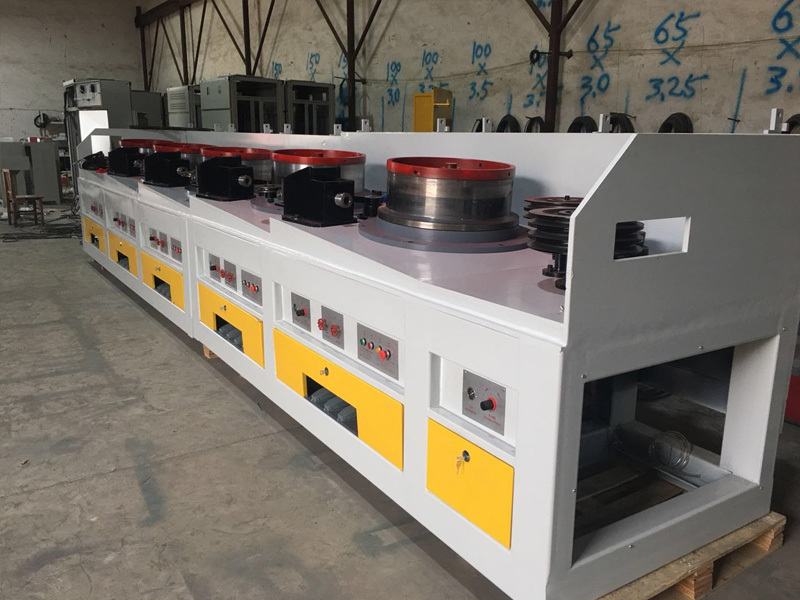
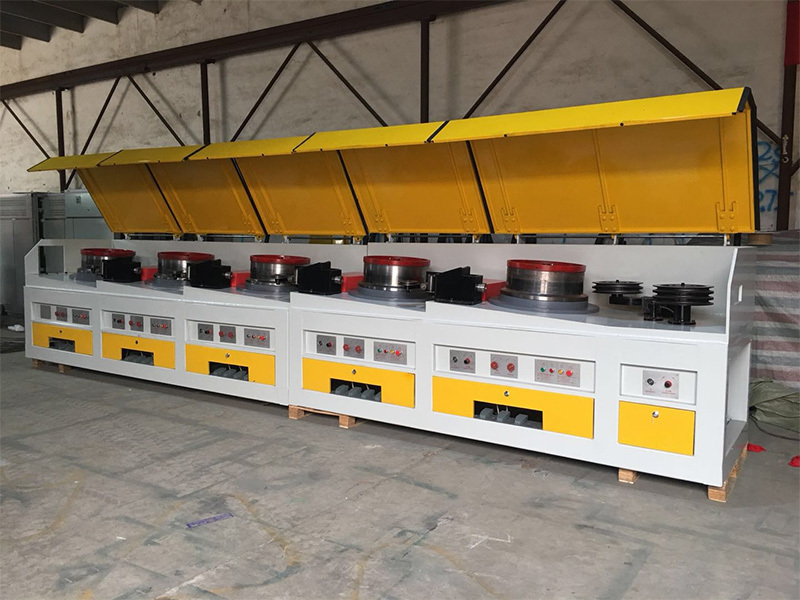
Straight wire drawing machines are pivotal in the metal processing industry, particularly in the manufacturing of wires from various materials such as steel, copper, and aluminum. These machines are designed to reduce the diameter of a wire rod to a desired size while maintaining its material properties. The process not only enhances the wire's mechanical strength but also improves its surface fin
The operation of a straight wire drawing machine involves several steps. Initially, the wire rod is fed into the machine through a series of guides and rollers. As the wire passes through the drawing die, it is stretched, effectively reducing its diameter. This reduction in size is accompanied by elongation, which is a critical factor in determining the wire's final characteristics. The machines are typically equipped with various features such as tension control systems and lubrication mechanisms to ensure a smooth drawing process and to prevent wire breakage.
One of the primary advantages of using straight wire drawing machines is their efficiency in producing high-quality wire with precise dimensions. The consistency in wire diameter achieved through this process is crucial for applications that require exact specifications. Additionally, these machines can be configured to accommodate different wire materials and sizes, making them versatile for manufacturers.
Another significant benefit of straight wire drawing machines is their capacity for high production rates. With advancements in technology, modern machines are capable of operating at higher speeds while maintaining quality, thereby meeting the increasing demand for wire products in various sectors. The automation of these machines has also led to reduced labor costs and minimized human error, enhancing overall productivity.
Moreover, the application of straight wire drawing machines extends beyond conventional wire manufacturing. They are increasingly used in the production of specialized wires, including those used in fencing, spring manufacturing, and electrical applications. The ability to draw wires with specific mechanical properties opens up new avenues for innovative product development.
In conclusion, straight wire drawing machines play a crucial role in the metal processing industry, delivering efficiency, precision, and versatility. Understanding their operation and benefits can help manufacturers optimize their production processes and meet market demands effectively. Whether you are involved in wire production or exploring new manufacturing technologies, gaining insight into straight wire drawing machines is essential for staying competitive in the evolving landscape of metal processing.
Key words:


☎️Phone
* Please Enter Keywords
The company specializes in the development and manufacture of a complete set of welding wire production lines and a complete set of metal wire drawing machines 📮 info@cnwiremachine.com