
 Esperanto
 Shqiptare
 Euskara
 Zulu
Zulu
 Latinus
 Cymraeg
 தமிழ்
தமிழ்
 Slovak
 Slovak
 Afrikaans
News Hotspot
Contact Info
Hotline: +86-18831168296
E-mail: Info@cnwiremachine.com
Add: Gaoqian West Street, Sijiazhuang Town, Luquan District, Shijiazhuang City, Hebei Province
Common Myths About Horizontal Type Wire Drawing Machines Debunked
Release Time:
Nov 14,2024
Common Myths About Horizontal Type Wire Drawing Machines Debunked Table of Contents 1. Introduction: Understanding Horizontal Type Wire Drawing Machines 2. Myth #1: Horizontal Type Wire Drawing Machines Are Inefficient 3. Myth #2: Only Large Factories Can Benefit from Horizontal Wire Drawing Machines 4. Myth #3: Maintenance for Horizontal Type Wire Drawing Machines is Complicated 5. Myth #4: Horiz
Common Myths About Horizontal Type Wire Drawing Machines Debunked
Table of Contents
1. Introduction: Understanding Horizontal Type Wire Drawing Machines
2. Myth #1: Horizontal Type Wire Drawing Machines Are Inefficient
3. Myth #2: Only Large Factories Can Benefit from Horizontal Wire Drawing Machines
4. Myth #3: Maintenance for Horizontal Type Wire Drawing Machines is Complicated
5. Myth #4: Horizontal Wire Drawing Machines Are Outdated Technology
6. Myth #5: They Are Only Suitable for Specific Types of Metals
7. Understanding the Versatility of Horizontal Type Wire Drawing Machines
8. Conclusion: Embracing the Truth About Horizontal Type Wire Drawing Machines
9. FAQs About Horizontal Type Wire Drawing Machines
1. Introduction: Understanding Horizontal Type Wire Drawing Machines
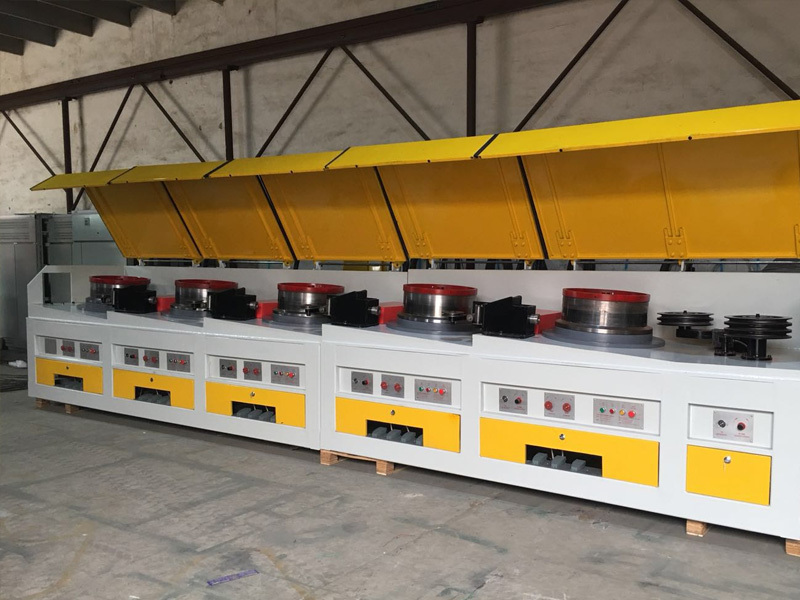
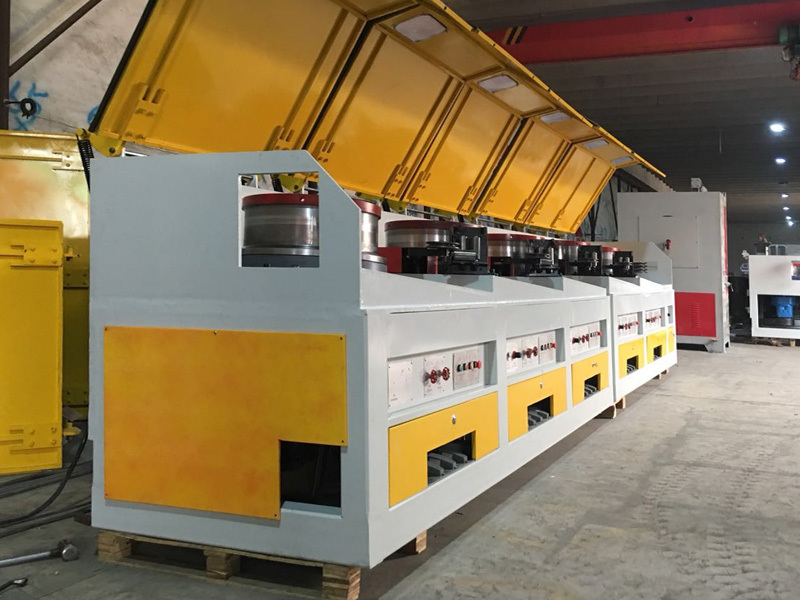
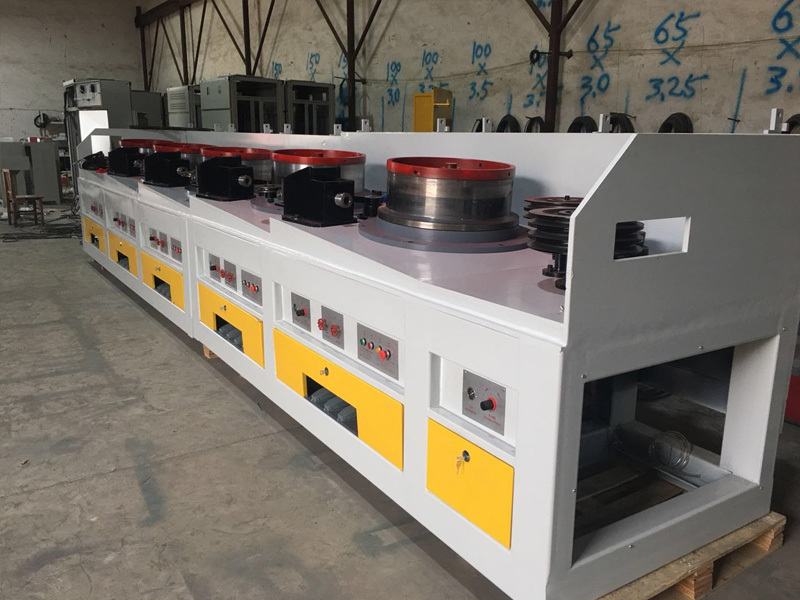
Horizontal type wire drawing machines play a pivotal role in the manufacturing and processing of metal wires. These machines draw wires from larger diameters to thinner sizes through a series of dies, significantly enhancing their functionality and usability in varied applications. Despite their significance, several misconceptions cloud their true potential. This article aims to debunk common myths associated with horizontal type wire drawing machines and shed light on their operational advantages.
2. Myth #1: Horizontal Type Wire Drawing Machines Are Inefficient
A prevalent belief is that horizontal type wire drawing machines are less efficient compared to their vertical counterparts. However, this claim is far from the truth. In reality, horizontal machines often provide greater control over the wire drawing process, leading to higher precision and consistency in the final product. The design of these machines allows for better lubrication and cooling, which are critical for maintaining temperature and reducing wear and tear. As a result, manufacturers can achieve optimal drawing speeds without compromising the quality of the wire.
Performance Metrics of Horizontal Type Machines
Efficiency in wire drawing can be quantified by examining several performance metrics:
- **Drawing Speed**: Horizontal machines often outperform vertical ones in terms of speed due to their streamlined design.
- **Energy Consumption**: With improved energy efficiency, horizontal machines operate effectively, reducing operational costs.
- **Product Quality**: The consistent tension and pressure applied during the drawing process improve the quality of the wire produced.
By leveraging these advantages, businesses can maximize productivity and reduce overhead costs, debunking the myth of inefficiency.
3. Myth #2: Only Large Factories Can Benefit from Horizontal Wire Drawing Machines
Another widespread misconception is that horizontal type wire drawing machines are exclusively suitable for large-scale manufacturing operations. This belief limits the potential of smaller businesses and custom manufacturers. In truth, horizontal machines can be adapted for various production scales, providing flexibility for different manufacturing needs.
Benefits for Small and Medium Enterprises
- **Scalability**: Horizontal machines can adjust to meet both small and large production runs, making them viable for businesses of any size.
- **Cost-Effectiveness**: Smaller operations benefit from lower initial investments and operational costs without sacrificing quality or efficiency.
- **Custom Applications**: These machines can be tailored to produce specialized wire products, giving smaller manufacturers a competitive edge.
By dispelling this myth, we can encourage a wider range of businesses to consider horizontal type wire drawing machines as viable options for their production needs.
4. Myth #3: Maintenance for Horizontal Type Wire Drawing Machines is Complicated
Many believe that the maintenance requirements for horizontal type wire drawing machines are overly complex and time-consuming. This myth can deter potential users from investing in this technology. However, maintenance practices for these machines are quite manageable and essential for ensuring longevity and optimal performance.
Simple Maintenance Practices
1. **Regular Lubrication**: Keeping the machine components well-lubricated reduces friction and extends the lifespan of the equipment.
2. **Routine Inspections**: Conducting regular checks on the dies, wires, and components allows for early detection of wear.
3. **Cleaning**: Maintaining cleanliness around the machine prevents contamination that may affect production quality.
By adhering to simple maintenance guidelines, operators can ensure their horizontal type wire drawing machines function efficiently and effectively.
5. Myth #4: Horizontal Wire Drawing Machines Are Outdated Technology
With the rapid advancement of technology in manufacturing, some perceive horizontal type wire drawing machines as outdated. This perception ignites concerns regarding their capability to meet modern production demands. In reality, these machines have evolved significantly and incorporate cutting-edge technology that enhances their performance.
Modern Enhancements in Horizontal Wire Drawing Machines
- **Automation**: Many horizontal machines now feature automated systems, enabling precise control over the drawing process.
- **Advanced Materials**: The use of high-quality materials in construction enhances durability and reduces downtime.
- **Integrated Technology**: Modern machines come equipped with diagnostic tools and IoT capabilities, allowing for real-time performance monitoring.
These advancements solidify the relevance of horizontal type wire drawing machines in today’s manufacturing landscape, showcasing their adaptability and technological progress.
6. Myth #5: They Are Only Suitable for Specific Types of Metals
Another common belief is that horizontal type wire drawing machines are limited to processing specific metals, such as copper or aluminum. However, these machines are versatile and can effectively handle a wide range of materials.
Materials Suitable for Horizontal Type Wire Drawing Machines
- **Copper**: A primary choice due to its excellent conductivity and malleability.
- **Aluminum**: Light and corrosion-resistant, making it ideal for various applications.
- **Steel**: Used extensively in construction and manufacturing due to its strength.
- **Brass and Bronze**: Suitable for specialized applications requiring specific mechanical properties.
This versatility allows manufacturers to diversify their product offerings and cater to various industries, challenging the notion that horizontal type machines are limited in scope.
7. Understanding the Versatility of Horizontal Type Wire Drawing Machines
Horizontal type wire drawing machines are not only efficient and adaptable but also offer numerous benefits that make them preferred choices in the manufacturing sector. Their design and features contribute to their versatility in meeting diverse production needs.
Key Advantages of Horizontal Type Wire Drawing Machines
- **Space Efficiency**: The horizontal design minimizes the footprint required for installation, making them ideal for facilities with limited space.
- **Enhanced Safety Features**: Modern horizontal machines include improved safety measures, ensuring a safer work environment.
- **Ease of Use**: User-friendly interfaces and controls make operation simpler for personnel, reducing training time and operational errors.
By leveraging these advantages, businesses can optimize their manufacturing processes and enhance overall productivity.
8. Conclusion: Embracing the Truth About Horizontal Type Wire Drawing Machines
In conclusion, the myths surrounding horizontal type wire drawing machines have hindered many businesses from realizing their true potential. By debunking these misconceptions, we can facilitate a better understanding of the capabilities and advantages these machines offer. As technology continues to advance, horizontal type wire drawing machines will remain integral to the metal processing industry, providing efficiency, versatility, and quality in wire production. Embracing the truth about these machines will help manufacturers make informed decisions that drive success in their operations.
9. FAQs About Horizontal Type Wire Drawing Machines
Q1: What industries commonly use horizontal type wire drawing machines?
A1: Horizontal type wire drawing machines are widely used in industries such as construction, automotive, electronics, and telecommunications for producing wire products.
Q2: How often should I perform maintenance on my horizontal type wire drawing machine?
A2: Regular maintenance should be conducted based on the manufacturer's recommendations, typically every few weeks or as production demands warrant.
Q3: Can horizontal type wire drawing machines be customized for specific applications?
A3: Yes, many manufacturers offer customization options for horizontal type wire drawing machines to meet specific production requirements.
Q4: What safety features should I look for in a horizontal wire drawing machine?
A4: Look for machines equipped with emergency stop buttons, safety guards, and automated safety protocols to enhance workplace safety.
Q5: Are there training resources available for operating horizontal type wire drawing machines?
A5: Yes, many manufacturers provide training resources, including manuals and training sessions, to ensure operators can effectively use and maintain the machines.
By addressing these common questions, we aim to provide a comprehensive understanding of horizontal type wire drawing machines and their significance in the manufacturing sector.
Key words:


☎️Phone
* Please Enter Keywords
The company specializes in the development and manufacture of a complete set of welding wire production lines and a complete set of metal wire drawing machines 📮 info@cnwiremachine.com