
 Esperanto
 Shqiptare
 Euskara
 Zulu
Zulu
 Latinus
 Cymraeg
 தமிழ்
தமிழ்
 Slovak
 Slovak
 Afrikaans
News Hotspot
Contact Info
Hotline: +86-18831168296
E-mail: Info@cnwiremachine.com
Add: Gaoqian West Street, Sijiazhuang Town, Luquan District, Shijiazhuang City, Hebei Province
Innovations in Horizontal Type Wire Drawing Machines for Modern Manufacturing
Release Time:
Nov 18,2024
Innovations in Horizontal Type Wire Drawing Machines for Modern Manufacturing Table of Contents Introduction to Horizontal Type Wire Drawing Machines Historical Development of Wire Drawing Technology Current Innovations in Horizontal Wire Drawing Machines Technological Advancements Driving Efficiency Applications of Horizontal Type Wire Drawing Machines Benefits of Modern Horizontal W
Innovations in Horizontal Type Wire Drawing Machines for Modern Manufacturing
Table of Contents
- Introduction to Horizontal Type Wire Drawing Machines
- Historical Development of Wire Drawing Technology
- Current Innovations in Horizontal Wire Drawing Machines
- Technological Advancements Driving Efficiency
- Applications of Horizontal Type Wire Drawing Machines
- Benefits of Modern Horizontal Wire Drawing Machines
- Challenges Facing the Industry
- Future Trends in Wire Drawing Technology
- Conclusion
- Frequently Asked Questions
Introduction to Horizontal Type Wire Drawing Machines
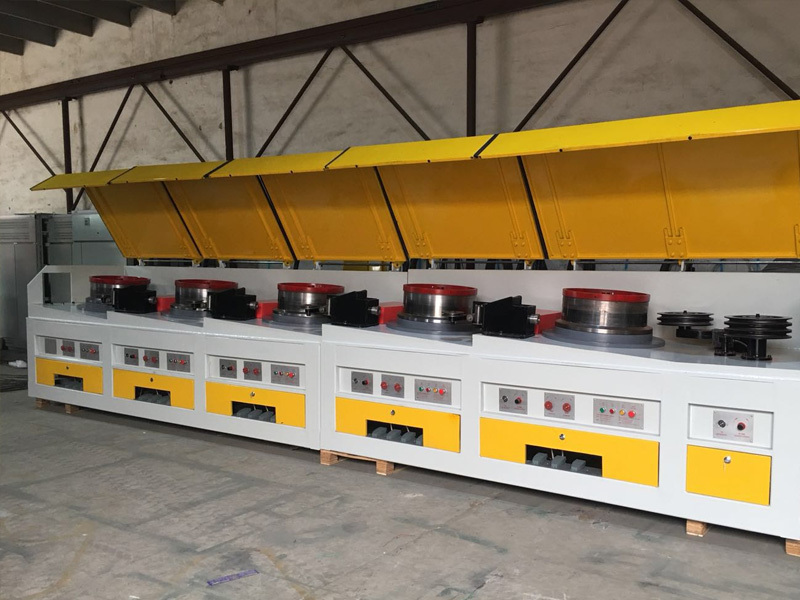
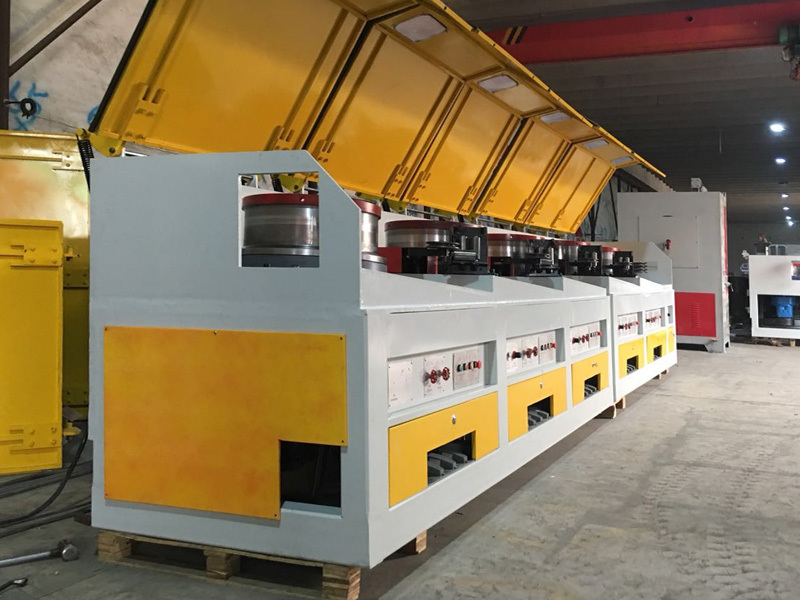
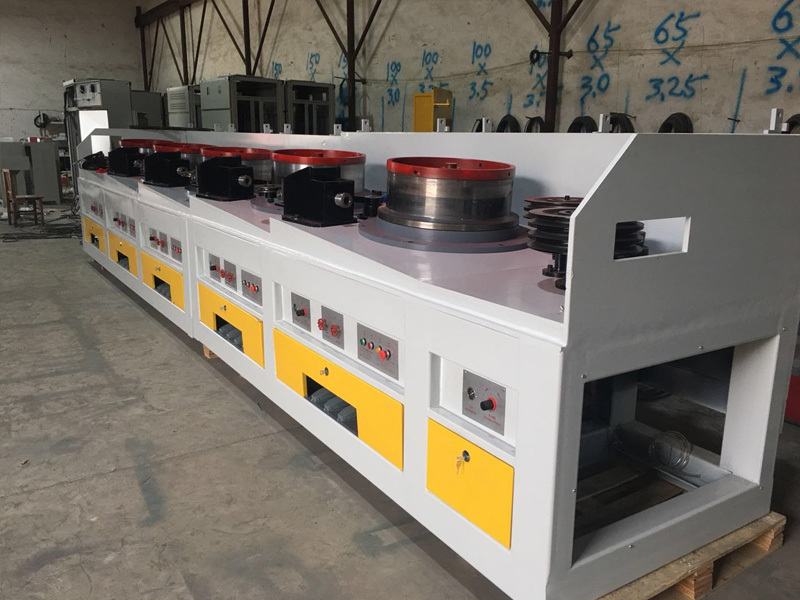
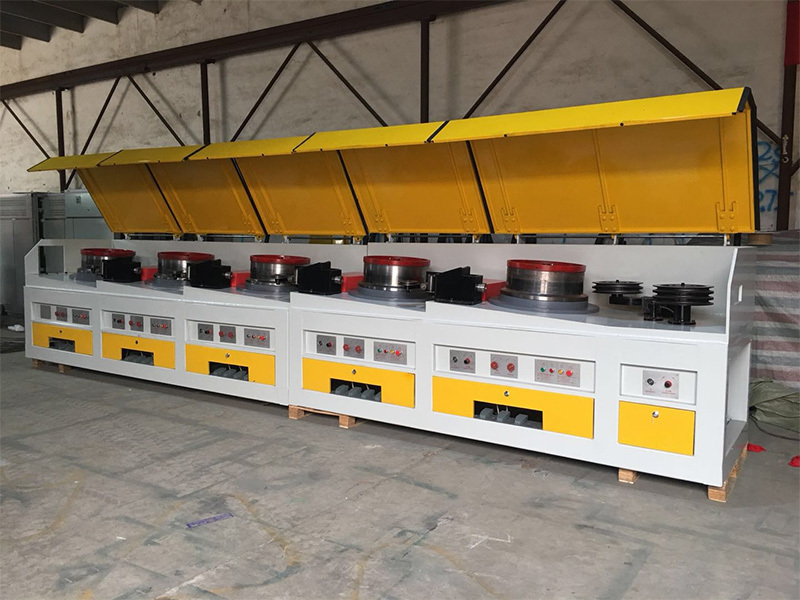
Horizontal type wire drawing machines have become a cornerstone in the manufacturing process, particularly in the field of metal processing. These machines are designed to reduce the diameter of wire by pulling it through a series of dies. The evolution of these machines reflects the rapid advancements in technology, which have paved the way for increased efficiency, reduced costs, and enhanced quality in the manufacturing sector.
Historical Development of Wire Drawing Technology
The origins of wire drawing can be traced back to ancient civilizations, where artisans manually drew metal wire. Over the centuries, machinery evolved from simple hand-operated devices to complex automated systems. The introduction of horizontal type machines marked a significant shift, allowing for continuous operation and enhanced productivity. Key milestones in this evolution include the development of hydraulic systems and computer numerical control (CNC) technology, which have fundamentally transformed how wire drawing is approached in modern manufacturing.
Current Innovations in Horizontal Wire Drawing Machines
The landscape of horizontal type wire drawing machines is currently being reshaped by several groundbreaking innovations:
Automation and Smart Technology
Modern horizontal wire drawing machines are increasingly equipped with automation capabilities, enabling real-time monitoring and adjustments. Smart sensors and IoT integration facilitate predictive maintenance, reducing downtime and enhancing operational efficiency.
Energy Efficiency Improvements
With growing concerns over sustainability, manufacturers are focusing on energy-efficient models. Innovations such as regenerative braking and energy recovery systems are being integrated into wire drawing machines, allowing for significant reductions in energy consumption.
Enhanced Precision and Quality Control
Advancements in die technology and machine calibration have led to improved precision in wire dimensions. Manufacturers are utilizing advanced software for quality control that monitors the drawing process, ensuring consistency and minimizing defects.
Technological Advancements Driving Efficiency
Several technological advancements are making horizontal wire drawing machines more efficient:
High-Performance Materials
The use of high-performance materials in machine components enhances durability and longevity, minimizing wear and tear during operation. This results in lower maintenance costs and higher output rates.
Computer Numerical Control (CNC)
CNC technology allows for precise control over the wire drawing process. Operators can easily program specific parameters, leading to consistent results and the ability to produce complex wire shapes.
Advanced Cooling Systems
Modern machines incorporate sophisticated cooling systems to maintain optimal temperatures during operation. This prevents overheating, which can lead to material deformation and dimensional inconsistencies.
Applications of Horizontal Type Wire Drawing Machines
Horizontal type wire drawing machines are employed across various industries due to their versatility:
Aerospace and Automotive Industries
These sectors require high-strength wire for components such as aircraft frames and automotive cables. The precision offered by horizontal drawing machines is crucial to meet safety and performance standards.
Electrical and Electronics Manufacturing
In the production of electrical wiring and components, horizontal wire drawing machines provide the necessary precision and quality to ensure reliable conductivity.
Construction and Infrastructure
Wire ropes and cables produced by horizontal machines are integral to construction applications, from suspension bridges to high-rise buildings, where strength and reliability are paramount.
Benefits of Modern Horizontal Wire Drawing Machines
The innovations in horizontal type wire drawing machines translate into several key benefits for manufacturers:
Increased Production Rates
The automation and efficiency of modern machines enable higher production rates, allowing manufacturers to meet increasing demand without sacrificing quality.
Cost-Effectiveness
Although the initial investment in advanced machines may be higher, the long-term savings from reduced labor costs, less material waste, and lower energy consumption justify the expenditure.
Improved Product Quality
With enhanced precision and tighter quality controls, manufacturers experience lower rejection rates and higher customer satisfaction due to the superior quality of the wire products.
Challenges Facing the Industry
Despite the advancements, the industry is not without its challenges:
High Capital Investment
The cost of acquiring and maintaining advanced horizontal wire drawing machines can be prohibitive for smaller manufacturers, limiting their ability to compete in a global market.
Skill Gap in Workforce
As technology evolves, there is an increasing need for skilled operators who understand the complexities of modern machinery. Bridging this skill gap is critical for maintaining productivity.
Supply Chain Disruptions
Global supply chain issues can impact the availability of essential materials and components, affecting production schedules and operational efficiency.
Future Trends in Wire Drawing Technology
Looking ahead, several trends are poised to shape the future of horizontal type wire drawing machines:
Sustainability Focus
As environmental concerns continue to rise, the manufacturing sector will increasingly adopt sustainable practices. This includes utilizing recycled materials and developing machines with a lower carbon footprint.
Integration of Artificial Intelligence
Artificial intelligence (AI) is expected to play a significant role in optimizing wire drawing processes, providing insights that enhance productivity and reduce waste.
Customization and Flexibility
Future machines will likely offer greater customization options, allowing manufacturers to switch between different wire types and specifications with ease, catering to diverse market needs.
Conclusion
The innovations in horizontal type wire drawing machines mark a significant advancement in the manufacturing landscape. As these machines become more automated, energy-efficient, and precise, they are set to enhance productivity and quality across various industries. While challenges remain, the future of wire drawing technology looks promising, with ongoing advancements that will continue to define the future of manufacturing.
Frequently Asked Questions
1. What are horizontal type wire drawing machines?
Horizontal type wire drawing machines are designed to reduce the diameter of wire by drawing it through a series of dies, providing efficiency and precision in manufacturing processes.
2. How do innovations in wire drawing machines improve efficiency?
Innovations such as automation, energy-efficient systems, and enhanced precision technology significantly increase production rates and reduce operational costs.
3. What industries benefit from horizontal wire drawing machines?
Industries such as aerospace, automotive, electrical manufacturing, and construction benefit from the precision and reliability of horizontal wire drawing machines.
4. What challenges do manufacturers face with modern wire drawing machinery?
Challenges include high capital investments, a skill gap in the workforce, and potential supply chain disruptions.
5. What future trends can we expect in wire drawing technology?
Future trends include a greater focus on sustainability, the integration of artificial intelligence, and increased customization options for manufacturers.
Key words:


☎️Phone
* Please Enter Keywords
The company specializes in the development and manufacture of a complete set of welding wire production lines and a complete set of metal wire drawing machines 📮 info@cnwiremachine.com