
 Esperanto
 Shqiptare
 Euskara
 Zulu
Zulu
 Latinus
 Cymraeg
 தமிழ்
தமிழ்
 Slovak
 Slovak
 Afrikaans
News Hotspot
Contact Info
Hotline: +86-18831168296
E-mail: Info@cnwiremachine.com
Add: Gaoqian West Street, Sijiazhuang Town, Luquan District, Shijiazhuang City, Hebei Province
Understanding Straight Wire Drawing Machines: Key Insights for Metal Processing
Release Time:
Nov 19,2024
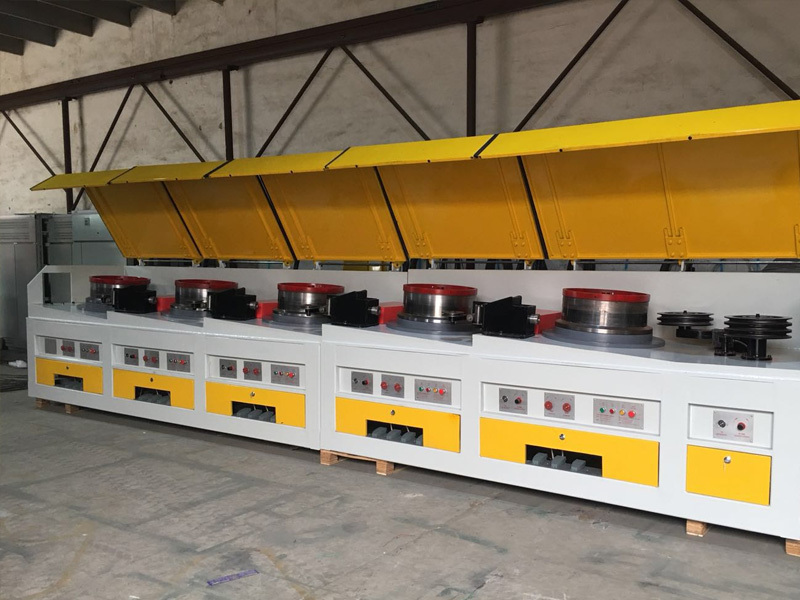
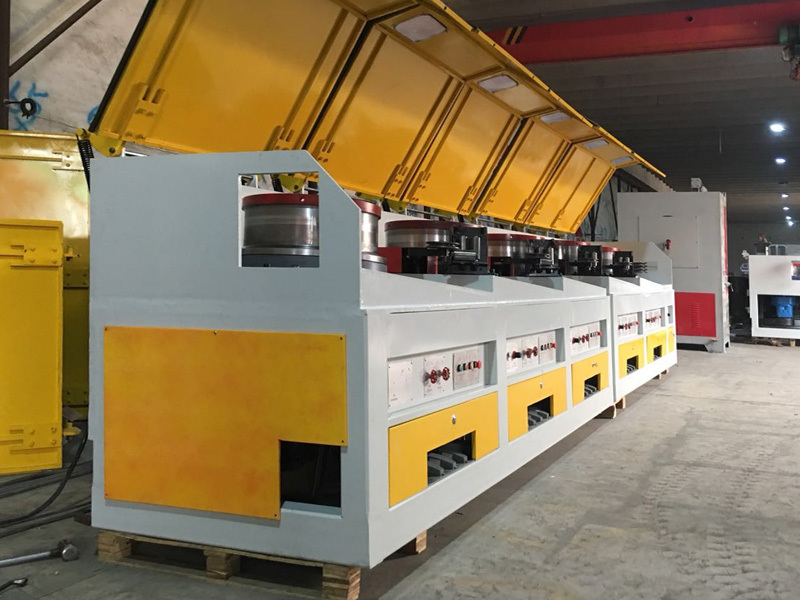
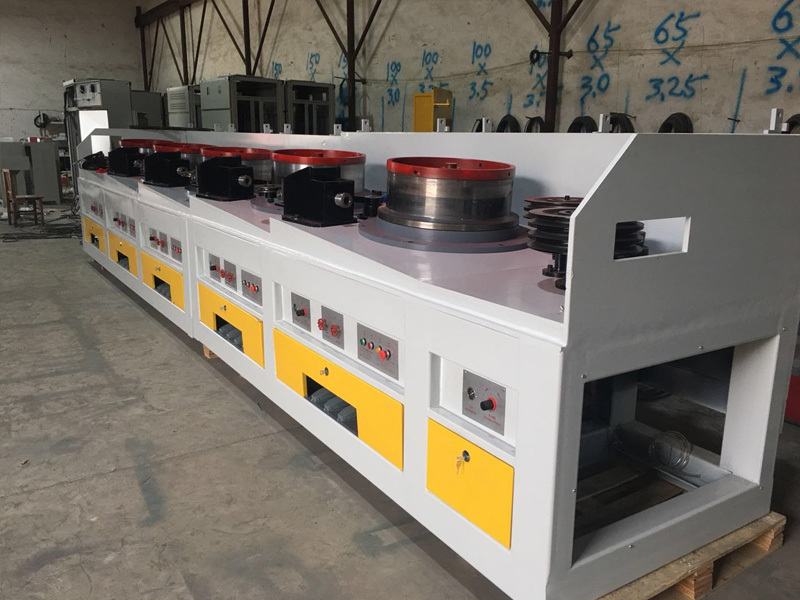
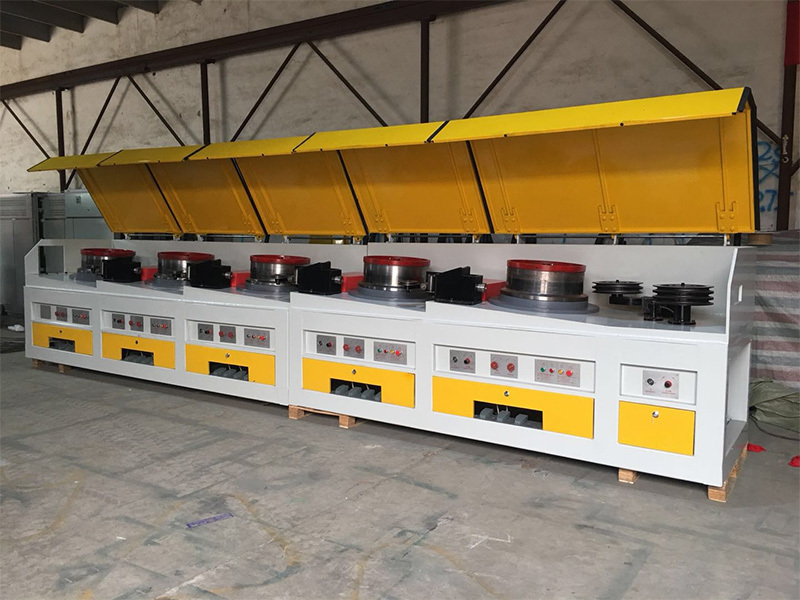
Straight wire drawing machines are essential tools in the metal processing industry, primarily designed to reduce the diameter of wire while increasing its length. This process is paramount for producing wires that meet specific diameter and tensile strength requirements for various applications. The fundamental principle involves pulling metal wire through a series of dies, each progressively red
The operation of a straight wire drawing machine typically consists of several key components, including a pay-off reel, drawing die, capstan, and take-up reel. The pay-off reel unwinds the wire, which is then fed through the drawing die. As the wire passes through, it experiences both friction and tensile forces, which result in elongation and reduction in diameter. The capstan plays a pivotal role in providing the necessary pulling force to draw the wire through the die. After the drawing process, the wire is wound onto the take-up reel for further processing or distribution.
One of the significant advantages of using straight wire drawing machines is their ability to produce high-quality wire with consistent dimensions. This precision is crucial in industries such as construction, automotive, and electronics, where wires must adhere to stringent specifications. Furthermore, the automation of wire drawing processes enhances production efficiency and reduces labor costs, making it an attractive option for manufacturers.
In addition to basic wire drawing, advanced straight wire drawing machines incorporate features such as automatic lubrication systems, which minimize wear and tear on the dies, and digital control systems that allow for real-time monitoring and adjustment. These technological advancements contribute to higher product quality and reduced operational downtime.
Straight wire drawing machines also support a variety of materials, including stainless steel, copper, aluminum, and specialty alloys. This versatility makes them indispensable in manufacturing processes where different wire types are required. Additionally, the machines can be adapted to accommodate varying wire lengths and configurations, further enhancing their utility in diverse applications.
In conclusion, straight wire drawing machines play a critical role in the manufacturing and processing of metal wires. Their ability to produce high-quality products with precision and efficiency makes them an integral part of the metal processing industry. Understanding the workings and benefits of these machines enables manufacturers to make informed decisions, optimizing their production capabilities and meeting the demands of their respective markets.
Key words:


☎️Phone
* Please Enter Keywords
The company specializes in the development and manufacture of a complete set of welding wire production lines and a complete set of metal wire drawing machines 📮 info@cnwiremachine.com