
 Esperanto
 Shqiptare
 Euskara
 Zulu
Zulu
 Latinus
 Cymraeg
 தமிழ்
தமிழ்
 Slovak
 Slovak
 Afrikaans
News Hotspot
Contact Info
Hotline: +86-18831168296
E-mail: Info@cnwiremachine.com
Add: Gaoqian West Street, Sijiazhuang Town, Luquan District, Shijiazhuang City, Hebei Province
How to Choose the Right Horizontal Type Wire Drawing Machine: A Comprehensive Guide
Release Time:
Nov 22,2024
How to Choose the Right Horizontal Type Wire Drawing Machine Introduction to Horizontal Type Wire Drawing Machines Horizontal type wire drawing machines are essential in the metal processing industry, specifically for wire production. These machines are designed to reduce the diameter of wire by drawing it through a series of dies. Understanding how to choose the right machine can significantly
How to Choose the Right Horizontal Type Wire Drawing Machine
Introduction to Horizontal Type Wire Drawing Machines
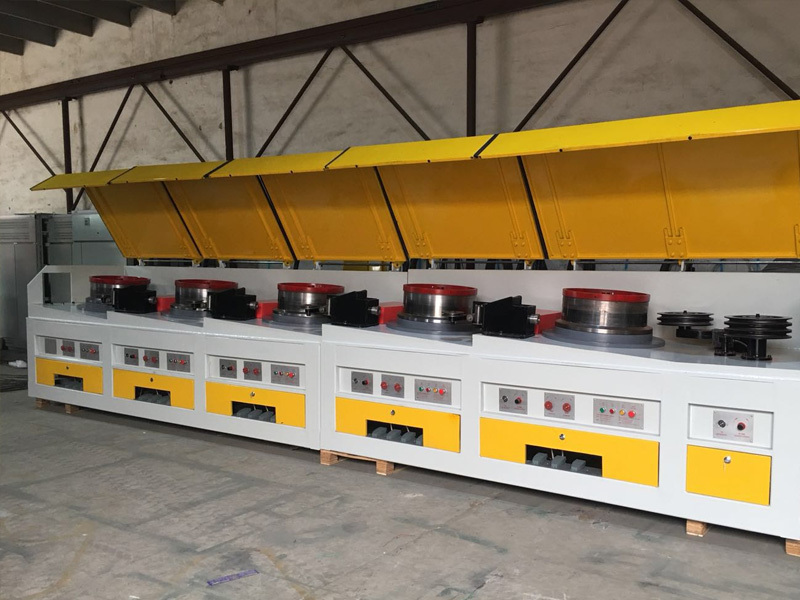
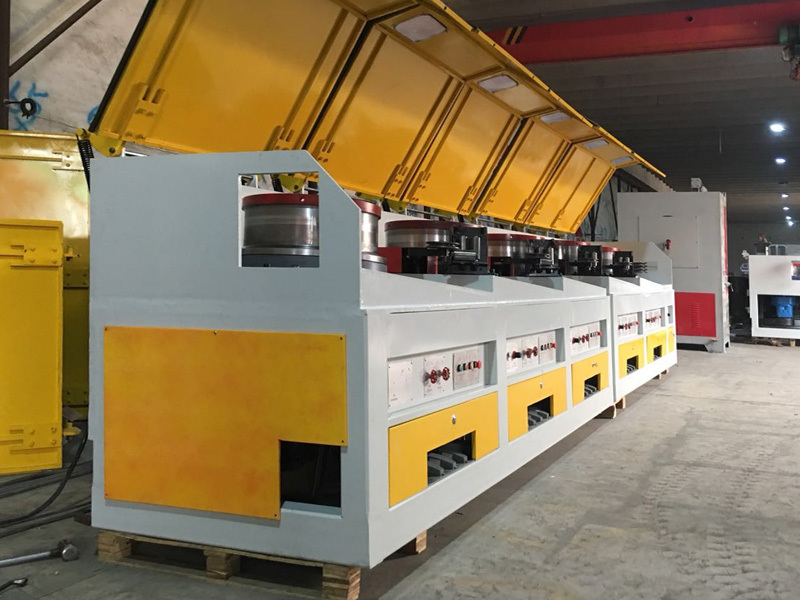
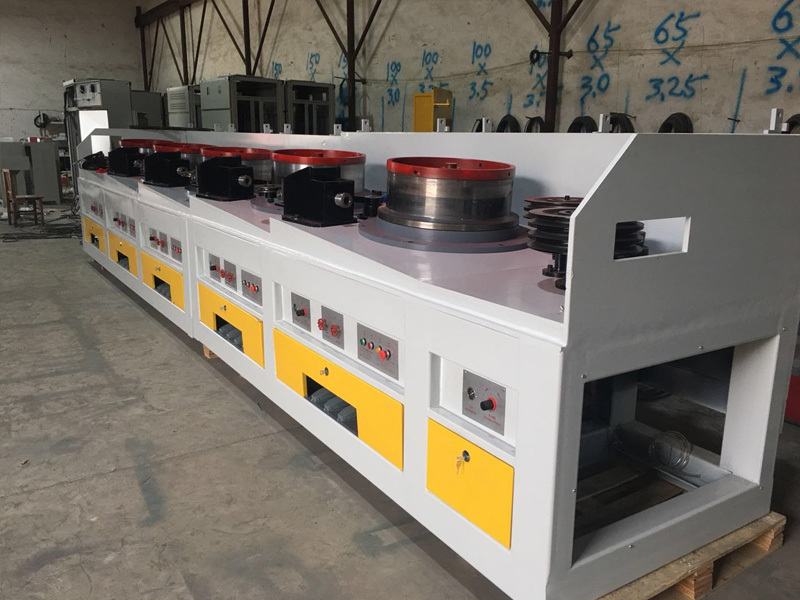
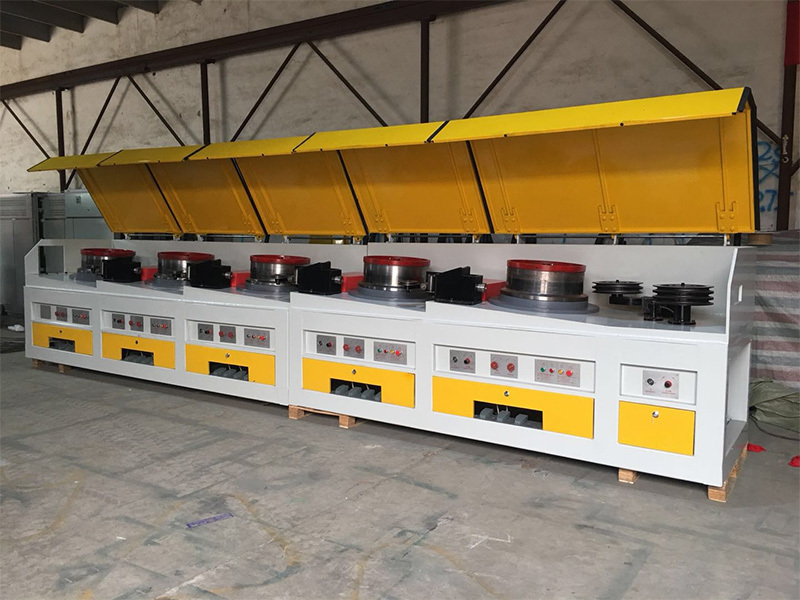
Horizontal type wire drawing machines are essential in the metal processing industry, specifically for wire production. These machines are designed to reduce the diameter of wire by drawing it through a series of dies. Understanding how to choose the right machine can significantly impact your production efficiency and product quality.
Understanding Wire Drawing: The Basics
Wire drawing is a process that involves reducing the diameter of a wire rod to produce finer wires. This is achieved by pulling the wire through a series of progressively smaller dies. Horizontal type machines offer several advantages, including lower operating costs, improved wire quality, and enhanced production efficiency.
Key Components of Horizontal Type Wire Drawing Machines
To make an informed choice, it’s vital to understand the key components of these machines:
- Drawing Dies: The heart of the wire drawing process, dies determine the final wire size.
- Capstan: Drives the wire through the dies, influencing the drawing speed.
- Coiler: Rewinds the finished wire for easy handling.
- Cooling System: Maintains optimal temperatures during the drawing process to prevent wire damage.
Factors to Consider When Choosing a Horizontal Type Wire Drawing Machine
Choosing the right machine requires a thorough evaluation of several factors.
1. Production Capacity
Assess your production needs. Machines are available in different sizes and capacities. Determining the volume of wire you need to produce daily will help select a machine that meets your requirements without compromising efficiency.
2. Wire Material Compatibility
Different materials require different drawing techniques. Whether you’re working with copper, aluminum, or steel, ensure the machine can handle the specific materials you plan to draw.
3. Die Size and Design
The choice of die impacts the product quality and production speed. Consider machines that accommodate a range of die sizes and types to allow for versatility in your product offerings.
4. Machine Speed and Efficiency
Look for machines that offer high-speed operations while maintaining quality standards. Efficiency can lead to reduced energy costs and improved output.
5. Ease of Operation and Maintenance
User-friendly machines with intuitive controls can minimize downtime and training costs. Additionally, consider how easy the machine is to maintain, as this affects long-term operational costs.
6. Safety Features
Safety should never be overlooked. Invest in machines that come equipped with industry-standard safety features to protect your workforce during operation.
7. Supplier Reputation and Support
Choose a reputable supplier known for quality products and excellent customer support. This will ensure you receive timely assistance and spare parts if needed.
8. Budget Considerations
Setting a clear budget is essential. Take into account not only the initial purchase price but also the operating and maintenance costs over the machine’s lifespan.
Comparing Different Models: Horizontal Type Wire Drawing Machines
Once you’ve evaluated the essential factors, it’s time to compare different models based on your needs. Create a checklist to keep track of the specifications and features of each machine you consider.
1. Top Brands in the Market
Some of the leading manufacturers of horizontal type wire drawing machines include:
- Brand A: Known for high-speed and efficient machines.
- Brand B: Offers customizable solutions for diverse applications.
- Brand C: Focuses on robust designs and excellent after-sales service.
2. User Reviews and Feedback
Research user reviews and feedback to gauge the performance and reliability of the machines. This information can help narrow down your choices significantly.
Installation and Setup of Horizontal Type Wire Drawing Machines
Once you’ve selected your machine, proper installation and setup are crucial for optimal performance.
1. Location and Space Requirements
Ensure you have sufficient space for installation while considering the workflow and accessibility for maintenance.
2. Training for Operators
Invest in operator training to maximize productivity and minimize errors during operation. This will also enhance safety standards.
Maintaining Your Horizontal Type Wire Drawing Machine
Regular maintenance is key to prolonging the life of your wire drawing machine and ensuring it operates at peak efficiency.
1. Scheduled Maintenance Routines
Establish a maintenance schedule that includes regular inspections, parts replacement, and lubrication.
2. Troubleshooting Common Issues
Familiarize yourself with common problems that may arise and how to address them. This knowledge can save time and prevent costly downtime.
Conclusion
Choosing the right horizontal type wire drawing machine is a critical decision that can greatly affect your manufacturing processes. By considering factors such as production capacity, wire material compatibility, and machine efficiency, you can make an informed choice that meets your specific needs. Remember to also factor in installation, operator training, and maintenance to ensure a smooth operation and optimal performance. With the right machine in place, your production efficiency and product quality will surely improve.
FAQs
1. What is a horizontal type wire drawing machine used for?
A horizontal type wire drawing machine is used to reduce the diameter of wire rods by drawing them through a series of dies.
2. How do I determine the right machine for my needs?
Evaluate your production capacity, wire material compatibility, machine speed, and budget to determine the best fit for your operations.
3. What are the safety features to look for in these machines?
Look for features such as emergency stop buttons, guards, and automatic shut-off systems to ensure operator safety.
4. How often should I perform maintenance on my machine?
Regular maintenance schedules should be established based on the manufacturer’s recommendations, typically ranging from quarterly to annually.
5. Can these machines handle different wire materials?
Yes, most horizontal type wire drawing machines are designed to work with a variety of materials such as copper, aluminum, and steel, but compatibility should always be confirmed.
Key words:


☎️Phone
* Please Enter Keywords
The company specializes in the development and manufacture of a complete set of welding wire production lines and a complete set of metal wire drawing machines 📮 info@cnwiremachine.com