
 Esperanto
 Shqiptare
 Euskara
 Zulu
Zulu
 Latinus
 Cymraeg
 தமிழ்
தமிழ்
 Slovak
 Slovak
 Afrikaans
News Hotspot
Contact Info
Hotline: +86-18831168296
E-mail: Info@cnwiremachine.com
Add: Gaoqian West Street, Sijiazhuang Town, Luquan District, Shijiazhuang City, Hebei Province
The Environmental Impact of Horizontal Type Wire Drawing Machines: A Comprehensive Analysis
Release Time:
Nov 22,2024
The Environmental Impact of Horizontal Type Wire Drawing Machines Introduction to Horizontal Type Wire Drawing Machines Horizontal type wire drawing machines serve a crucial role in the manufacturing of various wire products, particularly in the metalworking industry. These machines draw wire through a series of dies, reducing its diameter while increasing its length, a process essential in produc
The Environmental Impact of Horizontal Type Wire Drawing Machines
Introduction to Horizontal Type Wire Drawing Machines
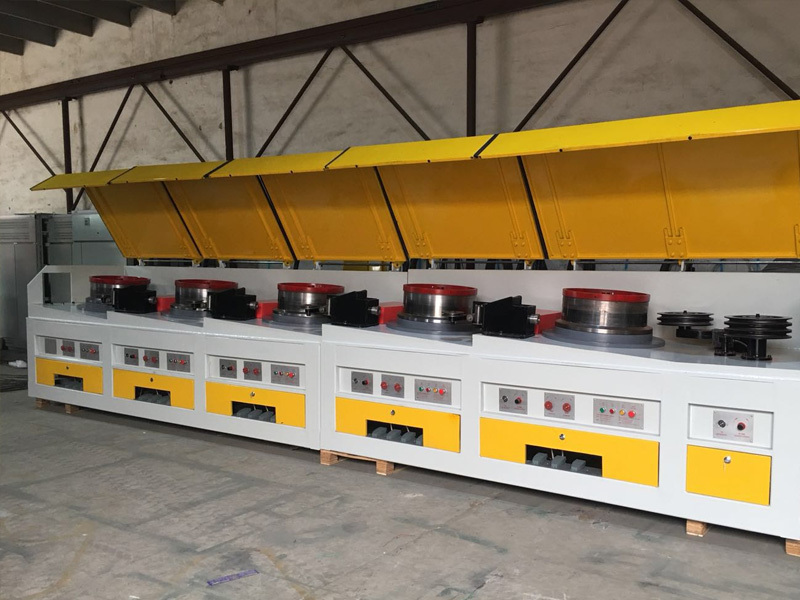
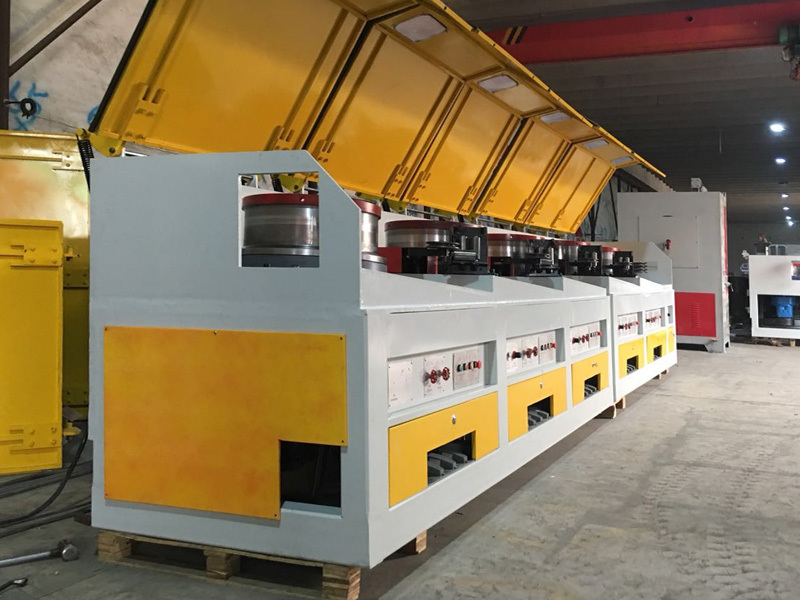
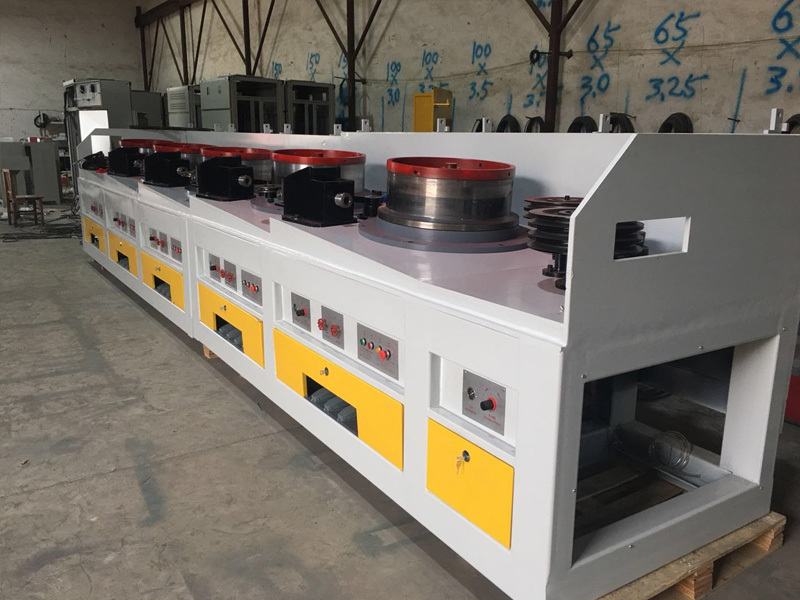
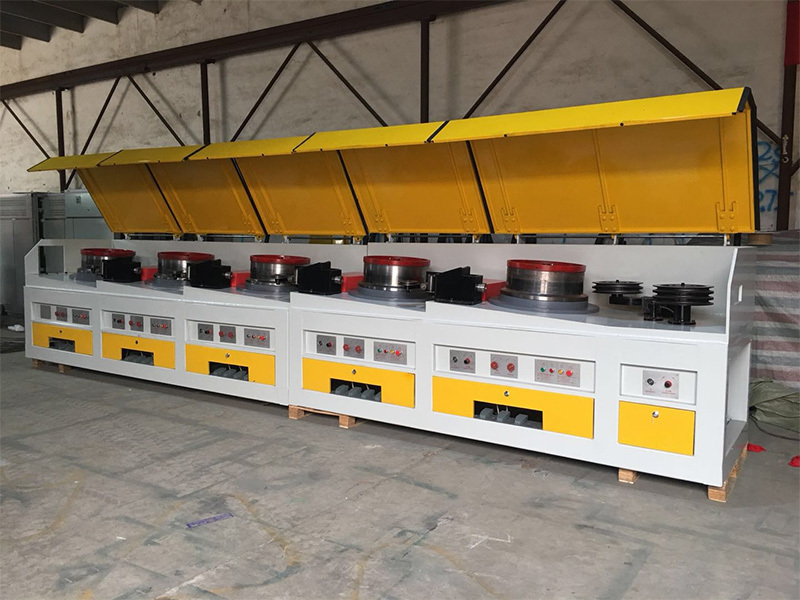
Horizontal type wire drawing machines serve a crucial role in the manufacturing of various wire products, particularly in the metalworking industry. These machines draw wire through a series of dies, reducing its diameter while increasing its length, a process essential in producing electrical wires, cables, and other metal components. As industries strive for efficiency and sustainability, understanding the **environmental impact** of these machines becomes paramount.
Understanding the Wire Drawing Process
What is Wire Drawing?
Wire drawing involves reducing the diameter of a wire by pulling it through a series of dies. The process not only changes the wire's dimensions but also enhances its tensile strength and ductility. Horizontal type machines, as opposed to vertical ones, are often preferred for their compact design and ease of operation.
The Importance of Horizontal Type Machines
Horizontal type wire drawing machines are favored for their ability to accommodate larger wire sizes and higher production rates. Their design allows for an efficient workflow, which can significantly impact manufacturing productivity. However, these advantages come with potential environmental ramifications that must be addressed.
Energy Consumption of Horizontal Type Wire Drawing Machines
Power Utilization and Efficiency
Horizontal wire drawing machines require substantial energy to operate, particularly during the drawing process. The energy consumption varies based on several factors, including the size of the wire, the type of material being drawn, and the machine's specifications. Understanding the energy requirements is critical for evaluating the overall environmental impact.
Strategies to Reduce Energy Consumption
Manufacturers are increasingly adopting **energy-efficient technologies** to mitigate the environmental impact of horizontal type wire drawing machines. Implementing variable frequency drives, optimized lubrication systems, and heat recovery solutions can lead to significant reductions in energy usage. These strategies not only lower operational costs but also contribute to a smaller carbon footprint.
Waste Generation from Wire Drawing Processes
Types of Waste Produced
The wire drawing process generates various forms of waste, including metal shavings, lubricants, and chemical residues. The disposal of these byproducts poses environmental challenges that manufacturers must address to comply with regulations and promote sustainability.
Promoting Waste Management Solutions
Effective waste management practices are essential for minimizing the environmental impact of horizontal type wire drawing machines. Industries can adopt strategies such as recycling metal shavings, using biodegradable lubricants, and implementing closed-loop systems to reduce waste generation and improve resource efficiency.
The Role of Lubricants in Wire Drawing
Environmental Concerns Associated with Lubricants
Lubricants play a vital role in the wire drawing process, reducing friction and heat generation. However, many traditional lubricants contain harmful chemicals that can pose risks to the environment when disposed of improperly.
Innovative Lubrication Solutions
The development of eco-friendly lubricants is essential for minimizing the environmental impact of horizontal type wire drawing machines. Manufacturers are increasingly exploring plant-based and biodegradable lubricants that maintain performance while reducing ecological harm.
Emissions and Air Quality Considerations
Types of Emissions from Wire Drawing Machines
Horizontal type wire drawing machines can produce emissions that affect air quality, including particulate matter and volatile organic compounds (VOCs) released during operation. These emissions can contribute to environmental pollution and pose health risks to workers and nearby communities.
Implementing Emission Control Technologies
To address these concerns, manufacturers are investing in emission control technologies such as scrubbers and filters. These systems can significantly reduce the release of harmful pollutants, enhancing air quality and promoting a healthier environment.
Regulatory Framework and Compliance
Understanding Environmental Regulations
Manufacturers of horizontal type wire drawing machines must adhere to a variety of environmental regulations aimed at minimizing industrial impacts. Understanding these regulations is crucial for ensuring compliance and avoiding potential penalties.
Best Practices for Compliance
Adopting best practices for environmental compliance can help manufacturers operate within regulatory frameworks while minimizing their ecological footprint. Regular audits, employee training, and investment in cleaner technologies are essential steps in achieving compliance and driving sustainability.
Benefits of Sustainable Practices in Wire Drawing
The Economic Advantages of Sustainability
Implementing sustainable practices in wire drawing can lead to significant economic benefits. These may include reduced operational costs, increased efficiency, and improved brand reputation. As consumers prioritize sustainability, manufacturers that adopt eco-friendly practices can enhance their market competitiveness.
Enhancing Corporate Social Responsibility
Embracing sustainability not only benefits the environment but also enhances a company's corporate social responsibility (CSR) profile. Manufacturers that actively work to reduce their environmental impact can improve relationships with stakeholders, including customers, employees, and the community.
Future Trends in Wire Drawing Technology and Sustainability
The Shift Towards Automation and Smart Manufacturing
The future of horizontal type wire drawing machines lies in automation and smart manufacturing solutions. By integrating advanced technologies such as the Internet of Things (IoT) and artificial intelligence (AI), manufacturers can optimize processes, reduce waste, and enhance sustainability efforts.
Emerging Technologies in Wire Drawing
Innovations in wire drawing technology, such as advanced materials and eco-friendly lubricants, are paving the way for more sustainable production methods. Manufacturers should stay informed about these developments to remain competitive and committed to environmental responsibility.
Conclusion
The environmental impact of horizontal type wire drawing machines is a multifaceted issue that encompasses energy consumption, waste generation, emissions, and regulatory compliance. By adopting sustainable practices, manufacturers can significantly reduce their ecological footprint while enhancing operational efficiency. The shift towards energy-efficient technologies, innovative lubrication solutions, and emission control systems will play a critical role in shaping a more sustainable future for the wire drawing industry. As we move forward, it is imperative that manufacturers recognize the importance of balancing productivity with environmental responsibility, ensuring a healthier planet for future generations.
Frequently Asked Questions (FAQs)
1. What is the primary environmental concern associated with horizontal type wire drawing machines?
The primary environmental concern is the significant energy consumption and waste generation during the wire drawing process, which can lead to increased carbon emissions and pollution.
2. How can manufacturers reduce energy consumption in their wire drawing operations?
Manufacturers can adopt energy-efficient technologies, such as variable frequency drives and optimized lubrication systems, to significantly reduce energy usage.
3. What role do lubricants play in the wire drawing process?
Lubricants reduce friction and heat generation during the wire drawing process, but traditional lubricants may contain harmful chemicals. Eco-friendly lubricants can mitigate environmental impact.
4. Are there regulations governing the environmental impact of wire drawing machines?
Yes, manufacturers must adhere to various environmental regulations aimed at minimizing industrial impacts, including waste management and emissions control.
5. What are the economic benefits of adopting sustainable practices in wire drawing?
Sustainable practices can lead to reduced operational costs, increased efficiency, and improved brand reputation, which enhance market competitiveness.
Key words:


☎️Phone
* Please Enter Keywords
The company specializes in the development and manufacture of a complete set of welding wire production lines and a complete set of metal wire drawing machines 📮 info@cnwiremachine.com