
 Esperanto
 Shqiptare
 Euskara
 Zulu
Zulu
 Latinus
 Cymraeg
 தமிழ்
தமிழ்
 Slovak
 Slovak
 Afrikaans
News Hotspot
Contact Info
Hotline: +86-18831168296
E-mail: Info@cnwiremachine.com
Add: Gaoqian West Street, Sijiazhuang Town, Luquan District, Shijiazhuang City, Hebei Province
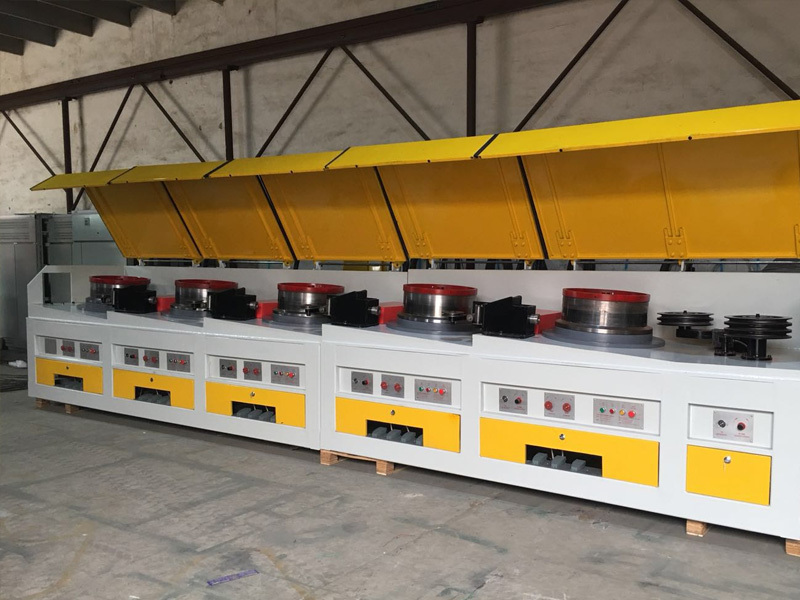
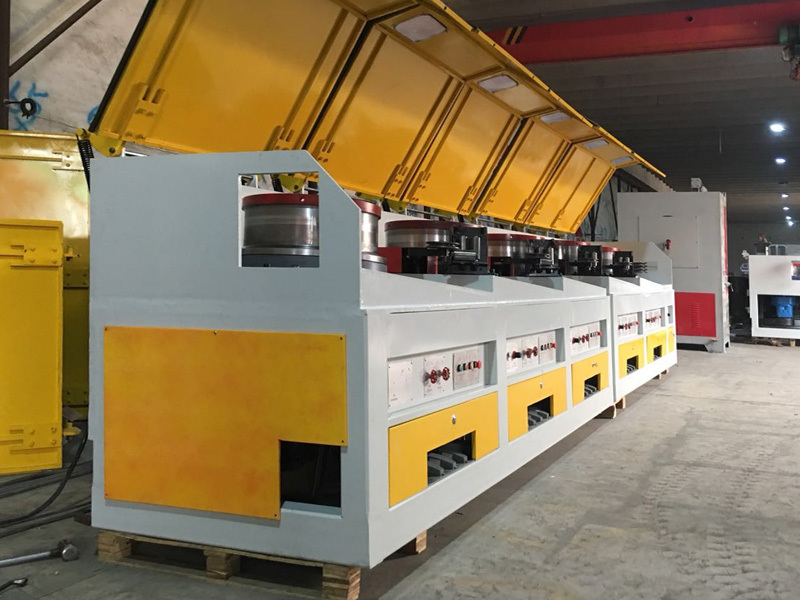
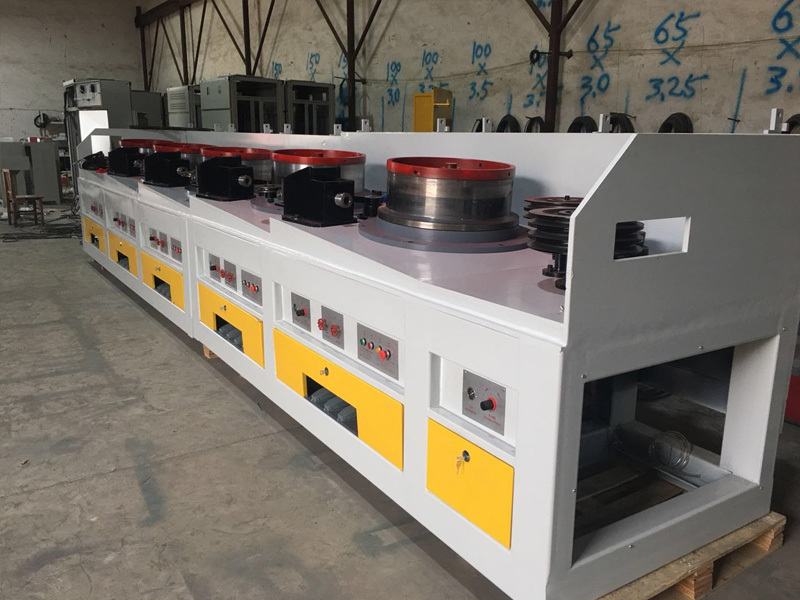
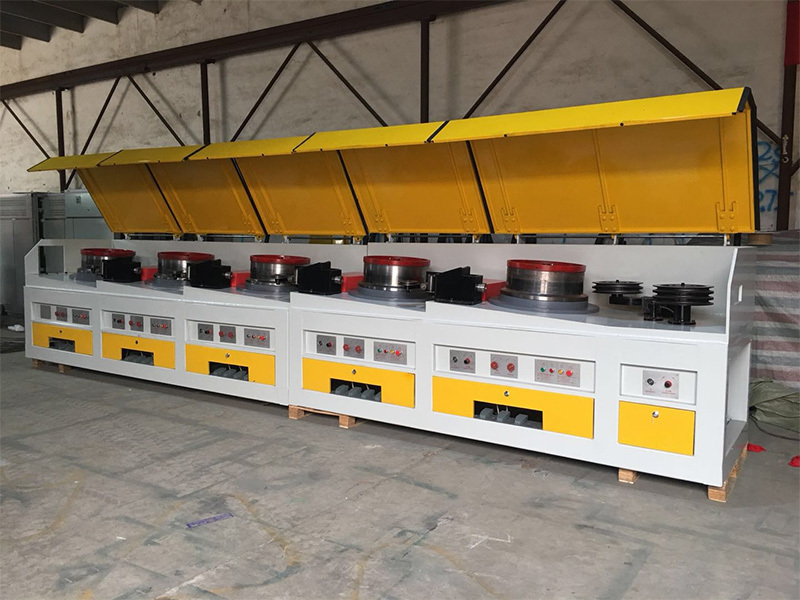
Understanding Straight Wire Drawing Machines: A Key Component in Metal Processing
Release Time:
Nov 23,2024
Straight wire drawing machines play a pivotal role in the metal processing sector, particularly in the production of wire products. These machines are designed to reduce the diameter of metal rods into wire through a combination of drawing and elongation processes. Understanding how these machines operate and their importance in manufacturing can provide valuable insight for industry professionals
The primary function of a straight wire drawing machine is to transform larger diameter metal rods into thinner wires of precise dimensions. This process typically involves feeding the rod through a series of dies, which gradually decrease the rod's diameter while increasing its length. The drawing process can be performed either in a single pass or multiple passes, depending on the desired final diameter and the material properties of the wire being produced.
One significant advantage of using straight wire drawing machines is their ability to enhance the mechanical properties of metals. As the wire is drawn, the material undergoes cold working, which increases its tensile strength and overall durability. This is particularly beneficial for applications requiring high-strength wires, such as in construction, automotive, and electrical industries.
Furthermore, straight wire drawing machines are equipped with advanced features that promote efficiency and precision. Many modern machines incorporate automated controls that monitor tension, speed, and die wear, ensuring consistent output quality. Additionally, these machines can be designed to accommodate various materials, including ferrous and non-ferrous metals, which broadens their applicability in different manufacturing processes.
Maintenance is also a crucial aspect of operating straight wire drawing machines. Regular inspection and lubrication of components, such as the dies and rollers, can prevent wear and tear, extending the machine's lifespan. Operators should be trained to recognize the signs of potential issues, such as unusual noises or fluctuations in output, which can indicate underlying problems that need addressing.
In summary, straight wire drawing machines are essential tools in the metal processing industry that facilitate the production of high-quality wire products. Their ability to modify metal properties through controlled drawing processes, combined with advanced automation features, makes them invaluable in enhancing manufacturing efficiency. For professionals in the sector, understanding the operational nuances and maintenance needs of these machines is crucial for optimizing production and ensuring product excellence.
Key words:


☎️Phone
* Please Enter Keywords
The company specializes in the development and manufacture of a complete set of welding wire production lines and a complete set of metal wire drawing machines 📮 info@cnwiremachine.com