
 Esperanto
 Shqiptare
 Euskara
 Zulu
Zulu
 Latinus
 Cymraeg
 தமிழ்
தமிழ்
 Slovak
 Slovak
 Afrikaans
News Hotspot
Contact Info
Hotline: +86-18831168296
E-mail: Info@cnwiremachine.com
Add: Gaoqian West Street, Sijiazhuang Town, Luquan District, Shijiazhuang City, Hebei Province
Exploring Different Applications of Horizontal Type Wire Drawing Machines
Release Time:
Nov 26,2024
Exploring Different Applications of Horizontal Type Wire Drawing Machines Table of Contents 1. Introduction to Horizontal Type Wire Drawing Machines 2. Applications of Horizontal Type Wire Drawing Machines 2.1. Applications in Construction 2.2. Automotive Industry Applications 2.3. Uses in Electronics Manufacturing 2.4. Aerospace Ap
Exploring Different Applications of Horizontal Type Wire Drawing Machines
Table of Contents
- 1. Introduction to Horizontal Type Wire Drawing Machines
- 2. Applications of Horizontal Type Wire Drawing Machines
- 2.1. Applications in Construction
- 2.2. Automotive Industry Applications
- 2.3. Uses in Electronics Manufacturing
- 2.4. Aerospace Applications
- 3. Advantages of Horizontal Type Wire Drawing Machines
- 4. Working Principle of Horizontal Type Wire Drawing Machines
- 5. Maintenance and Best Practices
- 6. Future Trends in Wire Drawing Technology
- 7. Frequently Asked Questions
- 8. Conclusion
1. Introduction to Horizontal Type Wire Drawing Machines
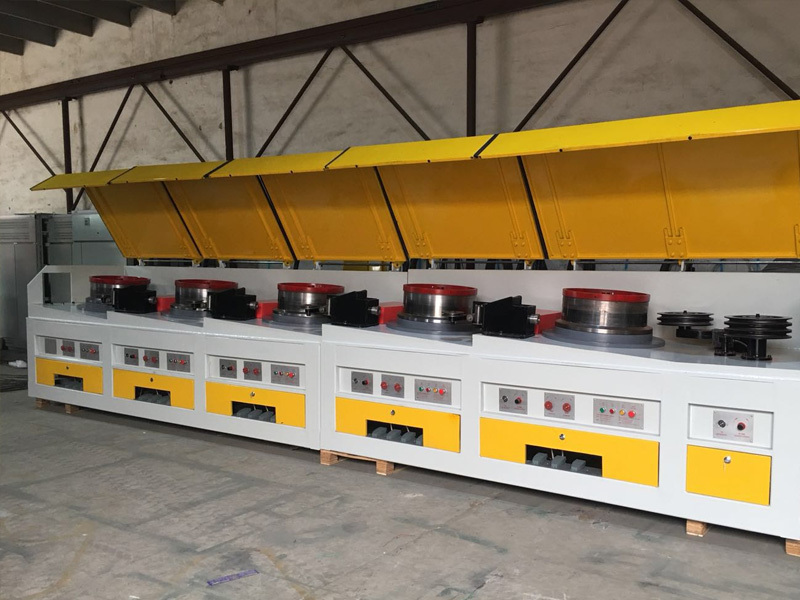
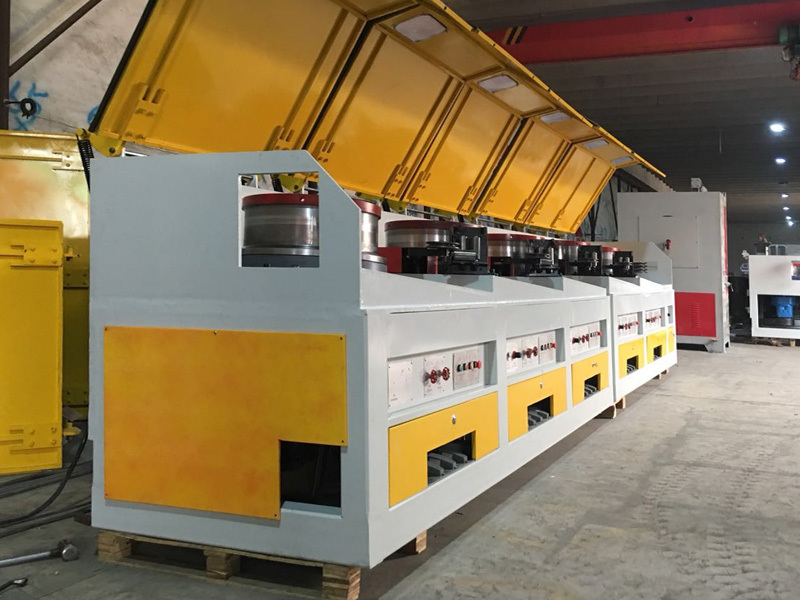
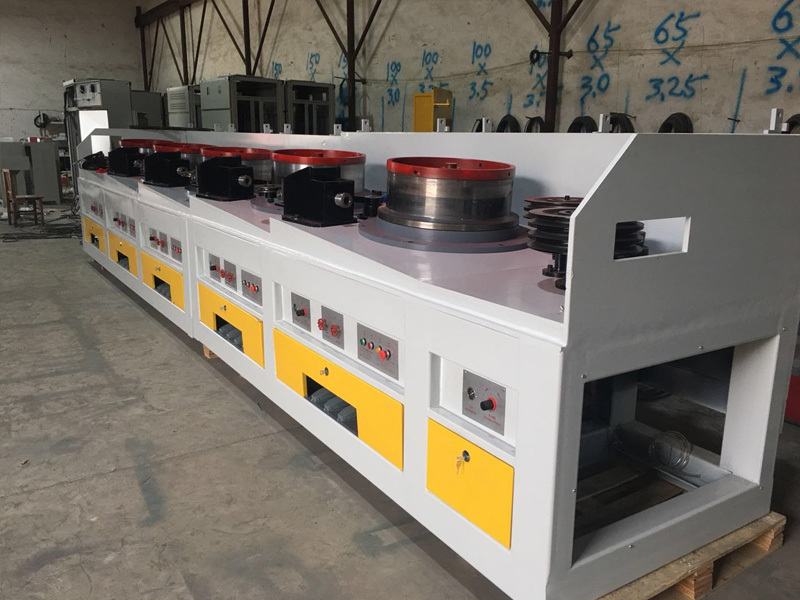
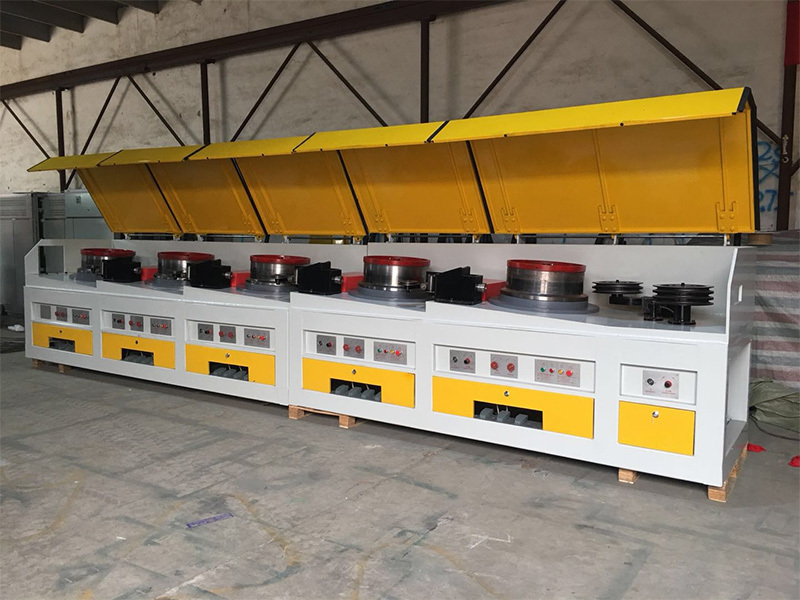
Horizontal type wire drawing machines play a pivotal role in the metal processing industry. Their primary function is to reduce the diameter of wire by drawing it through a series of dies. By understanding the various applications and benefits of these machines, manufacturers can leverage them to optimize production processes and enhance the quality of their products.
In the following sections, we will explore the multifaceted applications of horizontal type wire drawing machines across various industries, illustrating their significance and impact.
2. Applications of Horizontal Type Wire Drawing Machines
Horizontal type wire drawing machines are versatile and find applications in several sectors. Let's delve into the specific areas where these machines are utilized.
2.1. Applications in Construction
In the construction industry, horizontal type wire drawing machines are primarily used for producing high-strength steel wires. These wires are essential for reinforcing concrete structures, such as bridges, buildings, and tunnels. Additionally, the machines facilitate the production of wire rods that serve as raw materials for various construction components.
Using these machines enhances the yield strength and ductility of steel wires, ensuring structural integrity and safety. Manufacturers are increasingly adopting advanced wire-drawing techniques to produce wires with specific properties tailored to construction demands.
2.2. Automotive Industry Applications
The automotive industry relies heavily on horizontal type wire drawing machines for the production of various components, including springs, cables, and connectors. These components require precise dimensions and superior tensile strength, both of which are attainable through the wire drawing process.
Manufacturers utilize these machines to create wires with specific diameters and mechanical properties, ensuring they meet stringent automotive standards. As electric vehicles gain traction, the demand for high-quality conductive wires has surged, further emphasizing the importance of wire drawing machines in this sector.
2.3. Uses in Electronics Manufacturing
In the electronics sector, horizontal type wire drawing machines are essential for producing fine wires used in circuit boards, connectors, and other electronic components. These machines enable manufacturers to create wires that meet the precise requirements of modern electronics, including flexibility and conductivity.
Moreover, the trend toward miniaturization in electronics has pushed manufacturers to innovate their wire drawing techniques, resulting in thinner, more efficient wires. This has led to the development of specialized machines capable of handling delicate materials without compromising quality.
2.4. Aerospace Applications
The aerospace industry demands materials that can withstand extreme conditions. Horizontal type wire drawing machines are used to produce high-performance wires and cables essential for aircraft systems. The strength-to-weight ratio of these wires is critical in ensuring the safety and performance of aerospace applications.
Manufacturers utilize these machines to produce wires that exhibit excellent fatigue resistance and can operate in high-temperature environments. As the industry evolves, the demand for advanced materials and innovative wire-drawing techniques continues to grow.
3. Advantages of Horizontal Type Wire Drawing Machines
Horizontal type wire drawing machines offer numerous advantages that contribute to their widespread adoption in various industries. Some of these benefits include:
- **Efficient Material Handling**: The horizontal design allows for better material flow and handling, reducing the risk of material damage.
- **Consistent Quality**: These machines produce wires with uniform diameters and mechanical properties, ensuring high-quality outputs.
- **Versatile Applications**: They can process a wide range of materials, including copper, aluminum, and steel, catering to diverse industry needs.
- **Automation Potential**: Horizontal wire drawing machines can be integrated with automated systems, enhancing productivity and reducing labor costs.
- **Reduced Energy Consumption**: Modern machines are designed to be energy-efficient, minimizing operational costs.
4. Working Principle of Horizontal Type Wire Drawing Machines
Understanding the working principle of horizontal type wire drawing machines is essential for leveraging their capabilities. The process begins with a spool of wire being fed into the machine, where it passes through a series of progressively smaller dies.
As the wire is drawn through these dies, its diameter decreases while its length increases. The machines operate on the principle of tensile strength, utilizing the mechanical advantage of the drawing process to achieve the desired wire dimensions. The tension applied during this process must be carefully calibrated to prevent wire breakage and ensure optimal performance.
5. Maintenance and Best Practices
Proper maintenance of horizontal type wire drawing machines is crucial for maximizing their lifespan and efficiency. Here are several best practices to consider:
- **Regular Inspections**: Conduct routine checks of the machine components, including dies, rollers, and lubrication systems.
- **Lubrication**: Ensure that the machine is adequately lubricated to reduce friction and wear on moving parts.
- **Calibration**: Regularly calibrate the machine to maintain the desired wire dimensions and prevent quality issues.
- **Training**: Provide comprehensive training for operators to ensure they understand the machine's operation and maintenance requirements.
Implementing these practices can significantly enhance the performance and longevity of wire drawing machines.
6. Future Trends in Wire Drawing Technology
The landscape of wire drawing technology is continually evolving, driven by advancements in materials and manufacturing techniques. Some future trends to watch include:
- **Smart Manufacturing**: The integration of IoT devices into wire drawing machines will enable real-time monitoring and data analysis, enhancing operational efficiency.
- **Sustainable Practices**: As industries shift toward sustainability, manufacturers are exploring eco-friendly materials and energy-efficient machine designs.
- **Customized Solutions**: The demand for specialized wires in niche applications will lead to the development of tailored wire drawing machines that cater to specific industry requirements.
These trends indicate a promising future for horizontal type wire drawing machines, positioning them at the forefront of metal processing technology.
7. Frequently Asked Questions
What are horizontal type wire drawing machines used for?
Horizontal type wire drawing machines are primarily used to reduce the diameter of wire by drawing it through a series of dies, making them essential in various industries like construction, automotive, electronics, and aerospace.
What materials can be processed by these machines?
These machines can process a wide range of materials, including copper, aluminum, and steel, catering to different manufacturing needs.
How do I maintain a horizontal type wire drawing machine?
Regular inspections, proper lubrication, calibration, and operator training are vital for maintaining the efficiency and lifespan of these machines.
What are the benefits of using horizontal type wire drawing machines?
Advantages include efficient material handling, consistent quality outputs, versatility in applications, automation potential, and reduced energy consumption.
What are the future trends in wire drawing technology?
Future trends include smart manufacturing, sustainable practices, and customized solutions to meet specific industry requirements.
8. Conclusion
Horizontal type wire drawing machines are indispensable tools in the metal processing industry, offering a multitude of applications across various sectors. Their ability to produce high-quality wires with precise dimensions positions them as critical components in manufacturing processes.
Understanding their applications, advantages, and maintenance practices allows manufacturers to enhance their production capabilities and adapt to the evolving industry landscape. As technology advances, the potential for these machines will only continue to grow, ensuring they remain at the forefront of innovation in metal processing.
Key words:


☎️Phone
* Please Enter Keywords
The company specializes in the development and manufacture of a complete set of welding wire production lines and a complete set of metal wire drawing machines 📮 info@cnwiremachine.com