
 Esperanto
 Shqiptare
 Euskara
 Zulu
Zulu
 Latinus
 Cymraeg
 தமிழ்
தமிழ்
 Slovak
 Slovak
 Afrikaans
News Hotspot
Contact Info
Hotline: +86-18831168296
E-mail: Info@cnwiremachine.com
Add: Gaoqian West Street, Sijiazhuang Town, Luquan District, Shijiazhuang City, Hebei Province
Horizontal Type Wire Drawing Machines: A Game Changer in Metal Processing
Release Time:
Nov 30,2024
Horizontal Type Wire Drawing Machines: A Game Changer in Metal Processing Table of Contents Introduction to Horizontal Type Wire Drawing Machines The Importance of Wire Drawing in Metal Processing Benefits of Horizontal Type Wire Drawing Machines Technological Advancements in Wire Drawing Machines Applications Across Industries Choosing the Right Horizontal Type Wire Drawing Machine Maintenance T
Horizontal Type Wire Drawing Machines: A Game Changer in Metal Processing
Table of Contents
- Introduction to Horizontal Type Wire Drawing Machines
- The Importance of Wire Drawing in Metal Processing
- Benefits of Horizontal Type Wire Drawing Machines
- Technological Advancements in Wire Drawing Machines
- Applications Across Industries
- Choosing the Right Horizontal Type Wire Drawing Machine
- Maintenance Tips for Longevity
- The Future of Wire Drawing Machines in Metal Processing
- Frequently Asked Questions
- Conclusion
Introduction to Horizontal Type Wire Drawing Machines
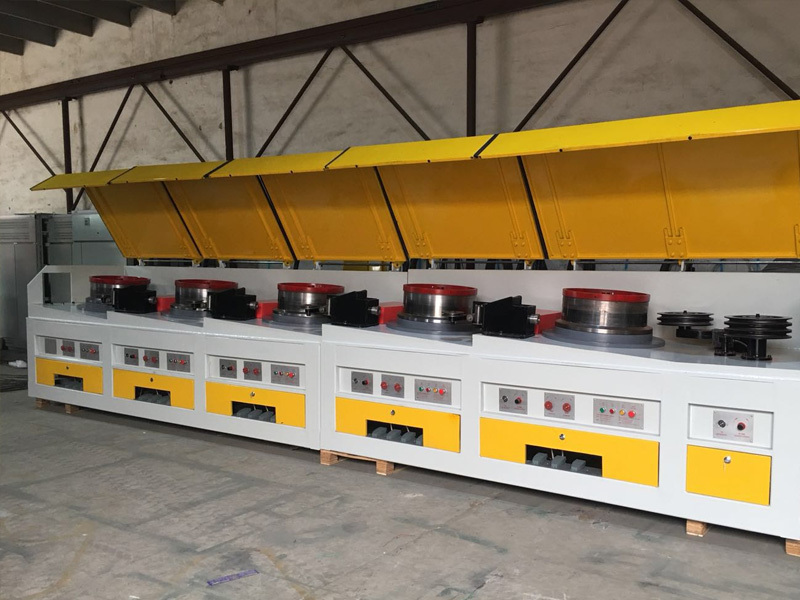
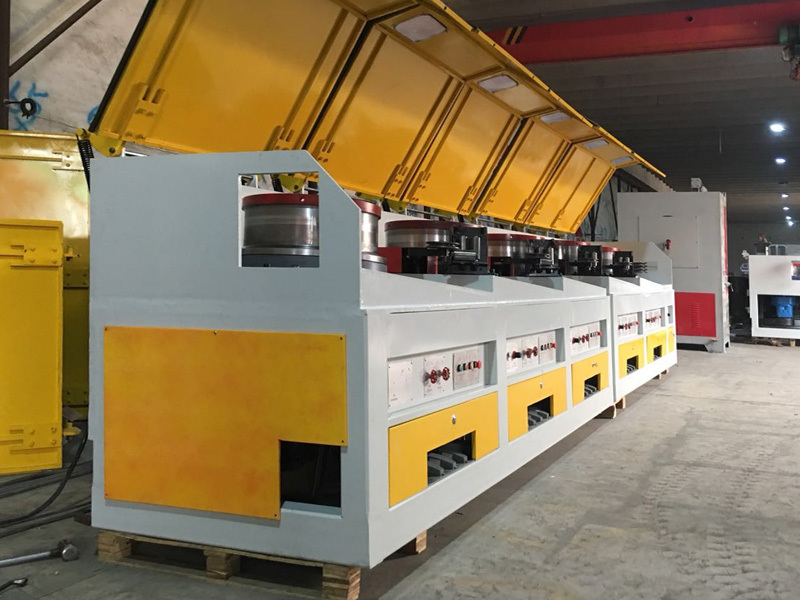
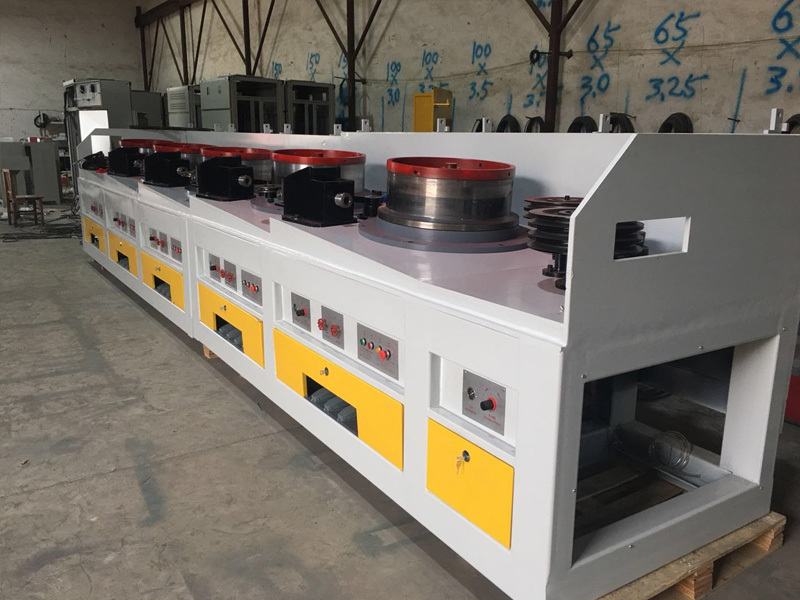
The **Horizontal Type Wire Drawing Machine** stands at the forefront of modern metal processing technology. These machines are designed to reduce the diameter of wire while maintaining its quality, making them essential in industries such as construction, automotive, and electronics. The horizontal design facilitates easier operation, efficient space utilization, and improved accessibility, setting a new standard in wire drawing processes.
The Importance of Wire Drawing in Metal Processing
Wire drawing is a critical step in metal processing that transforms raw metal into various forms suited for different applications. The process involves pulling metal through a series of dies to achieve the desired diameter and mechanical properties. This not only enhances the tensile strength of the wire but also allows for finer control over the wire’s dimensions and characteristics.
In today's rapidly evolving manufacturing landscape, the demand for precision-crafted wires continues to rise. **Horizontal Type Wire Drawing Machines** play a pivotal role in meeting these demands by offering superior control and efficiency compared to their vertical counterparts.
Benefits of Horizontal Type Wire Drawing Machines
The adoption of **Horizontal Type Wire Drawing Machines** brings numerous advantages to manufacturers:
Enhanced Efficiency
The horizontal design promotes a streamlined workflow, allowing for faster wire drawing processes. This efficiency translates into reduced production times and increased output, enabling manufacturers to meet tight deadlines without compromising quality.
Improved Accessibility
Operators can easily access the machine components, making it simpler to perform maintenance tasks and adjustments. This accessibility reduces downtime and enhances overall productivity.
Better Material Handling
Horizontal machines often facilitate smoother material handling, minimizing the risk of wire tangling or damage during the drawing process. This enhanced handling ensures higher quality end products.
Versatility in Applications
These machines are adaptable to various materials, including copper, aluminum, and steel, making them suitable for a wide range of industries. Their versatility allows manufacturers to diversify their offerings without investing in multiple specialized machines.
Higher Precision and Control
With advanced control mechanisms, horizontal wire drawing machines provide precise dimensional adjustments, ensuring that the final product meets specific requirements. This precision is crucial in industries where specifications are stringent.
Technological Advancements in Wire Drawing Machines
Technological innovation has significantly influenced the design and functionality of **Horizontal Type Wire Drawing Machines**. Several advancements have enhanced their performance:
Automated Control Systems
Modern machines incorporate automated control systems that optimize the drawing process. These systems adjust parameters such as speed, tension, and temperature in real-time, ensuring consistent quality throughout production.
Integrated Monitoring Systems
Sophisticated monitoring systems provide real-time data on machine performance, wire quality, and operational efficiency. This data-driven approach allows operators to make informed decisions, thereby reducing waste and improving efficiency.
Energy Efficiency
Recent developments focus on energy-efficient designs, reducing power consumption during operation. This not only lowers operational costs but also aligns with sustainable manufacturing practices, a growing concern in today’s industrial landscape.
Applications Across Industries
Horizontal Type Wire Drawing Machines find applications in several key industries:
Construction
In construction, these machines produce reinforcing wires and cables essential for structural integrity. The consistent quality of drawn wire ensures safety and durability in construction projects.
Automotive
The automotive industry relies on high-quality wiring for various electrical components. Horizontal wire drawing machines facilitate the production of reliable wires that meet stringent industry standards.
Electronics
Electronic devices require finely drawn wires for connections and circuitry. Horizontal Type machines enable manufacturers to produce the precise wire needed for advanced electronic applications.
Telecommunications
Telecommunications infrastructure depends on high-performance wires for data transmission. Horizontal drawing machines provide the necessary precision for producing wires that meet the demands of modern communication technologies.
Choosing the Right Horizontal Type Wire Drawing Machine
Selecting the appropriate **Horizontal Type Wire Drawing Machine** involves several factors:
Material Compatibility
Ensure that the machine can handle the specific materials you intend to work with, such as copper or aluminum. Different materials require different drawing techniques and machinery specifications.
Production Capacity
Consider your production needs. Choose a machine that can handle your expected output while maintaining the required quality standards.
Technological Features
Evaluate the technological features that align with your operational goals, such as automation, monitoring systems, and energy efficiency. Advanced features can significantly enhance productivity and reduce costs.
After-Sales Support
Opt for manufacturers that offer robust after-sales support, including maintenance services, training, and spare parts availability. This support is crucial for ensuring the longevity and performance of your machine.
Maintenance Tips for Longevity
Proper maintenance of your **Horizontal Type Wire Drawing Machine** is essential for optimal performance and longevity:
Regular Inspections
Conduct regular inspections to identify wear and tear on components. Early detection of issues can prevent costly repairs and downtime.
Lubrication
Maintain proper lubrication of moving parts to reduce friction and wear. Follow the manufacturer’s recommendations for lubrication intervals and types of lubricants.
Calibration
Periodically calibrate the machine to ensure it operates within specified parameters. Calibration can help maintain accuracy and ensure consistent product quality.
Operator Training
Invest in training for operators to ensure they understand the machine’s functionalities and maintenance requirements. Well-trained operators can proactively identify and address potential issues.
The Future of Wire Drawing Machines in Metal Processing
The future of **Horizontal Type Wire Drawing Machines** appears promising, driven by ongoing advancements in technology and the increasing demand for high-quality metal products. We anticipate further innovations in automation, data analytics, and energy efficiency, positioning these machines as indispensable tools in modern manufacturing.
As industries evolve, manufacturers will need to adapt to changing market demands. Horizontal Type Wire Drawing Machines will likely incorporate more intelligent features, such as integrated AI for predictive maintenance and enhanced production optimization.
Frequently Asked Questions
1. What materials can be processed with Horizontal Type Wire Drawing Machines?
Horizontal Type Wire Drawing Machines can process various materials, including copper, aluminum, and steel, making them versatile for multiple applications.
2. How does wire drawing improve the mechanical properties of the wire?
Wire drawing enhances the tensile strength and mechanical properties of the wire by reducing its diameter and increasing its uniformity.
3. What maintenance practices are essential for these machines?
Regular inspections, lubrication, calibration, and operator training are crucial for maintaining the performance and longevity of Horizontal Type Wire Drawing Machines.
4. Can these machines be automated?
Yes, modern Horizontal Type Wire Drawing Machines often feature automated control systems that optimize the drawing process for efficiency and consistency.
5. What industries benefit most from Horizontal Type Wire Drawing Machines?
Key industries benefiting from these machines include construction, automotive, electronics, and telecommunications, where high-quality wire is essential.
Conclusion
Horizontal Type Wire Drawing Machines represent a significant advancement in the metal processing industry, offering enhanced efficiency, precision, and versatility. As manufacturers seek to optimize their operations and meet the growing demand for high-quality metal products, these machines will continue to play a crucial role. By embracing technological advancements and focusing on proper maintenance, companies can ensure that they stay competitive in an ever-evolving market. The future of wire drawing is bright, and investing in these innovative machines will undoubtedly yield substantial returns for manufacturers.
Key words:


☎️Phone
* Please Enter Keywords
The company specializes in the development and manufacture of a complete set of welding wire production lines and a complete set of metal wire drawing machines 📮 info@cnwiremachine.com