
 Esperanto
 Shqiptare
 Euskara
 Zulu
Zulu
 Latinus
 Cymraeg
 தமிழ்
தமிழ்
 Slovak
 Slovak
 Afrikaans
News Hotspot
Contact Info
Hotline: +86-18831168296
E-mail: Info@cnwiremachine.com
Add: Gaoqian West Street, Sijiazhuang Town, Luquan District, Shijiazhuang City, Hebei Province
How Water Tank Drawing Machines Revolutionize Metal Processing
Release Time:
Dec 04,2024
How Water Tank Drawing Machines Revolutionize Metal Processing Table of Contents 1. Introduction to Water Tank Drawing Machines 2. The Role of Water Tank Drawing Machines in Metal Processing 3. Key Benefits of Using Water Tank Drawing Machines 3.1 Enhanced Precision and Quality 3.2 Improved Production Efficiency 3.3 Cost-Effectiveness and Sustainability 4. Understanding the Technology Behind Water
How Water Tank Drawing Machines Revolutionize Metal Processing
Table of Contents
1. Introduction to Water Tank Drawing Machines
2. The Role of Water Tank Drawing Machines in Metal Processing
3. Key Benefits of Using Water Tank Drawing Machines
3.1 Enhanced Precision and Quality
3.2 Improved Production Efficiency
3.3 Cost-Effectiveness and Sustainability
4. Understanding the Technology Behind Water Tank Drawing Machines
4.1 The Mechanics of Water Tank Drawing
4.2 Innovations in Design and Functionality
5. Applications of Water Tank Drawing Machines in Various Industries
5.1 Automotive Industry
5.2 Aerospace Manufacturing
5.3 General Metal Fabrication
6. Maintenance and Care for Water Tank Drawing Machines
7. Future Trends in Metal Processing with Water Tank Drawing Machines
8. Frequently Asked Questions
9. Conclusion
1. Introduction to Water Tank Drawing Machines
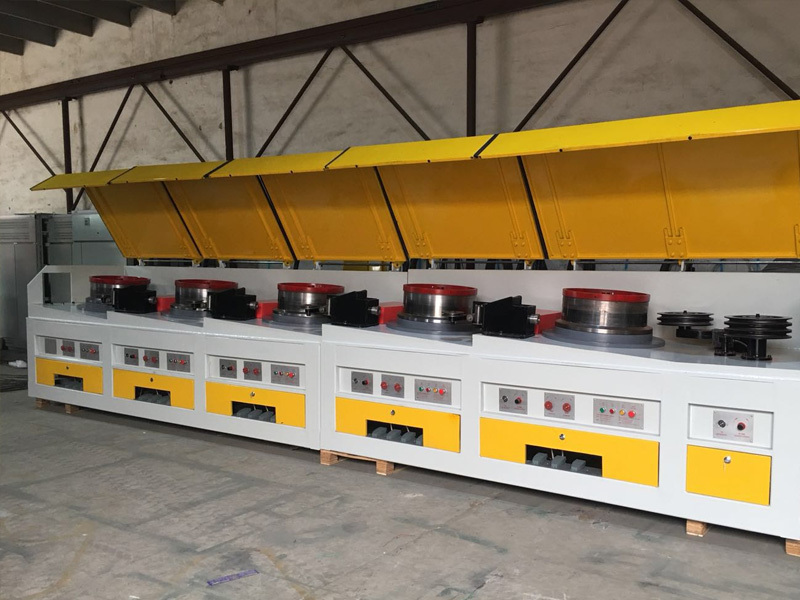
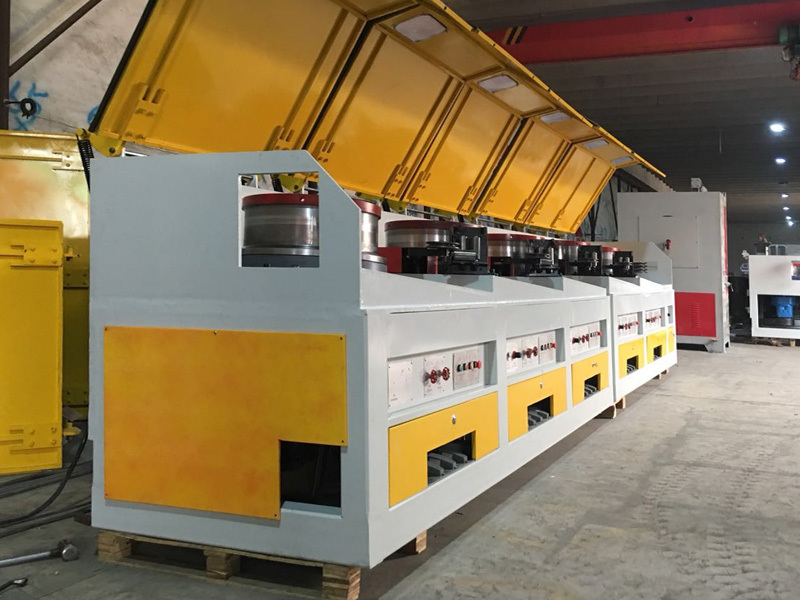
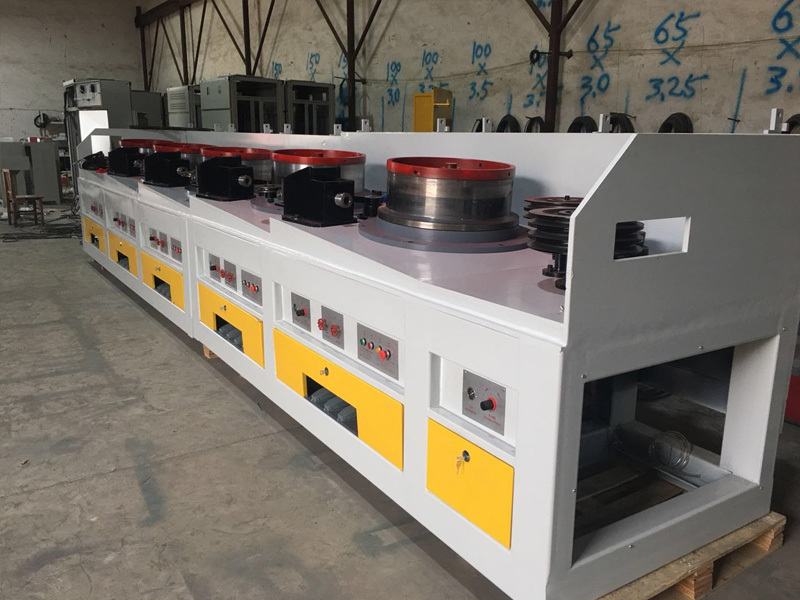
Water tank drawing machines represent a significant leap in the evolution of metal processing technologies. These machines are designed to facilitate the drawing process of metals, specifically for creating water tanks. Their ability to streamline production and enhance the quality of the final product makes them indispensable in the current manufacturing landscape.
2. The Role of Water Tank Drawing Machines in Metal Processing
In metal processing, the drawing process involves pulling metal through a die to reduce its diameter, increase its length, and improve its surface finish. Water tank drawing machines utilize a unique mechanism that combines hydraulic and mechanical forces to achieve these results efficiently. By incorporating water in the drawing process, these machines help maintain the integrity of the metal, preventing overheating and distortion.
3. Key Benefits of Using Water Tank Drawing Machines
3.1 Enhanced Precision and Quality
One of the most significant advantages of water tank drawing machines is the **enhanced precision** they offer. The hydraulic system allows for controlled and consistent force application, which ensures that the metal is drawn uniformly. This results in higher-quality products with better surface finishes and dimensional accuracy, reducing the need for post-processing work.
3.2 Improved Production Efficiency
Water tank drawing machines also contribute to increased **production efficiency**. Traditional methods of metal drawing often require multiple passes, leading to longer cycle times. However, with the advanced design of water tank drawing machines, manufacturers can achieve the desired shape and dimensions in fewer steps. This reduction in processing time translates to higher throughput and lower operational costs.
3.3 Cost-Effectiveness and Sustainability
In addition to efficiency, these machines are designed with **cost-effectiveness** in mind. The use of water as a lubricant in the drawing process not only minimizes tool wear but also reduces the consumption of other lubricants. Moreover, the sustainable aspect of these machines aligns with the growing demand for environmentally friendly manufacturing practices. By minimizing waste and optimizing resource use, water tank drawing machines support green manufacturing initiatives.
4. Understanding the Technology Behind Water Tank Drawing Machines
4.1 The Mechanics of Water Tank Drawing
The core mechanics of water tank drawing machines involve a hydraulic system that generates the necessary force for metal drawing. Water is introduced into the system, acting as a lubricant and coolant. This dual role helps in reducing friction while maintaining the temperature of the metal, ensuring that it remains malleable throughout the drawing process.
4.2 Innovations in Design and Functionality
Recent innovations have led to the development of **smart water tank drawing machines** equipped with sensors and automation features. These machines can monitor parameters such as temperature, pressure, and metal flow in real-time, enabling manufacturers to make immediate adjustments and enhance operational efficiency. Additionally, the integration of IoT technology allows for remote monitoring and predictive maintenance, minimizing downtime.
5. Applications of Water Tank Drawing Machines in Various Industries
5.1 Automotive Industry
In the automotive sector, water tank drawing machines are utilized for producing components such as fuel tanks, exhaust systems, and various structural elements. The precision and quality of the components produced significantly impact vehicle performance and safety.
5.2 Aerospace Manufacturing
The aerospace industry demands extremely high-quality components due to the rigorous safety standards. Water tank drawing machines are employed to create complex parts with tight tolerances, enhancing the overall durability and reliability of aerospace products.
5.3 General Metal Fabrication
Beyond specialized industries, water tank drawing machines are widely used in general metal fabrication. They are essential for producing a variety of metal products, including pipes, tubes, and custom shapes, catering to diverse applications across different sectors.
6. Maintenance and Care for Water Tank Drawing Machines
To ensure the longevity and optimal performance of water tank drawing machines, regular maintenance is crucial. Operators should adhere to the following best practices:
1. **Routine Inspections**: Regularly check hydraulic fluid levels and inspect for leaks.
2. **Cleaning**: Maintain cleanliness in the machine to prevent contamination of the metal and lubricants.
3. **Lubrication**: Ensure that all moving parts are adequately lubricated to minimize wear and tear.
4. **Calibration**: Periodically calibrate the machine to maintain precision in production.
7. Future Trends in Metal Processing with Water Tank Drawing Machines
The future of metal processing with water tank drawing machines is promising, with several trends on the horizon. As technology continues to advance, we can expect:
- **Increased Automation**: More manufacturers will adopt automated solutions to enhance the efficiency and reliability of their production lines.
- **Sustainability Initiatives**: As environmental concerns grow, the demand for energy-efficient and eco-friendly manufacturing processes will drive innovations in water tank drawing technologies.
- **Customization and Flexibility**: Future machines will likely offer greater customization options to cater to specific industry needs, allowing for the production of unique metal components.
8. Frequently Asked Questions
What is a water tank drawing machine?
A water tank drawing machine is a specialized piece of equipment used to draw metal into specific shapes, typically utilizing water as a lubricant to enhance the process's efficiency and quality.
How does a water tank drawing machine improve metal processing?
These machines improve metal processing by enhancing precision, increasing production efficiency, and promoting sustainable practices through reduced waste and resource use.
What industries benefit from water tank drawing machines?
Industries such as automotive, aerospace, and general metal fabrication benefit significantly from the precision and efficiency offered by water tank drawing machines.
How often should water tank drawing machines be maintained?
Regular maintenance should be performed according to the manufacturer's recommendations, typically involving daily, weekly, and monthly checks for optimal performance.
What are the environmental benefits of using water tank drawing machines?
The use of water as a lubricant reduces the reliance on traditional, petroleum-based lubricants, minimizing environmental impact and supporting sustainability efforts.
9. Conclusion
Water tank drawing machines are transforming the landscape of metal processing, offering unparalleled precision, efficiency, and sustainability. As industries continue to evolve, the adoption of these machines will likely accelerate, driving innovation and enhancing production capabilities. By understanding the technology behind these machines and their myriad benefits, manufacturers can position themselves for success in an increasingly competitive marketplace. Embracing the revolution brought about by water tank drawing machines is not just a choice—it's a necessity for those aiming to thrive in the future of manufacturing.
Key words:


☎️Phone
* Please Enter Keywords
The company specializes in the development and manufacture of a complete set of welding wire production lines and a complete set of metal wire drawing machines 📮 info@cnwiremachine.com