
 Esperanto
 Shqiptare
 Euskara
 Zulu
Zulu
 Latinus
 Cymraeg
 தமிழ்
தமிழ்
 Slovak
 Slovak
 Afrikaans
News Hotspot
Contact Info
Hotline: +86-18831168296
E-mail: Info@cnwiremachine.com
Add: Gaoqian West Street, Sijiazhuang Town, Luquan District, Shijiazhuang City, Hebei Province
Maximizing Productivity with a Pulley Drawing Machine: A Comprehensive Guide
Release Time:
Dec 19,2024
Maximizing Productivity with a Pulley Drawing Machine Table of Contents Understanding Pulley Drawing Machines How Pulley Drawing Machines Work Benefits of Using a Pulley Drawing Machine Key Features to Consider When Choosing a Pulley Drawing Machine Best Practices for Maximizing Productivity Maintenance Tips for Pulley Drawing Machines Troubleshooting Common Issues Future Trends in Pulley Drawing
Maximizing Productivity with a Pulley Drawing Machine
Table of Contents
- Understanding Pulley Drawing Machines
- How Pulley Drawing Machines Work
- Benefits of Using a Pulley Drawing Machine
- Key Features to Consider When Choosing a Pulley Drawing Machine
- Best Practices for Maximizing Productivity
- Maintenance Tips for Pulley Drawing Machines
- Troubleshooting Common Issues
- Future Trends in Pulley Drawing Technology
- Frequently Asked Questions
- Conclusion
Understanding Pulley Drawing Machines
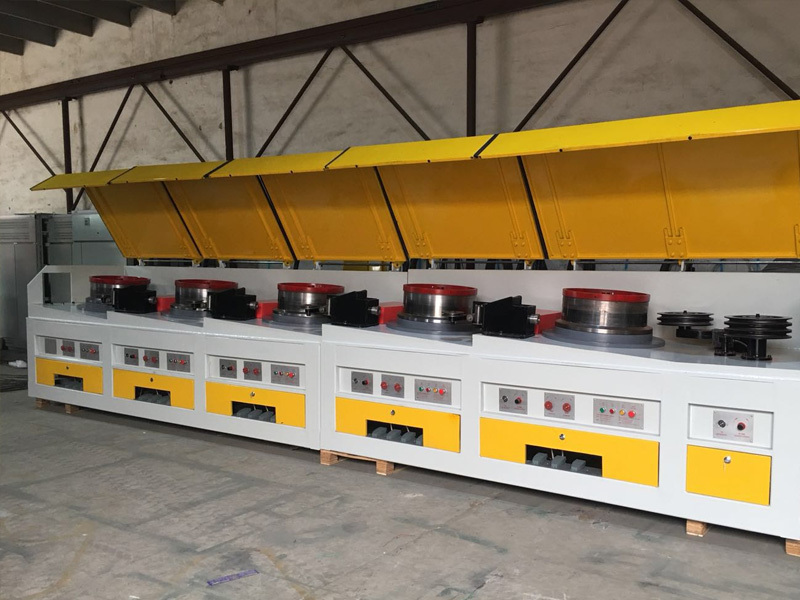
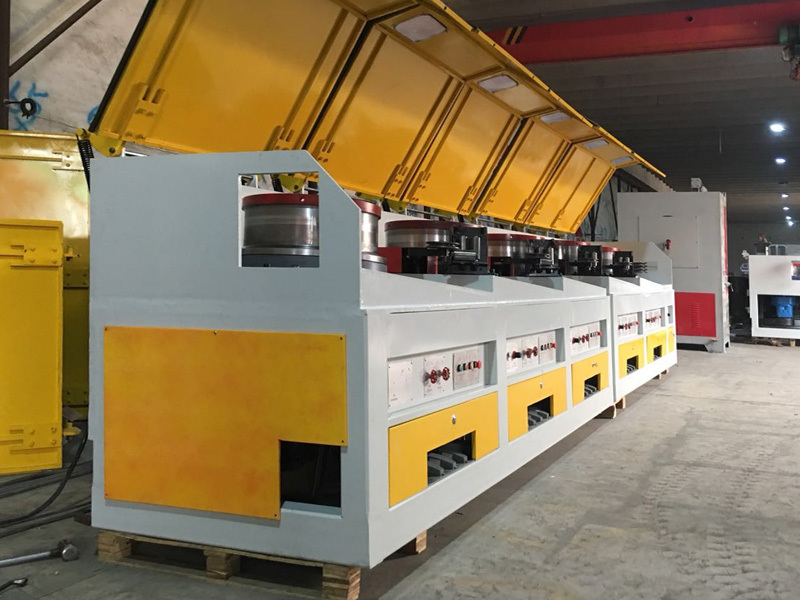
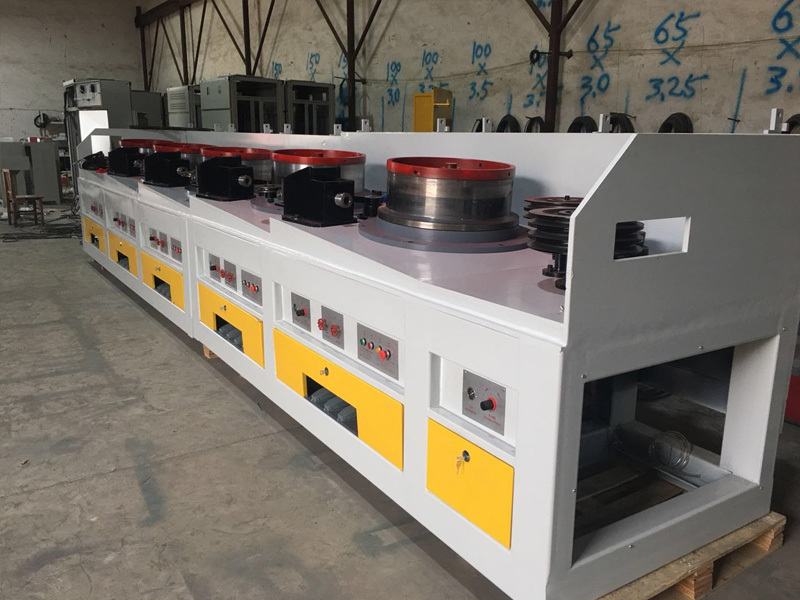
A **pulley drawing machine** is an essential piece of equipment in the manufacturing sector, specifically designed for drawing metal wires and rods through a series of pulleys. These machines leverage mechanical advantage, allowing manufacturers to produce fine wires or rods with precision. The drawing process not only enhances the material's mechanical properties but also helps in achieving desired dimensions and surface finishes.
In essence, pulley drawing machines play a vital role in various industries, including construction, automotive, and electronics, by providing the means to fabricate high-quality components efficiently.
How Pulley Drawing Machines Work
The operational principle of a pulley drawing machine revolves around the **drawing** of materials through a series of progressively smaller dies using pulleys and rollers. This process typically involves the following steps:
1. **Material Preparation**: The raw material, usually in rod or wire form, is prepared for drawing. This preparation may include cleaning and cutting to size.
2. **Feeding the Material**: The prepared material is fed into the machine through the inlet, where it encounters the first die.
3. **Drawing Process**: As the motor operates, the material is pulled through the dies by the pulleys. The size of the dies decreases progressively, allowing the material to elongate while reducing its cross-sectional area.
4. **Cooling and Lubrication**: During the drawing process, it is crucial to apply lubrication to reduce friction. Cooling systems may also be employed to prevent overheating, which can adversely affect the material properties.
5. **Final Product**: Once the material exits the machine, it is cut to length, inspected for quality, and prepared for further processing or distribution.
Understanding these basic principles allows manufacturers to optimize the drawing process, which can lead to significant gains in productivity.
Benefits of Using a Pulley Drawing Machine
Investing in a **pulley drawing machine** offers numerous benefits that can significantly enhance productivity and operational efficiency:
1. **Increased Efficiency**: These machines are designed for high-speed operations, allowing for the production of large volumes of products in a shorter time frame.
2. **Enhanced Material Properties**: The drawing process improves the tensile strength and ductility of the material, making it more suitable for various applications.
3. **Cost-Effective**: By reducing waste and optimizing material use, pulley drawing machines contribute to lower production costs.
4. **Versatile Applications**: They can be used to draw a variety of materials, including steel, copper, and aluminum, catering to diverse industry needs.
5. **Improved Precision**: With precise control over the drawing process, manufacturers can achieve tight tolerances and consistent quality in their products.
6. **Ease of Operation**: Modern pulley drawing machines often come equipped with user-friendly controls and automation features, minimizing the need for extensive training.
7. **Reduced Labor Costs**: Automated features help decrease dependence on manual labor, allowing employees to focus on more value-added tasks.
By recognizing these benefits, manufacturers can make informed decisions that align with their production goals.
Key Features to Consider When Choosing a Pulley Drawing Machine
Selecting the right **pulley drawing machine** involves evaluating several key features that can affect performance and productivity:
1. **Machine Capacity**: Consider the maximum load the machine can handle and the range of wire or rod diameters it can draw. This capacity must align with your production needs.
2. **Speed Settings**: Look for machines with variable speed settings to accommodate different materials and product specifications.
3. **Die Configuration**: The type and arrangement of dies can impact the drawing process. Ensure compatibility with the materials you intend to use.
4. **Lubrication Systems**: Efficient lubrication systems help maintain smooth operation and reduce wear on the machine.
5. **Cooling Mechanisms**: Depending on your materials and production speed, cooling systems may be necessary to avoid overheating.
6. **Ease of Maintenance**: Choose machines designed for easy access to parts and components, as this simplifies routine maintenance and repairs.
7. **Automation Features**: Advanced machines may offer automated controls, enhancing efficiency and reducing manual oversight.
By carefully considering these features, manufacturers can select a pulley drawing machine that best meets their operational demands.
Best Practices for Maximizing Productivity
To fully harness the capabilities of a **pulley drawing machine**, manufacturers should implement best practices that enhance productivity:
1. **Regular Training**: Ensure that operators are well-trained in the machine's operation and maintenance. This knowledge can prevent mishaps and improve efficiency.
2. **Routine Maintenance**: Establish a regular maintenance schedule to keep the machine in optimal condition. This includes checking lubrication, wear on dies, and mechanical components.
3. **Material Quality**: Use high-quality raw materials to minimize defects and enhance the overall quality of the final product.
4. **Optimize Machine Settings**: Adjust machine parameters such as speed, feed rate, and lubrication based on the specific material and product requirements.
5. **Monitor Performance**: Implement monitoring systems to track machine performance and identify any deviations from normal operation.
6. **Utilize Automation**: Where possible, incorporate automation to streamline processes and reduce manual intervention.
By adopting these practices, manufacturers can significantly increase the productivity of their pulley drawing operations.
Maintenance Tips for Pulley Drawing Machines
Proper maintenance is essential for ensuring the longevity and efficiency of a **pulley drawing machine**. Here are some tips:
1. **Daily Inspections**: Conduct daily checks on critical components, including belts, pulleys, and dies, to identify any signs of wear or damage.
2. **Lubrication**: Regularly lubricate moving parts as per the manufacturer’s recommendations to minimize friction and wear.
3. **Cleanliness**: Keep the machine and surrounding area clean to prevent dirt and debris from affecting operation.
4. **Check Alignment**: Ensure that all components are aligned correctly to avoid misoperation and undue stress on the machine.
5. **Record Keeping**: Maintain a log of maintenance activities to track performance and identify recurring issues.
By following these maintenance tips, operators can help ensure their machines operate smoothly and efficiently.
Troubleshooting Common Issues
Even with proper maintenance, problems may arise with pulley drawing machines. Here are common issues and solutions:
1. **Material Breakage**: If the material breaks during drawing, check for incorrect die sizes, misalignment, or inadequate lubrication.
2. **Inconsistent Dimension**: This could result from worn dies or incorrect machine settings. Inspect and replace dies as needed and adjust settings.
3. **Overheating**: If the machine overheats, ensure that lubrication systems are functioning correctly and consider lowering the drawing speed.
4. **Unusual Noises**: Unusual sounds may indicate loose components or wear. Perform a thorough inspection to identify the source of the noise.
5. **Poor Surface Finish**: A poor finish may result from insufficient lubrication or improper die selection. Evaluate these factors and adjust accordingly.
By addressing these issues promptly, manufacturers can maintain productivity and minimize downtime.
Future Trends in Pulley Drawing Technology
Looking forward, several trends are emerging in the field of **pulley drawing technology** that promise to enhance productivity further:
1. **Smart Machines**: The integration of IoT technology allows for real-time monitoring and predictive maintenance, reducing downtime.
2. **Enhanced Automation**: Increased automation capabilities will streamline operations, allowing for faster production rates and improved precision.
3. **Advanced Materials**: Research into new materials that can withstand higher stresses will expand the capabilities of pulley drawing machines.
4. **Sustainability**: Manufacturers are increasingly focusing on sustainable practices, leading to the development of machines that reduce waste and energy consumption.
5. **Customization**: Customizable machines will allow manufacturers to tailor equipment specifications based on unique production requirements.
By staying informed about these trends, manufacturers can maintain a competitive edge in the market.
Frequently Asked Questions
1. What materials can be drawn using a pulley drawing machine?
A pulley drawing machine can draw various materials, including steel, copper, aluminum, and other metals, depending on machine specifications and die configurations.
2. How often should I perform maintenance on my pulley drawing machine?
It is advisable to perform daily inspections, with more comprehensive maintenance conducted on a weekly or monthly basis, depending on usage intensity and manufacturer recommendations.
3. What are the common causes of material breakage during the drawing process?
Material breakage can be caused by incorrect die sizes, improper lubrication, excessive drawing speed, or material defects.
4. How can I improve the surface finish of the drawn material?
Improving the surface finish can be achieved by ensuring adequate lubrication, using high-quality dies, and optimizing machine settings.
5. Are automated pulley drawing machines worth the investment?
Yes, automated machines can significantly improve productivity, reduce labor costs, and enhance precision, making them a worthwhile investment for many manufacturers.
Conclusion
In conclusion, maximizing productivity with a **pulley drawing machine** is a multifaceted endeavor that involves understanding the machine’s operation, leveraging its benefits, and adhering to best practices for maintenance and process optimization. By selecting the right machinery and employing effective strategies, manufacturers can significantly enhance operational efficiency and product quality, positioning themselves for success in a competitive market. With the right approach, a pulley drawing machine can become a cornerstone of effective manufacturing, driving both productivity and profitability.
Key words:


☎️Phone
* Please Enter Keywords
The company specializes in the development and manufacture of a complete set of welding wire production lines and a complete set of metal wire drawing machines 📮 info@cnwiremachine.com