
 Esperanto
 Shqiptare
 Euskara
 Zulu
Zulu
 Latinus
 Cymraeg
 தமிழ்
தமிழ்
 Slovak
 Slovak
 Afrikaans
News Hotspot
Contact Info
Hotline: +86-18831168296
E-mail: Info@cnwiremachine.com
Add: Gaoqian West Street, Sijiazhuang Town, Luquan District, Shijiazhuang City, Hebei Province
Enhancing Operational Efficiency with Horizontal Type Wire Drawing Machines
Release Time:
Dec 22,2024
Enhancing Operational Efficiency with Horizontal Type Wire Drawing Machines Table of Contents Introduction to Horizontal Type Wire Drawing Machines Key Benefits of Horizontal Type Wire Drawing Machines Understanding the Mechanism of Horizontal Wire Drawing Applications of Horizontal Type Wire Drawing Machines How to Increase Efficiency with These Machines Maintenance Tips
Enhancing Operational Efficiency with Horizontal Type Wire Drawing Machines
Table of Contents
- Introduction to Horizontal Type Wire Drawing Machines
- Key Benefits of Horizontal Type Wire Drawing Machines
- Understanding the Mechanism of Horizontal Wire Drawing
- Applications of Horizontal Type Wire Drawing Machines
- How to Increase Efficiency with These Machines
- Maintenance Tips for Optimal Performance
- Comparison with Vertical Wire Drawing Machines
- The Future of Wire Drawing Technology
- Frequently Asked Questions
- Conclusion
Introduction to Horizontal Type Wire Drawing Machines
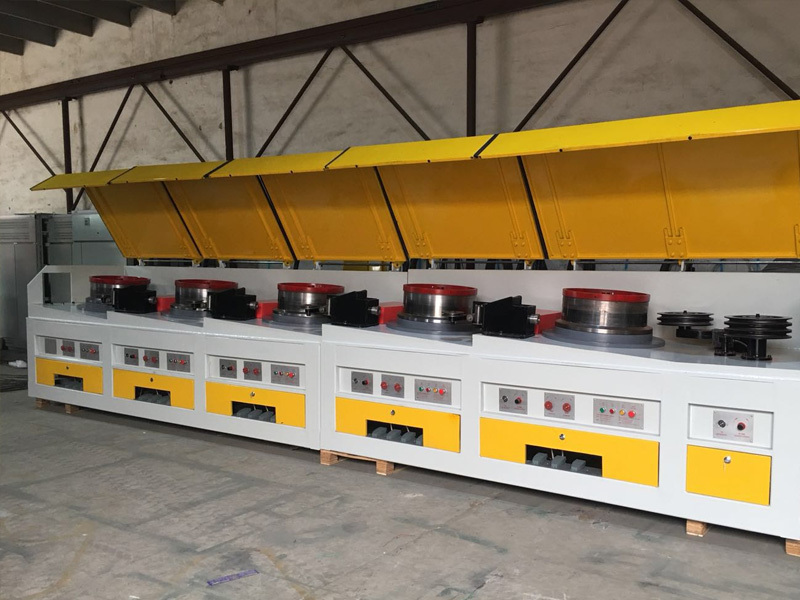
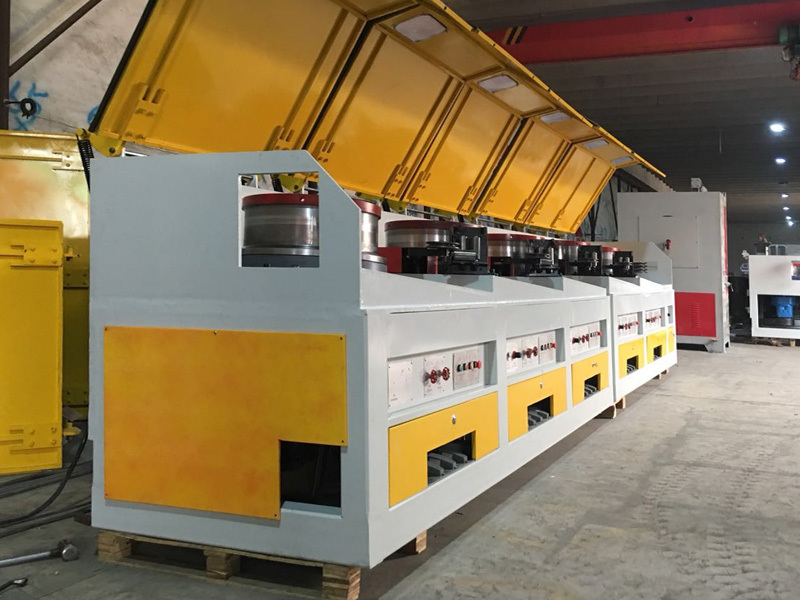
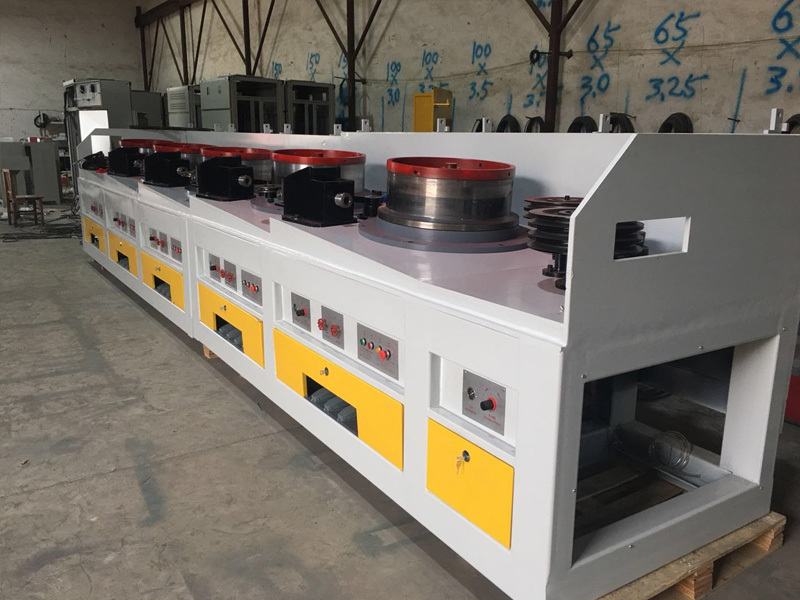
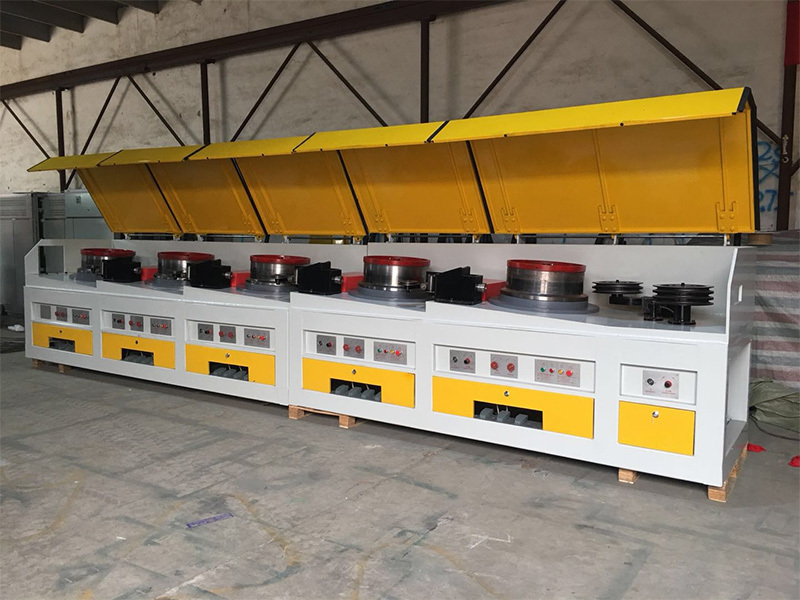
Horizontal type wire drawing machines play a critical role in the **metalworking industry**, particularly in wire manufacturing. These machines are designed to draw wire through a series of dies, reducing its diameter while simultaneously increasing its length. This process is essential for creating wires used in various applications, from electrical components to construction materials.
In this comprehensive guide, we will explore how horizontal type wire drawing machines can significantly enhance operational efficiency, improve product quality, and ultimately drive profitability for manufacturers.
Key Benefits of Horizontal Type Wire Drawing Machines
The adoption of horizontal type wire drawing machines brings numerous advantages to manufacturers. Below are some of the key benefits that make these machines indispensable in the metal processing landscape.
1. Improved Efficiency
Horizontal wire drawing machines are engineered for high-speed operations, allowing manufacturers to produce larger quantities of wire in a shorter time frame. This **increased productivity** leads to less downtime and maximizes output.
2. Enhanced Product Quality
These machines utilize advanced technology that ensures consistent wire diameter and surface finish. This uniformity is crucial for applications where precision is vital, such as in **electronic components** or **automotive wiring**.
3. Reduced Material Waste
By optimizing the drawing process, manufacturers can significantly reduce material waste. The ability to control the drawing speed and tension contributes to minimizing defects, ensuring that more of the raw material is transformed into usable product.
4. Versatility
Horizontal type wire drawing machines are adaptable to a wide range of materials, including copper, aluminum, and steel. This versatility allows manufacturers to cater to diverse market needs without investing in multiple machines.
5. Lower Energy Consumption
These machines are designed with energy efficiency in mind, which translates to lower operating costs. By utilizing **advanced motors and drive systems**, horizontal wire drawing machines consume less energy compared to traditional models.
Understanding the Mechanism of Horizontal Wire Drawing
To appreciate the efficiency of horizontal type wire drawing machines, it's essential to understand how they operate. The core mechanism involves several key components:
1. Drawing Dies
The drawing die is the heart of the wire drawing process. It determines the **final diameter** of the wire. Horizontal machines can accommodate a series of dies, allowing for gradual reduction in wire size, which enhances control and minimizes stress on the material.
2. Payoff and Take-up Systems
These systems are responsible for feeding the wire into the drawing process and collecting the finished product. The **payoff system** unwinds raw wire while the **take-up system** winds the finished product, ensuring a smooth and continuous operation.
3. Tension Control
Maintaining the appropriate tension during drawing is crucial for achieving high-quality wire. Horizontal machines are equipped with advanced tension control systems that monitor and adjust the tension in real-time, minimizing the risk of wire breakage.
4. Cooling Mechanisms
As wire is drawn, it generates heat. Efficient cooling systems integrated into horizontal type machines help dissipate this heat, preventing material damage and maintaining the integrity of the wire.
Applications of Horizontal Type Wire Drawing Machines
The versatility of horizontal type wire drawing machines allows them to serve a wide array of industries. Here are some common applications:
1. Electrical Wiring
Horizontal wire drawing machines are extensively used to produce wires for electrical applications. The consistent diameter and quality of the wire ensure reliability in electrical connections.
2. Automotive Industry
In the automotive sector, high-quality wires are essential for various systems, including ignition, lighting, and power distribution. These machines deliver the precision required for manufacturing automotive wiring harnesses.
3. Construction and Infrastructure
For construction purposes, strong and durable wire is crucial. Horizontal type machines create wire used in concrete reinforcement, fencing, and other structural applications.
4. Telecommunications
Wires produced by horizontal drawing machines are also vital in the telecommunications industry, where they are used for cables that facilitate communication technology.
How to Increase Efficiency with These Machines
To maximize the efficiency of horizontal type wire drawing machines, manufacturers can implement several strategies:
1. Regular Maintenance
Routine maintenance is critical for ensuring optimal machine performance. Regularly inspecting and replacing worn components can prevent breakdowns and extend the lifespan of the equipment.
2. Operator Training
Skilled operators are essential for maximizing machine efficiency. Providing comprehensive training on machine operation and maintenance will help minimize errors and enhance productivity.
3. Process Optimization
Analyzing production processes can identify bottlenecks and areas for improvement. Implementing process optimizations can lead to smoother workflows and increased output.
4. Investing in Technology
Upgrading to the latest technology can significantly boost efficiency. Advanced features such as **automated controls** and **real-time monitoring systems** can streamline operations.
Maintenance Tips for Optimal Performance
To ensure that horizontal type wire drawing machines operate at peak efficiency, effective maintenance practices are essential. Here are some tips:
1. Lubrication
Regular lubrication of moving parts reduces friction and wear, prolonging the life of the machine. Use high-quality lubricants recommended by the manufacturer.
2. Cleaning
Keep the machine clean by removing dust and debris that can accumulate and affect performance. Regular cleaning also helps in identifying potential issues early on.
3. Calibration
Periodically calibrate the drawing dies and tension control systems to ensure they are functioning correctly. Proper calibration is essential for maintaining product quality.
4. Monitoring Performance
Utilize monitoring systems to track machine performance. By analyzing operation data, manufacturers can detect anomalies and address them before they lead to significant issues.
Comparison with Vertical Wire Drawing Machines
While horizontal type wire drawing machines have numerous advantages, it is worthwhile to compare them with vertical models to understand their unique place in manufacturing.
1. Space Efficiency
Horizontal machines typically require more floor space than vertical counterparts. However, they often provide higher production capacities, making them a valuable investment for large-scale operations.
2. Material Handling
Horizontal machines facilitate easier material handling due to their design. This is particularly beneficial when compared to vertical machines, which can complicate the feeding and winding process.
3. Maintenance Accessibility
Accessing the components of horizontal machines for maintenance is generally easier than with vertical models. This accessibility can reduce downtime during routine inspections and repairs.
The Future of Wire Drawing Technology
As industries evolve, so too does the technology behind wire drawing machines. The future of horizontal type wire drawing machines looks promising, with advancements in automation, efficiency, and sustainability expected to shape their evolution.
1. Automation
The integration of automation technology is set to enhance the efficiency and precision of wire drawing processes. Automated machines can significantly reduce human error while increasing production rates.
2. Smart Manufacturing
With the rise of the Internet of Things (IoT), smart manufacturing practices are becoming more prevalent. Horizontal wire drawing machines equipped with IoT technology can provide real-time data analytics, leading to more informed decision-making.
3. Sustainability Initiatives
There is a growing emphasis on sustainability in manufacturing. Future wire drawing machines are likely to focus on reducing energy consumption and minimizing waste, aligning with global sustainability goals.
Frequently Asked Questions
1. What is a horizontal type wire drawing machine?
A horizontal type wire drawing machine is a piece of equipment used to draw wire through a series of dies, reducing its diameter while increasing its length, primarily used in the manufacturing of various types of wire.
2. How does a horizontal wire drawing machine differ from a vertical one?
Horizontal machines generally provide higher production capacity and easier material handling compared to vertical machines, although they may require more floor space.
3. What materials can be processed with horizontal type wire drawing machines?
These machines can work with various materials, including copper, aluminum, steel, and other metals, making them versatile for different applications.
4. How can manufacturers ensure the longevity of their wire drawing machines?
Regular maintenance, lubrication, cleaning, and calibration are crucial for extending the lifespan and performance of wire drawing machines.
5. What trends are shaping the future of wire drawing technology?
Key trends include increased automation, the adoption of smart manufacturing practices, and a focus on sustainability in the manufacturing process.
Conclusion
In conclusion, horizontal type wire drawing machines are essential for enhancing operational efficiency in the metal processing industry. Their ability to improve productivity, reduce waste, and maintain high-quality standards makes them a valuable asset for manufacturers. By understanding their mechanisms, applications, and best maintenance practices, businesses can leverage these machines to drive success and remain competitive in an ever-evolving market. Investing in horizontal wire drawing technology is not just a strategic move—it's a pathway to achieving greater efficiency and profitability in the manufacturing sector.
Key words:


☎️Phone
* Please Enter Keywords
The company specializes in the development and manufacture of a complete set of welding wire production lines and a complete set of metal wire drawing machines 📮 info@cnwiremachine.com