
 Esperanto
 Shqiptare
 Euskara
 Zulu
Zulu
 Latinus
 Cymraeg
 தமிழ்
தமிழ்
 Slovak
 Slovak
 Afrikaans
News Hotspot
Contact Info
Hotline: +86-18831168296
E-mail: Info@cnwiremachine.com
Add: Gaoqian West Street, Sijiazhuang Town, Luquan District, Shijiazhuang City, Hebei Province
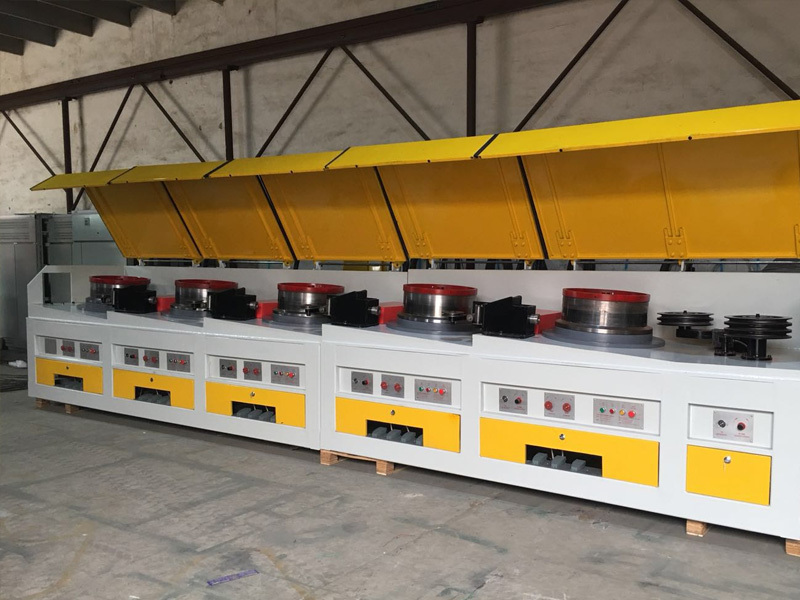
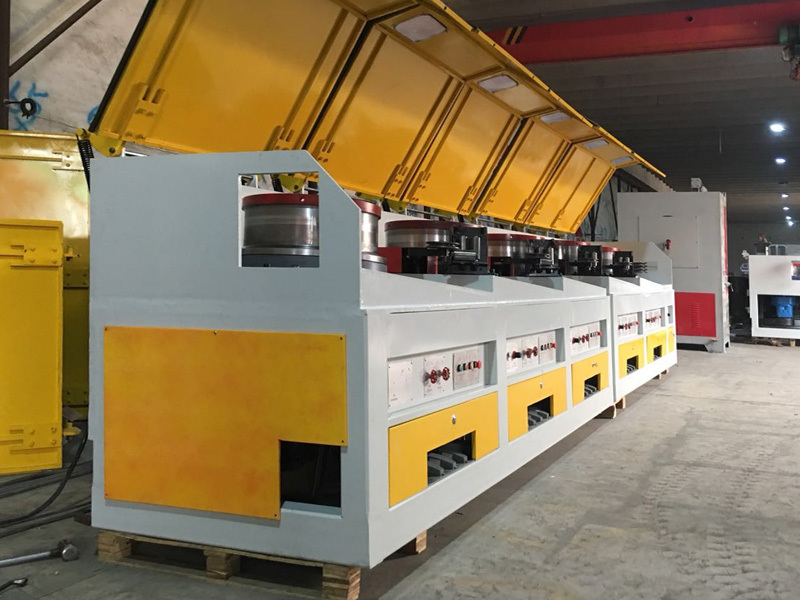
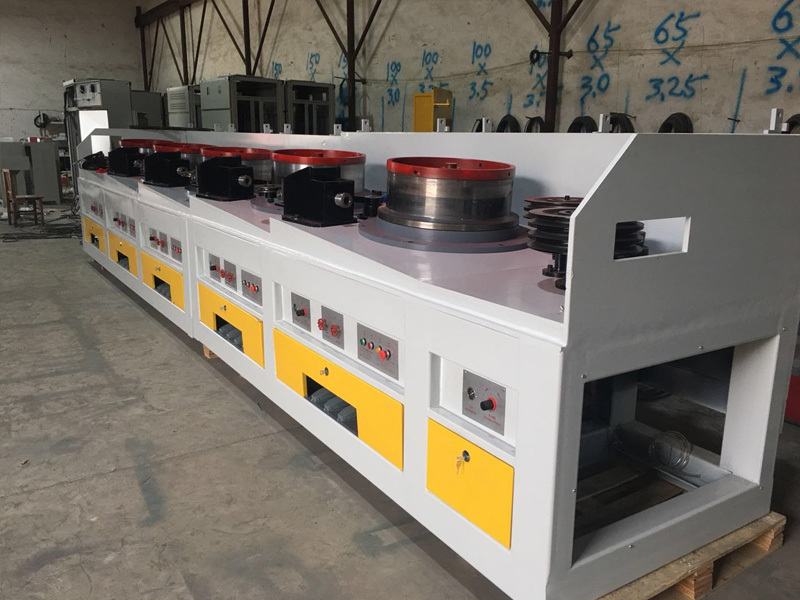
How Straight Wire Drawing Machines Transform Metal Processing
Release Time:
Dec 24,2024
How Straight Wire Drawing Machines Transform Metal Processing Introduction to Straight Wire Drawing Machines Straight wire drawing machines play a pivotal role in the metal processing industry. These machines streamline the wire production process, converting raw metal into high-quality wire products needed across various sectors, including automotive, construction, and electronics. Understanding
How Straight Wire Drawing Machines Transform Metal Processing
Introduction to Straight Wire Drawing Machines
Straight wire drawing machines play a pivotal role in the metal processing industry. These machines streamline the wire production process, converting raw metal into high-quality wire products needed across various sectors, including automotive, construction, and electronics. Understanding their functionality and advantages is crucial for manufacturers looking to optimize their processes.
What is Wire Drawing?
Wire drawing is a manufacturing process that reduces the diameter of a wire by pulling it through a series of dies. This process not only shapes the wire but also enhances its mechanical properties, making it stronger and more durable.
The Basic Process of Wire Drawing
The wire drawing process involves several stages:
1. **Preparation of the Wire Rod**: The raw material, typically a large coil of metal, is prepped for drawing.
2. **Initial Drawing**: The wire is drawn through a larger die, initiating the reduction in diameter.
3. **Intermediate Drawing**: The wire goes through a series of progressively smaller dies to achieve the desired dimensions.
4. **Final Drawing**: The last stage in the drawing process ensures precise dimensions and surface finish.
5. **Annealing**: This optional stage involves heating the wire to relieve internal stresses and improve ductility.
Key Components of Straight Wire Drawing Machines
Understanding the components of straight wire drawing machines can shed light on their operation and efficiency.
1. Wire Drawing Dies
Dies are crucial in determining the final diameter and surface quality of the wire. Using high-quality materials and precise manufacturing processes ensures longer die life and better performance.
2. Drive Mechanism
The drive mechanism powers the drawing process. It translates motor energy into linear movement, effectively pulling the wire through the dies.
3. Tension Control System
Maintaining the correct tension during the drawing process is vital. An efficient tension control system prevents wire breakage and improves overall quality.
Technological Advances in Wire Drawing Machines
Technological advancements have significantly enhanced the performance and capabilities of straight wire drawing machines.
Automation and Industry 4.0
Integrating automation and Industry 4.0 technologies into wire drawing processes has revolutionized production efficiency. Smart sensors and data analytics help monitor machine performance in real-time, leading to quicker adjustments and reduced downtime.
Energy Efficiency Improvements
Modern machines are designed to be energy-efficient, reducing the overall operational costs. Utilizing advanced drive technologies and efficient cooling systems minimizes energy consumption without compromising performance.
Enhanced Safety Features
With the introduction of safety features such as emergency stop systems and automatic lubrication, operators face fewer risks, ensuring a safer work environment.
Benefits of Using Straight Wire Drawing Machines in Metal Processing
The advantages of incorporating straight wire drawing machines into metal processing operations are numerous.
1. Improved Product Quality
Straight wire drawing machines produce wire with consistent diameter and surface finish, resulting in high-quality end products that meet industry standards.
2. Increased Efficiency and Productivity
These machines significantly reduce production time. Their ability to process large quantities of wire simultaneously means manufacturers can meet higher demand levels with less effort.
3. Cost-Effectiveness
While the initial investment in advanced wire drawing machines may be considerable, the long-term savings in materials, labor, and energy make them a wise choice for manufacturers.
4. Versatility in Applications
Straight wire drawing machines can process various materials, including copper, aluminum, and steel, making them suitable for a wide range of applications across multiple industries.
Applications of Straight Wire Drawing Machines
The versatility of straight wire drawing machines allows them to cater to various industries.
1. Automotive Industry
In the automotive sector, straight wire is used for springs, cables, and various components that require high tensile strength and durability.
2. Construction Industry
Building structures often rely on wire products for reinforcement. Straight wire drawing machines supply the necessary materials for rebar and wire mesh production.
3. Electrical and Electronics
Straight wire is extensively used in the manufacturing of electrical wires and connectors, where conductivity and flexibility are crucial.
4. Industrial Applications
Various industrial applications utilize straight wire for machinery parts, fasteners, and other components requiring precise specifications.
Challenges in Wire Drawing Processes
While straight wire drawing machines offer numerous benefits, several challenges can arise during wire drawing operations.
1. Material Quality
The quality of the raw material significantly influences the final product. Using subpar materials can lead to defects and increased production costs.
2. Maintenance Requirements
Regular maintenance is essential for optimal performance. Neglecting machine upkeep can lead to breakdowns and decreased efficiency over time.
3. Operator Skill Level
The skill level of machine operators directly impacts production quality. Continuous training and skill development are necessary to ensure that operators effectively handle advanced machinery.
Future Trends in Straight Wire Drawing Technology
The future of straight wire drawing machines is promising, with several trends shaping the industry.
1. Increased Automation
The shift towards fully automated machines will streamline operations further, reducing human error and increasing efficiency.
2. Integration of AI and Machine Learning
Artificial intelligence and machine learning technologies will enhance predictive maintenance, allowing manufacturers to anticipate potential issues before they occur.
3. Sustainable Practices
As the industry shifts towards sustainability, straight wire drawing machines will likely incorporate eco-friendly technologies to minimize waste and energy consumption.
Frequently Asked Questions (FAQs)
1. What are straight wire drawing machines used for?
Straight wire drawing machines are used to produce wire from raw metal materials, reducing the diameter while enhancing strength and durability.
2. How do straight wire drawing machines improve efficiency?
These machines streamline the wire drawing process, allowing for high-volume production with reduced operational time and costs.
3. What types of materials can be processed?
Straight wire drawing machines can process various metals, including copper, aluminum, and steel.
4. Are modern machines energy-efficient?
Yes, advancements in technology have led to the development of energy-efficient machines that reduce operational costs.
5. What role does automation play in wire drawing?
Automation enhances production efficiency and quality by minimizing human error and maximizing machine output.
Conclusion
Straight wire drawing machines are transformative in the metal processing industry, providing precision, efficiency, and cost-effectiveness. As technology continues to advance, the capabilities and applications of these machines will expand, further solidifying their essential role in manufacturing. Embracing these innovations will enable companies to stay competitive in a rapidly evolving market, ensuring they meet the growing demands of various industries.
Key words:


☎️Phone
* Please Enter Keywords
The company specializes in the development and manufacture of a complete set of welding wire production lines and a complete set of metal wire drawing machines 📮 info@cnwiremachine.com