
 Esperanto
 Shqiptare
 Euskara
 Zulu
Zulu
 Latinus
 Cymraeg
 தமிழ்
தமிழ்
 Slovak
 Slovak
 Afrikaans
News Hotspot
Contact Info
Hotline: +86-18831168296
E-mail: Info@cnwiremachine.com
Add: Gaoqian West Street, Sijiazhuang Town, Luquan District, Shijiazhuang City, Hebei Province
The Future of Manufacturing: Unleashing Potential with Chinese Layer Winding Machines
Release Time:
Dec 31,2024
The Future of Manufacturing: Unleashing Potential with Chinese Layer Winding Machines Table of Contents 1. Introduction to Layer Winding Machines 2. The Role of Layer Winding Machines in Manufacturing 3. Key Features of Chinese Layer Winding Machines 3.1 Advanced Technology and Automation 3.2 Efficiency and Precision in Production 4. Benefits of Using Layer Winding Machines 4.1 Enhanced Productivi
The Future of Manufacturing: Unleashing Potential with Chinese Layer Winding Machines
Table of Contents
1. Introduction to Layer Winding Machines
2. The Role of Layer Winding Machines in Manufacturing
3. Key Features of Chinese Layer Winding Machines
3.1 Advanced Technology and Automation
3.2 Efficiency and Precision in Production
4. Benefits of Using Layer Winding Machines
4.1 Enhanced Productivity and Reduced Labor Costs
4.2 Improved Quality Control
5. Applications of Layer Winding Machines in Various Industries
5.1 Electronics Manufacturing
5.2 Automotive Industry
5.3 Renewable Energy Sector
6. Challenges Faced by the Layer Winding Machine Industry
6.1 Global Competition and Market Dynamics
6.2 Technological Advancements and Adaptation
7. Future Trends in Layer Winding Technology
7.1 Smart Manufacturing and Industry 4.0
7.2 Sustainable Practices in Manufacturing
8. Conclusion
9. Frequently Asked Questions (FAQs)
1. Introduction to Layer Winding Machines
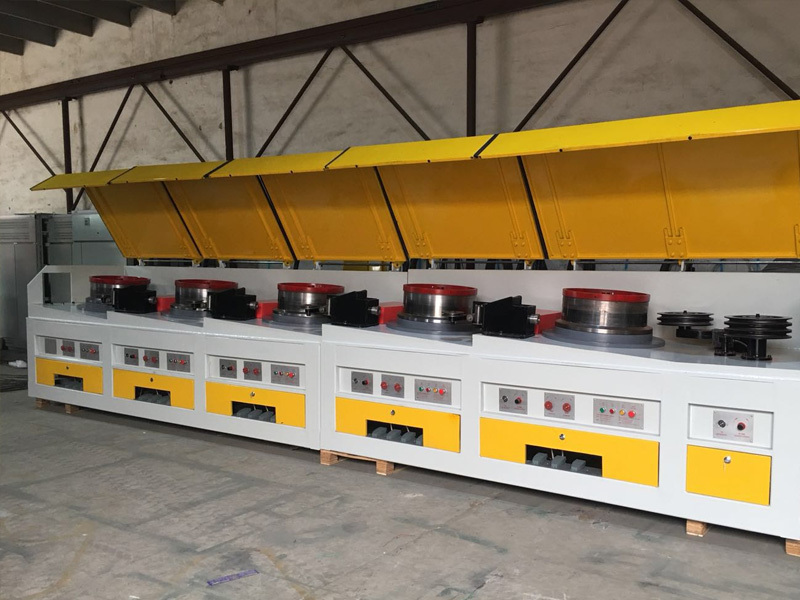
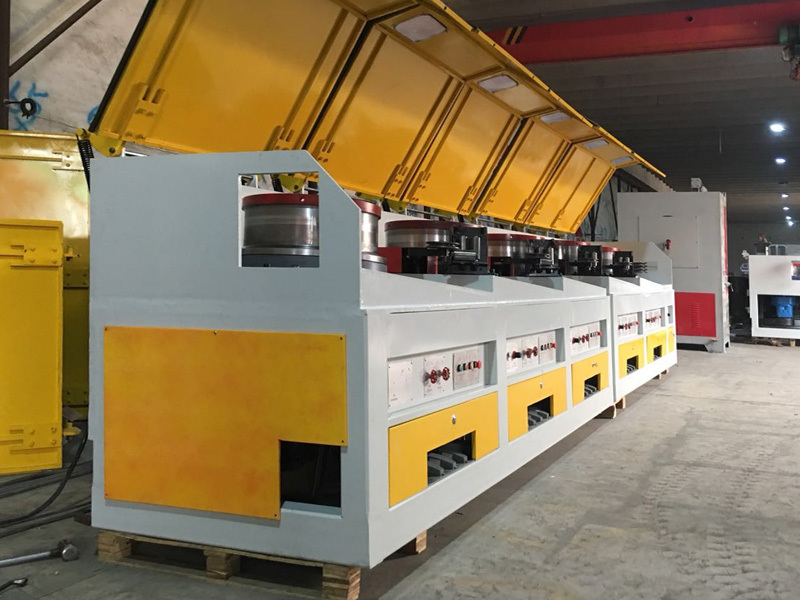
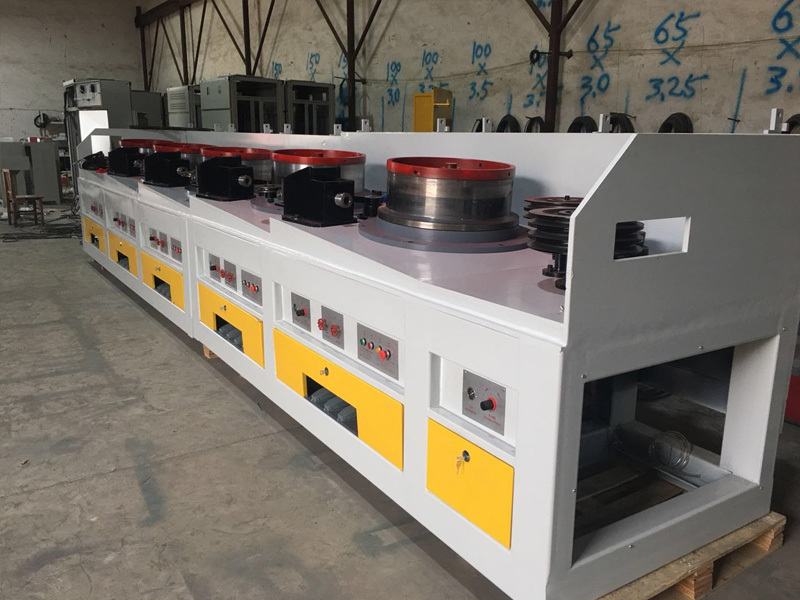
The manufacturing industry is currently experiencing a significant transformation, largely driven by advancements in technology and automation. Among these innovations, **layer winding machines** have emerged as a pivotal technology, particularly in China. These machines play a crucial role in producing various components used in numerous applications, from consumer electronics to renewable energy systems.
Layer winding machines excel at creating tightly wound coils, essential for the performance of electric motors, transformers, and inductors. The efficiency and precision of these machines are vital for meeting the growing demands of modern manufacturing processes.
2. The Role of Layer Winding Machines in Manufacturing
Layer winding machines serve as an integral component of the manufacturing ecosystem. By automating the winding process, these machines achieve higher accuracy and consistency compared to traditional manual methods. As a result, manufacturers can produce high-quality products at a faster pace, addressing the ever-increasing market demands.
Furthermore, the adaptability of layer winding machines allows them to cater to a wide range of industries, enhancing their importance in contemporary manufacturing.
3. Key Features of Chinese Layer Winding Machines
3.1 Advanced Technology and Automation
Chinese layer winding machines have incorporated cutting-edge technology and automation into their design. These machines leverage **programmable logic controllers (PLCs)** and sophisticated software to streamline production processes. This technology facilitates real-time monitoring and adjustments, reducing downtime and maximizing efficiency.
3.2 Efficiency and Precision in Production
One of the standout features of layer winding machines is their ability to achieve unparalleled **precision** in coil formation. The automated processes ensure that coils are wound consistently, minimizing the risk of defects and enhancing overall product quality. This precision is critical in industries where even minor deviations can lead to significant performance issues.
4. Benefits of Using Layer Winding Machines
4.1 Enhanced Productivity and Reduced Labor Costs
Implementing layer winding machines can dramatically enhance productivity levels within manufacturing facilities. By reducing the time required for winding operations and minimizing labor-intensive tasks, manufacturers can allocate their workforce more efficiently. This not only leads to cost savings but also allows for the reallocation of resources to other critical areas of production.
4.2 Improved Quality Control
Quality control is a paramount concern in the manufacturing sector. Layer winding machines contribute to improved quality assurance by producing uniform coils that meet stringent specifications. The automation of the winding process reduces human error, leading to more consistent product quality. By investing in these machines, manufacturers can significantly lower the likelihood of defects and enhance customer satisfaction.
5. Applications of Layer Winding Machines in Various Industries
Layer winding machines have found applications across multiple sectors, showcasing their versatility and importance in modern manufacturing.
5.1 Electronics Manufacturing
In the electronics industry, layer winding machines are essential for producing coils used in transformers and inductors. Their ability to create precise and reliable components is crucial for ensuring the performance and longevity of electronic devices.
5.2 Automotive Industry
The automotive sector also benefits significantly from layer winding technology. These machines are used to manufacture electric motor components, which are increasingly important as the industry shifts towards electric and hybrid vehicles. Layer winding machines ensure that these components are produced with the necessary precision to meet the stringent performance requirements of modern automobiles.
5.3 Renewable Energy Sector
As the world moves towards sustainable energy solutions, layer winding machines are playing a vital role in the production of components for wind turbines and solar inverters. The ability to wind coils efficiently and accurately contributes to the effectiveness of renewable energy systems, making layer winding machines indispensable in this growing industry.
6. Challenges Faced by the Layer Winding Machine Industry
Despite the benefits of layer winding machines, the industry faces several challenges that must be addressed to maintain growth and innovation.
6.1 Global Competition and Market Dynamics
The global market for layer winding machines is highly competitive, with numerous players vying for market share. Manufacturers must continuously improve their products to stay ahead of competitors, which can strain resources and lead to rapid technological advancements.
6.2 Technological Advancements and Adaptation
As technology evolves, manufacturers of layer winding machines must adapt to the latest advancements. This includes integrating **smart manufacturing** concepts and ensuring that their machines remain compatible with emerging technologies such as the Internet of Things (IoT) and artificial intelligence (AI).
7. Future Trends in Layer Winding Technology
The future of layer winding machines looks promising, with several trends poised to shape the industry.
7.1 Smart Manufacturing and Industry 4.0
The concept of **Industry 4.0** is revolutionizing manufacturing processes, and layer winding machines are at the forefront of this transformation. The integration of IoT technology allows for real-time data collection and analysis, enabling manufacturers to optimize their operations further. This shift towards smart manufacturing will enhance efficiency and reduce waste, aligning with modern sustainability goals.
7.2 Sustainable Practices in Manufacturing
As environmental concerns continue to rise, manufacturers are increasingly prioritizing sustainability in their operations. Layer winding machines can contribute to these efforts by minimizing material waste and energy consumption during production. By adopting sustainable practices, manufacturers not only comply with regulations but also appeal to environmentally conscious consumers.
8. Conclusion
The future of manufacturing is intricately tied to the advancements brought forth by Chinese layer winding machines. These machines are pivotal in enhancing productivity, improving quality control, and addressing the evolving demands of various industries. As technology continues to advance, we can expect layer winding machines to play an even more significant role in shaping the manufacturing landscape, driving innovation and sustainability.
9. Frequently Asked Questions (FAQs)
1. What is a layer winding machine?
A layer winding machine is an automated device used to create coils by winding wire in layers. These machines are essential for producing components used in electronics, automotive, and renewable energy sectors.
2. How do layer winding machines improve manufacturing efficiency?
Layer winding machines enhance manufacturing efficiency by automating the winding process, reducing production time, and minimizing human error, which leads to higher consistency in product quality.
3. What industries benefit from layer winding technology?
Industries such as electronics manufacturing, automotive, and renewable energy significantly benefit from layer winding technology, as it is critical in producing components that meet strict performance standards.
4. Are layer winding machines environmentally friendly?
Yes, layer winding machines can be environmentally friendly as they often reduce material waste and energy consumption during the production process, aligning with sustainability goals.
5. What trends are expected for layer winding machines in the future?
Future trends for layer winding machines include increased integration of smart manufacturing technologies, a focus on sustainability, and ongoing advancements in precision and automation capabilities.
Key words:


☎️Phone
* Please Enter Keywords
The company specializes in the development and manufacture of a complete set of welding wire production lines and a complete set of metal wire drawing machines 📮 info@cnwiremachine.com