
 Esperanto
 Shqiptare
 Euskara
 Zulu
Zulu
 Latinus
 Cymraeg
 தமிழ்
தமிழ்
 Slovak
 Slovak
 Afrikaans
News Hotspot
Contact Info
Hotline: +86-18831168296
E-mail: Info@cnwiremachine.com
Add: Gaoqian West Street, Sijiazhuang Town, Luquan District, Shijiazhuang City, Hebei Province
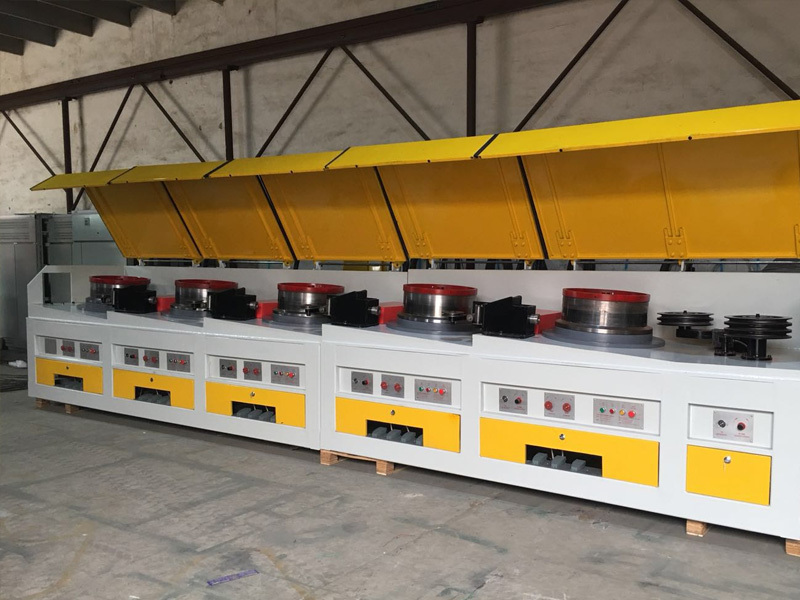
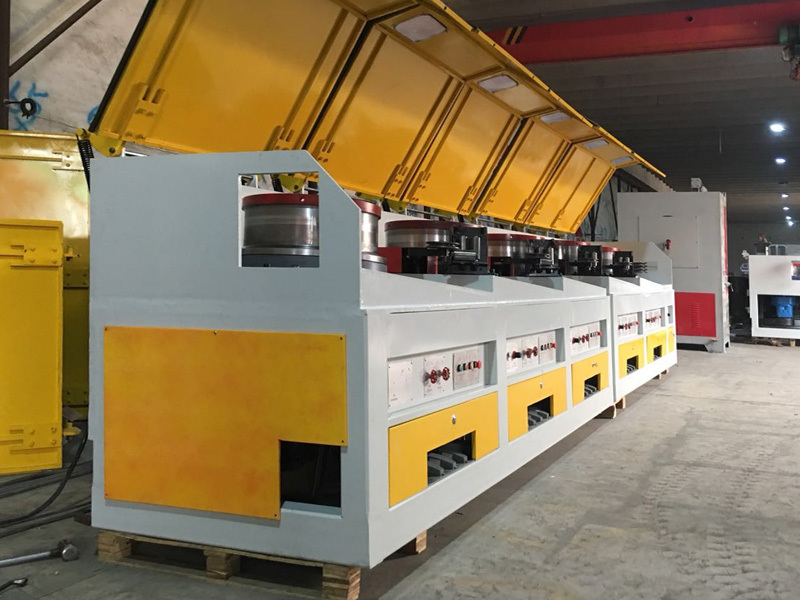
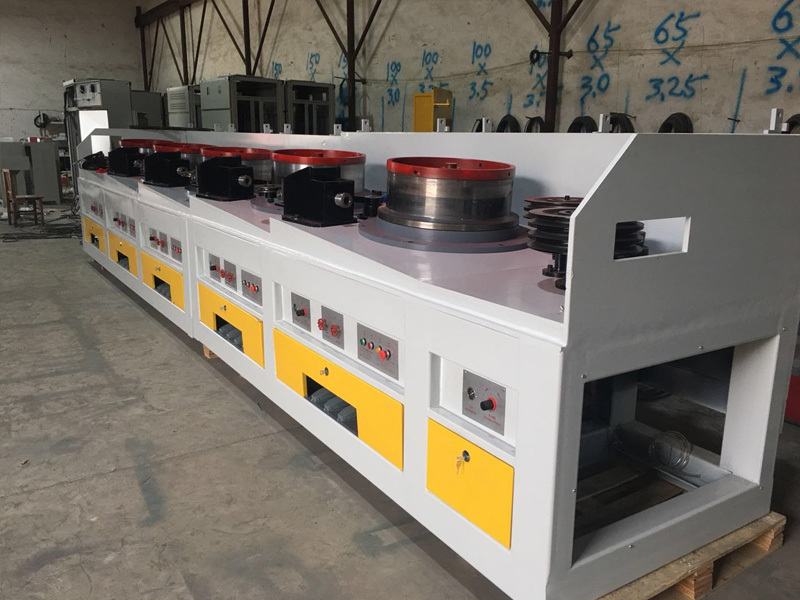
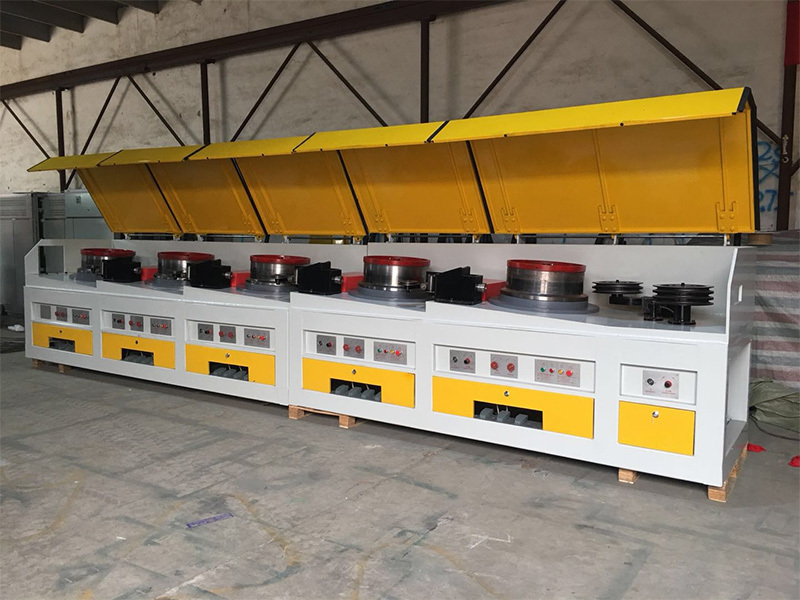
Understanding Horizontal Type Wire Drawing Machines: A Key Component in Metal Processing
Release Time:
Jan 14,2025
Horizontal type wire drawing machines are essential equipment in the manufacturing and metal processing industries, particularly in the production of wire and rod products. These machines are designed to reduce the diameter of wire by drawing it through a series of dies, allowing manufacturers to produce high-quality wires that meet industry specifications. Understanding the functionality, benefit
One of the primary advantages of horizontal type wire drawing machines is their efficiency. These machines are capable of drawing multiple wires simultaneously, significantly increasing production rates compared to traditional vertical machines. The horizontal configuration allows for better material handling and reduces the risk of tangling, making it easier to manage the wire during the drawing process. As a result, manufacturers can optimize their production lines and improve overall workflow.
In addition to efficiency, horizontal type wire drawing machines offer versatility in terms of wire materials. They can handle a variety of metals, including copper, aluminum, and steel, allowing manufacturers to cater to different market demands. This adaptability is particularly beneficial in today's fast-paced manufacturing environment, where the ability to switch between materials can lead to significant cost savings and enhanced competitiveness.
The drawing process itself is critical to achieving the desired wire properties. By carefully controlling parameters such as drawing speed, die geometry, and lubrication, manufacturers can produce wires with specific tensile strengths, elongation properties, and surface finishes. This level of control is crucial for meeting the stringent requirements of various applications, including electrical wiring, construction materials, and automotive components.
Moreover, horizontal type wire drawing machines are equipped with advanced technology that enables real-time monitoring and automation. This technological integration not only enhances the precision of the drawing process but also allows for predictive maintenance, reducing downtime and improving overall productivity. Industry professionals can leverage these advancements to streamline operations and enhance product quality.
In conclusion, horizontal type wire drawing machines play a vital role in the metal processing industry, offering efficiency, versatility, and precision. By understanding the benefits and functions of these machines, professionals can make strategic decisions that improve their manufacturing processes and meet the evolving needs of the market. As the industry continues to advance, staying informed about the latest technologies and equipment will be essential for maintaining a competitive edge.
Key words:


☎️Phone
* Please Enter Keywords
The company specializes in the development and manufacture of a complete set of welding wire production lines and a complete set of metal wire drawing machines 📮 info@cnwiremachine.com