
 Esperanto
 Shqiptare
 Euskara
 Zulu
Zulu
 Latinus
 Cymraeg
 தமிழ்
தமிழ்
 Slovak
 Slovak
 Afrikaans
News Hotspot
Contact Info
Hotline: +86-18831168296
E-mail: Info@cnwiremachine.com
Add: Gaoqian West Street, Sijiazhuang Town, Luquan District, Shijiazhuang City, Hebei Province
Enhancing Precision: The Role of Straight Wire Drawing Machines in Manufacturing
Release Time:
Jan 17,2025
Enhancing Precision: The Role of Straight Wire Drawing Machines in Manufacturing In the ever-evolving world of manufacturing, precision is paramount. Straight wire drawing machines play a crucial role in achieving this precision, especially in the realm of metal fabrication. These machines are integral in producing high-quality wire products that meet stringent industry standards. This article d
Enhancing Precision: The Role of Straight Wire Drawing Machines in Manufacturing
In the ever-evolving world of manufacturing, precision is paramount. Straight wire drawing machines play a crucial role in achieving this precision, especially in the realm of metal fabrication. These machines are integral in producing high-quality wire products that meet stringent industry standards. This article delves into the significance of straight wire drawing machines, exploring their technology, advantages, applications, and future prospects in the manufacturing landscape.
Table of Contents
- Introduction to Straight Wire Drawing Machines
- Understanding Wire Drawing: A Process Overview
- Types of Straight Wire Drawing Machines
- Benefits of Using Straight Wire Drawing Machines
- Applications of Straight Wire Drawing Machines
- Recent Advancements in Wire Drawing Technology
- Maintenance and Care for Optimal Performance
- The Future of Straight Wire Drawing Machines in Manufacturing
- FAQs
- Conclusion
Introduction to Straight Wire Drawing Machines
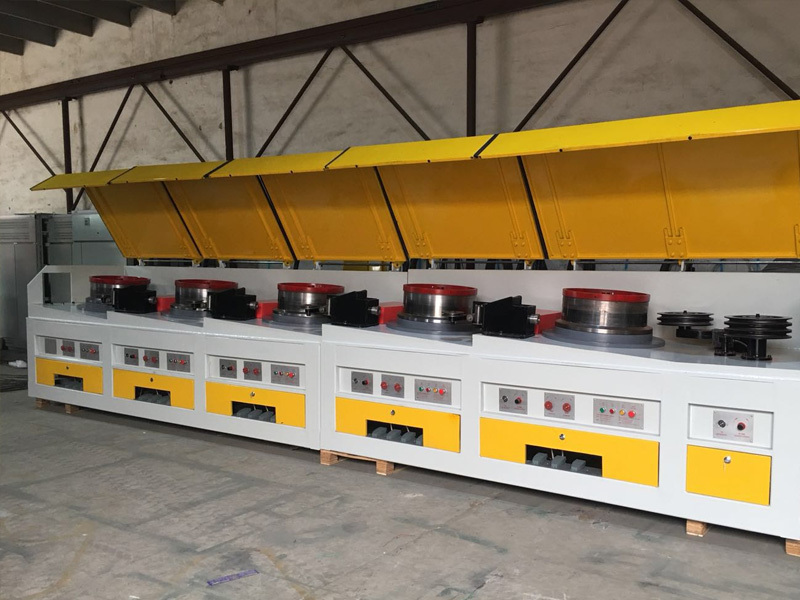
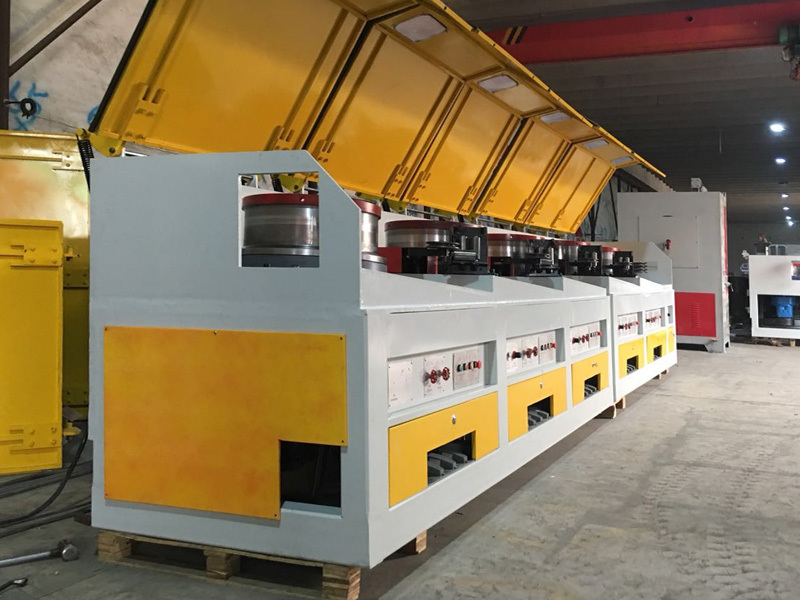
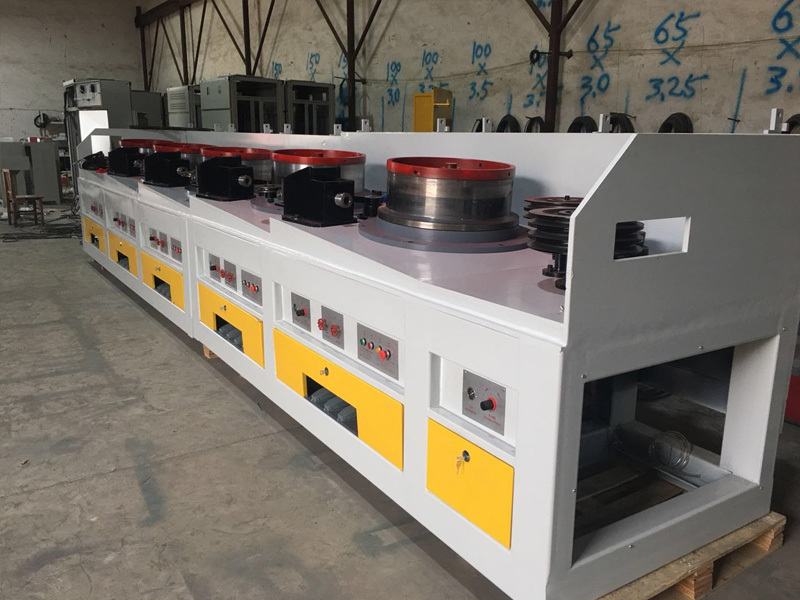
Straight wire drawing machines are designed to reduce the diameter of wire through a series of dies. This process not only enhances the wire's shape but also improves its mechanical properties, making it suitable for various industrial applications. By employing a combination of tension and speed, these machines can produce wires with high dimensional accuracy, which is essential for sectors like automotive, aerospace, and construction.
Understanding Wire Drawing: A Process Overview
The wire drawing process involves pulling a wire through a series of progressively smaller dies. As the wire passes through each die, it experiences deformation, which reduces its diameter while increasing its length. This process is fundamental in the metalworking industry, as it produces wires that can be easily manipulated into different shapes and sizes. The efficiency and precision of this process are significantly enhanced by the use of specialized straight wire drawing machines.
Process Steps in Wire Drawing
The wire drawing process can be broken down into several key steps:
- Preparation: The wire is prepared by cleaning and possibly pre-heating to reduce brittleness.
- Die Selection: Selecting the appropriate die is critical for achieving the desired wire diameter and mechanical properties.
- Drawing: The actual drawing process, where the wire is pulled through the die, often involves drawing lubricants to reduce friction.
- Coiling: Once drawn, the wire is coiled for easy storage and handling.
Types of Straight Wire Drawing Machines
Straight wire drawing machines come in various configurations, each suited for specific applications. Understanding these types can aid manufacturers in selecting the right equipment for their needs.
Single-Capstan Wire Drawing Machines
These machines utilize a single capstan to draw the wire through the die. They are ideal for producing wires with a relatively small diameter and are known for their simplicity and efficiency.
Multi-Capstan Wire Drawing Machines
Multi-capstan machines feature multiple capstans that allow for greater flexibility and increased production rates. They are excellent for high-volume operations and can handle larger wire diameters.
Hydraulic Wire Drawing Machines
Hydraulic machines use hydraulic systems to apply tension to the wire, ensuring a smooth drawing process. These machines are well-suited for drawing harder materials and larger wires.
Benefits of Using Straight Wire Drawing Machines
The advantages of using straight wire drawing machines in manufacturing are numerous:
1. Enhanced Precision
These machines are designed to produce wire with remarkable dimensional accuracy. The precision achieved in the drawing process ensures that the final products meet strict tolerances required in various industries.
2. Improved Mechanical Properties
The drawing process increases the tensile strength and ductility of the wire, making it more suitable for demanding applications. This enhancement is vital for ensuring the durability and reliability of end products.
3. Versatility
Straight wire drawing machines can produce a wide range of wire diameters and materials, offering manufacturers the flexibility to meet diverse customer needs. This versatility is crucial in a competitive market where customization is often required.
4. Cost-Effectiveness
By optimizing the drawing process, manufacturers can reduce material waste and energy consumption, leading to overall cost savings. The efficiency of straight wire drawing machines contributes significantly to a manufacturer’s bottom line.
Applications of Straight Wire Drawing Machines
Straight wire drawing machines are utilized across various industries, highlighting their integral role in modern manufacturing:
1. Automotive Industry
In the automotive sector, precision wire is essential for components such as springs, cables, and connectors. Straight wire drawing machines ensure that these components meet the exacting standards required for safety and performance.
2. Aerospace Sector
The aerospace industry demands materials that can withstand extreme conditions. Drawing machines produce high-strength wires used in aircraft structures, ensuring safety and reliability.
3. Construction and Infrastructure
In construction, wires are used in various applications, including reinforced concrete and structural support. Drawing machines enable the production of high-quality rebar and wire mesh.
4. Electrical and Electronics
Wires and cables are fundamental in electrical applications. The precision provided by straight wire drawing machines ensures that these products can handle the necessary current loads safely.
Recent Advancements in Wire Drawing Technology
The industry has seen significant technological advancements in straight wire drawing machines, enhancing their performance and capabilities:
Automation and Control Systems
Modern machines are increasingly integrated with advanced automation and control systems. These systems monitor the drawing process in real-time, allowing for immediate adjustments to ensure consistent quality.
Energy Efficiency
Recent innovations focus on energy-efficient designs that reduce power consumption during the drawing process. These improvements not only lower operational costs but also minimize the environmental footprint.
Advanced Materials
Today's machines can handle a wider range of materials, thanks to innovations in die technology and material science. This capability allows manufacturers to explore new applications and improve the quality of existing products.
Maintenance and Care for Optimal Performance
To ensure that straight wire drawing machines operate efficiently, regular maintenance is essential:
1. Lubrication
Proper lubrication of drawing dies and mechanical components minimizes friction and wear, extending the lifespan of the machine.
2. Inspection
Regular inspections are crucial for detecting potential issues before they escalate. Checking for wear on components can prevent costly downtime.
3. Cleaning
A clean machine operates more efficiently. Regular cleaning prevents the buildup of debris that can affect performance.
The Future of Straight Wire Drawing Machines in Manufacturing
The future of straight wire drawing machines looks promising, with ongoing innovations driven by market demands:
1. Smart Manufacturing
The integration of IoT (Internet of Things) devices will enable smarter manufacturing processes, allowing for better data collection and analytics. This shift will facilitate predictive maintenance and enhance overall efficiency.
2. Sustainable Practices
As industries shift towards sustainability, straight wire drawing machines are expected to evolve to reduce waste and energy consumption further. Manufacturers will seek machines that enhance their sustainable practices while maintaining high-quality output.
FAQs
1. What is a straight wire drawing machine?
A straight wire drawing machine is a device used to reduce the diameter of wire by pulling it through a series of dies, enhancing its precision and mechanical properties.
2. How does wire drawing improve mechanical properties?
Wire drawing increases tensile strength and ductility through deformation, making the wire more durable and reliable for various applications.
3. What industries benefit from straight wire drawing machines?
Industries such as automotive, aerospace, construction, and electrical benefit significantly from the precision and quality provided by straight wire drawing machines.
4. How can I maintain my straight wire drawing machine?
Regular lubrication, inspections, and cleaning are essential to ensure optimal performance and longevity of straight wire drawing machines.
5. What are the future trends in straight wire drawing technology?
Future trends include advancements in smart manufacturing, increased sustainability, and enhanced automation, which will further improve efficiency and reduce environmental impact.
Conclusion
Straight wire drawing machines are indispensable in the manufacturing industry, offering precision, versatility, and efficiency. As technology continues to evolve, these machines will adapt to meet the changing demands of various sectors. By understanding the benefits and applications of straight wire drawing machines, manufacturers can leverage their capabilities to enhance production quality and drive innovation in their operations. Embracing these advancements will be essential for staying competitive in the dynamic landscape of metal fabrication.
Key words:


☎️Phone
* Please Enter Keywords
The company specializes in the development and manufacture of a complete set of welding wire production lines and a complete set of metal wire drawing machines 📮 info@cnwiremachine.com