
 Esperanto
 Shqiptare
 Euskara
 Zulu
Zulu
 Latinus
 Cymraeg
 தமிழ்
தமிழ்
 Slovak
 Slovak
 Afrikaans
News Hotspot
Contact Info
Hotline: +86-18831168296
E-mail: Info@cnwiremachine.com
Add: Gaoqian West Street, Sijiazhuang Town, Luquan District, Shijiazhuang City, Hebei Province
Enhancing Productivity: China Pay-Off Machines Leading the Way in Manufacturing Efficiency
Release Time:
Jan 27,2025
Enhancing Productivity: China Pay-Off Machines Leading the Way in Manufacturing Efficiency Table of Contents 1. Introduction to Pay-Off Machines 2. What Are Pay-Off Machines? 3. Benefits of Using Pay-Off Machines in Manufacturing 4. China Leads in Pay-Off Machine Technology 5. Types of Pay-Off Machines Available 6. How Pay-Off Machines Increase Productivity 7. Case Stu
Enhancing Productivity: China Pay-Off Machines Leading the Way in Manufacturing Efficiency
Table of Contents
- 1. Introduction to Pay-Off Machines
- 2. What Are Pay-Off Machines?
- 3. Benefits of Using Pay-Off Machines in Manufacturing
- 4. China Leads in Pay-Off Machine Technology
- 5. Types of Pay-Off Machines Available
- 6. How Pay-Off Machines Increase Productivity
- 7. Case Studies: Successful Implementation of Pay-Off Machines
- 8. The Future of Pay-Off Machines in Manufacturing
- 9. Frequently Asked Questions
- 10. Conclusion
1. Introduction to Pay-Off Machines
In the fast-paced world of manufacturing, efficiency and productivity are paramount. **Pay-off machines** have emerged as essential tools, designed to streamline operations and enhance output. These machines are particularly prevalent in sectors requiring precision and speed, such as cable manufacturing, wire processing, and textile production. As we delve deeper into this topic, we will explore how China is at the forefront of manufacturing these innovative machines, offering solutions that significantly elevate productivity levels.
2. What Are Pay-Off Machines?
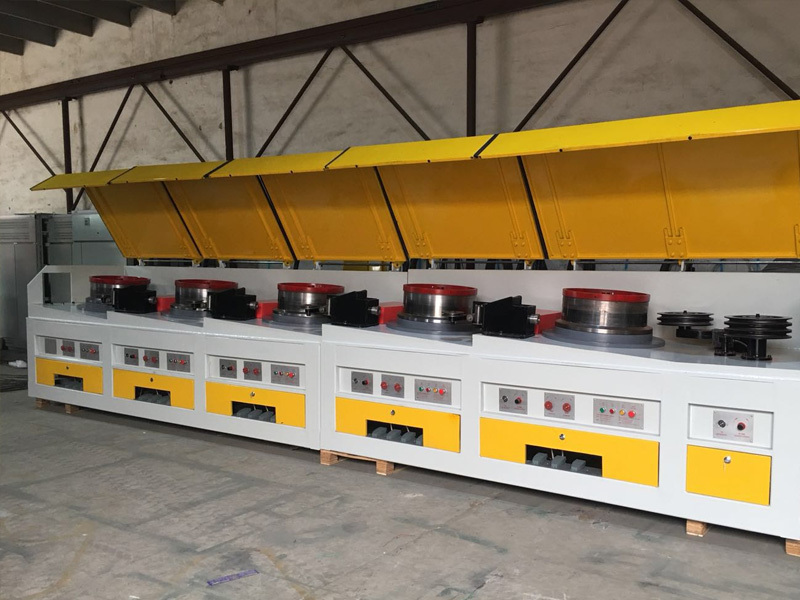
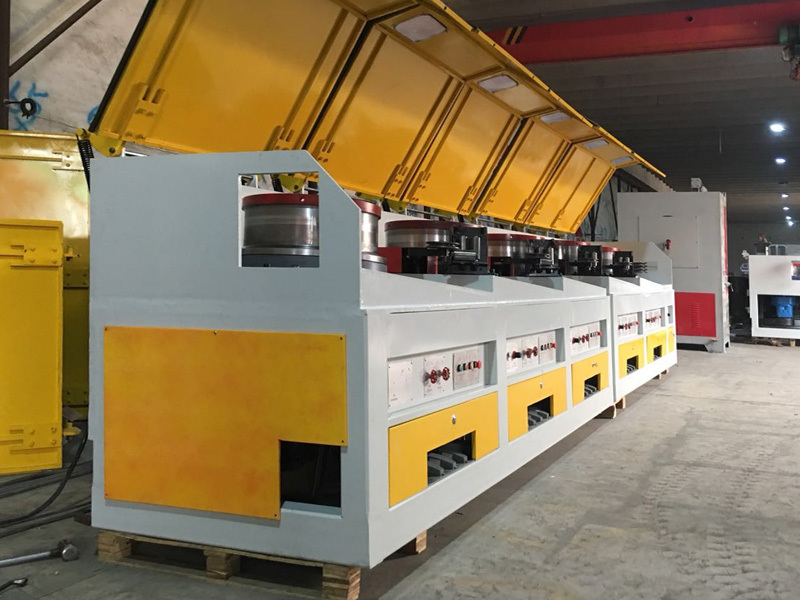
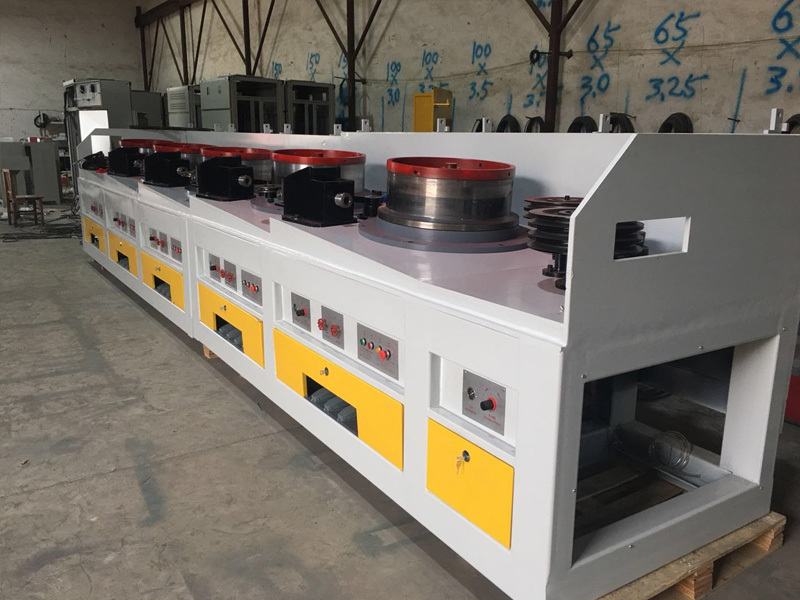
Pay-off machines are specialized devices that facilitate the unwinding and controlled distribution of materials, such as wire and cable reels. They ensure a smooth flow of materials during the manufacturing process, minimizing waste and improving overall efficiency. By maintaining consistent tension and guiding materials effectively, **pay-off machines** eliminate common issues like tangling and uneven feeding, which can lead to production delays and increased costs.
Key Features of Pay-Off Machines
- **Controlled Tensioning**: Ensures that materials are fed uniformly, preventing damage.
- **High-Speed Operation**: Capable of operating at various speeds, accommodating different manufacturing requirements.
- **Versatility**: Suitable for a wide range of materials and industries.
- **User-Friendly Controls**: Modern pay-off machines come equipped with intuitive interfaces for easy operation.
3. Benefits of Using Pay-Off Machines in Manufacturing
The integration of pay-off machines into manufacturing processes yields numerous benefits, contributing to enhanced productivity and efficiency.
Increased Efficiency
By automating the feeding process, pay-off machines drastically reduce the time workers spend managing materials. This automation allows operators to focus on more critical tasks that require human judgment and skill.
Cost Reduction
Utilizing pay-off machines minimizes material wastage caused by improper feeding or handling. Companies can save significant amounts on raw materials while also reducing labor costs associated with manual handling.
Improved Quality Control
With consistent material flow and tension control, the quality of the final product improves. This reliability is crucial in industries where precision is vital to maintaining high standards.
4. China Leads in Pay-Off Machine Technology
China has positioned itself as a global leader in the production and innovation of pay-off machines. Chinese manufacturers are not only meeting domestic demand but are also exporting their advanced technology worldwide.
Innovation and Research
Chinese companies invest heavily in **research and development**, continually evolving their designs to enhance functionality and efficiency. This commitment to innovation ensures that they remain competitive both locally and internationally.
Competitive Pricing
Due to lower production costs and economies of scale, Chinese pay-off machines are often more affordable than their Western counterparts. This affordability allows businesses worldwide to invest in high-quality machines without breaking the bank.
5. Types of Pay-Off Machines Available
The market offers various types of pay-off machines, each designed to cater to specific manufacturing needs.
Manual Pay-Off Machines
Ideal for smaller operations, these machines require manual intervention to control the feeding process. They are best suited for low-volume production runs.
Automatic Pay-Off Machines
Designed for high-volume manufacturing, these machines automatically feed materials with minimal human involvement. They are highly efficient and widely adopted in large-scale operations.
Servo-Controlled Pay-Off Machines
These advanced machines utilize servo motors to adjust the feeding speed and tension dynamically. They are particularly useful in applications requiring extreme precision.
6. How Pay-Off Machines Increase Productivity
Understanding the mechanisms by which pay-off machines enhance productivity provides insight into their value in the manufacturing process.
Reduction of Downtime
By automating material handling, pay-off machines significantly reduce the likelihood of operational downtime caused by manual errors or material jams.
Enhanced Workflow Efficiency
The seamless integration of pay-off machines into existing production lines streamlines workflows, allowing for faster turnaround times and increased output rates.
Adaptability to Various Processes
Pay-off machines can be adapted to fit various manufacturing processes, enabling businesses to scale operations without extensive reconfiguration.
7. Case Studies: Successful Implementation of Pay-Off Machines
Examining real-world applications of pay-off machines illuminates their impact on manufacturing productivity.
Case Study 1: Cable Manufacturing
A leading cable manufacturer in China integrated automatic pay-off machines into its production line, resulting in a **30% increase in efficiency**. The company reported reduced material wastage and faster production cycles, allowing it to meet rising demand without sacrificing quality.
Case Study 2: Textile Production
A textile factory adopted servo-controlled pay-off machines, which adjusted material tension based on real-time feedback. This implementation led to a **25% reduction in production time** and improved fabric consistency, solidifying the factory's reputation for high-quality textiles.
8. The Future of Pay-Off Machines in Manufacturing
As technology continues to advance, the future of pay-off machines looks promising. Innovations such as **smart technology** and **IoT connectivity** are set to revolutionize how these machines operate.
Integration with Industry 4.0
The rise of Industry 4.0 emphasizes automation and data exchange in manufacturing. Pay-off machines equipped with sensors and data analytics capabilities will enable real-time monitoring, predictive maintenance, and enhanced decision-making processes.
Environmental Considerations
Future pay-off machines are likely to focus on sustainability, with designs aimed at reducing energy consumption and improving material utilization, aligning with global trends towards greener manufacturing practices.
9. Frequently Asked Questions
What industries benefit most from pay-off machines?
Pay-off machines are most beneficial in cable and wire manufacturing, textile production, and any industry that requires precise material handling.
How do pay-off machines compare to traditional manual handling?
Pay-off machines automate the feeding process, significantly reducing labor costs and material waste compared to traditional manual handling.
Are pay-off machines customizable?
Yes, many manufacturers offer customizable pay-off machines tailored to specific production needs and material types.
What maintenance do pay-off machines require?
Regular maintenance includes checking for wear and tear, ensuring proper lubrication of moving parts, and calibrating tension settings.
How can I choose the right pay-off machine for my business?
Consider factors such as production volume, material types, and specific operational needs when selecting a pay-off machine.
10. Conclusion
In conclusion, **China's pay-off machines** represent a significant advancement in manufacturing technology, enhancing productivity, reducing costs, and improving quality. As industries continue to evolve, the integration of these machines will become increasingly crucial for businesses aiming to stay competitive. With ongoing innovations and a commitment to excellence, pay-off machines are set to lead the way in optimizing manufacturing processes for years to come.
Key words:


☎️Phone
* Please Enter Keywords
The company specializes in the development and manufacture of a complete set of welding wire production lines and a complete set of metal wire drawing machines 📮 info@cnwiremachine.com