
 Esperanto
 Shqiptare
 Euskara
 Zulu
Zulu
 Latinus
 Cymraeg
 தமிழ்
தமிழ்
 Slovak
 Slovak
 Afrikaans
News Hotspot
Contact Info
Hotline: +86-18831168296
E-mail: Info@cnwiremachine.com
Add: Gaoqian West Street, Sijiazhuang Town, Luquan District, Shijiazhuang City, Hebei Province
A Comprehensive Guide to Straight Wire Drawing Machine Maintenance: Ensuring Optimal Performance and Longevity
Release Time:
Jan 29,2025
A Comprehensive Guide to Straight Wire Drawing Machine Maintenance Table of Contents 1. Introduction to Straight Wire Drawing Machines 2. Importance of Regular Maintenance 3. Key Components of Wire Drawing Machines 4. Routine Maintenance Tasks for Optimal Performance 5. Troubleshooting Common Issues in Wire Drawing Machines 6. Advanced Maintenance Techniques 7. Safety Considerations
A Comprehensive Guide to Straight Wire Drawing Machine Maintenance
Table of Contents
- 1. Introduction to Straight Wire Drawing Machines
- 2. Importance of Regular Maintenance
- 3. Key Components of Wire Drawing Machines
- 4. Routine Maintenance Tasks for Optimal Performance
- 5. Troubleshooting Common Issues in Wire Drawing Machines
- 6. Advanced Maintenance Techniques
- 7. Safety Considerations During Maintenance
- 8. Conclusion
- 9. Frequently Asked Questions (FAQs)
1. Introduction to Straight Wire Drawing Machines
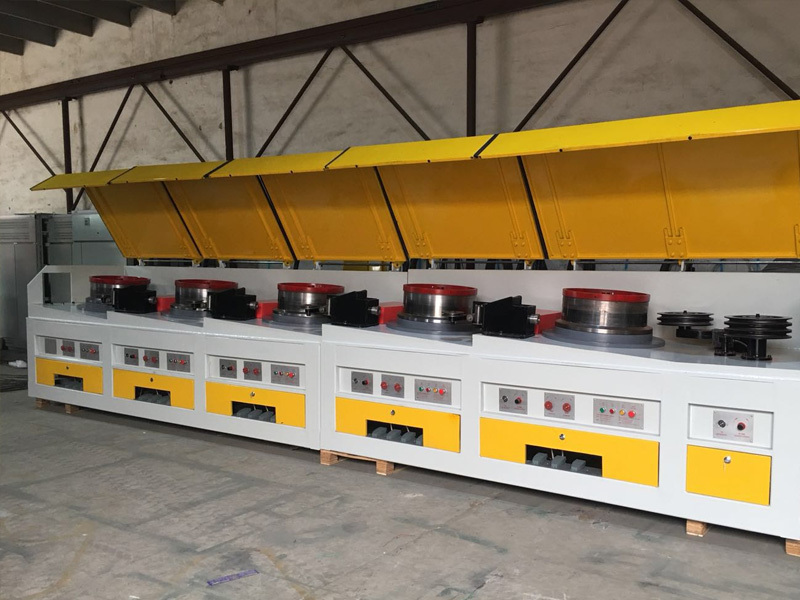
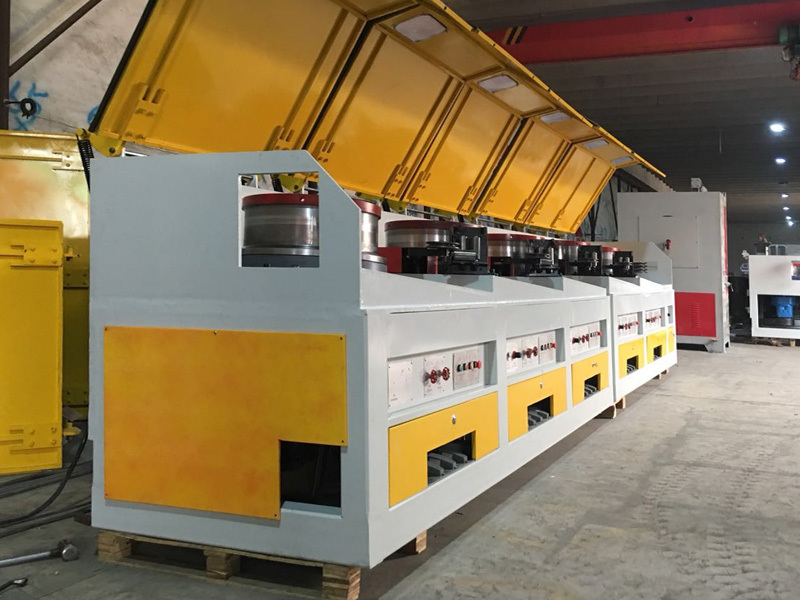
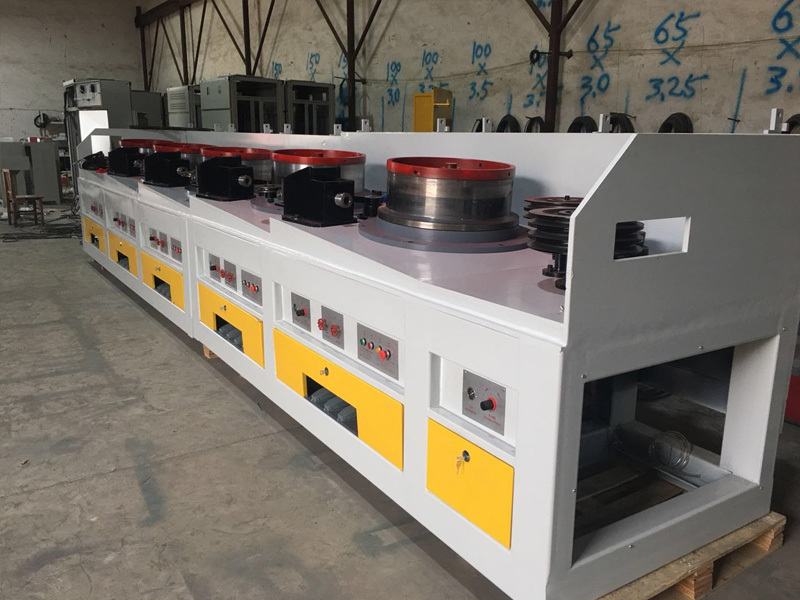
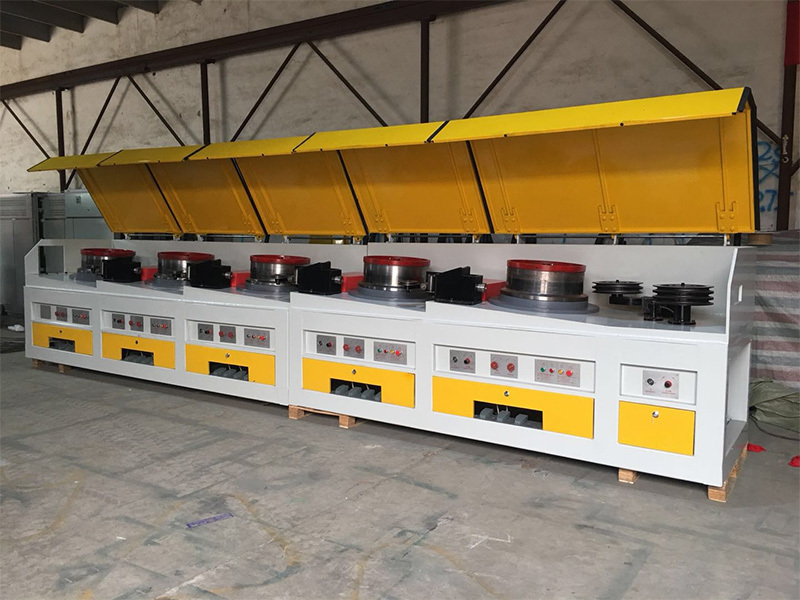
Straight wire drawing machines are pivotal in the metalworking industry, serving to reduce the diameter of wire while maintaining its tensile strength. This process involves pulling the wire through a series of dies, each progressively smaller than the last. The efficiency and longevity of these machines depend heavily on regular maintenance and proper care.
In this comprehensive guide, we delve into the nuances of maintaining straight wire drawing machines, ensuring that operators can maximize performance and minimize downtime.
2. Importance of Regular Maintenance
Regular maintenance is crucial for several reasons:
2.1 Enhancing Performance
Regularly maintained machines operate more efficiently. This efficiency translates into lower energy costs and increased production rates. Over time, neglecting maintenance can lead to performance degradation that is costly to rectify.
2.2 Extending Machine Longevity
Consistent maintenance can significantly extend the life of your wire drawing machines. Just like any other industrial equipment, these machines require regular care to function optimally.
2.3 Reducing Operational Costs
Routine maintenance can prevent unexpected failures that lead to costly repairs and downtime. Investing in maintenance can save significant amounts of money in the long run.
3. Key Components of Wire Drawing Machines
Understanding the components of straight wire drawing machines is essential for effective maintenance.
3.1 Dies
The dies are critical components that determine the wire size and shape. Inspecting dies regularly for wear and tear is essential for maintaining product quality.
3.2 Drive Mechanism
The drive mechanism, whether mechanical or hydraulic, powers the machine. Ensuring proper lubrication and functionality is vital for efficient operation.
3.3 Payoff and Take-up Units
These units control the wire's entry and exit from the machine. Proper alignment and tension are necessary to ensure smooth operation.
3.4 Cooling System
Effective cooling prevents overheating during the drawing process. Regular checks on the coolant levels and system integrity help maintain optimal temperatures.
4. Routine Maintenance Tasks for Optimal Performance
To ensure longevity and performance, implement the following routine maintenance tasks:
4.1 Daily Checks
- Inspect all visible components for any signs of wear or damage.
- Check fluid levels in the drive mechanism and cooling system.
4.2 Weekly Maintenance
- Clean the machine surfaces to prevent dust and debris accumulation.
- Lubricate moving parts according to the manufacturer’s recommendations.
4.3 Monthly Inspections
- Examine the dies for wear and replace them if necessary.
- Inspect electrical connections for corrosion or damage.
5. Troubleshooting Common Issues in Wire Drawing Machines
Even with regular maintenance, issues may arise. Here’s how to troubleshoot common problems:
5.1 Wire Breakage
Wire breakage can occur due to several factors, including:
- Worn dies
- Incorrect lubrication
- Misalignment in the feeding mechanism
To resolve this, inspect the dies for wear and replace if necessary. Additionally, ensure that lubrication is adequate.
5.2 Inconsistent Wire Diameter
Inconsistent wire diameter can indicate problems with the drawing dies or machine setup. Check the alignment of the dies and ensure that they are not damaged.
5.3 Overheating
Overheating can significantly impact the machine’s performance. Ensure that the cooling system is functioning correctly and that coolant levels are adequate.
6. Advanced Maintenance Techniques
In addition to routine maintenance, advanced techniques can further enhance the performance of straight wire drawing machines.
6.1 Predictive Maintenance
Utilizing sensors and data analytics can help predict when maintenance is needed, reducing the likelihood of unexpected breakdowns.
6.2 Reconditioning Components
Instead of replacing worn components, consider reconditioning them to extend their lifespan. This approach can be cost-effective and environmentally friendly.
7. Safety Considerations During Maintenance
Safety should always be a priority during maintenance procedures. Some key safety considerations include:
7.1 Personal Protective Equipment (PPE)
Always wear appropriate PPE, such as gloves, goggles, and hearing protection, to safeguard against potential hazards.
7.2 Lockout/Tagout Procedures
Implement lockout/tagout procedures to ensure that machines are not inadvertently started during maintenance.
7.3 Emergency Procedures
Be familiar with emergency shutdown procedures and ensure that all operators are trained in these protocols.
8. Conclusion
Maintaining straight wire drawing machines is essential for ensuring their optimal performance and longevity. By implementing routine maintenance tasks, troubleshooting common issues, and considering advanced maintenance techniques, operators can minimize downtime and enhance productivity. Prioritizing safety during maintenance procedures is equally important to ensure a safe working environment. By following the guidelines outlined in this comprehensive guide, operators can ensure that their wire drawing machines remain in peak condition.
9. Frequently Asked Questions (FAQs)
9.1 How often should I perform maintenance on my wire drawing machine?
It is advisable to conduct daily checks, weekly maintenance tasks, and monthly inspections to keep your machine running smoothly.
9.2 What are the most common causes of wire breakage in drawing machines?
Common causes include worn dies, inadequate lubrication, and misalignment in the feeding mechanism.
9.3 How can I tell if my drawing dies need to be replaced?
Signs of wear, including inconsistent wire diameter and visible damage, indicate that it is time to replace the drawing dies.
9.4 What safety measures should I take during maintenance?
Always wear appropriate PPE, follow lockout/tagout procedures, and be trained in emergency shutdown protocols.
9.5 Can predictive maintenance help reduce operational costs?
Yes, predictive maintenance can significantly reduce unexpected breakdowns and maintenance costs by allowing for timely interventions based on data analysis.
By following these guidelines and maintaining a proactive approach to maintenance, operators can significantly improve the performance and lifespan of straight wire drawing machines, driving productivity and efficiency in their operations.
Key words:


☎️Phone
* Please Enter Keywords
The company specializes in the development and manufacture of a complete set of welding wire production lines and a complete set of metal wire drawing machines 📮 info@cnwiremachine.com