
 Esperanto
 Shqiptare
 Euskara
 Zulu
Zulu
 Latinus
 Cymraeg
 தமிழ்
தமிழ்
 Slovak
 Slovak
 Afrikaans
News Hotspot
Contact Info
Hotline: +86-18831168296
E-mail: Info@cnwiremachine.com
Add: Gaoqian West Street, Sijiazhuang Town, Luquan District, Shijiazhuang City, Hebei Province
The Future of Metal Processing: Innovations in China's Wire Drawing Machinery
Release Time:
Feb 20,2025
The Future of Metal Processing: Innovations in China's Wire Drawing Machinery Table of Contents 1. Introduction to Wire Drawing Machinery 2. The Role of Wire Drawing in Metal Processing 3. Historical Context of Wire Drawing Machinery in China 4. Technological Advancements in Wire Drawing Machinery 5. Automation and Industry 4.0: The Future of Manufacturing 6. Sustainabilit
The Future of Metal Processing: Innovations in China's Wire Drawing Machinery
Table of Contents
- 1. Introduction to Wire Drawing Machinery
- 2. The Role of Wire Drawing in Metal Processing
- 3. Historical Context of Wire Drawing Machinery in China
- 4. Technological Advancements in Wire Drawing Machinery
- 5. Automation and Industry 4.0: The Future of Manufacturing
- 6. Sustainability and Eco-Friendly Initiatives in Wire Drawing
- 7. Challenges Facing the Wire Drawing Machinery Industry
- 8. Future Trends in Wire Drawing Machinery
- 9. Conclusion
- 10. FAQs
1. Introduction to Wire Drawing Machinery
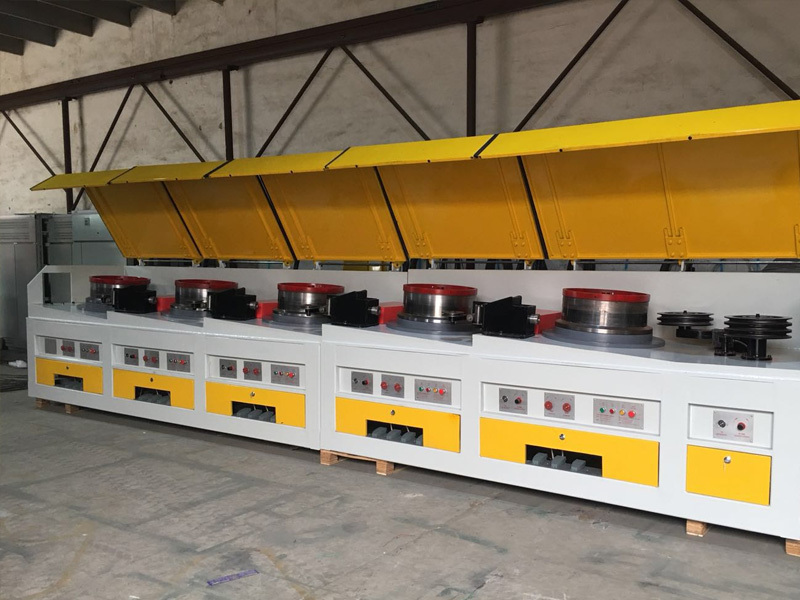
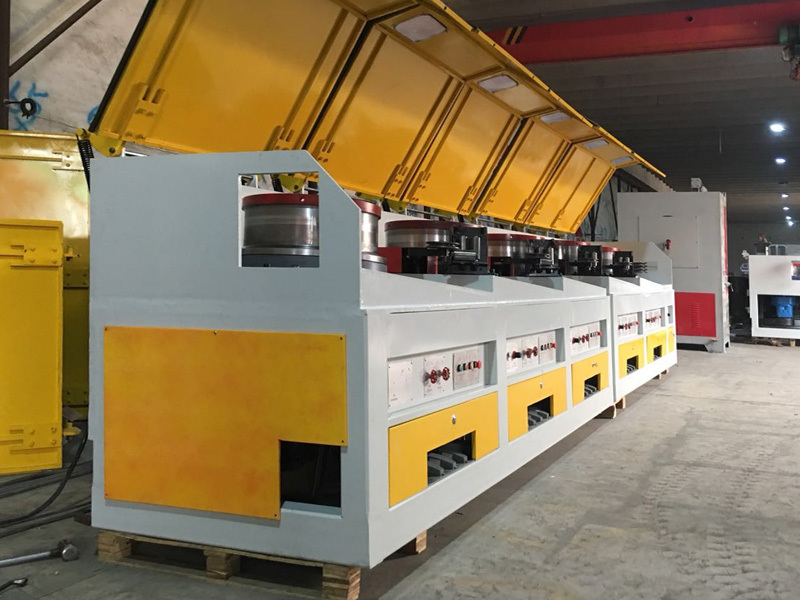
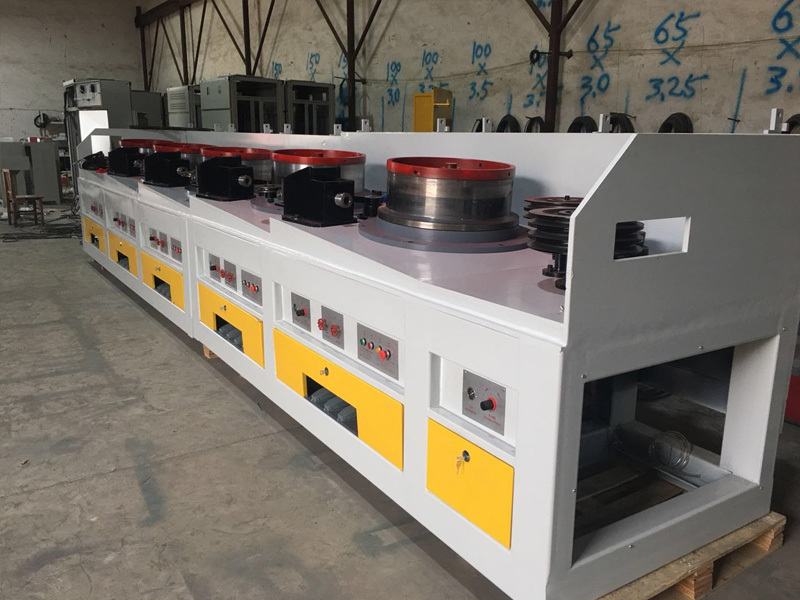
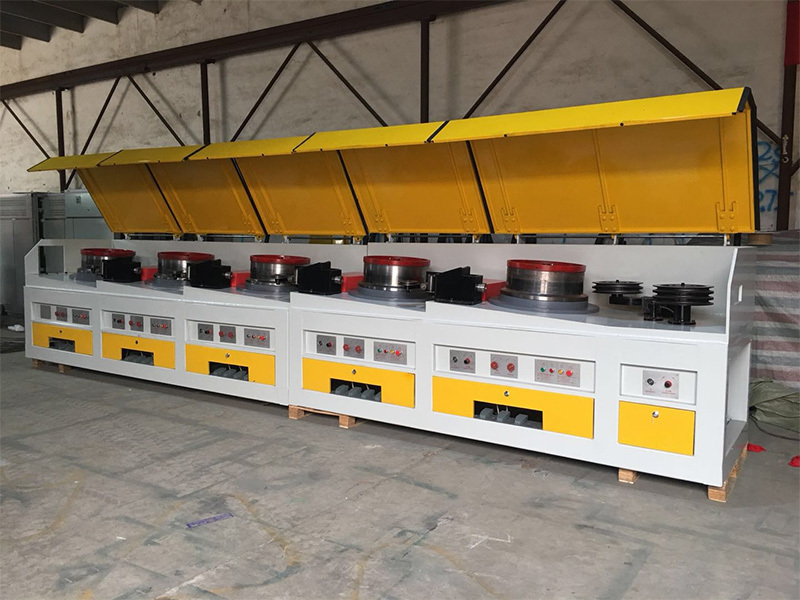
Wire drawing machinery plays a pivotal role in the metal processing industry, specifically in the production of wires through the reduction of metal diameter via a series of pulling processes. As a fundamental aspect of metalworking, wire drawing involves stretching metal to create wires of various sizes and properties that are essential in various applications, ranging from construction to electronics.
In recent years, China has emerged as a global leader in wire drawing machinery innovation, leveraging advanced technologies and manufacturing techniques. As we delve deeper into the innovations in this industry, we will examine the transformative changes happening in wire drawing machinery, with a specific focus on China's contributions.
2. The Role of Wire Drawing in Metal Processing
Wire drawing is integral to metal processing as it enhances the mechanical properties of metals, making them suitable for a variety of applications. The process offers several advantages:
2.1 Enhanced Material Strength
Drawing metal reduces its cross-sectional area, which increases its tensile strength and hardness. This property is crucial for applications requiring durable and robust materials.
2.2 Versatility in Applications
Wire drawing produces wires that are used in numerous industries, including automotive, aerospace, and telecommunications. Different wire types serve distinct purposes, from electrical wiring to structural components.
2.3 Economic Efficiency
The wire drawing process is cost-effective, allowing manufacturers to produce high volumes of wire while minimizing waste. This efficiency is vital in a competitive market.
3. Historical Context of Wire Drawing Machinery in China
China's journey in wire drawing machinery dates back several decades, with significant advancements occurring in the late 20th century. Initially, the industry relied on outdated technologies and manual processes. However, as China's economy began to industrialize, investments in modern machinery and techniques surged.
3.1 Early Developments
In the early years, wire drawing operations were characterized by simple machines that produced low-quality products. The introduction of basic mechanical systems paved the way for more sophisticated machinery.
3.2 The Reform Era and Technological Leap
The economic reforms of the late 20th century catalyzed a technological leap within the industry. Companies began to adopt CNC (Computer Numerical Control) technology, enhancing precision and efficiency in wire drawing processes.
4. Technological Advancements in Wire Drawing Machinery
Recent years have witnessed a wave of technological advancements that are revolutionizing wire drawing machinery in China. Key innovations include:
4.1 CNC Technology
CNC technology enables automated control of machinery, significantly increasing production efficiency and precision in wire dimensions. This leads to lower error rates and improved product quality.
4.2 Advanced Lubrication Systems
Cutting-edge lubrication systems reduce friction during the drawing process, enhancing machinery life and ensuring smoother operations. This innovation is pivotal for maintaining high productivity levels.
4.3 Smart Sensors and IoT Integration
The integration of smart sensors allows for real-time monitoring of the drawing process. These sensors can detect anomalies, enabling predictive maintenance and minimizing downtime.
5. Automation and Industry 4.0: The Future of Manufacturing
The rise of automation and the principles of Industry 4.0 are reshaping the wire drawing machinery landscape in China. Automation introduces numerous benefits:
5.1 Increased Production Rates
Automated systems can operate continuously with minimal human intervention, leading to higher production rates that meet growing market demands.
5.2 Enhanced Quality Control
With automated processes, quality control becomes more consistent. Machines can be programmed to ensure that every wire meets specified standards, reducing the risk of defects.
5.3 Reduced Labor Costs
As automation takes over repetitive tasks, businesses can allocate human resources to more strategic roles, leading to overall cost savings and improved operational efficiency.
6. Sustainability and Eco-Friendly Initiatives in Wire Drawing
In an era where sustainability is paramount, the wire drawing machinery industry in China is embracing eco-friendly practices. Innovations aimed at reducing environmental impact include:
6.1 Energy-Efficient Machines
Modern wire drawing machines are designed to consume less energy, reducing carbon footprints and operational costs for manufacturers.
6.2 Waste Reduction Techniques
Innovative processes are being implemented to minimize waste during production, including the recycling of scrap materials to create new products.
6.3 Adoption of Green Materials
The shift towards sustainable materials is becoming commonplace, with manufacturers exploring alternative raw materials that have lower environmental impacts.
7. Challenges Facing the Wire Drawing Machinery Industry
Despite its advancements, the wire drawing machinery industry in China faces several significant challenges:
7.1 Competition from Global Players
As the industry evolves, competition from foreign manufacturers is intensifying. Chinese companies must innovate and improve quality to maintain their market position.
7.2 Regulatory Compliance
Increased environmental regulations necessitate that manufacturers adapt their processes to comply with stricter standards, which can require substantial investments.
7.3 Skilled Labor Shortages
The shift towards automation highlights a growing need for skilled labor. Training programs must be developed to ensure that workers are equipped to handle sophisticated machinery.
8. Future Trends in Wire Drawing Machinery
Looking ahead, several trends are poised to shape the future of wire drawing machinery in China:
8.1 Greater Focus on Artificial Intelligence
The incorporation of artificial intelligence will enhance predictive maintenance and optimize production processes, further improving efficiency and reducing costs.
8.2 Customization and Flexibility
As consumer demands evolve, manufacturers will need to adopt flexible production systems that allow for customization and adaptability in product offerings.
8.3 Enhanced Collaboration Across Industries
Collaboration between wire drawing manufacturers and technology firms will drive innovation, leading to the development of superior products and processes.
9. Conclusion
The future of metal processing, particularly in the domain of wire drawing machinery, is undeniably promising. Innovations in technology, automation, and sustainability are not only enhancing productivity but also ensuring that the industry remains competitive on a global scale. As China continues to lead in this sector, manufacturers must embrace these changes to navigate the challenges ahead effectively. By focusing on technological advancements and sustainable practices, the wire drawing machinery industry is poised for a bright future.
10. FAQs
1. What is wire drawing machinery used for?
Wire drawing machinery is used to reduce the diameter of metal rods, creating wires of various sizes and properties for diverse applications.
2. How has technology improved wire drawing processes?
Technological advancements, such as CNC technology and smart sensors, have increased efficiency, precision, and quality control in wire drawing processes.
3. What are the sustainability initiatives in wire drawing machinery?
Sustainability initiatives include energy-efficient machinery, waste reduction techniques, and the adoption of green materials.
4. What challenges does the wire drawing industry face?
Challenges include increasing competition from global players, regulatory compliance, and a shortage of skilled labor.
5. What trends are shaping the future of wire drawing machinery?
Key trends include the integration of artificial intelligence, customization in production, and enhanced collaboration across industries.
Key words:


☎️Phone
* Please Enter Keywords
The company specializes in the development and manufacture of a complete set of welding wire production lines and a complete set of metal wire drawing machines 📮 info@cnwiremachine.com