
 Esperanto
 Shqiptare
 Euskara
 Zulu
Zulu
 Latinus
 Cymraeg
 தமிழ்
தமிழ்
 Slovak
 Slovak
 Afrikaans
News Hotspot
Contact Info
Hotline: +86-18831168296
E-mail: Info@cnwiremachine.com
Add: Gaoqian West Street, Sijiazhuang Town, Luquan District, Shijiazhuang City, Hebei Province
Understanding the Advanced Technology Behind Straight Wire Drawing Machines
Release Time:
Feb 22,2025
Understanding the Advanced Technology Behind Straight Wire Drawing Machines Table of Contents 1. Introduction to Straight Wire Drawing Machines 2. Fundamentals of Wire Drawing Technology 3. Types of Straight Wire Drawing Machines 4. Key Components and Working Principles 5. Advantages of Using Straight Wire Drawing Machines 6. Applications of Straight Wire Drawing Machines
Understanding the Advanced Technology Behind Straight Wire Drawing Machines
Table of Contents
- 1. Introduction to Straight Wire Drawing Machines
- 2. Fundamentals of Wire Drawing Technology
- 3. Types of Straight Wire Drawing Machines
- 4. Key Components and Working Principles
- 5. Advantages of Using Straight Wire Drawing Machines
- 6. Applications of Straight Wire Drawing Machines
- 7. Future Trends in Wire Drawing Technology
- 8. Frequently Asked Questions
- 9. Conclusion
1. Introduction to Straight Wire Drawing Machines
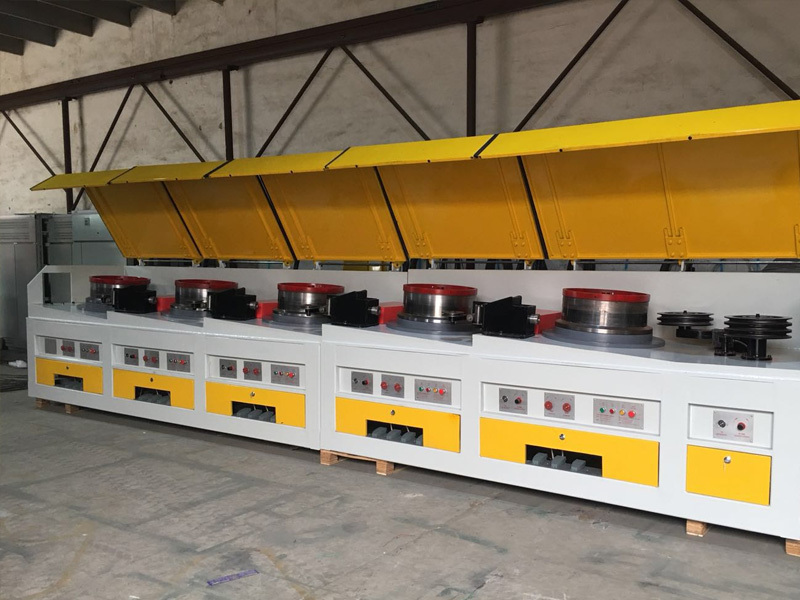
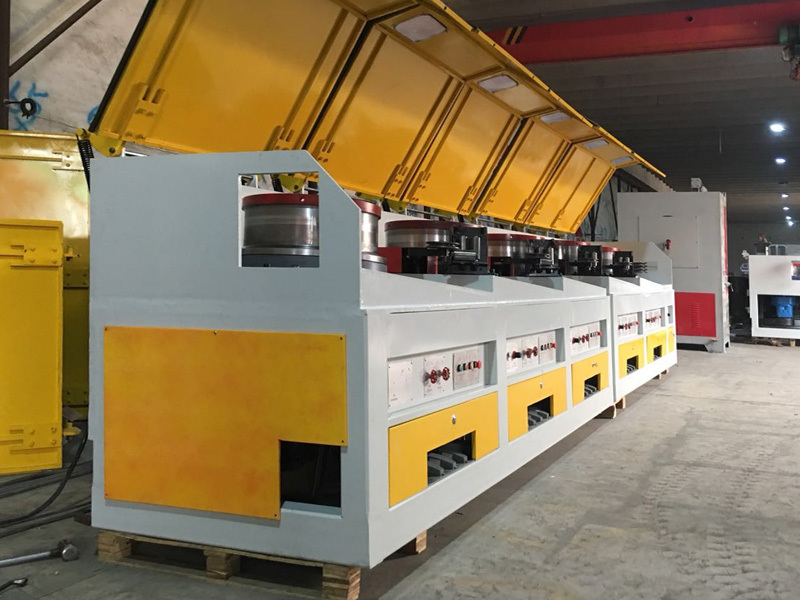
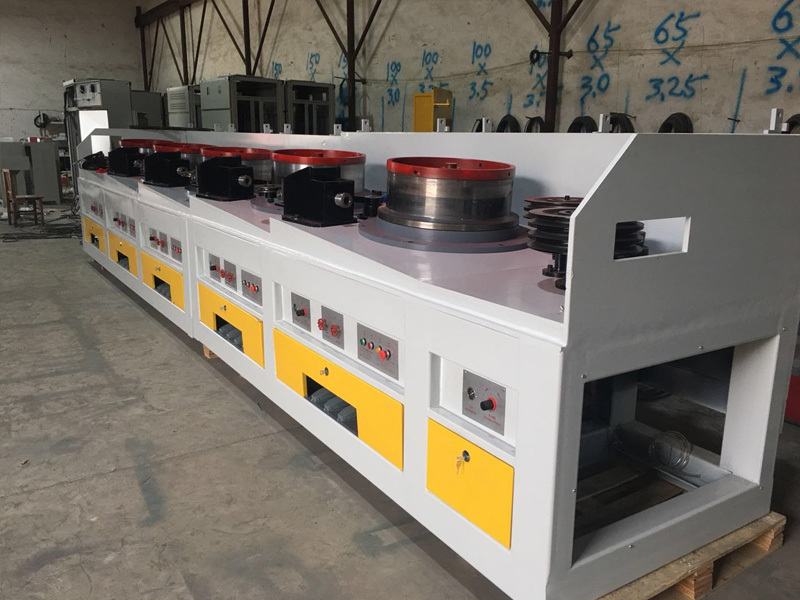
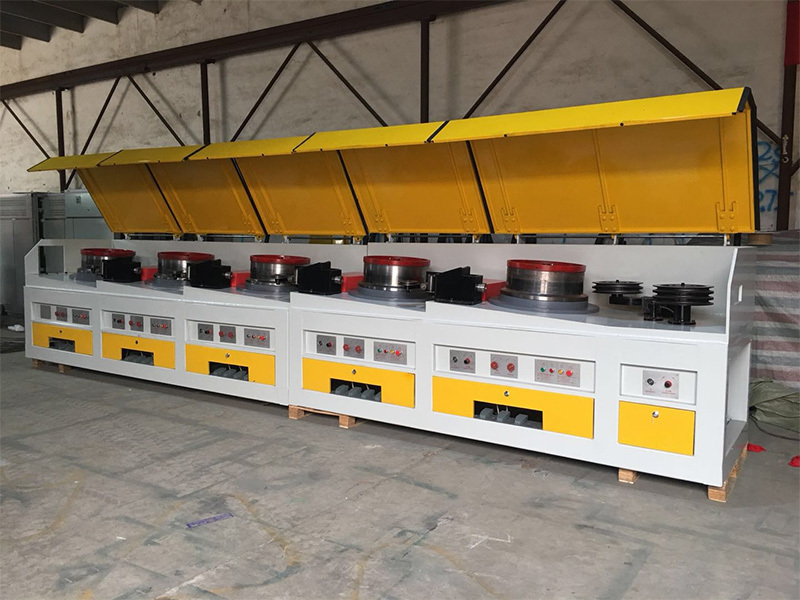
Straight wire drawing machines play a crucial role in the manufacturing process of various metal products. These machines are designed to reduce the diameter of wire and enhance its strength by drawing it through a series of dies. The process is not only essential for producing high-quality metal wires but also for ensuring efficiency and cost-effectiveness in metalworking industries.
In this article, we will delve into the intricate world of straight wire drawing machines, exploring their technology, components, and applications. Our goal is to provide a comprehensive understanding of how these machines operate and their significance in modern manufacturing.
2. Fundamentals of Wire Drawing Technology
Wire drawing is a metallurgical process where a wire is pulled through a series of dies to decrease its diameter while increasing its length. This method is widely used in the production of various types of metal wires, including copper, aluminum, and steel. The fundamental principles governing wire drawing include:
2.1 The Drawing Process
The drawing process can be summarized as follows:
1. **Initial Preparation**: The wire rod is prepared for drawing by cleaning and sometimes heating it to improve ductility.
2. **Drawing Through Dies**: The wire is pulled through one or more dies. Each die reduces the diameter of the wire further.
3. **Annealing**: After drawing, the wire may undergo an annealing process to relieve stresses and improve ductility.
2.2 Types of Drawing Methods
There are two primary types of drawing methods: **single-die drawing** and **multi-die drawing**.
- **Single-die drawing** involves drawing the wire through one die at a time.
- **Multi-die drawing** uses a series of dies in succession, allowing for greater reductions in wire diameter in a single pass.
3. Types of Straight Wire Drawing Machines
Straight wire drawing machines come in various configurations, tailored to meet specific production needs. The main types include:
3.1 Single-Draw Machines
These machines utilize one die and are suitable for producing small quantities of specialized wire. They are typically less complex and easier to operate.
3.2 Multi-Draw Machines
Multi-draw machines are designed for high-volume production. They feature multiple dies and can draw several wires simultaneously, significantly enhancing productivity.
3.3 Continuous Wire Drawing Machines
Continuous machines enable uninterrupted wire production by allowing the wire to be drawn while being coiled. This system is ideal for large-scale manufacturing.
3.4 Vertical and Horizontal Machines
Wire drawing machines can be categorized based on their design. Vertical machines are space-efficient, while horizontal machines offer easier maintenance access.
4. Key Components and Working Principles
Understanding the components of straight wire drawing machines is essential to grasp their operation. The main components include:
4.1 Drawing Dies
Drawing dies are critical for reducing the diameter of the wire. They are typically made from hard materials like carbide or diamond to withstand the wear and tear of the drawing process.
4.2 Payoff and Take-Up Units
The payoff unit unwinds the wire rod, while the take-up unit coils the finished wire. These units must work in harmony to maintain a consistent production flow.
4.3 Drive System
The drive system provides the necessary force to pull the wire through the dies. It usually consists of electric motors and gears, ensuring precise control over the drawing speed.
4.4 Cooling Systems
Drawing generates significant heat due to friction. Cooling systems are essential for maintaining optimal temperatures, preventing wire damage and extending the life of the dies.
5. Advantages of Using Straight Wire Drawing Machines
Straight wire drawing machines present numerous benefits to manufacturers:
5.1 Enhanced Strength and Ductility
The drawing process increases the tensile strength of the wire while improving its ductility, making it more suitable for various applications.
5.2 Cost Efficiency
By producing high-quality wire efficiently, these machines help reduce material waste and operational costs, leading to increased profit margins.
5.3 Versatility
Straight wire drawing machines can accommodate various materials, allowing manufacturers to diversify their product offerings.
5.4 Improved Surface Finish
The drawing process enhances the surface quality of the wire, which is crucial for applications that require precise specifications.
6. Applications of Straight Wire Drawing Machines
The applications of straight wire drawing machines are vast, spanning numerous industries:
6.1 Electrical Wiring
Industries rely on straight wire drawing machines to produce high-quality copper and aluminum wires for electrical applications.
6.2 Construction
Wire products used in construction, such as rebar and wire mesh, are often produced using these machines to ensure structural integrity.
6.3 Automotive Industry
The automotive sector uses wire in various components, from electrical systems to structural frames, necessitating high-performance wire products.
6.4 Aerospace
In aerospace, high-strength, lightweight wires are crucial for safety and performance, making straight wire drawing machines indispensable.
7. Future Trends in Wire Drawing Technology
The future of wire drawing technology is poised for innovation, with trends focusing on:
7.1 Automation and Smart Manufacturing
The integration of IoT and AI is transforming wire drawing operations, enabling predictive maintenance and enhanced efficiency.
7.2 Advanced Materials
Research into new materials for wires will lead to stronger, lighter, and more durable products, impacting industries from electronics to construction.
7.3 Sustainable Practices
As industries move towards sustainability, wire drawing machines will adopt practices that minimize energy consumption and waste.
8. Frequently Asked Questions
8.1 What is the main purpose of straight wire drawing machines?
The primary purpose of straight wire drawing machines is to reduce the diameter of wire while increasing its length and strength through a series of dies.
8.2 How does the drawing process affect wire properties?
The drawing process enhances the tensile strength and ductility of the wire, making it suitable for various applications.
8.3 What materials can be processed using wire drawing machines?
Wire drawing machines can process a variety of materials, including copper, aluminum, and steel, depending on the specific requirements of the application.
8.4 What are the maintenance requirements for wire drawing machines?
Regular maintenance involves checking the drawing dies for wear, lubricating moving parts, and ensuring the cooling system is functioning correctly.
8.5 How has technology impacted wire drawing machines?
Advancements in technology, such as automation and IoT integration, have significantly improved the efficiency, precision, and reliability of wire drawing machines.
9. Conclusion
Understanding the technology behind straight wire drawing machines is essential for industry professionals and enthusiasts alike. These machines are pivotal in producing high-quality wires that meet the diverse needs of modern applications. As we look to the future, continued innovations in wire drawing technology will undoubtedly enhance capabilities and efficiencies, paving the way for advancements across various industries. Embracing these technologies will enable manufacturers to stay competitive and meet the evolving demands of the market.
Key words:


☎️Phone
* Please Enter Keywords
The company specializes in the development and manufacture of a complete set of welding wire production lines and a complete set of metal wire drawing machines 📮 info@cnwiremachine.com